

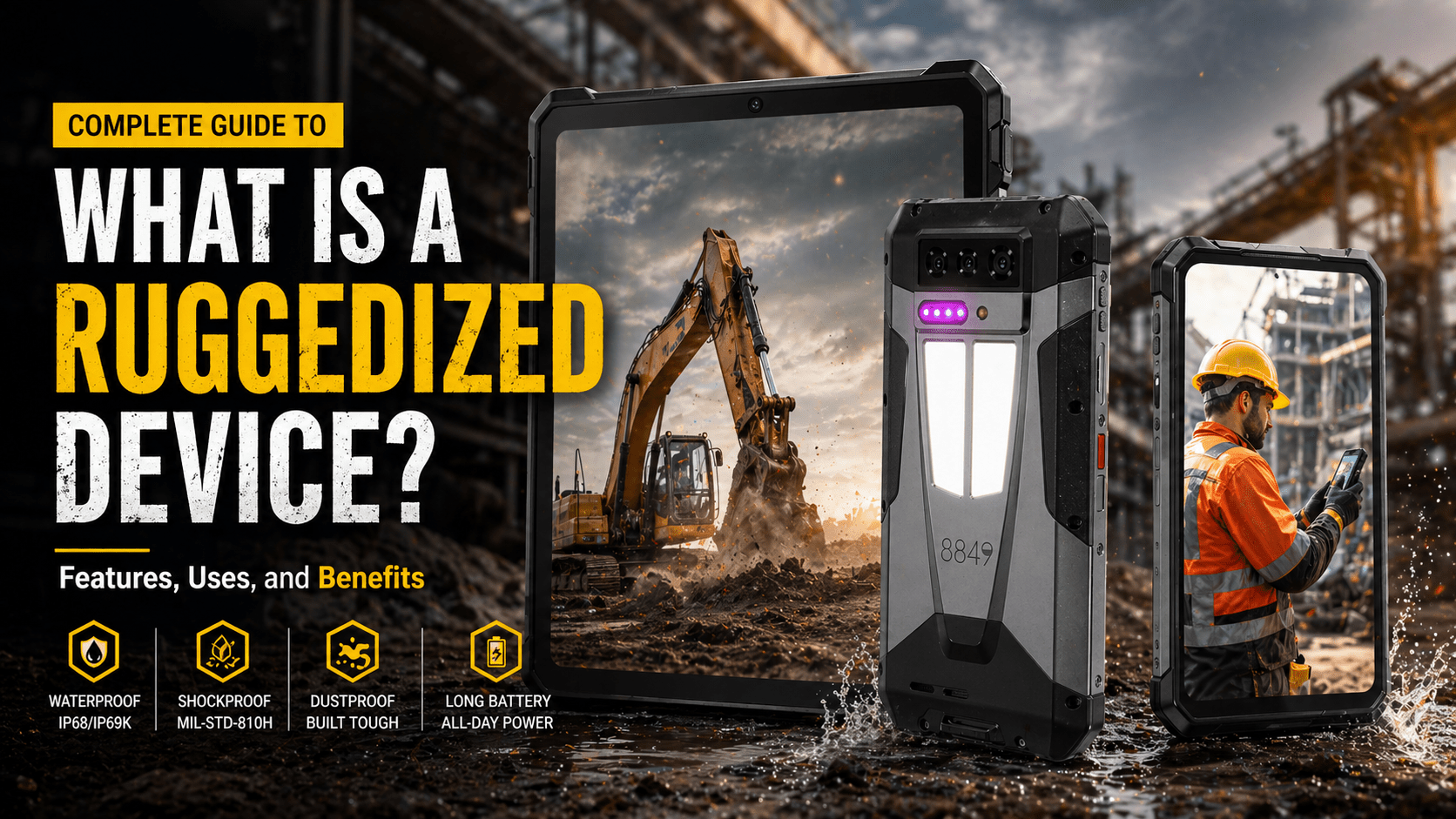
A ruggedized device is basically a phone, tablet, or handheld computer made to survive rough use, whether it’s being dropped, exposed to dust or water, or used in very hot or cold conditions. This is important if you work outside, on the shop floor, or in a busy warehouse. A regular consumer device can break, die, or run out of charge quickly.
Rugged gear is manufactured for jobs where functionality prevails over aestheticism. Over the next few years, you are going to see it utilized in logistics and warehousing, manufacturing, construction, field service, public safety, healthcare, and retail back rooms. Those teams need the last piece of gear they will rip out of its neat packaging in the middle of an event because it doesn’t stay on, doesn’t stay connected, and only lasts about one shift.
What is a Ruggedized Device?
A ruggedized device is built to keep working in places where normal tech fails. Its core purpose is simple: stay reliable in the field. It is designed for durability in extreme environments. It adds protection against dust, water, drops, and temperature shifts, so work does not stop after a hard hit or a wet day.
Consumer devices focus on thin design and comfort. Rugged models focus on survival and uptime. You often get reinforced frames, sealed ports, tougher screens, and parts made to handle shock and rough handling. This is why rugged devices are common in industrial and field operations, where gear is used all day, and mistakes cost time.
Types of Ruggedized Devices
Once you know what “rugged” means, the next step is picking the right device shape for the job. Most teams do not buy “a rugged level” in the abstract. They buy a rugged device type that fits the task, then confirm it can survive the real environment using ratings and test details.
Ruggedized phones
Ruggedized phones are a good fit when the job needs quick communication and fast data entry. Teams use them for calls, photos, work orders, and chat tools while moving between sites. They are designed to handle rough handling during a shift, so workers can keep going without stopping for repairs.
Ruggedized tablets
Ruggedized tablets work best when the screen must be larger for maps, checklists, inspections, or detailed forms. They are common in field work and vehicle use, where visibility and ease of typing matter. Many setups also rely on mounts and cases so the tablet stays secure during travel and daily vibration.
Ruggedized handheld computers and scanners
Handheld ruggedized computers are built for high-speed workflows like picking, receiving, and cycle counts. They often support faster scanning and tighter task flows than a standard phone. In busy warehouses and industrial spaces, this helps reduce delays and scanning errors.
Key Features of Rugged Devices

After you pick the rugged level and device type, the next step is to check the features that keep it alive on tough jobs. These traits decide if it lasts one shift or years.
- Durability and Build Quality
Durability starts with the frame and the screen. Solid housing helps it stay shockproof and vibration-resistant when it is dropped or used on moving gear.
- Environmental Resistance and Protection
Environmental protection keeps dirt and water out of ports and seams. Good sealing also helps the device handle rain, washdown, dust, and extreme temperatures without random failures.
- Battery Life and Performance
Battery life matters because field work is not near a charger. A long-lasting battery supports long routes, long shifts, and high screen use. Some models also support fast charging or battery swap to cut downtime.
- Enhanced Connectivity and Usability
Connectivity and ease of use keep work flowing. Glove touch helps in cold, wet, or safety gear. Sunlight-readable screens make forms and maps clear outdoors. Strong Wi‑Fi, cellular, and GPS help apps sync on the move. Many rugged units add loudspeakers, wet-mode audio, and physical keys, so workers can scan, talk, and log tasks fast in gloves.
Rugged Device Certifications and IP Ratings
Built-in ratings and certifications offer an easy way to verify claims regarding dust, water, and ruggedness before purchasing.
Understanding IP Ratings
An IP rating indicates the dust and water resistance of a device. It uses two numbers. The first number indicates the protection against solids such as dust. The second number is water. Higher numbers mean stronger protection. Depending on the device and its target usage, common examples of ratings include IP65, IP67, and IP68.
MIL-STD Certifications for Rugged Devices
Various tests fall under the MIL-STD umbrella, and they are designed to verify claims of “military-grade” durability. No doubt, the closest standard that comes to mind will be MIL‑STD‑810.
It is able to withstand dropping, shock and vibration, high temperature, low temperature, and humidity. There are all sorts of ways test methods can differ, so it helps to track what was tested, how, and with which data.
The Importance of Certifications
Ratings help you eliminate the guesswork from decision-making. They assist you in comparing various models and choosing a device that can withstand the actual conditions. Also, they present a clearer idea of how long a device is expected to function without problems and the chances that it will require repair in the field.
Rugged vs Non-Rugged Devices
After ratings and tests, it helps to compare rugged models with standard consumer devices in plain terms. This makes it easier to choose based on risk, work conditions, and total cost over time.
Performance and Durability Comparison
While consumer gadgets are mainly designed for light daily use, rugged ones can handle very tough conditions outdoors. They usually also have sturdier bodies, tighter mainboards, and greater protection against the ill effects of dropping, dust, and water. Such features limit breakdowns during work shifts and allow employees to remain fully engaged with their work.
Cost vs Value Analysis
Many times, rugged gadgets have a higher price than the regular ones. The difference in terms of value is the reduced number of breakdowns, repairs, and emergency replacements. When downtime is expensive, the savings in the long run can be more than the cost of buying new equipment.
Benefits of Rugged Devices
Once the build and protection features have been locked in, the next point of consideration is the business value. Rugged devices are mainly purchased to uphold the continuity of work and minimize exposure to risks.
- Increased Productivity and Efficiency: When devices fail less, teams lose fewer minutes to reboots, repairs, or phone swaps. That reduces downtime and keeps scans, tickets, and updates flowing during the shift.
- Cost Savings and Long-Term ROI: Though an initial investment might be higher, this can result in returns over a period. A lesser number of replacements and repairs contributes to a decrease in support operations, lesser emergency procurement, and device plans that are more stable. Besides, extending the use period of the device helps in easier standardization of training, accessories, and apps.
- Improved Worker Safety: For roles where safety is of utmost importance, having an out-of-order or damaged device may postpone a distress call or a recheck of a task. Constantly dependable equipment not only makes communication clearer but also ensures the correct execution of job steps and the regular availability of resources like maps, forms, and alerts during emergencies.
Use Cases for Rugged Devices
Once business value has been established, it is also essential to figure out where exactly rugged devices make an impact. The most compelling cases are roles where devices are accidentally dropped or exposed to dust or water, as well as those where devices are used for long hours away from the desk.
Logistics and Warehousing
Rugged devices are a great enabler for inventory management and monitoring in logistics and warehousing. Workers rely on them for picking, scanning, loading, and overall proof of delivery. The physical toughness of such devices is critical as they are handled quickly and around vehicles, docks, and cold storage.
Construction and Industrial Work
Rugged equipment on construction sites and factory floors is vital for the collection of data at the location. One of the main uses by the field workers is for work orders, photos, checklists, and getting updates from the floor. The device should be operable even when a person is wearing gloves, capable of resisting the effect of vibrations, and still readable under bright sunlight.
Healthcare, Retail, and Public Safety
In healthcare and retail environments, mobile devices are instrumental in managing some of the most vital operations, such as task scheduling, inventory checks, and patient management. In the field of public safety, a dependable device is essential for keeping officers connected during situations that change rapidly and where any failure can mean serious danger.
Best Ruggedized Devices for Harsh Environments
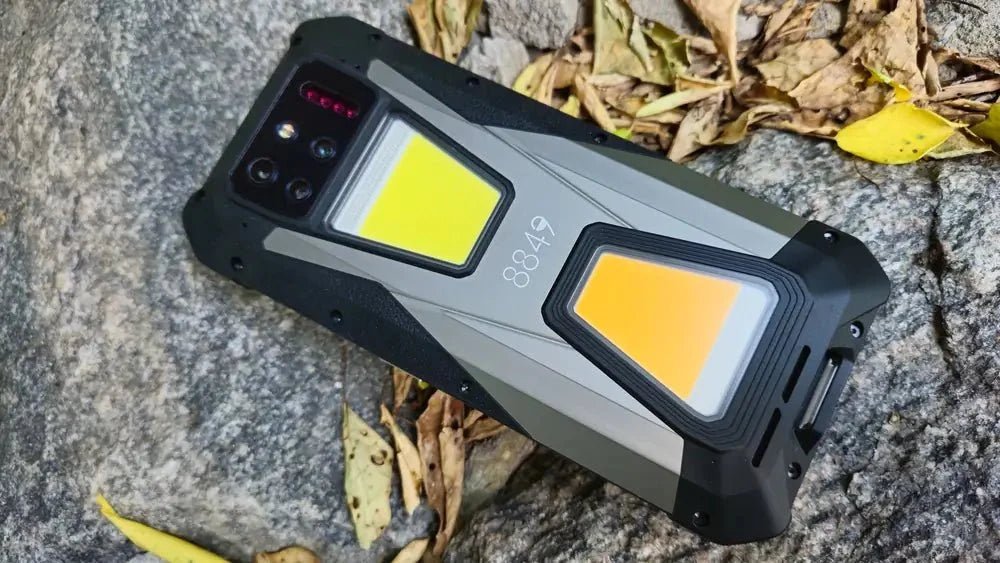
When it comes to ruggedized devices, 8849 phones are engineered to withstand not only harsh conditions but also to offer excellent performance and long-lasting battery life.
8849 Tank 3 Pro
The 8849 Tank 3 Pro is a rugged, high-end device aimed at users who require a durable phone in really tough environments. It’s equipped with a 23800mAh battery, 5G connectivity, 16GB RAM, and 512GB storage, and has IP68/IP69K and MIL-STD-810H certifications for physical protection.
8849 Tank 4 Pro
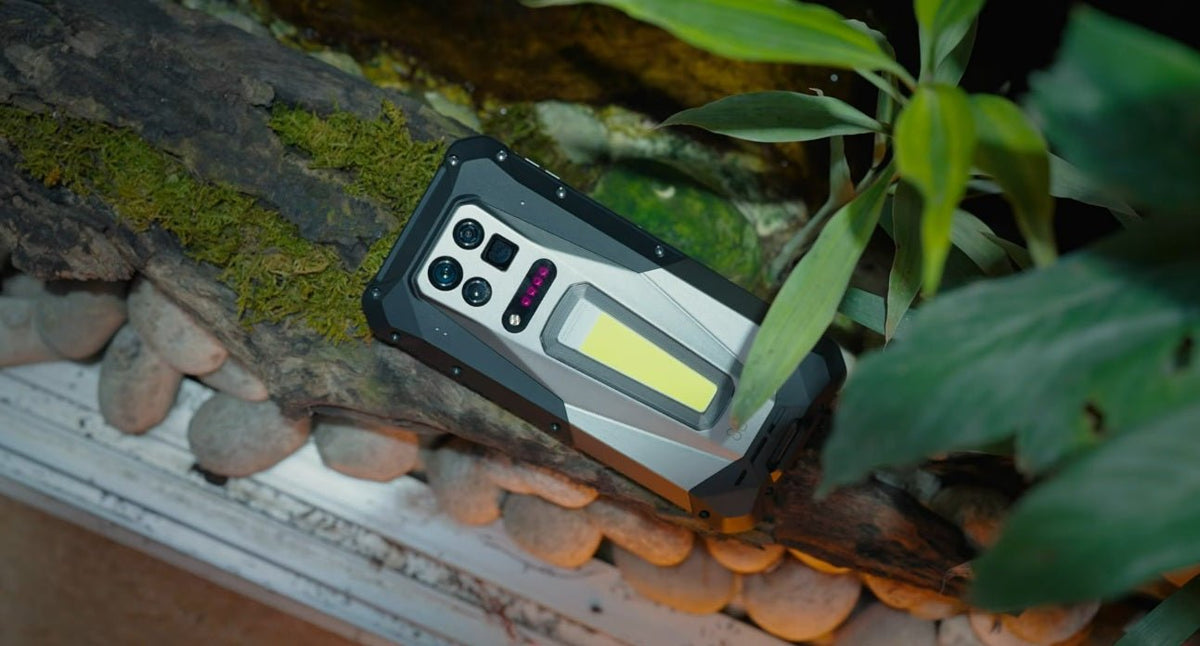
The 8849 Tank 4 Pro is a rugged smartphone built for demanding field use. It is one of the current flagship models in the 8849 Tank lineup. It fits roles where teams need a reliable phone that handles drops, dust, and long shifts without failing. It is a stronger buy than older models because it carries a longer support runway and better availability. Before finalising your order, check its IP rating and durability test details against your exact work environment.
8849 Tank Pad Ultra
The 8849 Tank Pad Ultra is the flagship rugged tablet option from 8849. It fits teams that need a larger screen for forms, checklists, maps, and inspections on-site. It is built for workers who rely on clear visibility and steady performance across full shifts in industrial or outdoor settings. As with any rugged device, match the specs and ratings to the conditions the tablet will face daily.
8849 phones do not simply look rugged; they are tested to match real-world conditions where ordinary phones can’t cope. Equipped with tight security, hefty batteries, and consistent performances, these devices become an aid in minimizing downtime and facilitating smooth working processes.
Conclusion
Ruggedized technology is definitely a wise investment if your job is carried out in harsh environments. In very challenging conditions such as heat, dust, water, and drops, a ruggedized device will allow frontline teams to continue their work.
It enables working in logistics, construction, healthcare, retail, and public safety, where downtime is very expensive and risk is very high. It may not be the cheapest option upfront, but according to the latest trends, it can save you money in the long run due to fewer repairs and better uptime.
Identify the device that is suitable for a particular job. Take notice of the environment, the specifications, and the certifications. Finally, determine the build that is compatible with your work hours, your applications, and your overall budget.
FAQs
What are ruggedized electronics?
Ruggedized electronics include all devices that include smartphones, tablets, and laptops, which manufacturers designed to withstand water, dust, and shock damage from environmental conditions.
Share:
AMOLED vs LCD Display: Which Is Better?
A Guide to FIFA World Cup 2026 Outdoor Watch Party