

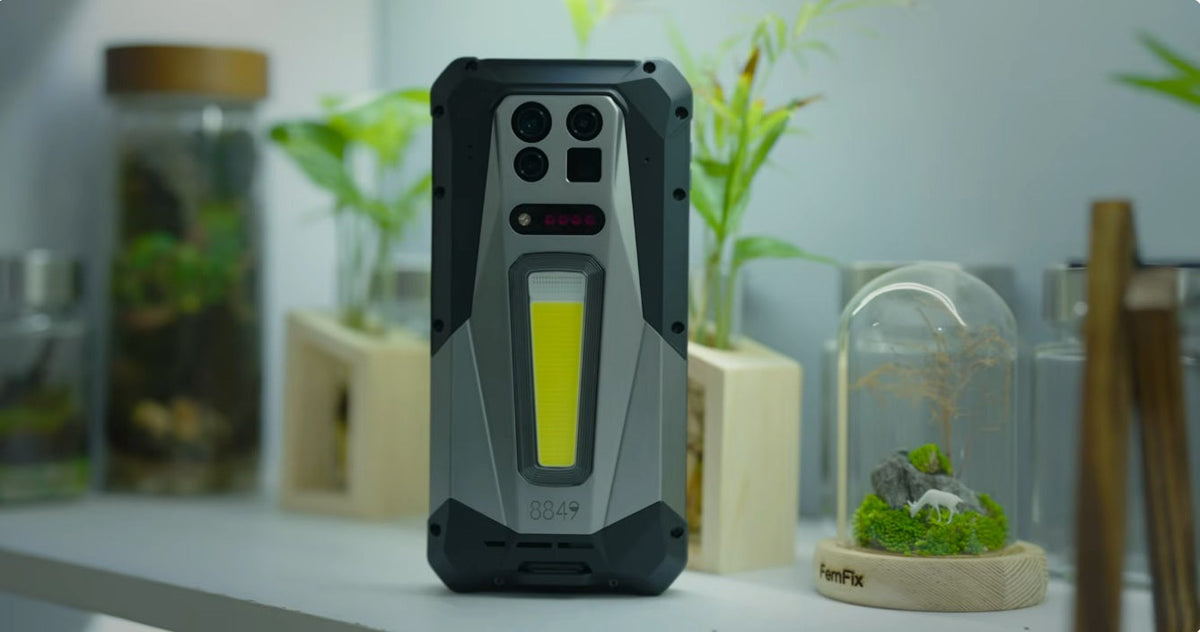
Heavy-duty phones are designed for people who need a device that can handle more demanding conditions than a regular smartphone. Whether used on construction sites, in industrial workplaces, or during outdoor activities, these phones offer a more durable design and practical features to support everyday communication in challenging environments. With stronger protection against drops, water, dust, and other potential hazards, heavy-duty phones provide a reliable option for users who need their phones to work beyond ordinary conditions.
What Are Heavy-Duty Phones?
Heavy-duty phones are mobile devices designed to withstand demanding environments and more intensive use than ordinary smartphones. Although the term does not refer to a formally defined smartphone category, it is commonly associated with rugged phones built with reinforced frames, durable materials, and additional protection against water, dust, drops, and impacts. These devices are intended for people who work in challenging conditions or spend considerable time outdoors, where a regular smartphone may not offer sufficient durability. In this sense, heavy-duty phones and rugged phones share many of the same characteristics, making them closely related terms.
Key Features of Heavy-Duty Phones
Heavy-duty phones are built differently from conventional smartphones, with their designs and hardware focusing on durability, reliability, and practical performance. While specifications vary between models, several features are commonly found in this type of device.
Reinforced Construction
Heavy-duty phones usually feature reinforced frames, thickened corners, and durable materials designed to withstand accidental drops and impacts. Some models also use strengthened screen glass and protective structures to reduce the risk of damage during demanding work or outdoor activities.
Water and Dust Resistance
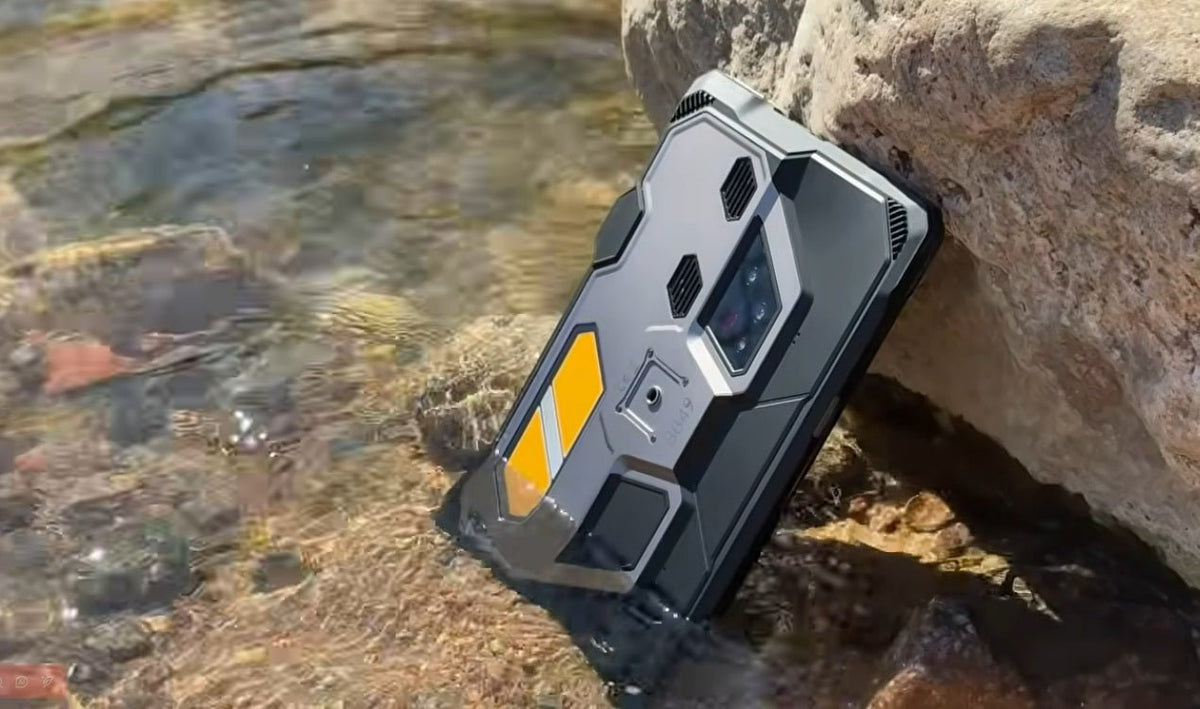
Protection against water and dust is another important characteristic. Many heavy-duty phones carry IP68 or IP69K ratings, indicating different levels of protection against dust, water immersion, and high-pressure water jets. These ratings make them more suitable for wet, dusty, and challenging environments.
Shock and Drop Protection
Unlike ordinary smartphones, heavy-duty phones are designed to handle physical impacts more effectively. Some models undergo MIL-STD-810H testing, which evaluates resistance to environmental stresses such as vibration, shock, and temperature changes. This additional protection can be particularly useful on construction sites and in industrial workplaces.
Large Battery Capacity
Battery life is another major consideration. Heavy-duty phones often come with larger batteries than conventional smartphones, allowing them to operate for longer periods without frequent charging. This is especially useful for workers and outdoor users who may spend extended periods away from power outlets.
Practical Hardware and Connectivity
Many heavy-duty phones offer additional hardware features beyond standard smartphone functionality. Depending on the model, these may include programmable buttons, enhanced speakers, night vision cameras, thermal imaging, or specialized navigation tools. These features can make the devices more useful for specific professional tasks and outdoor applications.
Heavy-Duty Phones vs. Regular Smartphones
The main difference between heavy-duty phones and regular smartphones lies in their design priorities. Regular smartphones generally focus on slim designs, everyday convenience, camera quality, and general performance. Heavy-duty phones, on the other hand, place greater emphasis on physical protection, battery endurance, and practical functionality in demanding environments. Although both types can handle everyday communication and mobile applications, their hardware and capabilities can differ considerably.
| Key Factors | Heavy-Duty Phones | Regular Smartphones |
|---|---|---|
| Build Quality | Reinforced frames, thicker bodies, and durable materials | Slim designs with standard materials |
| Water and Dust Resistance | Often IP68 or IP69K rated | Varies, commonly IP67 or IP68 |
| Drop Protection | Designed to withstand drops and physical impacts | More vulnerable to accidental drops |
| Battery Capacity | Often features larger batteries for extended use | Generally prioritizes a balance between size and battery life |
| Special Features | May include thermal imaging, night vision, projectors, and programmable buttons | Usually focuses on conventional smartphone features |
| Target Users | Construction workers, industrial professionals, and outdoor enthusiasts | General consumers and everyday users |
These differences do not mean that heavy-duty phones are superior in every aspect. Regular smartphones often offer slimmer designs, lighter bodies, and more advanced mainstream camera systems. However, heavy-duty phones provide additional protection and specialized hardware that can be valuable in environments where ordinary smartphones may struggle. For users who prioritize durability and practical functionality over a conventional smartphone design, heavy-duty phones can be a more suitable option.

Benefits of Using Heavy-Duty Phones
Heavy-duty phones offer several practical advantages for users who work or spend time in demanding environments. Their durable construction and specialized features can make everyday tasks easier while reducing some of the risks associated with using conventional smartphones.
- Greater reliability in demanding environments: Reinforced construction and environmental protection help heavy-duty phones operate in workplaces with dust, moisture, vibration, and physical impacts.
- Reduced risk of accidental damage: Stronger frames, reinforced screens, and drop protection help minimize damage from everyday accidents.
- Longer operating time: Large battery capacities allow users to stay connected for extended periods without needing frequent recharging.
- Better suitability for outdoor and industrial work: Water resistance, dust protection, and specialized hardware make these devices practical for construction sites, warehouses, and outdoor fieldwork.
- Lower potential repair and replacement costs: Greater physical durability can reduce the frequency of damage-related repairs and the need to replace devices prematurely.
Overall, heavy-duty phones provide a combination of durability and practical functionality that makes them a useful choice for people who need more than a standard smartphone can offer.
Common Uses of Heavy-Duty Phones
Heavy-duty phones are useful in situations where ordinary smartphones may not provide enough physical protection or battery endurance. Their durability and specialized hardware make them suitable for a range of professional and outdoor applications.
Construction and Engineering
Construction sites often expose mobile devices to dust, debris, vibration, and accidental drops. Heavy-duty phones provide better protection in these conditions, allowing workers and engineers to communicate, check project information, and take site photos without worrying as much about everyday physical damage.
Industrial and Warehouse Operations
In factories and warehouses, workers need reliable mobile devices for communication, inventory management, and daily operations. Heavy-duty phones can handle demanding working environments where dust, moisture, and frequent handling are common.
Outdoor Adventures and Fieldwork
For hikers, campers, and outdoor enthusiasts, heavy-duty phones offer a more durable option for staying connected away from urban environments. Large batteries, GPS navigation, water resistance, and additional features such as night vision or thermal imaging can also provide practical support during outdoor activities.
Emergency Response and Public Safety
Emergency responders and public safety personnel often work in unpredictable conditions. Heavy-duty phones can provide reliable communication and access to important information in environments involving rain, dust, impacts, or other physical challenges. Some models also offer specialized lighting and imaging features that can be useful during nighttime operations.
Transportation and Logistics
Drivers, delivery personnel, and logistics workers frequently use mobile devices for navigation, route management, and communication. Heavy-duty phones are better equipped to handle constant movement, repeated handling, and occasional drops, making them a practical choice for demanding transportation work.
Tank 5 Pro: A Reliable Heavy-Duty Phone

The Tank 5 Pro stands out among modern rugged smartphones by combining extreme durability with professional-grade tools that go far beyond basic toughness. Designed for field engineers, outdoor professionals, and anyone who works in demanding environments. It’s built for people who need a phone that can survive drops, dust, water, and long days on the job while also delivering specialized capabilities that replace multiple separate devices.
- ✅Ultra-wide thermal imaging – Equipped with a FLIR Lepton 3.1R sensor offering a 95° field of view (nearly double that of most thermal phones), native 160×120 resolution enhanced to 480×360, and sensitivity under 50mK. Ideal for spotting heat loss, electrical issues, moisture, or equipment faults quickly.
- ✅Built-in 2K projector – 2K (2048×1080) DLP projector in a phone, delivering 220 lumens with laser autofocus, keystone correction, and up to 5–6 hours of projection time. Doubles as a high-intensity flashlight and laser rangefinder.
- ✅eSIM support – Flexible connectivity with dual Nano-SIM, Nano + eSIM, or Nano + eSIM + microSD options, making it easy to switch carriers or stay connected while traveling without swapping physical SIM cards.
- ✅Massive battery and fast charging – 17,600mAh capacity with 120W charging that reaches full in about 90 minutes, plus 25W reverse charging to power other devices in the field.
- ✅Flagship performance and display – MediaTek Dimensity 9400e chipset, up to 18GB RAM + 1TB storage, and a 6.73-inch 3K AMOLED screen peaking at 3000 nits for clear outdoor visibility.
👉Read More: 8849 Tank 5 Pro Review
Final Thoughts
Heavy-duty phones provide a practical solution for people who need a more durable and reliable mobile device. With reinforced construction, water and dust resistance, larger batteries, and specialized hardware, they are designed to handle conditions that may be challenging for ordinary smartphones.
Whether you work in construction, industrial operations, transportation, or enjoy outdoor activities, a heavy-duty phone can offer additional protection and functionality. Many rugged phones, including those from 8849, combine durability with modern smartphone capabilities to support different working and outdoor needs.
FAQs About Heavy-Duty Phones
Are Heavy-Duty Phones Waterproof?
Many heavy-duty phones offer water resistance, with some carrying IP68 or IP69K ratings. These certifications indicate protection against specific water exposure conditions, such as immersion or high-pressure water jets. However, water resistance does not mean a phone is completely waterproof, and actual protection depends on its rating and testing conditions.
Are Heavy-Duty Phones Suitable for Everyday Use?
Yes. Heavy-duty phones can handle everyday tasks such as calling, messaging, browsing, photography, and using mobile applications. For example, rugged phones combine standard smartphone functionality with additional physical protection, making them suitable for both daily use and demanding environments. Although they may be thicker and heavier than conventional smartphones, they offer greater durability for users who value reliability.

Share:
4 Rugged Devices Comparison: Which One to Choose?