

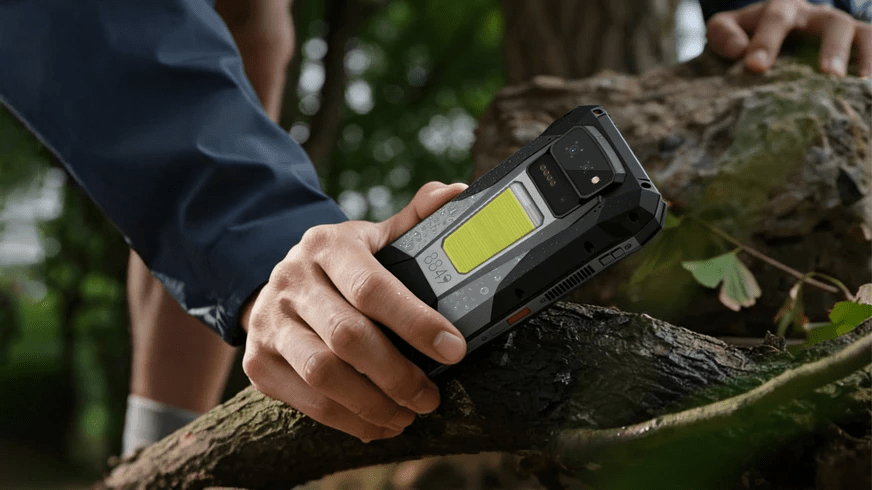
Modern technology is used everywhere. However, standard consumer electronics are not always designed to handle harsh conditions such as dust, water, drops, vibration, or extreme temperatures. This is where rugged devices come in. Built with reinforced structures and specialized protective features, rugged devices are designed to operate reliably in environments where ordinary electronics might fail. From field workers and engineers to outdoor adventurers and emergency responders, these durable devices play an increasingly important role in keeping people connected and productive in challenging conditions.

What is a Rugged Device?
A rugged device is an electronic device specifically engineered to operate reliably in harsh environments where ordinary consumer electronics are likely to fail.
Unlike standard smartphones, tablets, or laptops designed mainly for everyday indoor use, rugged devices are built with reinforced housings, sealed components, and specialized protection against water, dust, drops, and extreme temperatures.
Because of this durability, they are widely used in industries such as construction, manufacturing, logistics, field services, and outdoor exploration, anywhere technology must continue working even in demanding real-world conditions.
Key Features of Rugged Devices
Rugged devices are designed to perform reliably in environments where standard electronics often struggle. Their durability comes from a combination of structural design, protective materials, and engineering standards that allow them to withstand physical stress and environmental exposure. Below are some of the key features that distinguish rugged devices from regular consumer electronics.
Durability and Reinforced Construction
One of the most noticeable characteristics of rugged devices is their reinforced build. These devices often use stronger materials such as metal frames, thickened housings, and rubberized edges to absorb impacts. The internal components are also secured more tightly than in typical consumer devices, reducing the risk of damage when the device is dropped or exposed to vibration.
Water and Dust Resistance
Many rugged devices are designed with sealed ports and protective membranes that prevent dust, dirt, and water from entering sensitive components. This protection is commonly measured through IP (Ingress Protection) ratings, which indicate how well a device can resist particles and liquids. For example, a device with a high IP rating can continue operating even in rainy environments, dusty construction sites, or muddy outdoor conditions.
Shock and Drop Protection
Accidental drops are one of the most common causes of device failure. Rugged devices are typically tested to survive multiple drops from specific heights onto hard surfaces such as concrete. Shock-absorbing materials and reinforced corners help distribute impact forces, allowing the device to keep functioning after falls that would likely break a standard phone or tablet.
Extended Battery Life
Many rugged devices are equipped with larger batteries compared with typical consumer electronics. This is especially useful for workers or travelers who spend long hours in the field where charging opportunities may be limited. Some rugged devices are designed to last several days on a single charge, making them reliable tools for remote environments.
Extreme Temperature Operation
Rugged devices are also built to operate across a wider temperature range than regular electronics. Whether used in freezing outdoor environments or hot industrial sites, these devices are designed to maintain stable performance without shutting down or suffering battery failure due to temperature extremes.
Types of Rugged Devices
Rugged technology is not limited to a single type of product. Over time, manufacturers have developed rugged versions of many common computing devices so that professionals and outdoor users can rely on them in demanding environments. Today, rugged devices range from smartphones and tablets to full-sized laptops used in industrial and field operations.
Rugged Smartphones
Rugged smartphones are one of the most widely used rugged devices today. They offer the portability and connectivity of a regular smartphone but are built with reinforced housings, sealed ports, and stronger internal structures. Many rugged phones are designed to survive drops, resist water and dust, and operate in environments where traditional phones might quickly fail. Because of their durability and mobility, they are commonly used by construction workers, field technicians, outdoor explorers, and emergency responders.

8849 Tank X – IP68 & IP69K Waterproof Rugged Phone
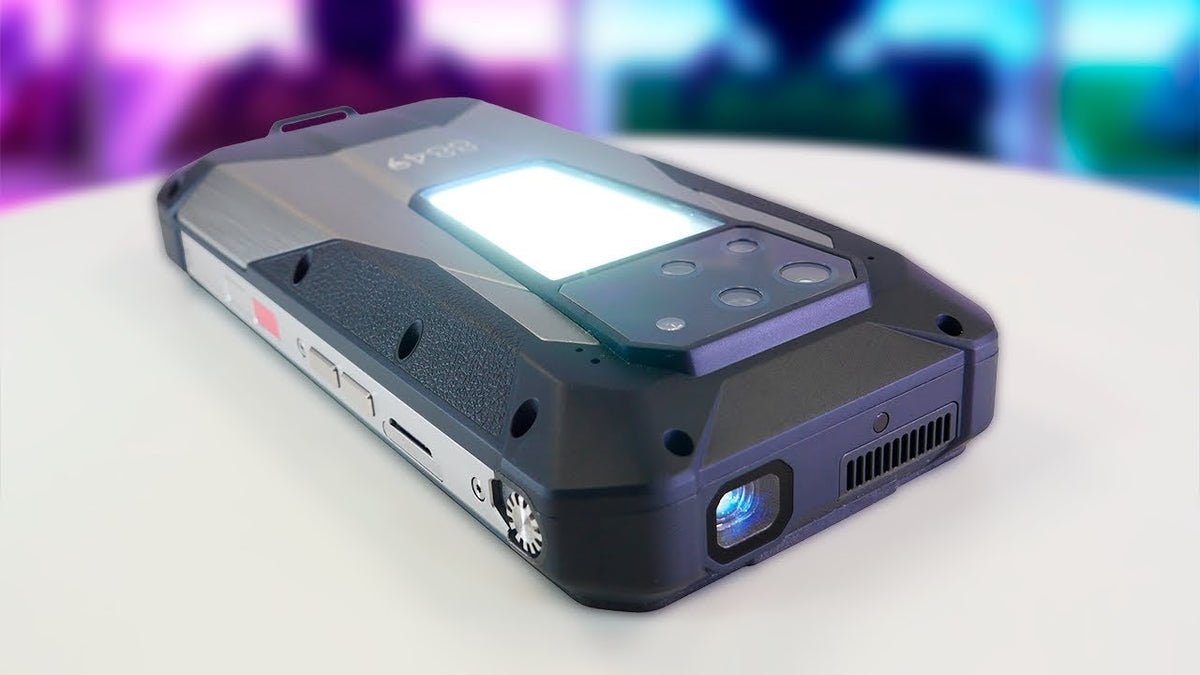
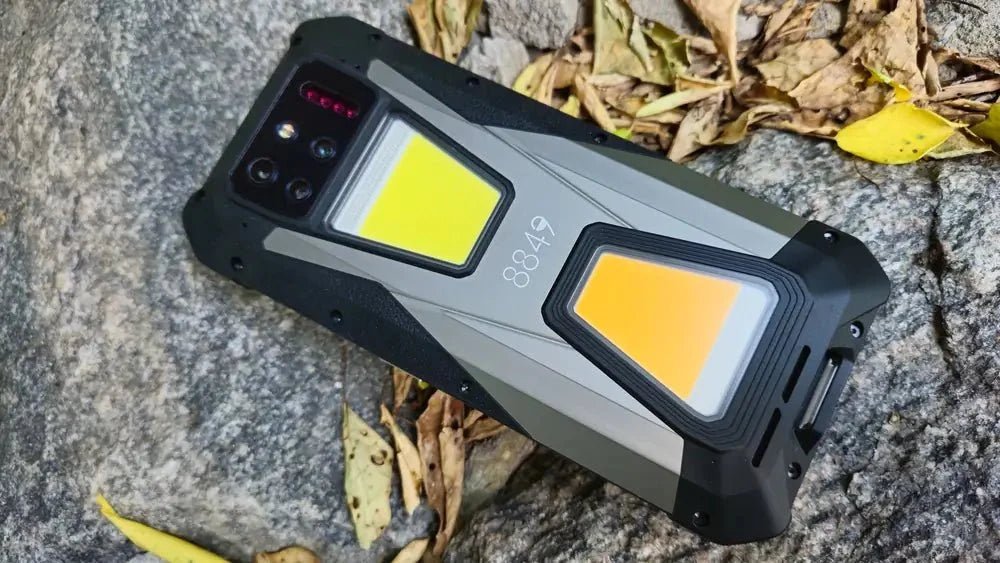
In addition to durability, modern rugged smartphones often include specialized features designed for outdoor or field work. For example, the 8849 TANK X Rugged Projector Phone combines a rugged build with a built-in 220-lumen DLP projector capable of 1080P playback, allowing users to project presentations, maps, or videos directly from our phone. It also includes a 17,600 mAh high-capacity battery, a 6.78-inch 120 Hz display, and advanced cameras including night-vision support, making it suitable for outdoor work, camping, field education, and mobile presentations.
Rugged Tablets
Rugged tablets provide a larger screen than smartphones while maintaining the durability required for challenging environments. These devices are often used in industries such as logistics, warehouse management, transportation, and field inspections. Workers can use them to access digital manuals, complete inspection reports, or manage inventory while working outdoors or on industrial sites.

8849 Tank Pad Rugged Tablet
Compared with standard consumer tablets, rugged tablets typically include reinforced frames, thicker protective casings, and sealed interfaces. Many models like 8849 Tank Pad Rugged Tablet also support glove-friendly touchscreens, hot-swappable batteries, and enhanced connectivity features for reliable use in the field.
🎯Read More: What Are Rugged Phones?
Rugged Laptops
Rugged laptops are designed for professionals who need the full computing power of a traditional laptop but must work in demanding conditions. These devices are commonly used in sectors such as military operations, engineering, oil and gas, and public safety.
Compared with standard laptops, rugged versions usually feature shock-mounted internal components, spill-resistant keyboards, sunlight-readable displays, and reinforced hinges. While they tend to be heavier than consumer laptops, their durability and reliability make them essential tools for field operations where equipment failure can interrupt critical work.
Rugged Handheld Terminals (Industrial PDAs)
Rugged handheld terminals—often called industrial PDAs—are specialized devices widely used in logistics, retail, and warehouse management. These devices typically include integrated barcode scanners, RFID readers, and industrial-grade batteries designed for long work shifts.
Because they are frequently used in warehouses and delivery environments, rugged handheld terminals are designed to withstand repeated drops, vibrations, and continuous daily use. Their compact size and integrated scanning capabilities make them particularly useful for inventory management and real-time data collection.
Rugged Wearables and Specialized Devices
Beyond phones, tablets, and laptops, rugged technology also extends to specialized equipment such as rugged smartwatches, body cameras, and handheld GPS units. These devices are often designed for niche professional roles, including emergency services, outdoor research, and military operations.
Although their functions may vary, they share the same core rugged design principles: strong construction, environmental protection, and reliable operation in conditions where ordinary electronics would struggle.
Benefits of Using Rugged Devices
Rugged devices are designed to solve a practical problem: standard electronics often fail when used in demanding environments. By combining durable construction with specialized engineering, rugged devices provide several advantages for professionals and outdoor users who depend on reliable technology in the field.
Greater Durability and Reliability
One of the main benefits of rugged devices is their ability to withstand physical stress. Reinforced housings, shock-absorbing materials, and sealed components allow these devices to survive drops, vibrations, dust, and water exposure. As a result, they are far less likely to fail in environments such as construction sites, factories, or outdoor expeditions where ordinary electronics might quickly break.
Lower Long-Term Replacement Costs
Although rugged devices often have a higher upfront cost than consumer electronics, they can reduce expenses over time. Their durable construction means fewer repairs, replacements, and interruptions caused by damaged equipment. For businesses that rely on mobile technology in the field, this reliability can significantly reduce operational downtime.
Reliable Performance in Harsh Environments
Rugged devices are engineered to operate in a wide range of environmental conditions. Whether used in freezing outdoor weather, hot industrial environments, or dusty work sites, these devices are designed to maintain stable performance. Features such as sealed ports, high IP ratings, and extended operating temperature ranges ensure that the device continues functioning when it is needed most.
Longer Battery Life for Field Work
Many rugged devices are equipped with larger batteries or power-efficient designs to support extended use. This is especially valuable for workers who spend long hours away from charging stations, such as field technicians, delivery drivers, or outdoor researchers. A longer battery life allows users to stay connected and complete tasks without frequent interruptions.
Extended Device Lifespan
Because rugged devices are built with stronger materials and protective designs, they often have a longer usable lifespan compared with standard consumer devices. Instead of replacing equipment every few years due to damage or wear, users can rely on rugged devices for extended periods, making them a practical choice for both professional and outdoor applications.
Conclusion
Rugged devices are built to deliver reliable performance in environments where ordinary electronics may struggle. With reinforced construction, environmental protection, and long-lasting power, devices such as rugged smartphones, tablets, and laptops provide dependable tools for professionals and outdoor users alike. As technology continues to advance, rugged devices are becoming increasingly powerful while maintaining the durability needed for demanding real-world conditions.
FAQs About Rugged Devices
1. What is considered a rugged device?
A rugged device is an electronic device specifically designed to operate reliably in harsh environments where standard consumer electronics might fail. These devices typically feature reinforced construction, sealed components, and protective certifications such as IP ratings for water and dust resistance or military-grade drop testing. Rugged smartphones, tablets, laptops, and handheld terminals are common examples used in industries like construction, logistics, and field services.
2. Are rugged devices waterproof?
Many rugged devices are designed to resist water, but not all of them are completely waterproof. Most manufacturers indicate water resistance using IP (Ingress Protection) ratings. For example, devices rated IP67 or IP68 can usually withstand immersion in water for a limited time and depth. However, “water-resistant” does not mean the device is designed for continuous underwater use unless specifically stated.
3. Why are rugged devices more expensive?
Rugged devices often cost more than regular consumer electronics because they require specialized engineering and materials. Manufacturers use reinforced frames, thicker protective housings, sealed components, and extensive durability testing to ensure reliability in demanding conditions. While the initial purchase price may be higher, rugged devices often last longer and require fewer repairs or replacements.
4. Are rugged devices only for industrial workers?
No. While rugged devices are widely used in industries such as construction, manufacturing, and logistics, they are also popular among outdoor enthusiasts and travelers. People who enjoy camping, hiking, off-road exploration, or other outdoor activities often prefer rugged devices because they are less likely to be damaged by drops, rain, or dust.
Share:
What Are Rugged Phones?
What Are Rugged Tablets?