

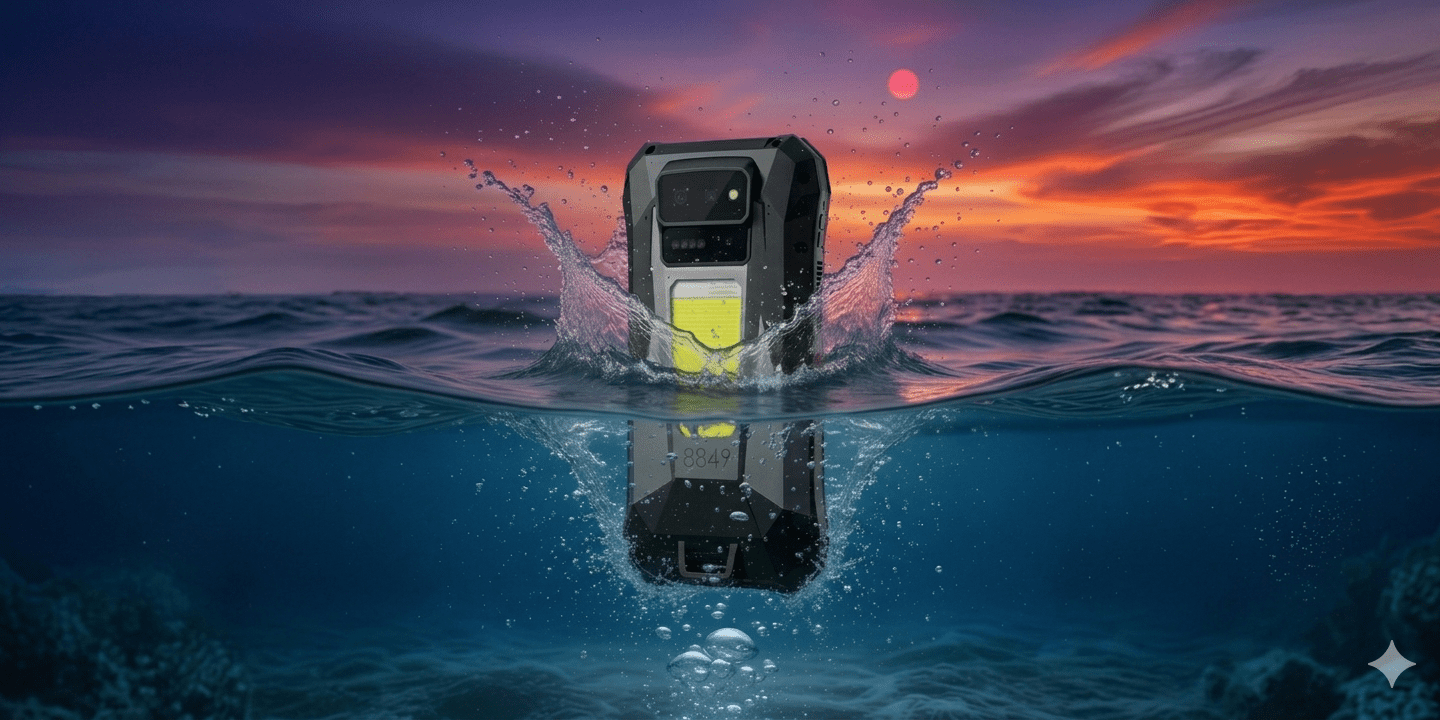
Modern smartphones are no longer just communication tools; they are expected to perform reliably in a wide range of environments, from rainy commutes to dusty outdoor worksites. As a result, durability has become a key consideration for many users, especially those who rely on their devices in demanding conditions. This is where IP ratings come into play, offering a standardized way to measure how well a phone can resist external elements like dust and water.
However, terms like IP68 and IP69K are often misunderstood or oversimplified, leading to confusion about what these ratings actually guarantee in real-world use. In this article, we will break down what IP ratings mean for phones, explain the differences between IP68 and IP69K, and help you understand which level of protection is best suited to your needs.
What Is an IP Rating?
An IP rating, short for Ingress Protection, is an international standard developed by the International Electrotechnical Commission (IEC) to define how well a device is protected against the intrusion of solid particles and liquids.
Originally designed for industrial and electrical equipment, this system has become widely adopted in consumer electronics, including smartphones, to provide a clear and measurable indication of durability. In simple terms, an IP rating tells you how resistant a phone is to dust, dirt, and water exposure under controlled testing conditions.

How to Read an IP Rating?
An IP rating typically appears as “IP” followed by two digits, such as IP68 or IP69K. Each digit represents a different type of protection.
In some cases, you may see an IP rating written with an "X", such as IPX6 or IP6X. The "X" simply means that the device has not been tested for that specific category, rather than indicating no protection. For example, IPX6 means the device is tested for water resistance but not officially rated for dust protection, while IP6X means it is fully dust-tight but has not been tested for water resistance.
This distinction is important when evaluating a phone’s durability, as a missing rating does not necessarily reflect poor performance. It may only indicate that certification was not pursued for that aspect.
The first digit indicates protection against solid particles:
- 0 – No protection
- 1 – Protection against objects larger than 50 mm (e.g., hands)
- 2 – Protection against objects larger than 12.5 mm (e.g., fingers)
- 3 – Protection against objects larger than 2.5 mm (e.g., tools, wires)
- 4 – Protection against objects larger than 1 mm (e.g., small wires)
- 5 – Limited dust protection (some dust may enter, but not enough to harm the device)
- 6 – Completely dust-tight (no dust ingress)
The second digit indicates protection against liquids:
- 0 – No protection
- 1 – Protection against vertically dripping water
- 2 – Protection against dripping water when tilted up to 15°
- 3 – Protection against spraying water
- 4 – Protection against splashing water from any direction
- 5 – Protection against low-pressure water jets
- 6 – Protection against powerful water jets
- 7 – Protection against temporary immersion in water
- 8 – Protection against continuous immersion (conditions vary by manufacturer)
- 9 / 9K – Protection against high-pressure, high-temperature water jets
Understanding these two digits is essential, as they form the foundation for interpreting ratings like IP68 and IP69K in real-world scenarios.
What Does IP68 Mean for Phones?
An IP68 rating is the gold standard for premium and rugged smartphones, indicating the highest level of protection against solids and liquids.
- The "6" signifies a dust-tight construction that prevents any particulate ingress
- The "8" confirms the device can survive immersion in freshwater, typically up to 1.5 meters for 30 minutes
This protection significantly extends the phone's lifespan by shielding internal components from invisible debris and moisture-driven corrosion.
However, it is important to distinguish "water-resistant" from "waterproof." These ratings are achieved in controlled laboratory conditions using still, freshwater; real-world factors like high water pressure, extreme temperatures, or chemicals in salt and chlorinated water can still compromise the seals.
While IP68 provides a vital safety net against rain, spills, and accidental drops, it serves as a benchmark for durability rather than an invitation for intentional underwater use.
What Is IP69K and How Is It Different?
IP69K represents one of the highest levels of ingress protection currently defined, originally developed for equipment used in demanding industrial environments such as food processing, agriculture, and heavy machinery.
Unlike IP68, which focuses on immersion, IP69K is designed to ensure resistance against high-pressure, high-temperature water jets. Devices with this rating are tested against water sprayed at close range from multiple angles, often at temperatures up to 80°C and under significant pressure.

For smartphones, IP69K introduces an additional layer of durability that goes beyond typical consumer needs. It ensures that the device can withstand not only water exposure but also forceful cleaning processes or harsh environmental conditions where water impact is intense.
This is particularly relevant for users working in construction, manufacturing, or outdoor industries, where devices may be exposed to mud, grease, or contaminants that require thorough washing.
The key difference between IP68 and IP69K lies in the type of protection offered. While IP68 ensures survival during submersion, IP69K focuses on resistance to external water force and heat.
Devices that carry both ratings are therefore equipped to handle a broader range of real-world challenges, combining deep sealing against water ingress with structural resilience against pressure and temperature variations.
Where Do We Use IP Ratings?
IP ratings serve as a universal benchmark for equipment durability, ensuring safety and performance across environments where dust and moisture are unavoidable. While most familiar in consumer electronics, helping users gauge a device's resistance to rain or spills, these standards are equally vital for maintaining the long-term reliability of mission-critical hardware in harsher settings.
- Consumer & Wearable Tech: Provides essential protection for smartphones, smartwatches, and fitness trackers against sweat, heavy rain, and accidental immersion during daily use or sports.
- Industrial & Infrastructure: Shields factory sensors, 5G telecommunications gear, and outdoor security cameras from fine particulates, high-pressure washdowns, and constant environmental exposure.
- Transport & Marine: Ensures the functionality of automotive LiDAR, EV battery enclosures, and navigation systems by resisting road spray, mud, and corrosive salt air.
- Medical & Specialized Labs: Enables high-precision diagnostic tools and laboratory instruments to withstand rigorous chemical disinfection and sterilization processes without internal damage.
A Practical Option to Consider - TANK 4 Pro
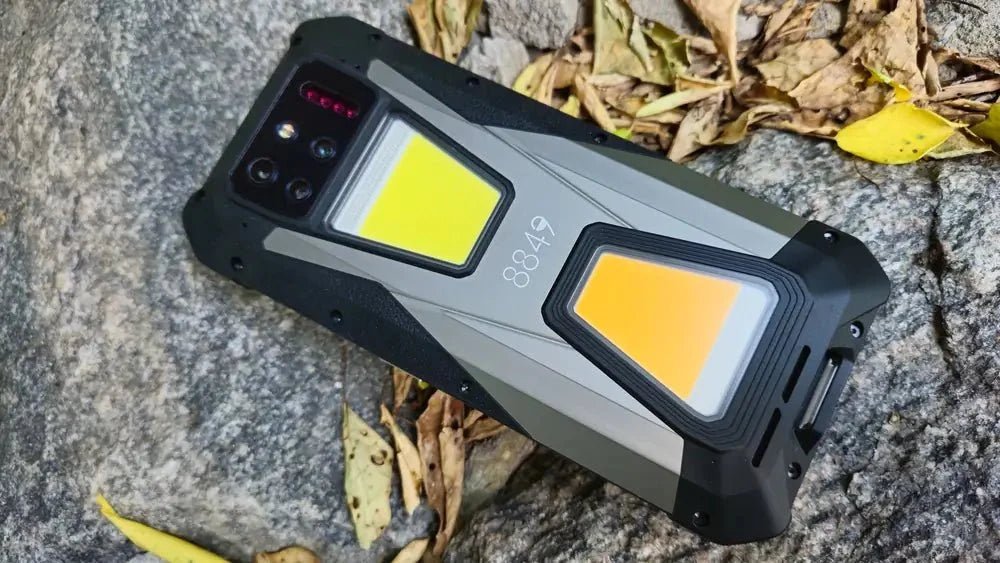
For users who require both high-level ingress protection and real-world functionality, rugged smartphones offer a more comprehensive solution. Devices that combine IP68 and IP69K ratings are designed not only to survive environmental exposure but also to perform reliably in demanding scenarios such as outdoor work, travel, or industrial use.

Core features of TANK 4 Pro:
✅IP68 & IP69K protection for dust-tight sealing and resistance to high-pressure water jets
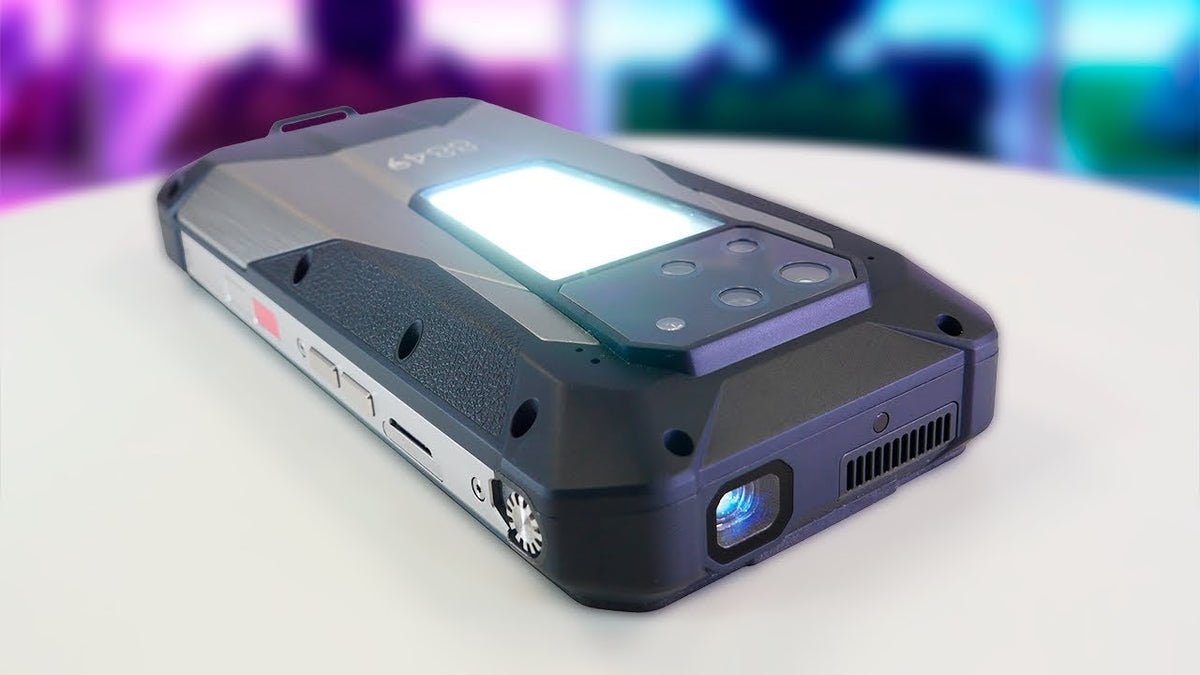
✅Built-in 720p projector (100 lumens) for on-the-go presentations and media viewing
✅11,600mAh large battery with fast charging for extended outdoor use
✅6.73-inch AMOLED display delivering sharp visuals and smooth interaction
✅Up to 18GB RAM and 1TB storage for multitasking and heavy workloads
✅Night vision camera enabling visibility in low-light or no-light environments
If you are using rugged devices in your daily work or outdoor activities, choosing a model that integrates both IP68 and IP69K ratings can significantly improve reliability and peace of mind. In particular, if you are using 8849 rugged phones, the combination of durability and practical features, such as projection, long battery life, and enhanced visibility, demonstrates how IP ratings translate into real-world value rather than just technical specifications.
Conclusion
IP ratings provide a standardized way to measure how well a device can resist dust and water exposure, helping users better understand durability in real-world conditions.
Among the most common standards, IP68 offers strong protection against dust and immersion in water, while IP69K extends this resistance to high-pressure, high-temperature water jets.
Rather than treating these ratings as absolute waterproof guarantees, they should be seen as practical indicators of environmental resilience that help users choose devices suited to their needs.
FAQs
1. What are the levels of IP ratings?
IP ratings range from 0 to 6 for solid particle protection and from 0 to 9K for liquid resistance. The higher the number, the stronger the protection level, with IP68 and IP69K representing some of the highest standards used in consumer and industrial devices.
2. Is IP67 or IP68 more waterproof?
IP68 offers a higher level of water resistance than IP67. While both protect against temporary immersion, IP68 generally allows for deeper or longer submersion under manufacturer-defined conditions.
3. Is IP68 100% waterproof?
No. IP68 does not mean a device is 100% waterproof. It means the device can withstand specific water immersion conditions under laboratory testing, but real-world factors such as pressure, temperature, and liquid type can still affect performance.
Share:
6 Reasons to Buy a Rugged Phone
Best Rugged Phones for Hurricane Season 2026