

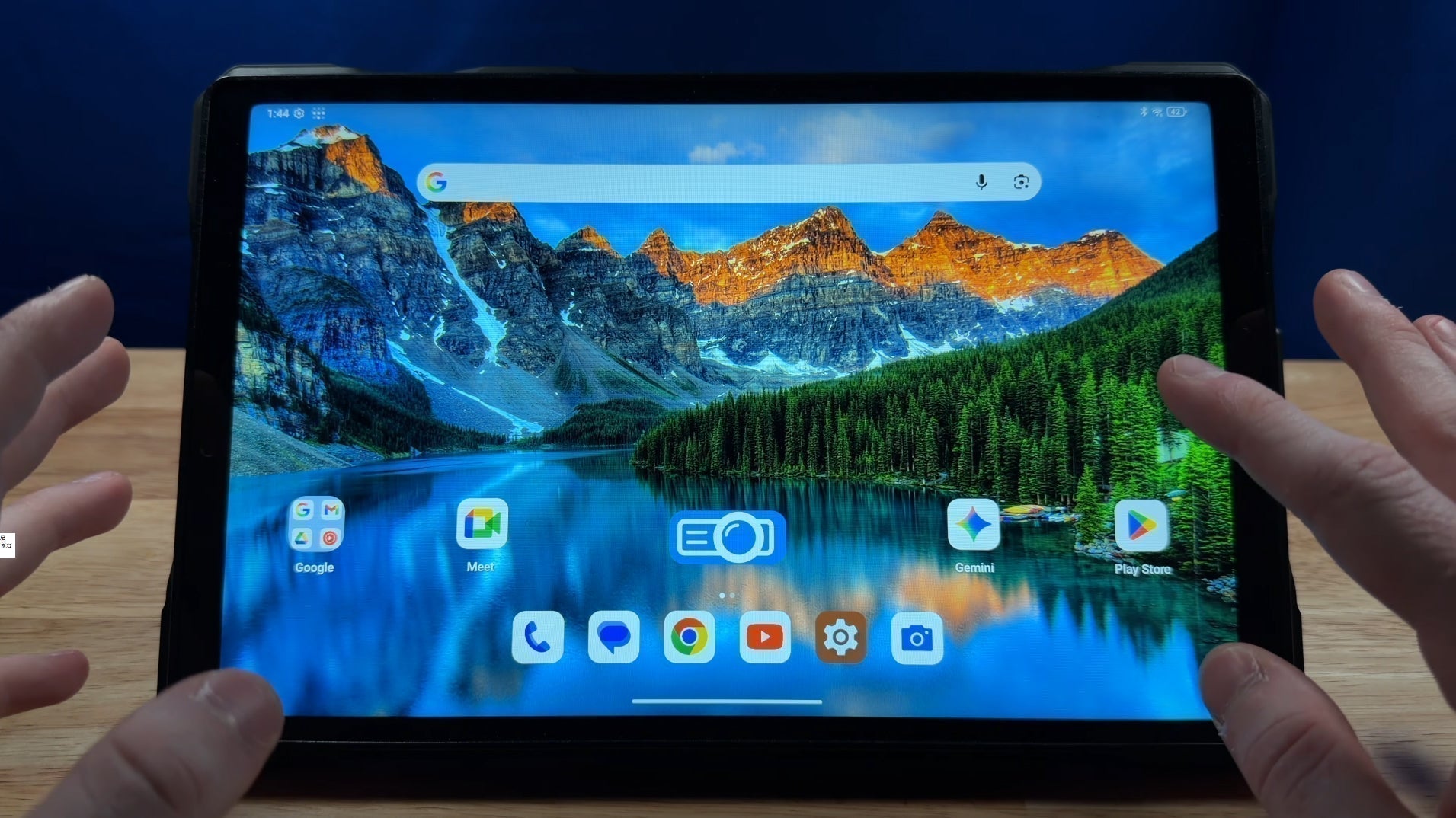
When buying a new phone, tablet, or laptop, the display is often the first thing you notice, and it heavily impacts your daily experience. Whether you’re watching videos, gaming, reading, or using the device outdoors, screen quality makes a big difference.
AMOLED and LCD are the two most common display technologies today, yet many people still struggle to understand the real differences between them. AMOLED is praised for its deep blacks and vibrant colors, while LCD is valued for its bright, natural visuals and affordability.
In this guide, we’ll compare AMOLED vs LCD across picture quality, battery life, outdoor visibility, gaming performance, durability, and more to help you choose the right technology for your needs.
What Is an AMOLED Display?
AMOLED stands for Active Matrix Organic Light Emitting Diode. It is a type of display technology that uses organic compounds to produce light when electricity passes through them.
Unlike traditional display systems that rely on a separate backlight, each individual pixel in an AMOLED panel generates its own light independently. The “Active Matrix” part refers to the thin-film transistor (TFT) layer that controls how each pixel is activated, allowing the display to refresh quickly and operate efficiently.
AMOLED technology is commonly used in modern smartphones, smartwatches, tablets, and some laptops. It evolved from OLED technology and became especially popular in mobile devices because it allows manufacturers to create thinner and more flexible display panels. Over the years, AMOLED displays have become increasingly common in premium consumer electronics, with many major brands adopting them for high-end devices.
What Is an LCD Display?
LCD stands for Liquid Crystal Display. This technology works by using liquid crystals to control how light passes through the screen. Since liquid crystals do not produce light on their own, LCD panels require a separate backlight positioned behind the display. The liquid crystals act like shutters, adjusting the amount of light that reaches different parts of the screen to create images and colors.
LCD technology has been widely used for decades across televisions, computer monitors, smartphones, tablets, laptops, and many other electronic devices. There are also several types of LCD panels, including TFT LCD and IPS LCD, which are designed to improve viewing angles, color accuracy, and response times.
Even though newer display technologies have become more common in recent years, LCD remains one of the most widely adopted and cost-effective display solutions in the electronics industry.
What’s the difference between AMOLED and LCD?
Although both AMOLED and LCD displays are designed to perform the same basic task, the way they produce images is completely different. This difference in display structure affects nearly every aspect of the viewing experience, including contrast, brightness, color reproduction, power consumption, response time, and even device pricing.
In real-world use, some people may prefer the vivid and cinematic appearance of AMOLED panels, while others may appreciate the consistency and practicality of LCD screens.
The comparison below highlights the most important differences between AMOLED and LCD displays and explains how each technology performs in daily use.
| Feature | AMOLED Display | LCD Display |
|---|---|---|
| Display Technology | Self-emissive pixels generate their own light | Uses a separate backlight behind the panel |
| Black Levels | True blacks because pixels can turn off completely | Blacks usually appear grayish due to backlight leakage |
| Contrast Ratio | Extremely high contrast | Lower contrast compared to AMOLED |
| Color Appearance | More vibrant and saturated colors | More natural and balanced colors |
| Brightness | Excellent contrast, but brightness may vary by device | Often achieves strong full-screen brightness |
| Outdoor Visibility | Good on modern flagship panels | Usually reliable under direct sunlight |
| Power Consumption | More efficient with dark content or dark mode | Backlight stays on regardless of screen content |
| Response Time | Faster pixel response | Generally slower than AMOLED |
| Burn-In Risk | Possible over long-term use | No permanent burn-in issue |
| Thickness & Flexibility | Can be thinner and more flexible | Typically thicker due to the backlight layer |
| Price | Usually more expensive | More affordable to manufacture |
| Lifespan Stability | Organic materials can degrade over time | Often more stable over long-term use |
Overall, AMOLED displays are generally better for users who prioritize deep contrast, vibrant visuals, fast response times, and a more premium viewing experience, especially for gaming and watching videos.
LCD displays, however, still offer several practical advantages, including lower cost, stable long-term performance, and more natural color reproduction. Neither technology is universally superior in every situation, and the better choice ultimately depends on how you use your device and what kind of display experience you prefer.
Which Display Is Better for Battery Life?
Battery consumption is one of the most noticeable differences between AMOLED and LCD displays in everyday use.
AMOLED panels can be more power-efficient because each pixel produces its own light independently. When displaying black or dark content, many pixels can partially dim or turn off completely, reducing overall power usage.
This is why dark mode often helps extend battery life on AMOLED smartphones. However, AMOLED displays may consume more power when showing bright webpages, white backgrounds, or content at very high brightness levels for long periods.
LCD displays work differently because they rely on a constant backlight that stays on regardless of what appears on the screen. As a result, their power consumption is usually more consistent across different types of content.

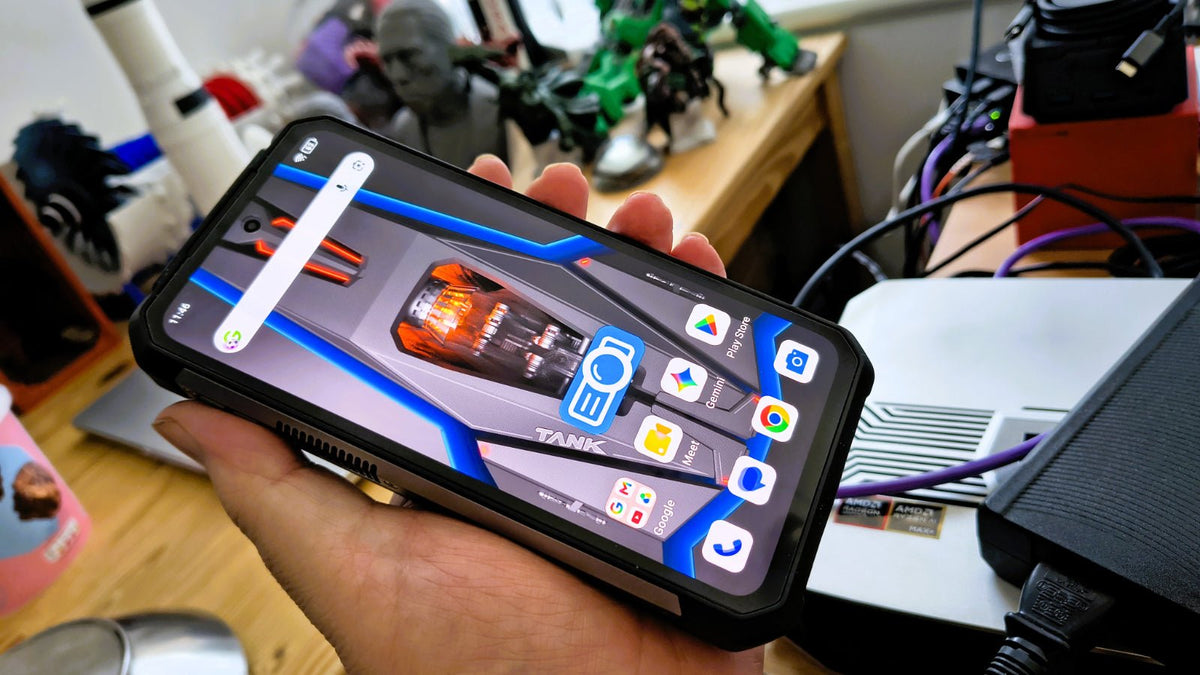
In real-world usage, the battery difference between AMOLED and LCD may not always be dramatic, since factors like processor efficiency, refresh rate, brightness settings, and battery size also play major roles. For example, some modern rugged phones like Tank 4 Pro combine AMOLED displays with very large batteries, allowing users to enjoy both strong visual quality and extended battery life for outdoor work, travel, and heavy daily use.
What Are the Applications of AMOLED and LCD Displays?
Both AMOLED and LCD technologies are widely used across modern electronics, but they are often chosen for different types of devices and usage scenarios. Manufacturers usually select a display type based on factors such as production cost, power efficiency, design flexibility, viewing experience, and target audience. As a result, AMOLED and LCD displays can each be found in a wide range of consumer and industrial products.
AMOLED Display Applications
- Premium smartphones
- Foldable phones and curved-screen devices
- Smartwatches and wearable devices
- High-end tablets
- Gaming phones
- VR headsets and immersive display devices
- Some modern laptops and portable monitors
- Rugged smartphones designed for multimedia and outdoor use
LCD Display Applications
- Budget and mid-range smartphones
- Computer monitors
- Televisions
- Industrial equipment displays
- Medical devices
- Automotive infotainment systems
- Laptops and office devices
- Tablets and educational devices
In practice, AMOLED displays are more commonly used in products that focus on premium visuals, portability, and modern design, while LCD panels remain popular in devices that prioritize affordability, long-term stability, and large-scale production. Because both technologies continue to improve over time, the gap between them is smaller than it was years ago, especially in higher-quality LCD panels and newer AMOLED screens.
Which One Should You Choose?
Both display types have improved significantly over the years, and each one offers advantages that may fit different users, budgets, and daily habits. If you care more about immersive visuals and premium features, AMOLED may feel more appealing. If you value practicality, affordability, and long-term consistency, LCD can still be an excellent choice.
Choose an AMOLED Display If You:
- Watch movies or streaming content frequently
- Play mobile games and want richer visuals
- Prefer deep blacks and vibrant colors
- Use dark mode regularly
- Want a thinner or more premium-looking device
- Are interested in foldable or curved-screen phones
- Want a flagship-style viewing experience
Choose an LCD Display If You:
- Want a more affordable device
- Prefer natural and less saturated colors
- Mainly use your phone for browsing, messaging, or office tasks
- Want reliable long-term performance without burn-in concerns
- Spend a lot of time using your device at high brightness levels
- Need a practical display for work, education, or industrial use
For most casual users, either display technology can provide a good experience when paired with a quality device. In many cases, overall optimization matters more than the display type alone. A well-tuned LCD panel can still look excellent, while a poorly calibrated AMOLED screen may not always deliver the best viewing experience.
Conclusion
AMOLED and LCD displays both have their own strengths, and neither technology is automatically better for every user. AMOLED stands out for its deep contrast, vivid colors, and premium viewing experience, while LCD remains reliable, cost-effective, and practical for everyday use.
The right choice ultimately depends on your budget, usage habits, and personal preferences. For users who want a durable device with modern display technology, some rugged smartphones from brands like 8849 also combine AMOLED screens with large batteries and rugged protection, offering a balance between multimedia performance and outdoor durability.
FAQs
Which is better, AMOLED or LCD?
AMOLED is generally considered better for users who prioritize contrast, vibrant colors, gaming, and video streaming. LCD, however, can still be a better option for users who want lower costs, natural-looking colors, and stable long-term performance. The better display depends on how you use your device.
What are the disadvantages of AMOLED displays?
AMOLED displays can be more expensive to manufacture and may experience burn-in or image retention after long-term use with static elements on the screen. Some users are also sensitive to PWM dimming, which can cause eye discomfort on certain AMOLED panels at low brightness levels.
Is LCD better for your eyes than AMOLED?
It depends on the display quality and individual sensitivity. Some people find LCD displays more comfortable because they usually use DC-like backlighting, which may produce less noticeable flickering. However, modern AMOLED displays have improved significantly, and many now include eye comfort modes, lower blue light settings, and high-frequency dimming to reduce strain during extended use.


Share:
AMOLED vs OLED Display: What's The Difference?
What is a Ruggedized Device?