

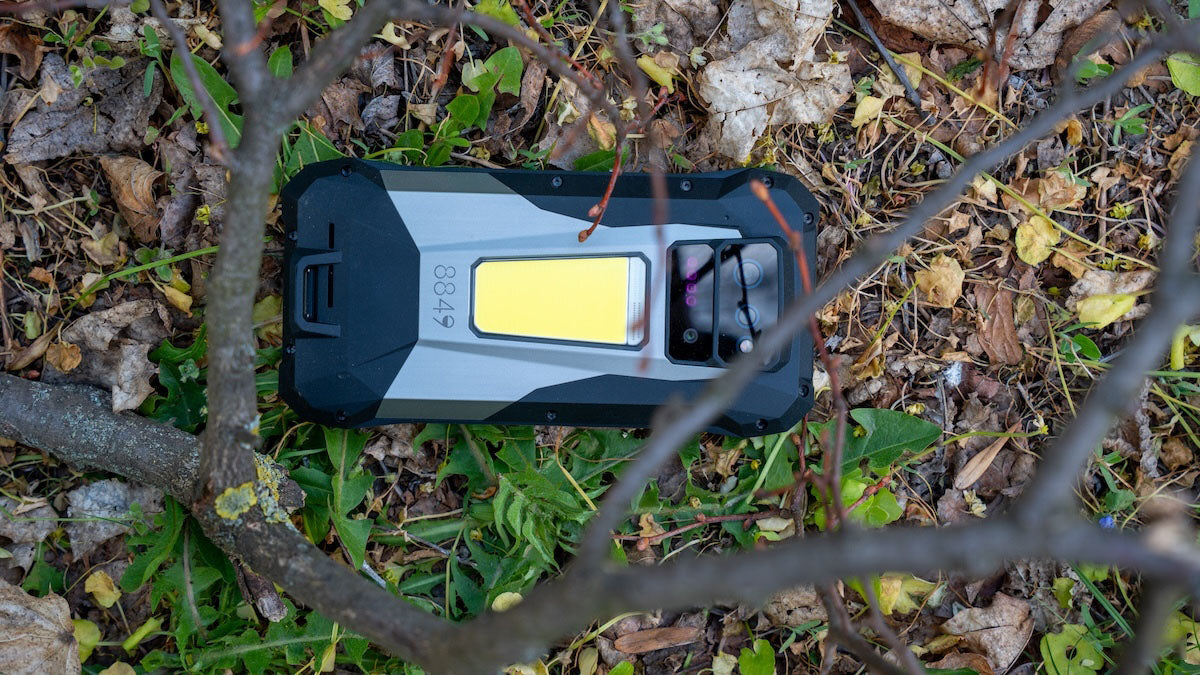
Imagine dropping your phone on concrete, accidentally getting it wet, or taking it into a dusty construction site without worrying about damage. It sounds ideal, but does an indestructible phone actually exist? Despite advances in smartphone materials and engineering, no phone can withstand every possible impact or environmental condition without suffering damage.
However, that doesn't mean you have to settle for a fragile device. Rugged phones are designed to handle more demanding conditions than conventional smartphones, offering enhanced protection against drops, water, dust, and other everyday hazards. While they aren't indestructible, they can provide the durability many people need for work, outdoor adventures, and daily use.

What Is an Indestructible Phone?
An indestructible phone is more of an idea than a clearly defined product category. The term generally describes a phone that can survive almost anything, from accidental drops and heavy impacts to water exposure, dust, and extreme temperatures. For people who work in demanding environments or spend a lot of time outdoors, having a phone that never breaks would certainly be appealing.
However, there is no universal standard for what makes a phone indestructible. Different devices offer different levels of protection, and even phones designed for durability have their limits. A device might survive repeated drops or exposure to water under specific conditions, but that doesn't mean it can withstand every impact or environmental hazard.
Could a truly indestructible phone exist in the future? Advances in materials science and engineering may eventually make phones far more resistant to damage than they are today. For now, though, complete indestructibility remains a theoretical ideal rather than a practical reality. The closest available alternative is a rugged phone designed to withstand harsher conditions and reduce the risk of damage.
Why No Phone Is Truly Indestructible?
Every phone is made from materials with physical limits. Even reinforced frames, strengthened glass, and shock-absorbing structures can fail when exposed to enough force. A phone might survive several accidental drops but still suffer a cracked screen or internal damage from a harder impact. Water resistance and dust protection also have limitations, so exposure beyond a device's rated conditions can cause problems.
Another challenge is that smartphones contain many delicate components, including batteries, cameras, displays, and circuit boards. Protecting all these parts against every possible hazard without compromising the phone's size, weight, or functionality is extremely difficult. As technology advances, manufacturers may develop better ways to improve durability, but eliminating every possible point of failure remains a major challenge. This is why designing a phone to resist damage is a more realistic goal than making one completely indestructible.

What Makes a Phone More Durable?
Although no phone is completely indestructible, several design features can make a device much more resistant to damage. From the materials used in its construction to the way it handles impacts and environmental exposure, each factor contributes to overall durability. Understanding these features also helps explain why some phones are better suited to demanding conditions than others.
Reinforced Frame and Durable Materials
A phone's frame and outer materials play an important role in protecting its internal components. Reinforced frames, sturdy metal alloys, and impact-resistant plastics can help a device withstand daily wear and accidental drops. The quality of the construction also matters because a well-designed structure can distribute impact forces more effectively, reducing the likelihood of damage to vulnerable components.
Screen Protection
The display is one of the most exposed parts of a phone, making screen protection essential for durability. Strengthened glass and raised edges around the display can help reduce the risk of scratches, cracks, and direct impact damage. However, even advanced protective glass has its limits, and a sufficiently hard impact or an unlucky landing can still break the screen.
Water and Dust Resistance
Water and dust can damage internal components, especially when they enter through openings or gaps in a phone's housing. Sealed ports, protective gaskets, and carefully designed enclosures help limit this risk. IP ratings indicate the level of protection a device provides against solid particles and water under specified test conditions, although they do not guarantee protection in every environment or situation.
Shock Absorption and Structural Design
A phone's ability to handle drops depends on more than the strength of its outer materials. Shock-absorbing structures, reinforced corners, and internal components designed to withstand vibration can help reduce the force transferred to sensitive electronics during an impact. By combining these design elements, manufacturers can improve drop resistance and overall durability without relying on a single protective feature.
How Rugged Phones Protect Against Damage
Rugged phones are designed to withstand conditions that may damage conventional smartphones. They often combine reinforced frames, protective screen designs, sealed enclosures, and shock-resistant structures to improve durability. Beyond these physical features, two important things to look at are IP ratings and MIL-STD-810H testing, which help explain the types of protection a device is designed to provide.
-
IP ratings
IP Rating stands for Ingress Protection rating. These ratings indicate how well a device protects against solid particles, such as dust, and water under specified testing conditions. For example, IP68-rated phones offer dust protection and can withstand immersion in water within the limits defined for the particular device. IP69K-rated devices are tested for resistance to high-pressure, high-temperature water jets. However, these ratings do not mean a phone is immune to every kind of water exposure.
-
MIL-STD-810H testing
MIL-STD-810H is a US military standard that outlines environmental engineering considerations and laboratory test methods. Depending on the tests performed, a rugged phone may be evaluated for conditions such as shock, vibration, humidity, and extreme temperatures. However, the standard does not establish a single universal durability rating for phones. Manufacturers may conduct selected tests relevant to their products, so the specific test conditions and results matter.
These features help rugged phones handle demanding environments, but they do not make them indestructible. Actual durability depends on the device's construction, the tests it has undergone, and how it is used.
What Can a Rugged Phone Actually Withstand?
A rugged phone is built to handle many situations that could damage an ordinary smartphone. Depending on its specifications, it may withstand accidental drops, dusty environments, rain, splashes, and vibrations from daily work or outdoor activities. Some models are also designed to operate in challenging temperatures, making them suitable for construction sites, hiking trips, and other demanding environments.
However, the level of protection varies between models, and no rugged phone can survive every situation. A hard impact on the wrong surface can still crack the screen, while water exposure beyond the rated limits may damage internal components. Extreme temperatures can also affect battery performance and other hardware. Therefore, it is important to check a device's actual specifications and testing conditions rather than assuming that every rugged phone offers the same level of protection.
Is a Rugged Phone Worth Choosing?

A rugged phone can be a worthwhile choice for people who need better protection against accidental damage or regularly use their devices in challenging environments. However, not everyone needs this level of durability, so the decision largely depends on your daily activities and priorities.
- ✅Outdoor enthusiasts: Hiking, camping, and other outdoor activities can expose phones to rain, dust, rough surfaces, and accidental drops. A rugged phone offers added protection when you're far from home or have limited access to a replacement device.
- ✅Construction workers and field professionals: Working on construction sites, in factories, or in other demanding environments can put smartphones at greater risk of physical damage. A rugged phone can provide greater peace of mind when handling equipment, inspecting sites, or working outdoors.
- ✅Frequent travelers: Traveling often means dealing with unpredictable weather, crowded spaces, and unfamiliar surroundings. A durable phone can better handle everyday accidents and reduce the risk of damage during a trip.
- ✅People who frequently drop their phones: If you've cracked several screens or damaged phones through accidental drops, a rugged model may be a practical alternative. Its reinforced construction can offer better protection, although using a protective case and screen protector may still be worthwhile.
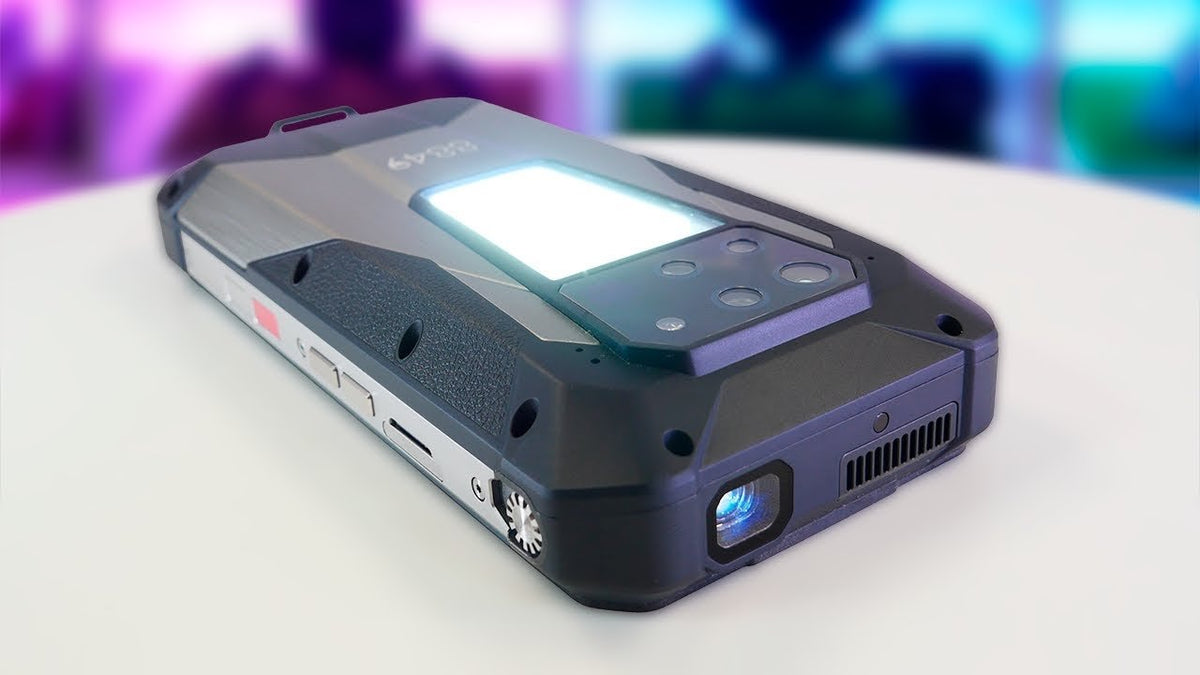
For those who need a device built for demanding outdoor use, the 8849 Tank 5 Pro combines rugged construction with thermal imaging, night vision, and eSIM support, making it a versatile option for outdoor activities and fieldwork.
Final Thoughts
An indestructible phone may sound like an ideal device, but no smartphone can withstand every possible impact or environmental hazard. Fortunately, modern rugged phones offer a practical alternative, with reinforced construction and protective features designed to handle more demanding conditions. Choosing the right device means understanding its capabilities and limitations rather than expecting it to be completely unbreakable.
If durability is a priority, 8849 rugged phones are worth exploring for their combination of protective design and practical features. Whether you need a reliable device for outdoor adventures or demanding work environments, the right rugged phone can provide greater peace of mind without promising the impossible.
FAQs
Are rugged phones completely unbreakable?
No. Rugged phones are designed to withstand more demanding conditions than many conventional smartphones, but they can still suffer damage from severe impacts, excessive water exposure, or extreme environmental conditions. Their actual durability depends on the model and its protection specifications.
What should I look for when buying a durable phone?
Look for reinforced construction, screen protection, a suitable IP rating for water and dust resistance, and documented drop or environmental testing. You should also consider battery life, performance, and any specialized features you need. Most importantly, check the device's actual specifications and testing conditions rather than relying solely on marketing claims.
What is the difference between a rugged phone and a regular smartphone?
A rugged phone is designed with durability as a priority, often featuring reinforced frames, protective enclosures, and enhanced resistance to drops, water, and dust. A regular smartphone typically places greater emphasis on a slim design, lightweight construction, and everyday functionality. The best choice depends on your needs, particularly whether you prioritize extra protection or a more conventional smartphone design.

Share:
3 Best Rugged Phones for Outdoor Exploration in 2026