


Projector phones are redefining how we think about mobile entertainment and productivity by integrating projection capabilities directly into a smartphone. Instead of relying on external devices, users can instantly display videos, presentations, or images onto flat surfaces, whether indoors or outdoors.
While many of these devices are built with rugged features for durability and extended use, their defining advantage lies in the built-in projector itself, making them a unique category in the mobile market. In this guide, we’ll explore what projector phones are, how they work, and whether they are the right choice for your needs.
What Is a Projector Phone?
A projector phone is a smartphone equipped with a built-in projection module that allows it to display images, videos, or presentations onto external surfaces such as walls, ceilings, or screens. Unlike traditional smartphones that rely solely on their displays, a phone with a projector can create a much larger viewing experience without requiring additional hardware. This makes it especially useful for situations where portability and convenience are essential, such as travel, outdoor activities, or on-the-go presentations.
In practice, many modern projector phones are also designed as rugged devices, combining durability with projection functionality, though the core feature that defines this category remains the integrated projector rather than the rugged build.
How Do Projector Phones Work?
Projector phones work by integrating a miniature projection system directly into the smartphone’s body. Inside the device, a compact optical engine generates and projects light through a lens, turning digital content, such as videos, photos, or presentations, into a larger image on a flat surface.
Most modern projector phones rely on technologies like DLP (Digital Light Processing) or similar micro-projection systems, which use tiny mirrors or light modulation techniques to produce clear and stable images in a very small form factor.
When you activate the projector function, the phone essentially acts like a standalone projector. You can mirror your screen, play media, or open apps, and the content is instantly projected outward. The image size depends on the distance between the phone and the surface, while brightness (measured in lumens) affects how visible the projection is, especially in well-lit environments. Because projection requires significant power, these phones are typically equipped with larger batteries and heat management systems to maintain stable performance during extended use.
Key Features of Projector Phones
To better understand what sets a projector phone apart from a standard smartphone, it’s important to look at the core features that support its projection capabilities. From image quality to power management, these elements work together to deliver a practical and portable viewing experience in different environments.
Built-in Projection System
The defining feature of any projector phone is its integrated projection module. This includes the light source, lens, and imaging technology that work together to display content externally. Key specifications to look at are brightness (measured in lumens), resolution, and projection size.
While projector phones cannot match full-sized projectors, modern devices are capable of producing surprisingly clear images in low-light environments, making them suitable for casual viewing and presentations.
Focus and Keystone Correction
To ensure a usable image, projector phones often include focus adjustment and keystone correction. Focus allows you to sharpen the image based on distance, while keystone correction helps align the picture when the phone is not positioned perfectly straight. These features are especially important in real-world scenarios, where you may be projecting onto uneven surfaces or from different angles.
Large Battery Capacity
Projection is a power-intensive feature, so battery performance plays a critical role. Most projector phones, like 8849 TANK 3 Pro, are equipped with large-capacity batteries to support extended viewing sessions. Some models also include power-saving modes or allow you to use the projector while charging, which is particularly useful for longer presentations or outdoor use.
Enhanced Multimedia Experience
Since projection often involves sharing content with others, audio quality becomes just as important as visuals. Many phones with projectors feature enhanced speakers or stereo sound to provide a more immersive experience. Combined with screen mirroring and media playback capabilities, this allows the device to function as a compact entertainment system.
Durability and Rugged Design
Although not the core defining feature, many projector phones are built with rugged designs. This may include water resistance, dust protection, and shockproof construction. These features make them more reliable in outdoor or demanding environments, aligning well with use cases like camping, fieldwork, or travel.
✅Read more: What Are Rugged Phones?
Pros and Cons of Projector Phones
While projector phones offer a unique combination of portability and functionality, they are not without trade-offs. Understanding their strengths and limitations can help you decide whether this type of device aligns with your specific needs and usage scenarios.
Pros:
- Portable all-in-one device with built-in projection capability
- Convenient for presentations, entertainment, and sharing content anywhere
- Eliminates the need for external projectors or additional equipment
- Suitable for outdoor and off-grid use, especially rugged models
- Versatile for both work and leisure scenarios
Cons:
- Lower brightness and image quality compared to standalone projectors
- Performance can be affected in bright environments
- Projection significantly increases battery consumption
- Typically thicker and heavier than standard smartphones
- Limited projection size and clarity at longer distances
What Are Projector Phones Used For?
Projector phones are designed to bring flexibility and convenience to both work and entertainment. By combining a smartphone with a built-in projector, they allow users to share content anytime and almost anywhere.
On-the-Go Presentations
For professionals who frequently travel or work remotely, a projector phone can serve as a compact presentation tool. Whether it’s a quick client meeting or an internal discussion, you can project slides, documents, or visual materials directly from your device, eliminating the need to carry a separate projector.
Outdoor Entertainment
One of the most appealing uses of a phone with a projector is outdoor entertainment. Whether you’re camping, on a road trip, or simply spending time in your backyard, you can turn any flat surface into a temporary screen for movies or videos. Devices like the 8849 TANK X take this experience further by combining projection with a rugged design and large battery capacity, making them especially suitable for extended outdoor use where durability and power are essential.

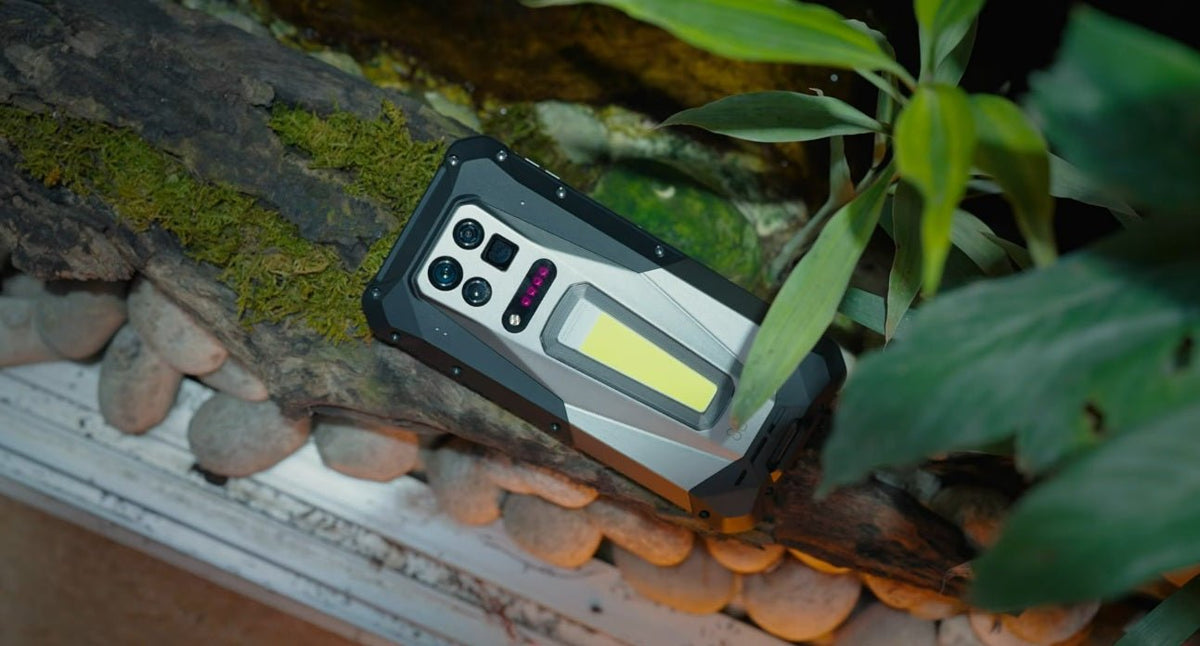
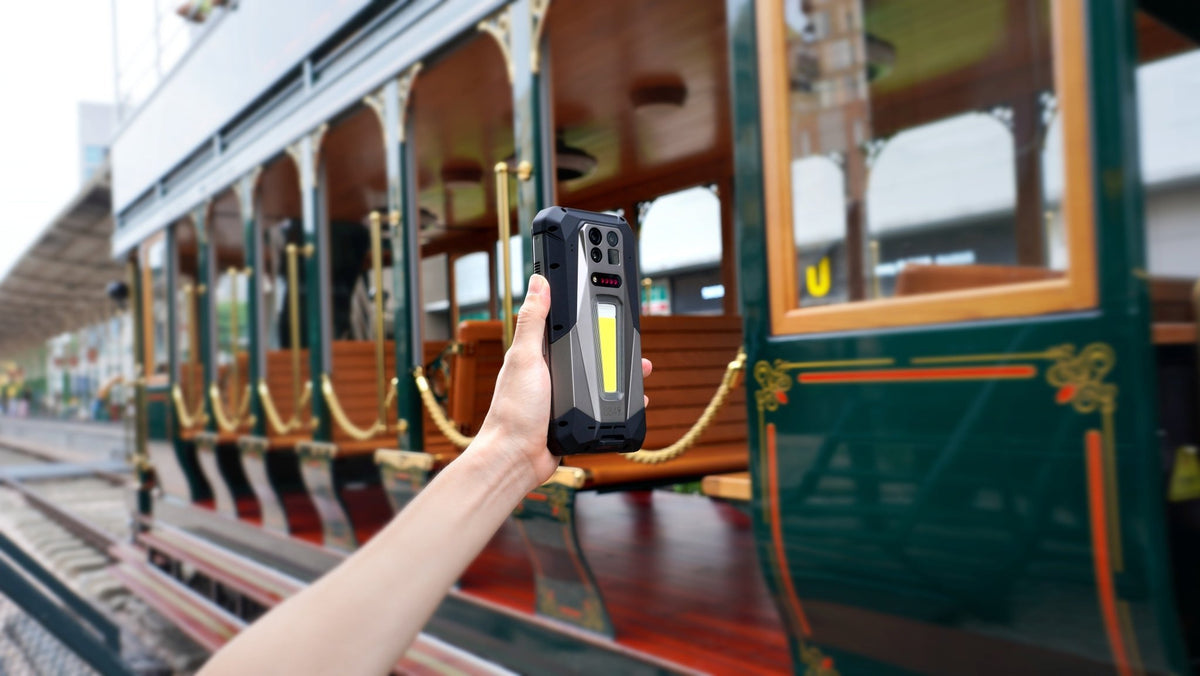
Image: 8849 TANK X 1080p Rugged Projector Phone
Built for demanding environments, the 8849 TANK X stands out with its 1080p projection capability, delivering sharper and more detailed visuals compared to typical projector phones. It also features a high-capacity battery designed for extended projection sessions, reducing the need for frequent recharging during outdoor use. Combined with its rugged construction, reliable performance, and all-in-one functionality, it is well-suited for users who need both durability and a portable projection solution in a single device.
Emergency and Field Scenarios
In certain fieldwork or emergency situations, having a built-in projector can be unexpectedly useful. It allows teams to quickly share visual information, maps, or instructions in environments where traditional equipment may not be available or practical.
Education and Everyday Sharing
Projector phones are also useful for more casual, everyday scenarios. From sharing photos with friends and family to creating a larger viewing experience for educational content, they offer a simple way to make digital content more engaging without additional devices.
Conclusion
Projector phones represent a practical evolution of smartphones, combining communication, entertainment, and projection into a single portable device. By integrating a built-in projector, they allow users to share content more freely without relying on additional equipment. While they come with certain limitations, their convenience and versatility make them a compelling option for users who value mobility and functionality in one device.
FAQs About Projector Phones
1. What is a projector phone used for?
A projector phone is used to display content such as videos, presentations, and images onto a larger surface. It is commonly used for business presentations, outdoor entertainment, and casual content sharing without needing a separate projector.
2. Do projector phones work in daylight?
Projector phones can work in daylight, but visibility is usually limited. For the best viewing experience, they perform significantly better in low-light or dark environments where the projected image appears clearer and brighter.
3. Are projector phones the same as rugged phones?
Not exactly. A projector phone is defined by its built-in projection feature, while a rugged phone is designed for durability. However, many modern projector phones are also built as rugged devices to support outdoor and demanding use cases.
4. Are 8849 Projector Phones Reliable?
8849 is a reliable rugged phone brand, particularly for users who prioritize durability, battery life, and outdoor functionality. We focus on building devices designed for harsh environments, with features such as IP68/IP69K protection and extensive reliability testing to ensure stable performance in demanding conditions.
Share:
5 Best Rugged Phone Brands in 2026
What Are Different Types of Rugged Phones?