


When you spend more time outdoors, a phone has to do more than handle everyday calls, messages, and social media. An outdoor phone is less about a specific type of smartphone and more about having the right combination of durability, battery life, visibility, connectivity, and useful features for activities away from home.
Hiking, camping, road trips, outdoor work, and nighttime exploration can all place different demands on a phone, from surviving dust and water to lasting through a long day without a charger. While rugged phones are not the only option, their combination of protection and outdoor-focused features makes them a practical choice for many outdoor activities. In this guide, we will look at what makes an outdoor phone useful and explore three rugged phones that bring different features to outdoor use in 2026.
What Is an Outdoor Phone?
An outdoor phone is a smartphone designed or equipped to remain useful when you are away from the usual indoor environment. Instead of focusing only on everyday smartphone functions, it needs to handle situations such as changing weather, long periods without charging, limited access to power, bright sunlight, or low-light surroundings. Depending on the activity, features such as strong water and dust resistance, a large battery, reliable connectivity, a bright display, or specialized tools can make a noticeable difference.
“Outdoor phone” is not necessarily a separate technical category. A standard smartphone can work well outdoors, while a rugged phone may offer additional protection and features for more demanding conditions. In this sense, a rugged phone can be an outdoor phone, but the two terms are not interchangeable. The better choice depends on how and where the phone will be used.

What to Look for in an Outdoor Phone
Not every outdoor activity puts the same demands on a phone. A weekend camping trip, a long hike, and outdoor work may require different features, but several factors can make a phone more dependable when you are away from the usual indoor environment.
- Durability: A phone used outdoors should be able to handle accidental drops, rough surfaces, and everyday impacts. A rugged design can provide extra protection when the phone is exposed to more demanding conditions.
- Water and dust resistance: Rain, splashes, mud, and dust are common outdoor concerns. A strong IP rating can help protect the phone when the environment is wet or dusty.
- Battery life: Long days outdoors may leave you far from a power outlet, making battery capacity especially important. A large battery can reduce the need to recharge during extended trips, while fast charging can help when power is available.
- Display visibility: A screen that remains easy to read in bright sunlight is useful for checking maps, messages, photos, and other information outdoors. A bright display can make the phone more practical during daytime activities.
- Connectivity and navigation: GPS and reliable mobile connectivity can be important when you need directions, location information, or communication away from home. Support for the networks and connectivity options you use should therefore be considered.
- Night vision and thermal imaging: These specialized features can be useful for nighttime exploration, outdoor work, or situations where a normal camera is not enough. They are not essential for every user, but they can add capabilities that ordinary smartphones may not provide.
- Projector: A built-in projector can turn the phone into a portable screen for sharing maps, photos, videos, or presentations when the surroundings are suitable. It is a specialized feature rather than a basic requirement, but it can be useful on trips and at campsites.
- Emergency lighting: A powerful built-in light can be useful for finding equipment, moving around a campsite, or dealing with unexpected situations after dark. Some outdoor-focused phones combine this with other practical tools for use away from home.
These factors provide a useful starting point, but there is no single specification that makes a phone suitable for every outdoor activity. The right combination depends on whether you mainly need protection and battery life or want additional tools for exploration, camping, work, and entertainment.
3 Best Outdoor Phones in 2026
The best outdoor phone depends on what you need it to do beyond basic communication. Battery capacity, protection, navigation, visibility, and specialized tools can all matter outdoors, while features such as projection or night vision may be particularly useful for certain activities. The following three rugged phones take different approaches to outdoor use, giving you options for everything from demanding fieldwork to hiking, camping, and entertainment.
| Feature | TANK 5 Pro | TANK 4 Pro | TANK X |
|---|---|---|---|
| Processor | MediaTek Dimensity 9400e | MediaTek Dimensity 8300 | MediaTek Dimensity 8200 |
| Display | 6.73" 3K AMOLED, 120Hz, 3000 nits | 6.73" 3K AMOLED, 120Hz | 6.78" FHD+, 120Hz, 750 nits |
| Projector | 220-lumen 2K DLP | 100-lumen 720p DLP | 220-lumen 1080p DLP |
| Battery | 17,600mAh, 120W | 11,600mAh, 120W | 17,600mAh, 120W |
| Night Vision | 50MP | 64MP | 64MP |
| Thermal Imaging | FLIR, 160×120, 95° FOV | — | — |
| GPS | Dual-frequency L1+L5 | Dual-frequency L1+L5 | Dual-frequency L1+L5 |
| Camping / Safety Light | 1200 lumens + warning lights | 1200 lumens + warning lights | 1200 lumens + warning lights |
| Water & Dust Protection | IP68/IP69K | IP68/IP69K | IP68/IP69K |
The specifications above are based on the current official product information from 8849.
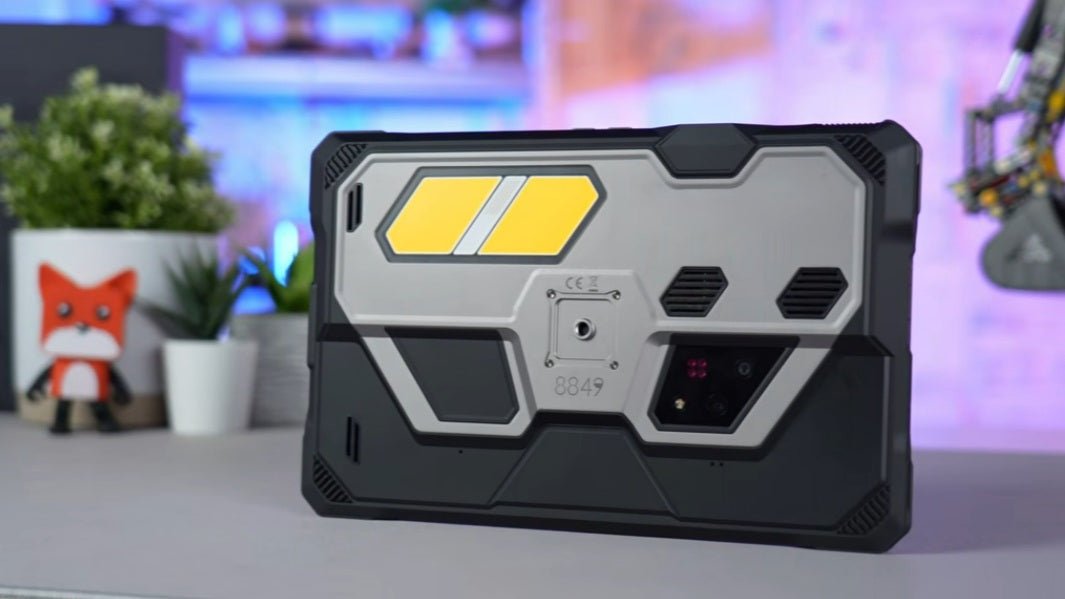
- 👉TANK 5 Pro: The TANK 5 Pro combines a large 17,600mAh battery, bright 3K AMOLED display, 2K projector, night vision, and dual-frequency GPS with its standout FLIR thermal imaging system. That combination makes it particularly suitable for outdoor users who need specialized tools for exploration, inspection, rescue, or other demanding field activities.
- 👉TANK 4 Pro: The TANK 4 Pro offers a more compact combination of a 3K AMOLED display, 11,600mAh battery, 720p projector, night vision, and outdoor lighting. Its 120W charging, dual-frequency GPS, and IP68/IP69K protection make it a practical option for hiking, camping, travel, and everyday outdoor use.
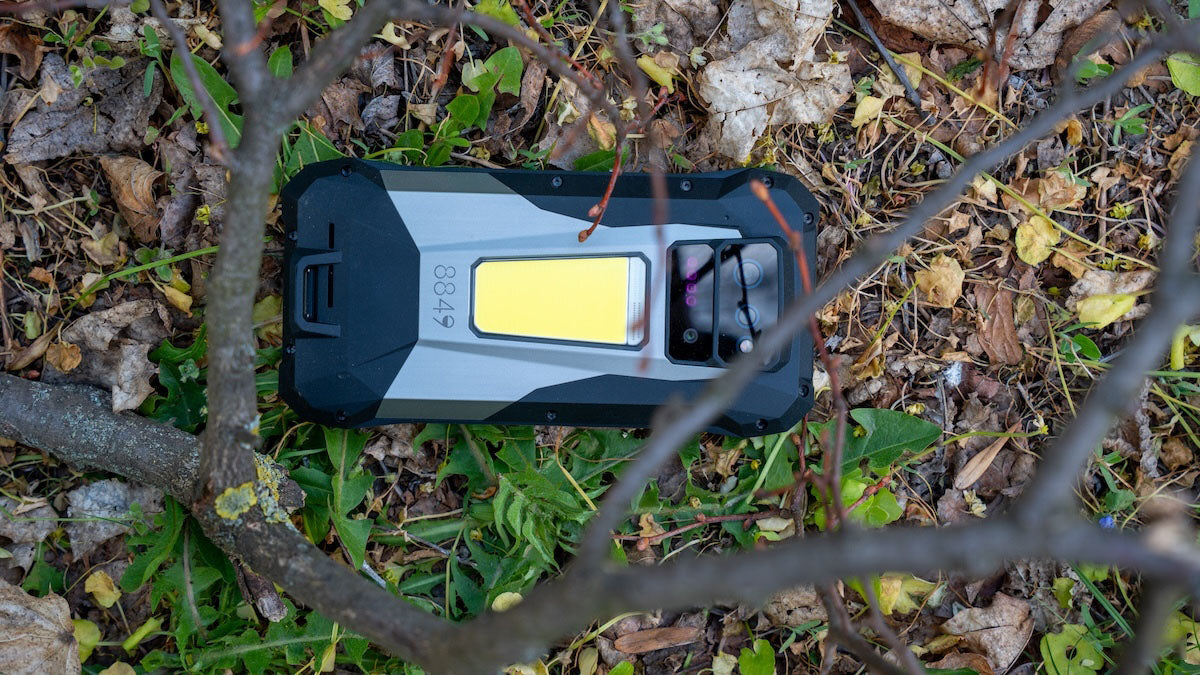
- 👉TANK X: The TANK X focuses on long-lasting outdoor use with a 17,600mAh battery, 1080p projector, 64MP night vision camera, dual-frequency GPS, and 1200-lumen camping light. It combines these features with IP68/IP69K protection, making it well suited to camping, nighttime activities, road trips, and other situations where battery life and versatile outdoor tools are useful.
Best Use Cases for an Outdoor Phone
An outdoor phone becomes more useful when its features match the activity you are doing. Some people mainly need a durable phone with enough battery for a long hike, while others may benefit from specialized tools such as night vision, thermal imaging, or a built-in projector.
- ✅Hiking and Navigation: A reliable GPS connection and a bright, readable display can make it easier to follow maps and check your location while hiking. A large battery is also useful when navigation apps need to run for several hours away from a power source.
- ✅Camping and Road Trips: Long battery life can reduce the need to carry a power bank or look for an outlet during extended trips. A built-in camping light can also provide practical illumination around a campsite, vehicle, or other outdoor area after dark.
- ✅Night Exploration: Night vision can help capture images and video in conditions where a regular smartphone camera may struggle. Combined with a powerful light, it can make a phone more useful for nighttime exploration and outdoor activities.
- ✅Outdoor Work: People working outdoors may need more than communication and basic smartphone functions. Thermal imaging can help identify differences in surface temperature, while a rugged design provides additional protection when the phone is used in demanding environments.
- ✅Sharing and Entertainment: A built-in projector can turn an outdoor phone into a portable way to share photos, maps, videos, or other content with a group. Projection works best in darker surroundings, such as a campsite or an indoor location during a trip.
- ✅Emergency Situations: A large battery can help keep communication and essential phone functions available when charging is difficult. Features such as GPS, a powerful light, and durable construction can also provide practical support when plans change or unexpected situations occur.
These use cases show why an outdoor phone is not simply about making a smartphone tougher. The combination of protection, battery life, connectivity, and specialized features can determine how useful it is once you leave the usual indoor environment.
Final Thoughts
An outdoor phone does not have to be defined by one particular specification. What matters is how well its durability, battery life, connectivity, display, and specialized features fit the activities you actually do outdoors. For some users, a reliable battery and rugged protection may be enough, while others may benefit from tools such as night vision, thermal imaging, or a built-in projector.
The TANK 5 Pro, TANK 4 Pro, and TANK X each offer a different combination of these features for outdoor use. If you are looking for a phone built around outdoor practicality and additional tools, 8849 phones provide several options to consider.
FAQs
What is an outdoor phone?
An outdoor phone is a smartphone designed or equipped to remain useful in outdoor environments and activities. It may offer features such as strong durability, water and dust resistance, long battery life, reliable GPS, a bright display, or specialized outdoor tools.
Is an outdoor phone a rugged phone?
Not necessarily. “Outdoor phone” describes how a phone is intended to be used, while “rugged phone” generally describes a phone built with additional protection against drops, water, dust, and other demanding conditions. A rugged phone can be an outdoor phone, but an outdoor phone does not have to be rugged.
Are outdoor phones waterproof?
Some outdoor phones are designed with strong water resistance, but “waterproof” is not a universal characteristic of all outdoor phones. Check the phone's IP rating and the manufacturer's stated limits before using it around water, as water resistance does not mean the phone can be used without restrictions in every wet environment.
Share:
What are Industrial tablets? Benefits, Uses, and Value