

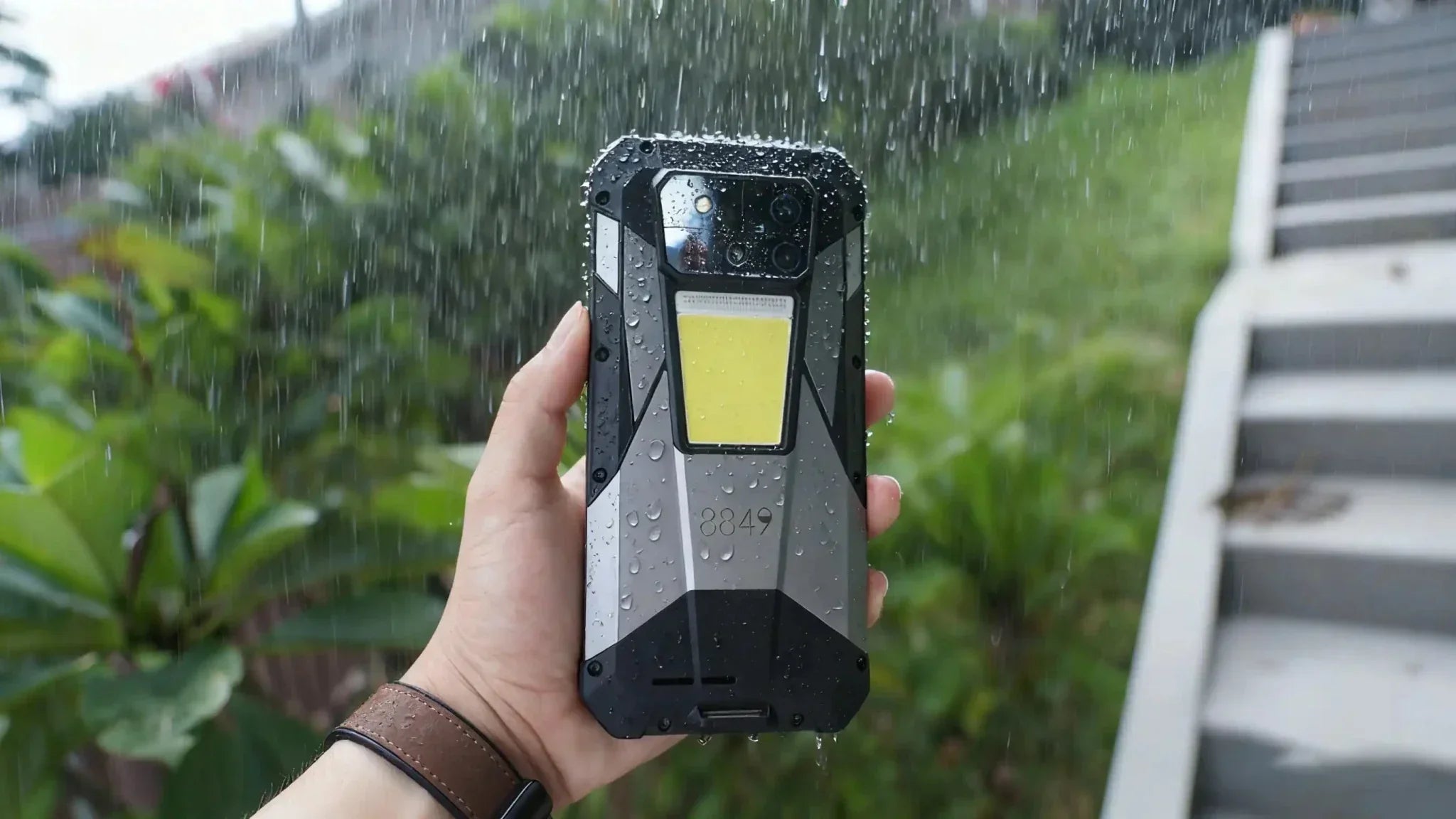
Rugged phones are smartphones specifically designed to withstand harsh environments, physical impacts, and demanding working conditions that would quickly damage ordinary mobile devices. Unlike typical consumer smartphones that prioritize slim designs and aesthetics, rugged phones focus on durability, reliability, and long-term performance.
These devices are engineered with reinforced frames, sealed components, and protective materials that allow them to resist water, dust, drops, and extreme temperatures. Because of these capabilities, rugged phones are widely used in industries such as construction, logistics, emergency services, and outdoor exploration, where a dependable mobile device is essential for both productivity and safety.
What Is a Rugged Phone?
A rugged phone is a mobile device specifically engineered to operate reliably in environments where ordinary smartphones are likely to fail. While most consumer phones focus on slim design and delicate materials such as glass and aluminum, rugged phones are built with durability as a priority. They typically feature reinforced frames, shock-absorbing housings, sealed ports, and stronger internal structures that protect critical components from impact and environmental damage. As a result, rugged phones can survive drops, vibrations, and exposure to dust or water that would normally damage standard smartphones.
Beyond physical durability, rugged phones are also designed to maintain stable performance in demanding working conditions. Many models support extended battery life, brighter displays for outdoor visibility, and hardware features that assist field work, such as programmable buttons or powerful flashlights. Because of these characteristics, rugged phones are widely used by professionals working in industries like construction, manufacturing, logistics, and emergency response, as well as by outdoor enthusiasts who need a reliable device during activities such as hiking, camping, or exploration.
Key Features of Rugged Phones
Rugged phones are built differently from ordinary smartphones, with design priorities focused on durability, reliability, and long-term usability in challenging environments. While the exact specifications vary between models, most rugged phones share several core features that allow them to perform consistently in workplaces, outdoor settings, and other demanding conditions.
- Reinforced frames and shock-resistant housing
- High IP ratings for water and dust protection
- Long-lasting, high-capacity batteries
- Bright displays designed for outdoor visibility
- Screens that support glove or wet-hand operation
- Programmable buttons for quick access to tools
- Powerful flashlights and outdoor utility features
- Expanded sensors such as barometers, compasses, or thermal modules
Together, these features transform a rugged phone from a simple communication device into a reliable tool for field work and outdoor use. By combining physical protection with practical hardware capabilities, rugged phones can support professionals in industries like construction, logistics, and emergency services, while also providing dependable performance for travelers, explorers, and outdoor enthusiasts.
Types of Rugged Phones
Although all rugged phones share the goal of durability, they are not all designed for the same level of protection or use case. In practice, the rugged phone market can be divided into several categories based on how much protection the device provides and what specialized functions it offers. Some rugged phones prioritize maximum durability for industrial work, while others integrate advanced tools that support field operations. Understanding these different types helps users choose a device that matches their working environment or outdoor activities.
Fully Rugged Phones
Fully rugged phones are built to withstand the harshest environments and the most demanding working conditions. These devices typically meet high durability standards, such as strong drop resistance, high-level IP ratings for dust and water protection, and reinforced internal structures. Fully rugged phones are commonly used in industries such as construction, mining, manufacturing, and field engineering, where devices may be exposed to constant impacts, dirt, vibration, or extreme weather. Durability and reliability are the primary priorities for this category.
Semi-Rugged Phones
Semi-rugged phones offer a balance between durability and everyday usability. Compared with fully rugged models, they usually have lighter designs and slightly slimmer bodies while still providing a higher level of protection than ordinary smartphones. These devices may include moderate drop resistance and water protection but are generally intended for users who work in moderately demanding environments rather than extreme industrial settings. Outdoor enthusiasts, delivery workers, and travelers often prefer semi-rugged phones because they provide extra protection without the bulk of fully rugged devices.
Rugged Phones with Projectors
Some rugged phones integrate a built-in projector, allowing the device to display images, presentations, or videos directly onto a wall or flat surface. These projector phones are designed for situations where a larger display is useful but carrying additional equipment is inconvenient. For example, professionals working in the field may use a projector phone to review plans, show presentations to a team, or share visual information during outdoor meetings. Combining durability with projection capabilities makes this type of rugged phone particularly practical for mobile work environments.
Rugged Phones with Thermal Cameras
Another specialized category includes rugged phones equipped with thermal imaging cameras. These devices can detect heat differences and convert them into visible thermal images, allowing users to identify temperature variations that are invisible to the naked eye. Thermal rugged phones are widely used in fields such as building inspection, electrical maintenance, firefighting, and equipment diagnostics. Because these industries often involve challenging environments, integrating thermal imaging into a rugged phone allows professionals to carry a powerful diagnostic tool in a device that can withstand harsh conditions.
Recommended 8849 TANK X Rugged Projector Phone
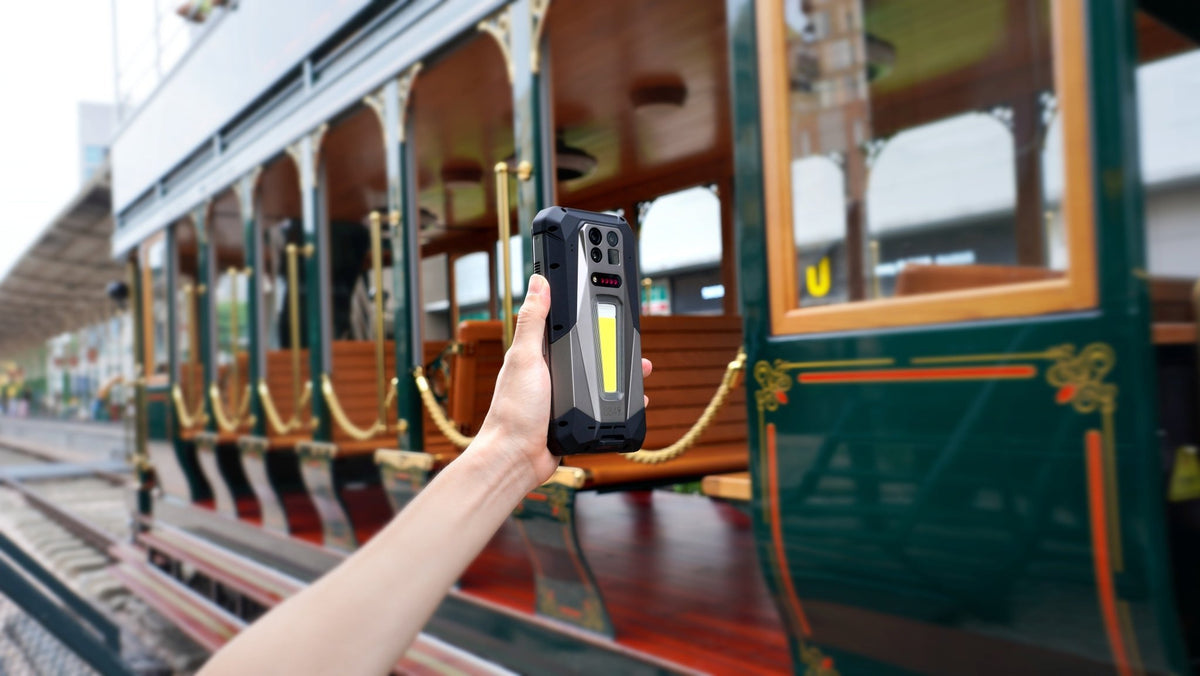
For users who want more than just durability, some rugged phones combine toughness with advanced tools designed for field work and outdoor environments. One example is the 8849 TANK X Rugged Projector Phone, a rugged smartphone that integrates a built-in projector, long battery life, and powerful hardware. This type of device demonstrates how rugged phones are evolving from simple durable phones into multifunctional tools for work, presentations, and outdoor activities.

Key features of the 8849 TANK X:
✅Built-in 220-lumen DLP projector supporting up to 1080p projection
✅Large 17,600 mAh battery with 120 W fast charging
✅MediaTek Dimensity 8200 4 nm processor with 16 GB RAM and 512 GB storage
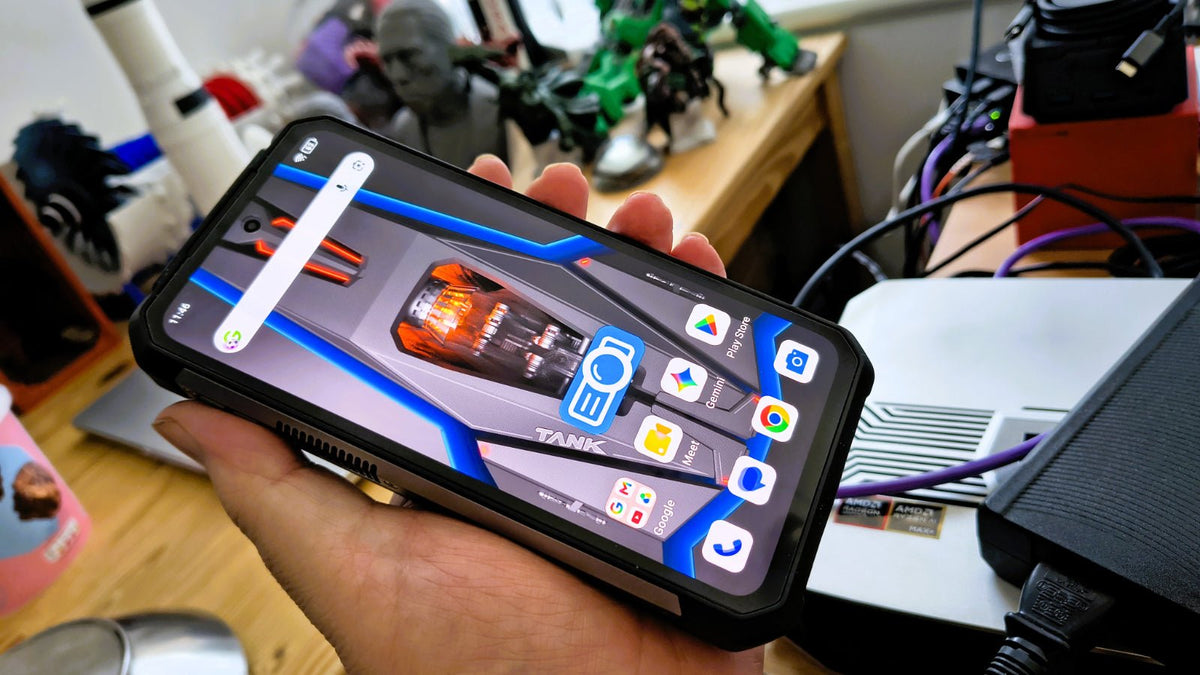
✅6.78-inch FHD+ display with 120 Hz refresh rate and 750-nit brightness
✅Multi-camera system including a 64 MP night-vision camera
✅Dual-band GPS (L1 + L5) with multi-GNSS positioning
✅High-power camping and emergency lighting system
✅Rugged design with IP68 and IP69K protection ratings
With its integrated projector, the TANK X can turn almost any wall or flat surface into a display for presentations, training, or outdoor entertainment. Combined with its large battery and rugged build, the device is designed to support professionals working in the field as well as travelers and outdoor enthusiasts who need both durability and practical tools in a single device.
Applications of Rugged Phones
Because of their durability and reliability, rugged phones are widely used in environments where ordinary smartphones may fail. Their resistance to drops, water, dust, and extreme temperatures makes them particularly valuable for professionals who work outdoors or in physically demanding industries. In addition to industrial use, rugged phones are also increasingly popular among individuals who spend significant time in nature or remote locations.
Construction
Construction sites are often filled with dust, debris, vibrations, and the constant risk of accidental drops. Rugged phones are well suited to this environment because they can withstand impacts and exposure to harsh conditions while continuing to function reliably. Workers and project managers often use rugged phones to communicate with teams, access building plans, take site photos, and manage project updates directly from the field.
Logistics
In logistics and transportation operations, mobile devices are essential tools for tracking shipments, managing deliveries, and coordinating schedules. Rugged phones provide the durability needed for warehouses, loading docks, and delivery routes where devices are frequently handled and exposed to rough conditions. Their long battery life also ensures that drivers and logistics staff can stay connected throughout long work shifts.
Emergency Services
Emergency responders, including firefighters, rescue teams, and disaster relief workers, often operate in unpredictable and hazardous environments. Rugged phones allow these professionals to maintain communication, access critical information, and document situations even when conditions involve water, smoke, debris, or extreme temperatures. The reliability of a rugged device can be particularly important in situations where communication tools must remain operational.
Outdoor Exploration
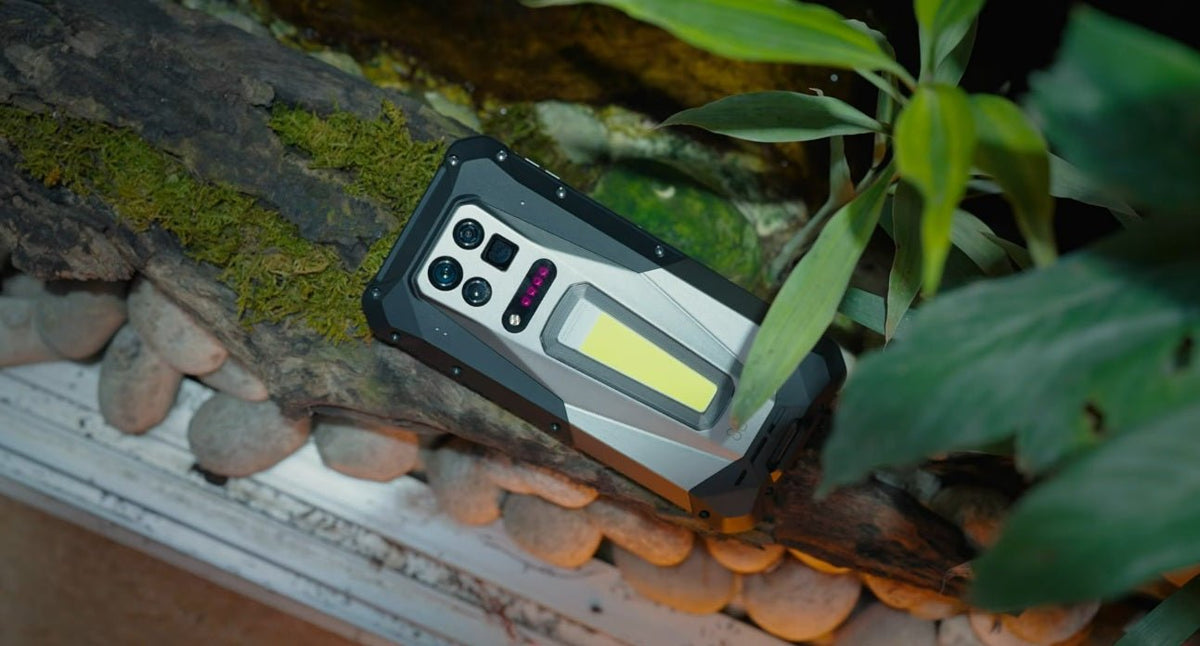
Outdoor enthusiasts such as hikers, campers, climbers, and explorers often travel in remote locations where equipment reliability is essential. Rugged phones provide stronger protection against accidental drops, rain, dust, and temperature changes that may occur during outdoor activities. Features such as long battery life, bright displays, and navigation tools also make rugged phones practical companions for extended trips in nature.
Military
Military personnel often operate in extreme environments where standard consumer electronics are unlikely to survive. Rugged phones provide the durability needed for field operations, including resistance to shock, dust, water, and harsh weather conditions. These devices can be used for secure communication, navigation, mission coordination, and data collection in remote locations. Their ability to function reliably under demanding conditions makes rugged phones valuable tools for training, logistics, and operational support.
Are Rugged Phones Worth It?
For many users, the value of a rugged phone depends on how and where the device will be used. If a smartphone is frequently exposed to rough handling, outdoor environments, or demanding workplaces, a rugged phone can provide significant advantages over a standard device. Features such as stronger durability, longer battery life, and environmental resistance help reduce the risk of damage and the need for frequent repairs or replacements.
However, rugged phones are not necessarily the best choice for every user. Because they prioritize protection and functionality, they are often thicker and heavier than typical smartphones. For people who mainly use their phones in controlled indoor environments, a regular smartphone may be sufficient. But for professionals working in the field, outdoor enthusiasts, or anyone who needs a device that can withstand challenging conditions, rugged phones can be a reliable and practical investment.
Conclusion
Rugged phones provide a reliable solution for anyone who needs a durable, long-lasting device in challenging environments. From construction sites and logistics operations to outdoor adventures and emergency services, these smartphones combine physical toughness with practical features like long battery life, reinforced screens, and specialized tools. Investing in a rugged phone ensures that communication, navigation, and essential work tasks can continue uninterrupted, making them a smart choice for professionals and outdoor enthusiasts alike.
Share:
SHARK 3 Pre-Sale – Power, Speed & Durability in One Device!
What are Rugged Devices? A Complete Guide