


Rugged tablets have become an essential tool for professionals working in demanding environments, from construction sites to remote outdoor locations. Unlike standard consumer tablets, these devices are built to withstand drops, water exposure, dust, and extreme temperatures, making them a reliable choice where durability matters most.
As the market continues to expand in 2026, pricing has become more diverse than ever. Whether you are looking for an affordable entry-level device or a high-performance rugged tablet with advanced features, there are now options available across a wide range of budgets. Brands like 8849 have introduced versatile models designed to balance durability, performance, and cost, giving users more flexibility when choosing the right device.
In this guide, we will break down rugged tablet prices in 2026, explore what drives those price differences, and help you understand what you can expect at each price level—so you can make a practical and informed decision based on your real needs.
What Is a Rugged Tablet?
A rugged tablet is a device specifically engineered to operate reliably in harsh and unpredictable environments. Unlike standard tablets, it is built with reinforced materials and protective structures that allow it to resist drops, shocks, water, dust, and extreme temperatures.

Many rugged tablets also come with certifications such as IP ratings for water and dust resistance, along with military-grade standards like MIL-STD-810H that verify their durability under real-world conditions.
These tablets are commonly used in industries where reliability is critical, such as construction, logistics, field service, and outdoor operations. They are also increasingly popular among adventurers and professionals who need dependable performance outside of traditional office settings.
How Much Do Rugged Tablets Cost in 2026?
Rugged tablet prices in 2026 vary widely depending on durability, performance, and specialized features.
- At the entry level, basic rugged tablets typically start around $200–$500, offering essential protection and moderate performance.
- Mid-range models, usually priced between $500–$1,000, provide a better balance of power, battery life, and durability.
- High-end rugged tablets can exceed $1,000, especially when they include advanced capabilities such as thermal imaging, high-brightness displays, or integrated projectors.
To give a clearer picture of real-world pricing, here is a comparison of current rugged tablets from 8849.
Current Rugged Tablet Prices (8849 Models)

| Model | Price | Release Date | Key Features | Best For |
|---|---|---|---|---|
| TANK Pad Ultra | ~$599.99 | 2026/4 | Upgraded performance, latest model | Power users & professionals |
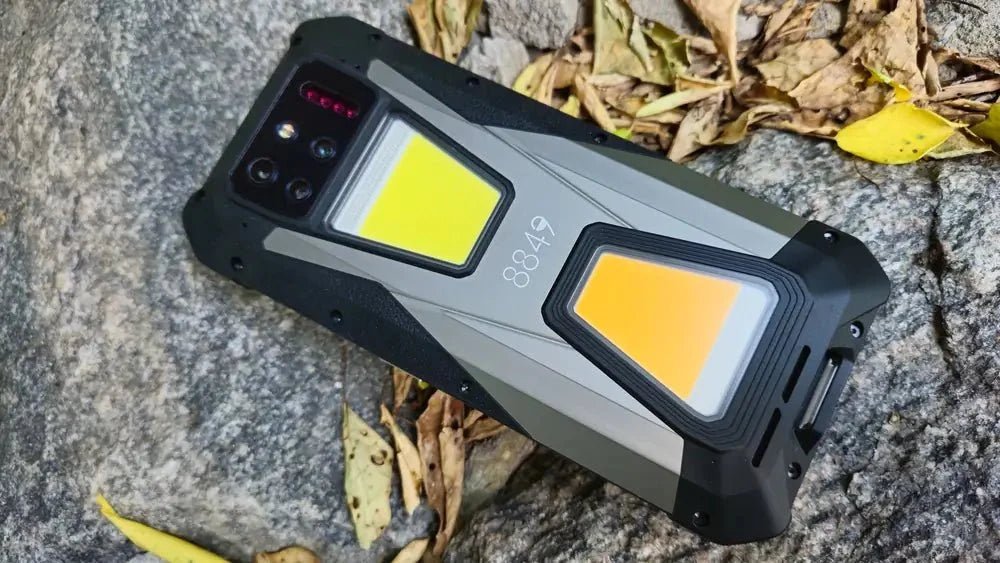
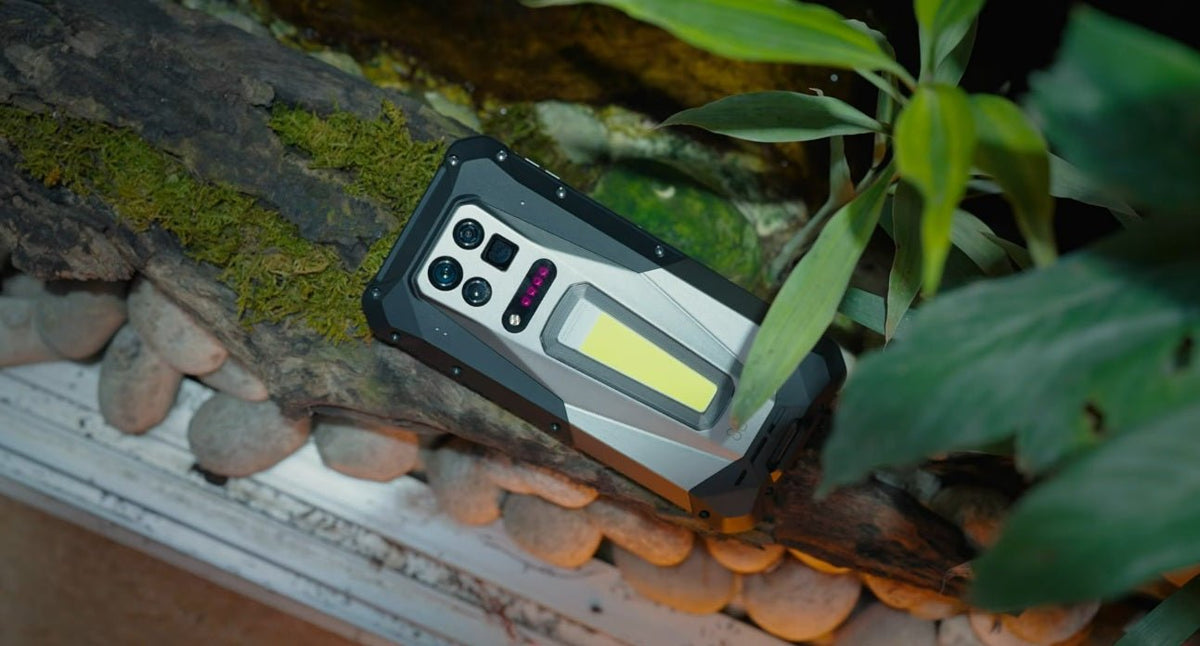
| TANK Pad | ~$539.99 | 2024/11 | 5G, built-in projector, large battery | Outdoor work & entertainment |
| TANK Pad E | ~$469.99 | 2024/11 | 4G, projector, budget-friendly | Entry-level rugged use |
From this comparison, it is clear that most modern rugged tablets fall into the $400–$800 range, where users get a strong combination of durability and practical features without entering ultra-premium pricing. Here is a short product breakdown:
-
TANK Pad Ultra: As the newest release, the TANK Pad Ultra is positioned as a performance-focused upgrade. With improved hardware and enhanced features, it targets users who need more power and versatility. The model is expected to be available for pre-order starting April 10, making it one of the latest additions to the rugged tablet market.
-
TANK Pad: The 8849 TANK Pad sits in the mid-range category and stands out with its built-in projector and large battery. It offers a balanced combination of durability, performance, and unique functionality, making it suitable for both work and outdoor entertainment scenarios.
-
TANK Pad E: The 8849 TANK Pad E is the more affordable option, designed for users who need rugged protection without paying for high-end specs. It still includes practical features like a projector and a large battery, making it a strong entry-level choice.
Overall, rugged tablet pricing in 2026 is no longer limited to expensive industrial devices. With brands like 8849 offering competitive options, users can now find reliable rugged tablets at a variety of price points depending on their specific needs.
What Factors Affect Rugged Tablet Prices?
Rugged tablet pricing is not determined by a single factor. Instead, it reflects a combination of durability standards, internal hardware, battery capacity, and any specialized features built into the device. Understanding these factors can help explain why some rugged tablets remain affordable while others reach premium price levels.

Durability & Certifications
One of the biggest cost drivers is how tough the device is. Tablets with higher protection ratings, such as IP68/IP69K for water and dust resistance or MIL-STD-810H certification for drop and shock testing, require more advanced engineering and materials. The more extreme the conditions a tablet can handle, the higher its price tends to be.
Hardware Performance
Processing power, RAM, and storage also play a major role in pricing. Entry-level rugged tablets often use basic chipsets suitable for simple tasks, while higher-end models include more powerful processors that can handle multitasking, field software, and real-time data processing. As performance increases, so does the overall cost.
Battery Capacity
Rugged tablets are often used in environments where charging is not always convenient, so a large battery capacity is a key feature. Devices with high-capacity batteries, sometimes exceeding 20,000mAh, can run for extended periods but also add to manufacturing costs due to size, weight, and engineering complexity.
Specialized Features
Additional features can significantly raise the price of a rugged tablet. Built-in projectors, thermal imaging cameras, night vision, or high-brightness displays for outdoor visibility all require extra components and optimization. These features are valuable for specific use cases but naturally increase the overall cost.
Brand & Ecosystem
Brand positioning and ecosystem support influence pricing. Industrial-focused brands often charge more due to enterprise-level support, software integration, and long-term reliability guarantees. Meanwhile, consumer-oriented rugged brands aim to balance affordability with functionality, offering competitive pricing for a broader audience.
Rugged Tablet Price Comparison by Brands
Beyond individual models, rugged tablet pricing also varies significantly by brand. Different manufacturers target different audiences, from enterprise and industrial users to outdoor enthusiasts and everyday consumers. As a result, pricing is often closely tied to brand positioning, support services, and the type of features offered.

Rugged Tablet Brands Comparison (2026)
| Brand | Price Range | Target Users | Notable Features |
|---|---|---|---|
| Dell | $2,500–$4,000+ | Enterprise, industrial | Windows OS, modular accessories, enterprise-grade support |
| Panasonic (Toughbook) | $1,200–$3,500+ | Military, field service | Proven durability, long lifecycle, hot-swappable batteries |
| Zebra Technologies | $1,000–$2,500+ | Logistics, warehousing | Barcode scanning, enterprise integration |
| Samsung (Rugged series) | $500–$1,200 | Business users | Balanced performance, ecosystem compatibility |
| Teguar | $800–$2,000+ | Industrial, medical | Custom solutions, industrial-grade hardware |
| 8849 | $400–$800 | Outdoor users, professionals | Projector features, large batteries, versatile use cases |
From this comparison, it is clear that traditional enterprise brands such as Dell and Panasonic tend to focus on high-cost, service-oriented solutions, while newer rugged-focused brands offer more accessible pricing without sacrificing key features.
In particular, 8849 has developed a more integrated ecosystem that goes beyond tablets. Its lineup includes rugged phones, projector phones, and rugged tablets designed to work across similar use scenarios.
This kind of product consistency can be especially valuable for users who want compatible devices for both work and outdoor use, without committing to the significantly higher costs often associated with enterprise-grade brands.
Are Expensive Rugged Tablets Worth It?
The answer depends largely on how and where the device will be used. Expensive rugged tablets are not just about higher specs; they are designed to deliver reliability, longevity, and specialized functionality in demanding environments.
For enterprise users, such as field engineers or industrial teams, high-end devices from brands like Dell can justify their price. A single device may cost over $3,000, but it is built to last for years, supports advanced software systems, and minimizes downtime in critical operations. For these users, reliability directly impacts productivity and operational costs, making the investment worthwhile.
However, for many users, especially outdoor professionals, small teams, or individual buyers, the full capabilities of these premium devices are often unnecessary. In these cases, mid-range rugged tablets in the $400–$800 range provide a much better balance. They still offer strong durability, large batteries, and useful features, but at a fraction of the cost.
Ultimately, expensive rugged tablets are worth it only when their specialized capabilities are fully utilized. Otherwise, choosing a well-balanced, mid-range option can deliver nearly the same practical value while keeping costs under control.
Conclusion
Rugged tablet prices in 2026 reflect a wide spectrum of user needs, from affordable entry-level devices to high-end enterprise solutions. While premium brands deliver exceptional durability, long-term support, and specialized capabilities, they are not always necessary for every user.
For most practical scenarios, especially outdoor work and general field use, mid-range rugged tablets offer a strong balance between performance, durability, and cost. Ultimately, the right choice comes down to selecting a device that fits your real-world usage, ensuring you get the value you actually need without overpaying for features you may never use.
FAQs
1. What is the average price of a rugged tablet?
Most rugged tablets in 2026 fall within the $400 to $800 range, which covers a wide variety of reliable and well-balanced devices. Entry-level models can be cheaper, while enterprise-grade tablets can easily exceed $2,000.
2. Why are rugged tablets so expensive?
Rugged tablets are built with reinforced materials, advanced sealing for water and dust resistance, and components designed to withstand harsh environments. In addition, some models include specialized features like high-brightness displays or industrial software support, all of which increase production costs.
3. Are cheap rugged tablets worth buying?
They can be, depending on your needs. Budget rugged tablets are suitable for light outdoor use or occasional work in challenging environments. However, they may compromise on performance, durability, or long-term reliability compared to mid-range or high-end options.
4. How long do rugged tablets last?
A well-built rugged tablet can last 3 to 5 years or more, depending on usage conditions. High-end enterprise models often have longer lifecycles, while mid-range devices still offer solid durability for everyday rugged use.
Share:
Choosing the Best Rugged Phone in 2026
6 Reasons to Buy a Rugged Phone