


Most people don’t start looking for a rugged phone because they want one. It might be a cracked screen after a short fall, a device shutting down in the cold, or a battery that simply can’t keep up during long days outdoors. At that point, we need to consider something more practical: what kind of phone can actually keep up with my environment?
That’s where choosing a rugged phone becomes less about chasing specs and more about making the right decision for how and where you use it. The market is full of devices labeled “rugged,” but not all of them solve the same problems. Understanding what truly matters, durability, battery, usability, and purpose, will help you avoid overpaying for features you don’t need, or worse, ending up with a device that still doesn’t meet your expectations.
What Defines a Rugged Phone Today?
At a glance, many phones claim to be “durable,” but a true rugged phone is defined by measurable standards, not marketing language. These standards exist to ensure a device can survive environments where regular smartphones typically fail—water exposure, dust intrusion, drops, and extreme temperatures.

The most common benchmark you’ll see is the IP rating (Ingress Protection). For example:
- IP68 means the phone is fully protected against dust and can withstand immersion in water (usually up to 1.5 meters for 30 minutes).
- IP69K goes further, indicating resistance to high-pressure, high-temperature water jets, useful in industrial or heavy-duty environments.
Another key standard is MIL-STD-810H, a military-grade testing framework. Devices tested under this standard are evaluated for resistance to:
- Repeated drops
- Vibrations
- Extreme heat and cold
- Humidity and altitude conditions
It’s important to understand that this isn’t a single test but a series of scenarios designed to simulate real-world stress.
Beyond certifications, rugged phones are also defined by physical design choices:
- Reinforced frames and shock-absorbing corners
- Thicker housings to protect internal components
- Sealed ports to prevent dust and water ingress
These design elements often make rugged phones bulkier than regular smartphones, but they serve a clear purpose: reliability over time, not just durability in a single accident.
In short, a rugged phone today isn’t just “hard to break”—it’s a device built and tested to operate consistently in conditions where standard phones are not designed to function.
Start with Your Use Case, Not the Specs
One of the most common mistakes when choosing a rugged phone is starting with specifications without first considering how the device will actually be used. In reality, the best rugged phone depends far more on your daily environment and usage patterns than on any single spec sheet. By identifying your primary use case first, you can narrow down what truly matters and avoid overpaying for features you may never use.

For Outdoor Work
If you work in construction, logistics, agriculture, or field services, durability is not optional. It’s essential. In these scenarios, look for:
- High-level protection (IP68/IP69K and MIL-STD-810H)
- Drop resistance on hard surfaces
- Screens that remain usable with gloves or wet hands
Reliability under repeated stress matters more than having the latest processor or camera.
For Travel, Camping, and Exploration
For outdoor enthusiasts, the priority shifts slightly. You may not face constant physical impact, but you do need a phone that can handle unpredictable conditions and long periods without charging. Key considerations include:
- Large battery capacity for multi-day use
- Resistance to rain, dust, and temperature changes
- Useful extras like a bright flashlight or offline navigation support
In this case, endurance and versatility are more important than raw ruggedness alone.
For Heavy Daily Use
Some users choose rugged phones for a simpler reason: battery anxiety. If you rely heavily on your phone for work, communication, or entertainment throughout the day, battery capacity becomes a defining factor. Look for:
- 20,000mAh+ batteries for extended usage
- Fast charging support to reduce downtime
- Power efficiency in real-world use, not just on paper
This category often overlaps with others, but the focus here is clear: keeping your phone running when you need it most.
For Niche Features
Modern rugged phones often include features rarely found in standard smartphones. These are not for everyone, but for the right user, they can be highly valuable. Examples include:
- Thermal imaging for inspection and diagnostics
- Night vision cameras for low-light environments
- Built-in projectors for presentations or outdoor media use
If your work or lifestyle can take advantage of these tools, they can significantly expand what your phone is capable of.
By starting with your use case, you shift from comparing specs blindly to making a decision based on real needs. This not only simplifies the buying process but also increases the likelihood that your rugged phone will actually perform the way you expect in everyday situations.
Key Features That Matter
Once you’ve identified your primary use case, the next step is understanding which features genuinely impact performance in real-world conditions. Not all specs carry equal weight. Some define your experience daily, while others are rarely noticed after purchase.

Durability Ratings
Certifications like IP68, IP69K, and MIL-STD-810H provide a baseline, but real durability also depends on how the phone is built. Reinforced frames, shock-absorbing corners, and sealed components determine whether a device can survive repeated drops and harsh environments over time—not just pass a controlled test once.
Battery Capacity
A large battery (often 15,000mAh or more) is one of the biggest advantages of rugged phones, but capacity alone doesn’t tell the full story. Efficient power management and usage patterns determine whether that battery lasts a full day or several days. For many users, consistent, predictable endurance is more valuable than peak numbers.
Display Usability
Rugged environments often involve bright sunlight, rain, or gloves. A usable display should offer high brightness for outdoor visibility and maintain responsiveness when wet or when operated with gloves, ensuring the phone remains practical in real working conditions.
Performance & Storage Balance
While rugged phones are not always focused on flagship-level performance, they still need to handle everyday tasks smoothly. A balanced combination of processor, RAM, and storage ensures stable multitasking, reliable app performance, and enough space for photos, videos, and work-related data without slowdowns.
Special Features
Features like thermal imaging, night vision, or built-in projectors can be highly useful. These are not essential for every user, but when aligned with your needs, they can replace additional tools and improve efficiency. The key is to treat them as functional tools rather than novelty additions.
Common Mistakes When Choosing a Rugged Phone
Even with a clear understanding of features and use cases, it’s easy to make decisions that look good on paper but fall short in real-world use. Avoiding these common mistakes can save both money and frustration.
- Focusing Too Much on Extreme Specs: It’s tempting to assume that bigger numbers always mean better performance. However, an oversized battery can make a phone unnecessarily heavy and inconvenient, while extreme specs may not translate into meaningful day-to-day benefits. The goal should be balance, not excess.
- Assuming All Rugged Phones Are Equally Durable: Not all devices labeled “rugged” are built to the same standard. Some may meet basic certifications but lack the structural design needed for long-term reliability. Relying solely on labels without considering build quality and real-world design can lead to disappointment over time.
- Ignoring Software Experience and Updates: Durability often takes center stage, but software plays a critical role in daily usability. A rugged phone with poor optimization, outdated systems, or infrequent updates can quickly become frustrating to use, regardless of how tough it is physically. Stability and usability should not be overlooked.
- Choosing Based on Price Alone: While budget is always a factor, selecting the cheapest option can lead to compromises in areas that matter most, such as reliability, performance, or battery life. On the other hand, the most expensive device isn’t always the best fit either. Value should be measured by how well the phone meets your specific needs.
- Overlooking Size, Weight, and Everyday Comfort: Rugged phones are naturally bulkier than standard smartphones, but there are still significant differences between models. A device that feels too heavy or awkward can become inconvenient for daily use, especially if you carry it for long periods. Practical comfort is just as important as durability.
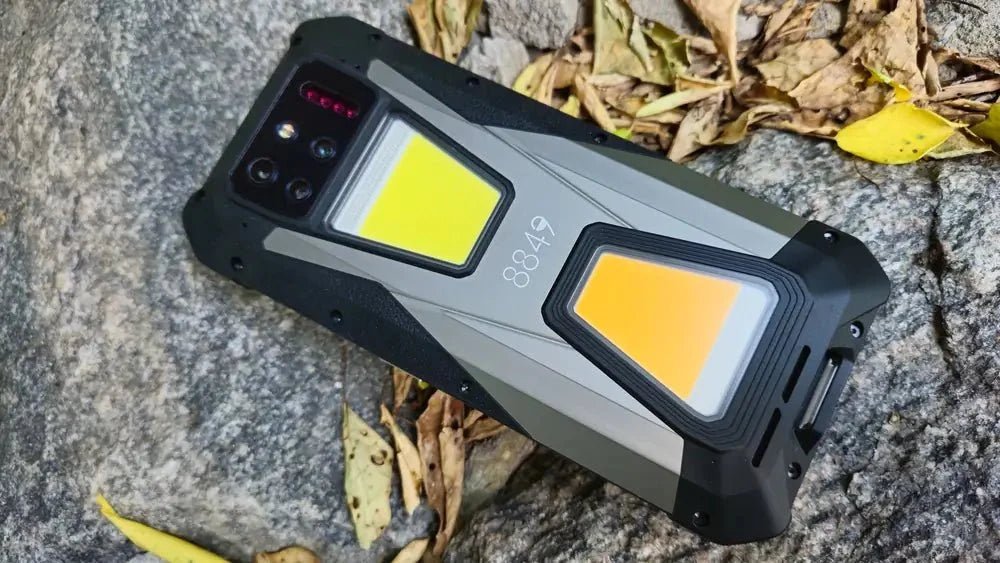
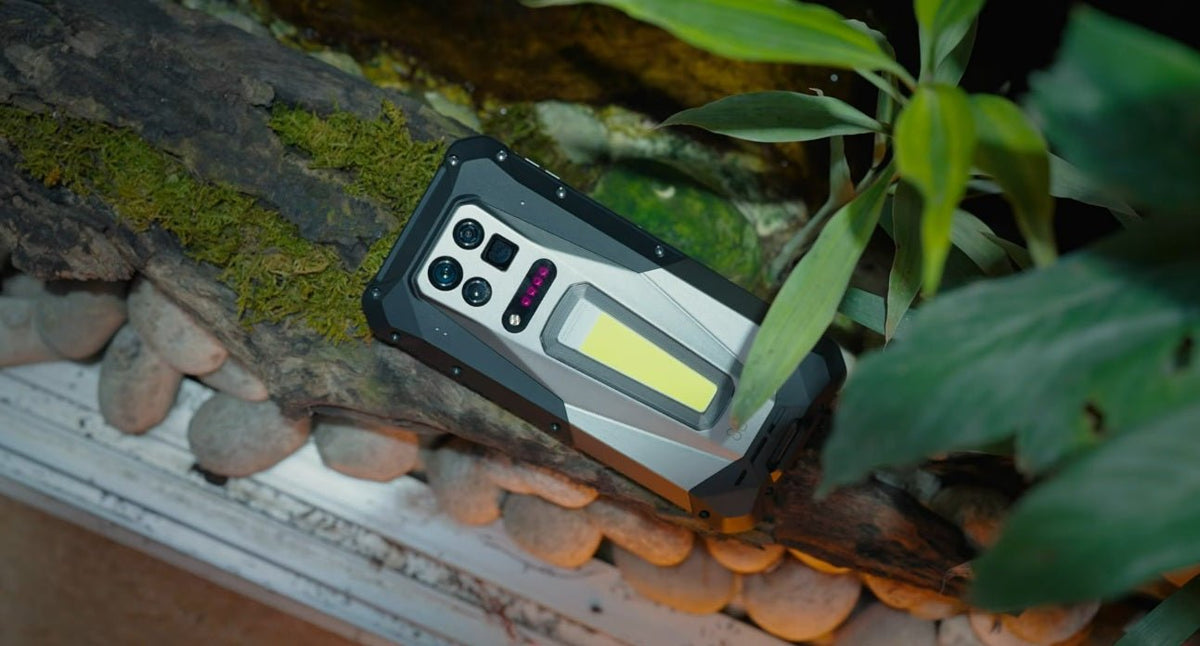
A Practical 8849 TANK X Rugged Phone for Your Needs
To make these criteria more concrete, it helps to look at a real device that brings multiple rugged phone features together in a practical way. A device like the 8849 TANK X Rugged Projector Phone illustrates how modern rugged phones are evolving beyond just durability. It combines IP68/IP69K protection with a reinforced structure, meaning it’s designed not only to survive water and dust, but also to operate reliably in demanding environments.

Here are some key features of the 8849 TANK X, based on verified product data:
- Built-in Projector: 220-lumen DLP projector with up to 1080p resolution, laser autofocus, and keystone correction, enabling practical projection for presentations and outdoor viewing.
- Night Vision: 64MP night vision camera supported by multiple infrared LEDs, designed for low-light visibility and outdoor observation.
- Battery & Fast Charging: 17,600mAh battery with 120W fast charging (full charge in ~70 minutes), plus reverse charging capability for other devices.
- Lighting (Camping + Emergency): Built-in high-brightness camping light (up to ~1200 lumens) and multi-mode emergency lighting for outdoor and low-light environments.
Final Thoughts
Choosing the right rugged phone ultimately comes down to understanding your own priorities rather than chasing the most extreme specifications. Whether your focus is durability, battery life, or specialized tools, the best decision is the one that aligns with how you actually use your device day to day. A well-chosen rugged phone should feel less like a compromise and more like a reliable tool that consistently performs when you need it most.
Instead of looking for a single “best” option, focus on matching features to real-world needs. When durability, endurance, and functionality are properly balanced, a rugged phone becomes not just a backup for tough situations, but a dependable primary device.
FAQs
1. Do rugged phones last longer than regular smartphones?
In many cases, yes. Rugged phones are designed with reinforced materials and protective structures that help them withstand drops, dust, and water exposure over time. While internal components age like any smartphone, their physical durability often allows them to remain usable for longer in demanding environments.
2. Are rugged phones too bulky for everyday use?
They are generally thicker and heavier than standard smartphones due to their protective design and larger batteries. However, this trade-off often results in significantly better durability and longer battery life. For users who prioritize reliability over slim design, the added bulk is usually manageable.
3. Are extra features like projectors or night vision actually useful?
It depends on your needs. For most users, these features may not be essential. However, in specific scenarios, such as outdoor work, presentations, inspections, or camping, they can replace additional tools and add real convenience. The key is to choose features that serve a clear purpose rather than selecting them purely for novelty.
Share:
How to Choose the Best Projector Phone?
Rugged Tablet Price Guide 2026: How to Choose a Rugged Tablet?