


Rugged tablets are specialized mobile rugged devices designed to operate reliably in harsh environments where standard consumer tablets may fail. With reinforced structures, durable components, and enhanced protection against environmental hazards, they are widely used in industries that require dependable computing in the field. This guide explains what rugged tablets are, how they differ from ordinary tablets, and why they play an important role in modern industrial and field operations.
What Is a Rugged Tablet?

A rugged tablet is a tablet computer specifically engineered to withstand demanding working conditions such as drops, vibration, dust, water exposure, and extreme temperatures. Unlike conventional consumer tablets that prioritize slim designs and entertainment features, rugged tablets focus on durability, reliability, and functionality in professional environments.
Most rugged tablets are built with reinforced housings, shock-absorbing materials, and sealed components that protect the device from physical and environmental damage. Many models are designed to meet recognized durability standards, such as:
- IP ratings for dust and water resistance;
- MIL-STD-810H military standard for shock, vibration, humidity, and temperature tolerance.
Rugged tablets combine the portability of a tablet with the resilience of industrial equipment, making them an essential tool for professionals who rely on mobile computing in challenging environments.
Key Features of Rugged Tablets
Rugged tablets are designed with a set of features that allow them to operate reliably in demanding environments. The following features highlight what makes rugged tablets suitable for professional and outdoor use.
Durable and Reinforced Construction
The defining characteristic of rugged tablets is their ability to withstand physical stress. Most models feature reinforced frames, shock-absorbing materials, and sealed internal components that protect the device from drops, vibration, and impacts. Many are tested against industry standards such as IP ratings for dust and water resistance and MIL-STD-810H for durability under extreme environmental conditions.
Sunlight-Readable Displays
Rugged tablets are often used outdoors, where standard screens can become difficult to read. To solve this problem, many rugged devices use high-brightness displays with anti-glare coatings and enhanced contrast. Some models also support glove touch or wet-touch operation, allowing workers to interact with the screen without removing protective gear.
Long Battery Life
Field operations may require devices to operate for an entire shift without reliable access to charging. Rugged tablets typically include large batteries designed for extended use, and some models support hot-swappable batteries, allowing users to replace the battery without shutting down the device. This ensures continuous operation during long workdays.
Expanded Connectivity and Ports
Compared with consumer tablets, rugged tablets often provide more connectivity options to support professional tools and equipment. In addition to Wi-Fi and Bluetooth, many models support cellular networks, GPS, and specialized ports such as USB, Ethernet, or serial connections. These options make it easier to integrate the tablet into industrial systems and field operations.
Flexible Operating Systems
Rugged tablets commonly run operating systems such as Android or Windows, allowing them to support enterprise software, data collection apps, and industry-specific tools. This flexibility makes them suitable for tasks like inspections, asset management, mapping, and real-time reporting directly from the field.

Applications of Rugged Tablets
Rugged tablets are widely used in industries and activities where mobility, durability, and reliable computing are essential. Instead of being limited to offices or indoor environments, these devices support workers and users in real-world situations. Below are some common scenarios where rugged tablets play an important role.
Industrial Environment
Inside a busy factory or warehouse, equipment operators and technicians often rely on digital systems to monitor production lines, check machine data, or manage inventory. A rugged tablet allows them to carry this information directly onto the shop floor, even in environments with dust, vibration, or occasional drops. Workers can quickly access technical manuals, run diagnostic applications, or update production records without returning to a stationary computer.
Fieldwork
Many field professionals spend most of their day outside the office. On construction sites, project managers may review blueprints, record progress, or document safety inspections directly from a rugged tablet. Utility technicians can use the device to access infrastructure maps while inspecting power lines or pipelines. In transportation and logistics, drivers and fleet managers rely on rugged tablets for route tracking, delivery confirmation, and real-time communication with dispatch systems.
Healthcare
Rugged tablets can support mobility while maintaining reliability and hygiene. Medical staff may use them during ward rounds to review patient records, update treatment information, or check medication schedules. In emergency situations or mobile clinics, rugged tablets can also assist with patient registration and remote communication with hospital systems, helping healthcare professionals maintain access to critical data wherever care is delivered.
Military and Defense
Military operations often take place in extreme and unpredictable environments. Rugged tablets provide soldiers and field personnel with portable access to maps, communication tools, and mission-critical data. Whether used in vehicles, command centers, or outdoor operations, these devices must continue functioning despite vibration, temperature changes, or exposure to dust and moisture.
Outdoor Adventure
Rugged tablets are also useful beyond professional environments. Outdoor enthusiasts may use them during camping trips, overland travel, or long hiking expeditions. With durable construction and large displays, a rugged tablet can serve as a navigation tool, digital map reader, entertainment device, or even a portable media center at the campsite, all while handling rough handling and changing weather conditions.
Benefits of Rugged Tablets
Rugged tablets are designed to perform in environments where ordinary mobile devices struggle to operate reliably. Their durability and specialized features make them valuable tools for professionals who depend on mobile computing during demanding tasks.
- High durability and resistance to drops, dust, water, and vibration
- Reliable performance in extreme temperatures and harsh environments
- Longer device lifespan compared with standard consumer tablets
- Reduced downtime and maintenance costs in field operations
- Strong battery life suitable for long shifts and outdoor work
- Better compatibility with industrial equipment and enterprise software
- Improved productivity for workers who need mobile access to data
Drawbacks of Rugged Tablets
Despite their advantages, rugged tablets may not be the best option for every user. Their design priorities focus on durability and reliability, which can introduce certain limitations compared with standard tablets.
- Higher purchase cost than typical consumer tablets
- Thicker and heavier designs due to reinforced construction
- More industrial appearance compared with sleek consumer devices
- Limited model variety in comparison with mainstream tablets
- Sometimes lower emphasis on entertainment features or high-end displays
Choosing a High-Quality, Long-Lasting Rugged Tablet
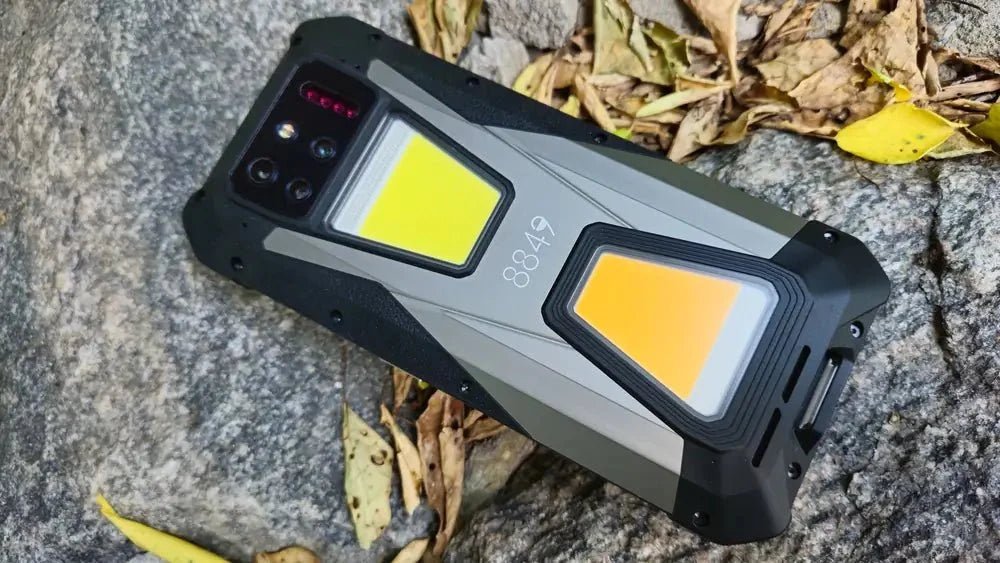
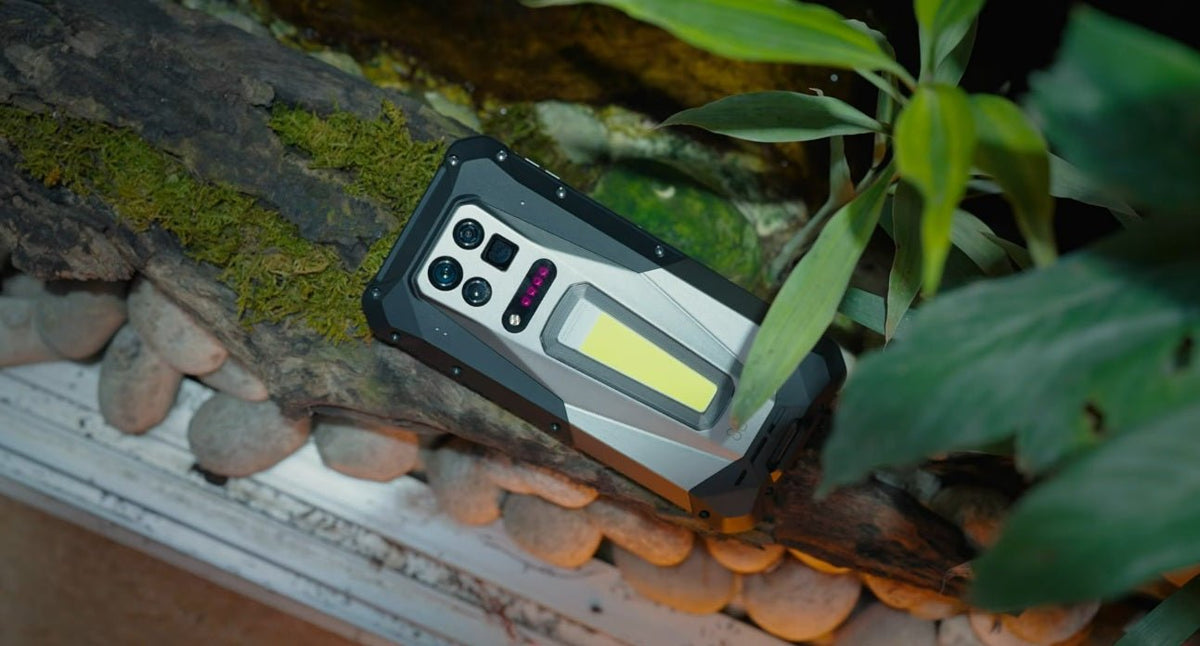
One notable rugged tablet in this category is the 8849 TANK Pad Rugged Tablet, a device designed to combine industrial durability with advanced multimedia capabilities. Unlike most rugged tablets that focus purely on field productivity, this model introduces a built-in projector, allowing users to present materials, share videos, or display information directly from the device without additional equipment.

Powered by a MediaTek Dimensity 8200 processor and equipped with a massive battery, it is built to handle demanding workloads while maintaining long operating time in outdoor or industrial environments. Its rugged construction, large display, and versatile features make it suitable for both professional field tasks and outdoor adventures.
Key Features of 8849 TANK Pad:
✅Built-in 100-lumen DLP projector for presentations and media sharing
✅Massive 21,000mAh battery with 66W fast charging
✅10.95-inch FHD display with high brightness for outdoor visibility
✅Up to 32GB RAM (including extended memory) and 512GB storage, expandable to 2TB
✅5G connectivity with Wi-Fi 6 for fast and stable network access
✅50MP rear camera and 32MP front camera for clear photos and video calls
✅IP68/IP69K protection and rugged design for harsh environments
✅Built-in camping light and warning lights for outdoor and emergency use
✅Dual speakers and loud audio suitable for noisy environments
Conclusion
Rugged tablets are designed to deliver reliable performance in environments where ordinary tablets may struggle to survive. With reinforced construction, long battery life, and specialized features for field operations, they have become valuable tools across industries such as manufacturing, construction, healthcare, and defense. Whether used for professional fieldwork or outdoor activities, choosing a rugged tablet ultimately depends on the user’s environment, workload, and durability requirements.
FAQs About Rugged Tablets
1. Are rugged tablets suitable for office use?
Yes, rugged tablets can be used in office environments just like regular tablets. Most models run common operating systems such as Android or Windows and support standard productivity software, communication tools, and enterprise applications. However, their rugged design—thicker bodies and reinforced frames—means they are usually chosen for environments where durability is important rather than purely for desk-based work.
2. How long do rugged tablets usually last?
Rugged tablets are designed to have a longer service life than typical consumer devices. A standard consumer tablet usually lasts around 3–5 years, while many rugged tablets are built to remain operational for 5 years or more thanks to reinforced hardware and industrial-grade components; a single full charge typically supports 10–48 hours of continuous use, depending on the battery capacity, screen brightness, and the type of applications being used.
3. Is 8849 a reliable brand for rugged tablets?
8849 is known for producing rugged mobile devices such as rugged smartphones and tablets designed for outdoor, industrial, and adventure scenarios. The brand focuses on durability, large battery capacity, and specialized features, such as projector phones or high-capacity rugged tablets, to support demanding environments.
Share:
What are Rugged Devices? A Complete Guide
5 Best Rugged Phone Brands in 2026