


A projector phone combines two devices that you normally carry separately: a smartphone and a portable projector. Instead of relying on a laptop, TV, or external projector to share content on a larger surface, you can project videos, photos, presentations, or other visual content directly from your phone. It sounds convenient, but that does not automatically mean everyone needs one.
The real question is how often you would use the projection feature and where you would use it. For some people, it can be a practical tool for work, travel, outdoor activities, or group entertainment. For others, a regular smartphone may be more than enough. Understanding where a projector phone is genuinely useful can help you decide whether it is worth having one.
What Is a Projector Phone and How Does It Work?
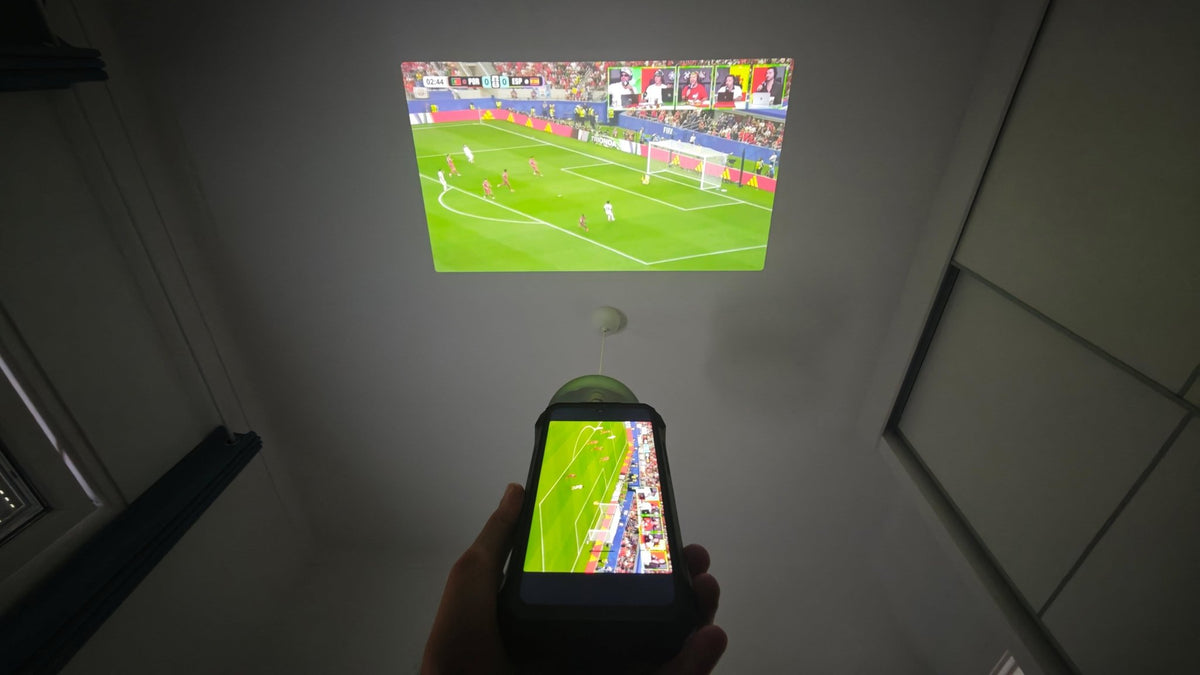
A projector phone is a smartphone with a built-in projector that can display the phone’s content on a larger surface, such as a wall or screen. Instead of carrying a separate mini projector, you can use the same device for everyday phone tasks and occasional large-screen viewing.
The basic process is straightforward. The phone sends images or video to its built-in projection system, which uses a light source and optical components to enlarge and project the content onto a nearby surface. Depending on the model, you may also find features such as autofocus and keystone correction to make setup faster and the projected image easier to view.
Like any compact projector, its usefulness depends on factors such as brightness, resolution, projection distance, and battery capacity. These factors affect where you can use it, how clear the image looks, and how long you can project content before needing to recharge. In other words, a projector phone is designed primarily for convenience and portability rather than replacing a full-size projector in every situation.
When Does a Projector Phone Make Sense?
A projector phone becomes useful when your phone needs to do more than serve as a personal screen. Its main advantage is the ability to turn individual content into something you can share with a group, without adding another device to your bag. The following situations are where that capability can make the most practical difference.
When You Need a Quick Presentation Setup
If you regularly need to show presentations, product information, diagrams, or other visual materials away from a conventional office, a projector phone can simplify the setup. You can pull up the content on your phone and project it onto a suitable wall or screen instead of finding a projector and connecting it to a computer.
This can be especially useful for field sales, on-site demonstrations, training sessions, and temporary workspaces where presentation equipment may not be readily available.
When You Spend a Lot of Time Outdoors
Outdoor activities can create situations where carrying extra equipment is inconvenient. Whether you are camping, traveling, or spending time at a remote work site, a projector phone can provide a larger viewing experience without requiring a separate portable projector.
For example, you could project a map, instructions, training material, or other visual information for several people to see at once. The value here is less about having the biggest possible image and more about having a display available when you need one.
When You Want to Share Entertainment With a Group
A phone screen works well for one person, but it becomes less practical when several people want to watch the same content. A projector phone can turn a wall or other suitable surface into a shared viewing area for movies, videos, photos, or even mobile games.
This can be handy during camping trips, family gatherings, or casual evenings with friends. Instead of passing one phone around or asking everyone to crowd around a small screen, you can create a more comfortable group-viewing experience.
When You Need a Display for Teaching or Training
Not every teaching or training environment has a projector ready to use. A projector phone can provide a simple alternative when you need to show information to a small group, particularly in temporary or mobile settings.
It can be useful for displaying diagrams, instructions, educational videos, or step-by-step demonstrations. The ability to carry both the source device and projector in one phone can make spontaneous teaching or training sessions easier to organize.
When You Want One Device Instead of Several
Sometimes the biggest necessity is simply reducing the amount of equipment you have to carry. A traditional setup might require a phone or laptop, a portable projector, cables, and possibly additional accessories. A projector phone combines the core functions into one device.
That does not make it the best replacement for every projector or presentation setup. However, if you value portability and frequently find yourself wishing you had a larger screen available, having projection built into your phone can be a practical convenience rather than an extra feature you rarely use.
Who Can Benefit Most From a Projector Phone?
A projector phone is not designed for everyone, but it can be particularly useful for people who often need to share content away from fixed screens or traditional presentation equipment. These users may get more value from having projection built directly into their phone:
- Field professionals: Quickly show presentations, product information, diagrams, or instructions at different work locations.
- Travelers: Carry a phone and projector in one device instead of packing separate equipment.
- Teachers and trainers: Display educational materials or demonstrations in temporary teaching environments.
- Outdoor enthusiasts: Enjoy videos, photos, or maps with a group while camping or traveling.
- Mobile presenters: Keep a presentation tool available without depending on a laptop and external projector.
- People who value portability: Combine everyday smartphone functions with occasional large-screen projection in a single device.
When Is a Projector Phone Probably Not Necessary?
A built-in projector can be convenient, but convenience does not always equal necessity. If your daily habits rarely call for a larger shared display, a conventional smartphone may be the more practical choice.
- You mostly watch content alone: A phone or tablet screen may already provide everything you need.
- You give formal presentations regularly: A dedicated projector can offer better brightness, image quality, and presentation flexibility.
- You usually use your phone in bright environments: Compact projectors generally work better when ambient light is limited.
- You rarely need to share your screen: If group viewing is uncommon, the projection feature may sit unused most of the time.
- You prioritize a lighter phone: Built-in projection hardware can add to a phone's size and weight.
- You want the simplest setup: If you have no real use for projection, paying for and carrying the extra hardware may not make much sense.
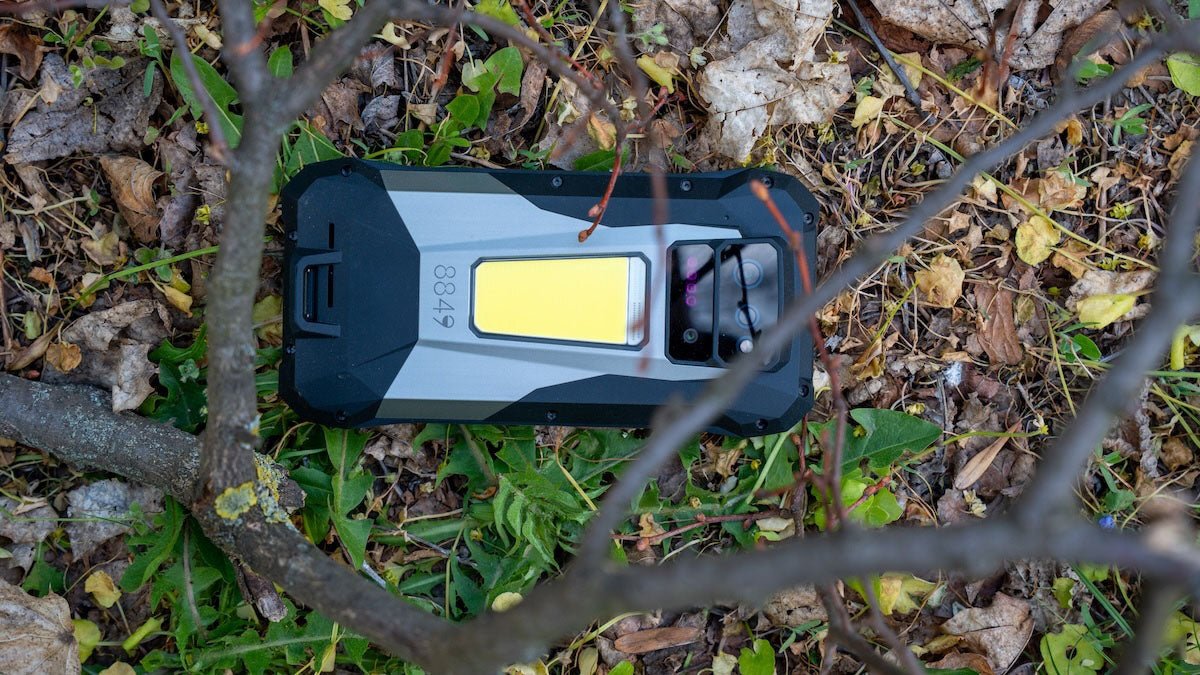
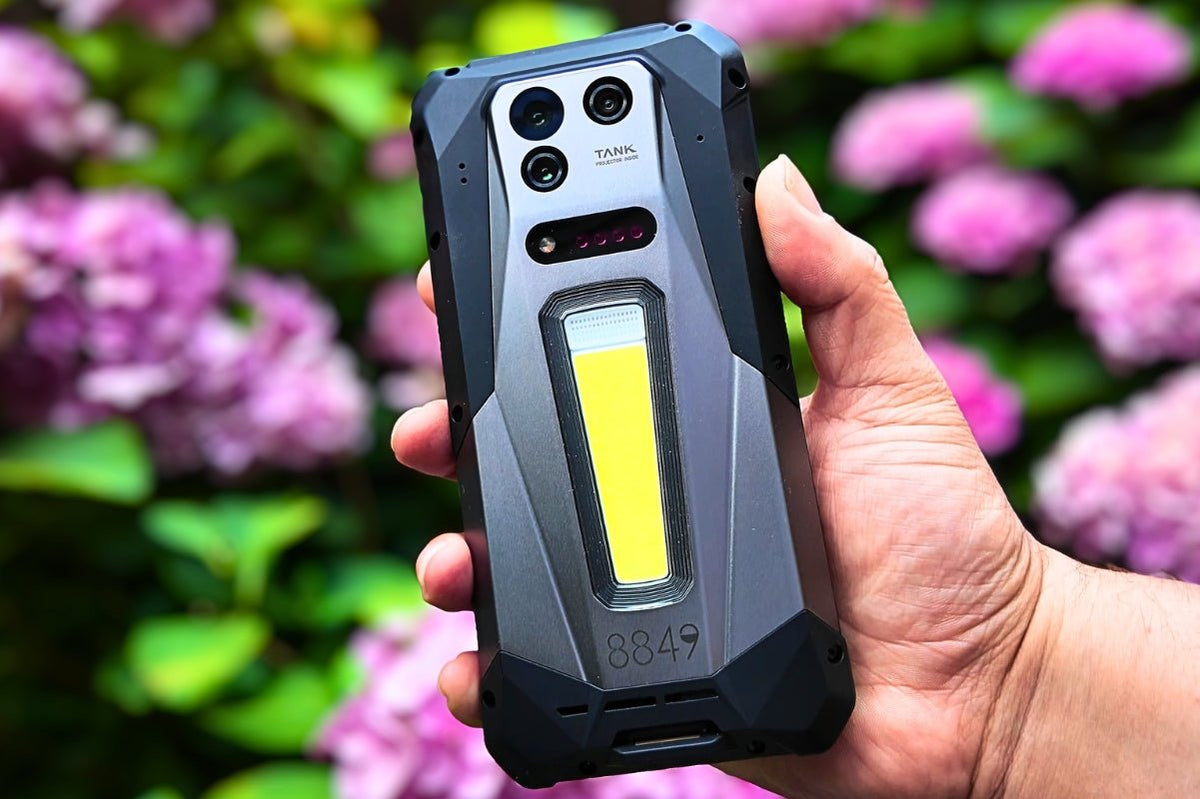
8849 TANK 5 Pro: A Projector Phone for More Demanding Uses

If you want a projector phone that goes beyond portable entertainment and presentations, the TANK 5 Pro is an interesting example. It combines a 2K projector with professional-oriented thermal imaging and rugged hardware, making it better suited to outdoor work, field inspections, and other demanding situations.
- 95° Ultra-Wide Thermal Imaging: Uses a FLIR® Lepton 3.1R sensor with 160×120 resolution and a wide 95° field of view for broader thermal inspections.
- 2K Projector: Provides 220-lumen projection with laser autofocus, ±45° keystone correction, and a built-in 4-meter rangefinder.
- Dimensity 9400e: A flagship 4nm octa-core chipset designed to handle demanding apps, multitasking, and mobile entertainment.
- 3K AMOLED Display: Features a 6.73-inch 3K AMOLED display with a 120Hz refresh rate and up to 3,000 nits peak brightness.
- 17,600mAh Battery: A large-capacity battery paired with 120W fast charging, useful when projection and other power-intensive functions are used away from a charger.
Is a Projector Phone Right for You?
A projector phone makes the most sense when you regularly need to share content on a larger surface but do not want to carry a separate projector. It can be a useful tool for work, travel, outdoor activities, teaching, or group entertainment.
On the other hand, if you mainly use your phone for individual viewing and rarely need projection, the extra hardware may not offer enough value. Ultimately, the right choice depends less on how impressive the feature sounds and more on whether it fits the way you actually use your phone.
If you are looking for a device that combines projection with the durability and features needed for demanding environments, 8849 phones are worth considering.
Share:
What Is WiFi Calling and How Does It Work?
Why is My Phone Lagging? Causes and Fixes