

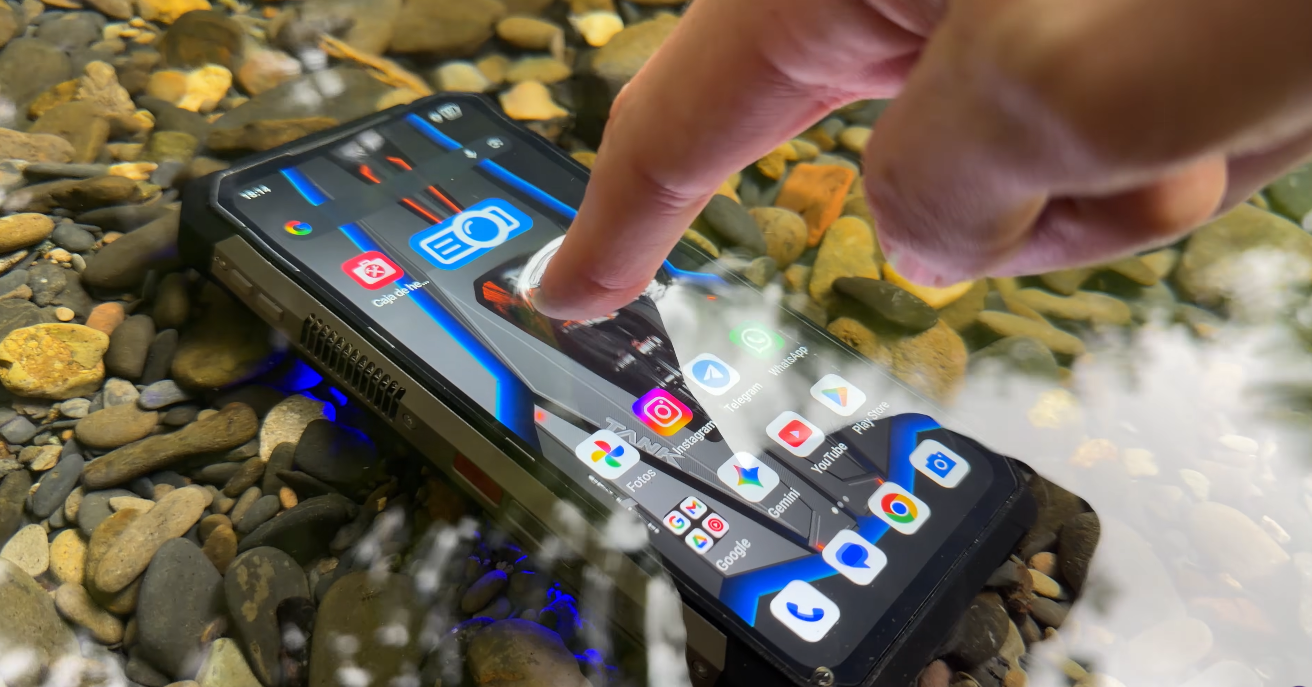
Choosing the right phone size is just as important as selecting the right processor, camera, or display quality. A phone that's too small may feel cramped when watching videos or multitasking, while one that's too large can be uncomfortable to hold, carry, or use with one hand.
With smartphones now ranging from compact models to nearly 7-inch devices, finding the right fit depends on your lifestyle and daily habits rather than simply choosing the biggest screen available.
In this guide, we'll explain what phone size actually means, compare the most common screen sizes, and explore the key factors to consider before buying your next smartphone.
What Does Phone Size Actually Mean?
When manufacturers advertise a phone as having a 6.3-inch or 6.8-inch display, they're referring to the screen size—not necessarily the overall size of the device. Understanding how phone size is measured and what influences a phone's physical dimensions can help you compare different models more accurately.

Screen Size vs. Physical Dimensions
Phone size is measured by the diagonal length of the display, from one corner of the screen to the opposite corner, and is expressed in inches. However, this measurement only describes the display itself. The phone's overall dimensions, including its height, width, thickness, and weight, also determine how comfortable it feels to hold, carry, and operate. As a result, two phones with the same screen size may not feel identical in everyday use.
Why Screen-to-Body Ratio Matters
Screen-to-body ratio refers to the percentage of the phone's front surface occupied by the display. A higher ratio means the bezels surrounding the screen are thinner, allowing manufacturers to fit a larger display into a body that isn't significantly bigger. For example, many modern 6.7-inch smartphones are physically similar in size to older 6.2-inch models because advancements in display design have reduced the space taken up by borders.
This is why you shouldn't judge a phone solely by its screen size. Factors such as bezel thickness, display aspect ratio (such as 20:9 or 19.5:9), curved or flat edges, and the overall chassis design all influence how large a phone feels in your hand. When comparing devices, checking both the screen size and the phone's physical dimensions provides a much better indication of its real-world usability.
Common Phone Sizes and Who They're Best For
There's no single "perfect" phone size for everyone. Compact smartphones prioritize portability and one-handed comfort, while larger models offer more screen space for entertainment, gaming, and productivity. The table below compares today's most common smartphone size categories and highlights who each one is best suited for.
| Screen Size | Best For | Example Phones |
|---|---|---|
| 6.1 inches and below | One-handed use, portability, minimalist users | Apple iPhone 16 (6.1") |
| 6.2–6.5 inches | Everyday use, social media, photography, balanced experience | Samsung Galaxy S25 (6.2"), Google Pixel 9 (6.3") |
| 6.6–6.8 inches | Gaming, streaming, multitasking, bigger batteries | Google Pixel 10 Pro XL (6.8"), 8849 Tank 5 (6.73") |
| 6.9 inches and above | Outdoor work, rugged phones, productivity, maximum battery life | HONOR Magic V5 (unfolded display), Samsung Galaxy S25 Ultra (6.9") |
Compact Phones (6.1" and Below)
Compact phones are designed for users who value portability above all else. They fit comfortably in most pockets, are easy to operate with one hand, and are ideal for everyday communication without adding unnecessary bulk.
Benefits:
- Easy to use with one hand.
- Lightweight and comfortable to carry all day.
- Fits easily into small pockets and bags.
- Great for calling, messaging, and everyday browsing.
Medium Phones (6.2"–6.5")
Medium-sized phones strike the best balance between portability and screen space, making them the most popular choice for everyday users. They provide enough room for watching videos, browsing the web, and taking photos while remaining comfortable to hold for extended periods.
Benefits:
- Well-balanced size for most users.
- Comfortable for both one- and two-handed use.
- Suitable for entertainment, photography, and productivity.
- Easier to carry than larger flagship phones.
Large Phones (6.6"–6.8")
Large smartphones offer a more immersive viewing experience and typically include larger batteries and premium hardware. They're well suited for gaming, video streaming, multitasking, and users who spend long hours on their phones.
Benefits:
- Larger display for movies and games.
- Better multitasking experience.
- Typically offers longer battery life.
- Ideal for content creation and media consumption.
Extra-Large Phones (6.9" and Above)
Extra-large phones are designed for users who prioritize screen space, endurance, and specialized features over portability. Many rugged phones and foldable devices fall into this category, making them popular among outdoor professionals, travelers, and power users.
Benefits:
- Maximum screen space for productivity.
- Often paired with high-capacity batteries.
- Better suited for demanding outdoor or work environments.
- Excellent for extended gaming, navigation, and multitasking.
Does a Bigger Phone Always Mean a Better Experience?
While a larger phone offers more screen space for gaming, streaming, reading, and multitasking, it isn't automatically the best choice for everyone. Bigger devices are often heavier, less comfortable to use with one hand, and can be more difficult to carry in a pocket. For many users, these trade-offs outweigh the benefits of having a larger display.
Instead of focusing solely on screen size, consider how you use your phone every day. A device that feels comfortable in your hand and fits your daily routine will usually provide a better long-term experience than simply choosing the biggest model available.
Other Screen Features to Consider
Choosing the right phone size is important, but it's only one part of the overall display experience. Before making a purchase, it's worth considering several other screen features that affect image quality, responsiveness, and everyday usability.
Display Technology
The type of display has a significant impact on color accuracy, contrast, and power efficiency. AMOLED displays offer deeper blacks, more vibrant colors, and better energy efficiency, while IPS LCD screens are often more affordable and provide natural color reproduction.
Screen Resolution
Screen resolution determines how sharp text, images, and videos appear on the display. A higher resolution generally delivers a clearer viewing experience, although Full HD+ is already more than sufficient for most smartphone users, while QHD+ and above are typically found on premium devices.
Refresh Rate
Refresh rate refers to how many times the screen updates each second, measured in hertz (Hz). Standard 60Hz displays are suitable for everyday use, while 90Hz, 120Hz, or higher refresh rates provide smoother scrolling, animations, and gaming performance.
Screen Brightness
Brightness affects how easy it is to view your phone in different lighting conditions. Displays with higher peak brightness remain more readable under direct sunlight and offer a better experience when watching HDR content.
PPI (Pixels Per Inch)
PPI measures the number of pixels packed into each inch of a display, making it a useful indicator of screen sharpness. A higher PPI generally results in crisper text and finer image details, but once a smartphone reaches around 400 PPI or higher, most users will find it difficult to notice significant improvements during everyday use.
Popular 8849 Phones by Size
If you're looking for a large-screen rugged smartphone, the 8849 lineup offers several models that combine expansive displays with premium hardware and exceptional battery life. The following devices both feature 6.73-inch displays but cater to different users through their unique projector capabilities and flagship specifications.
8849 Tank 5 (6.73")

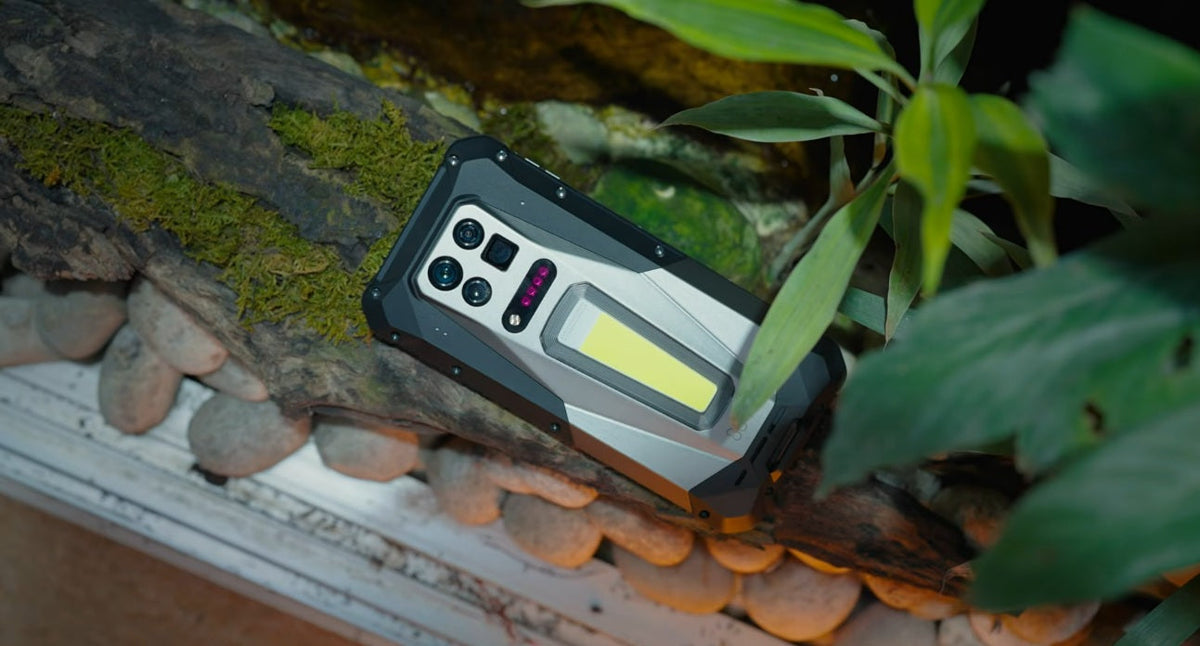
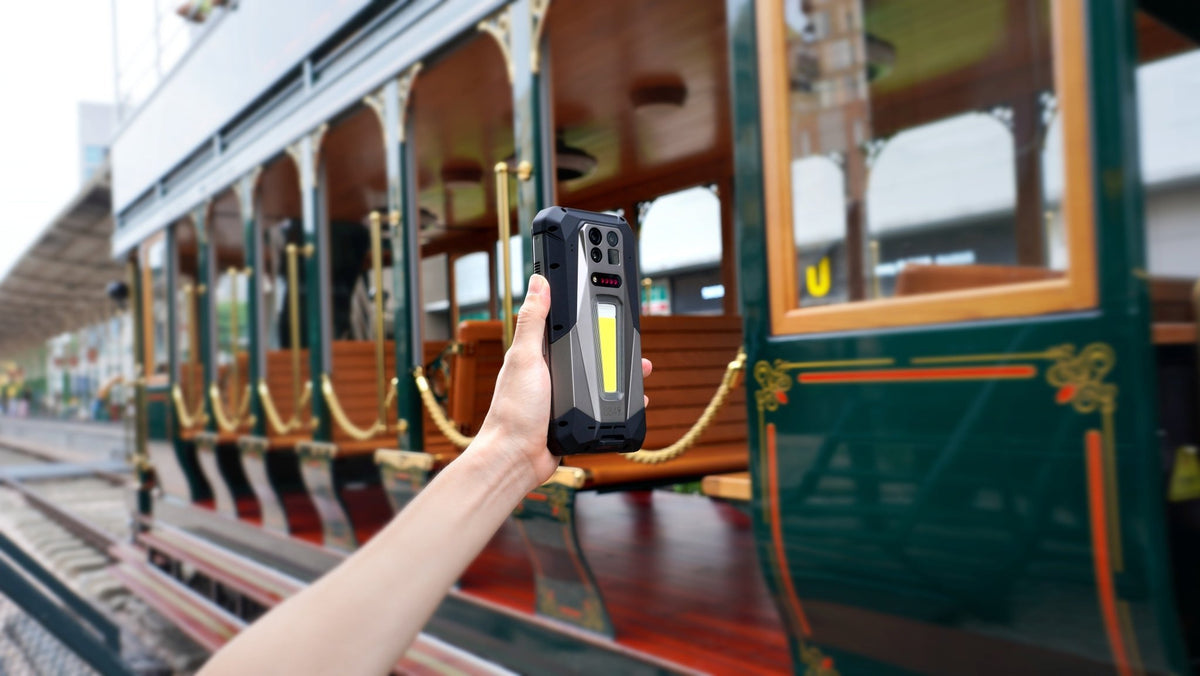
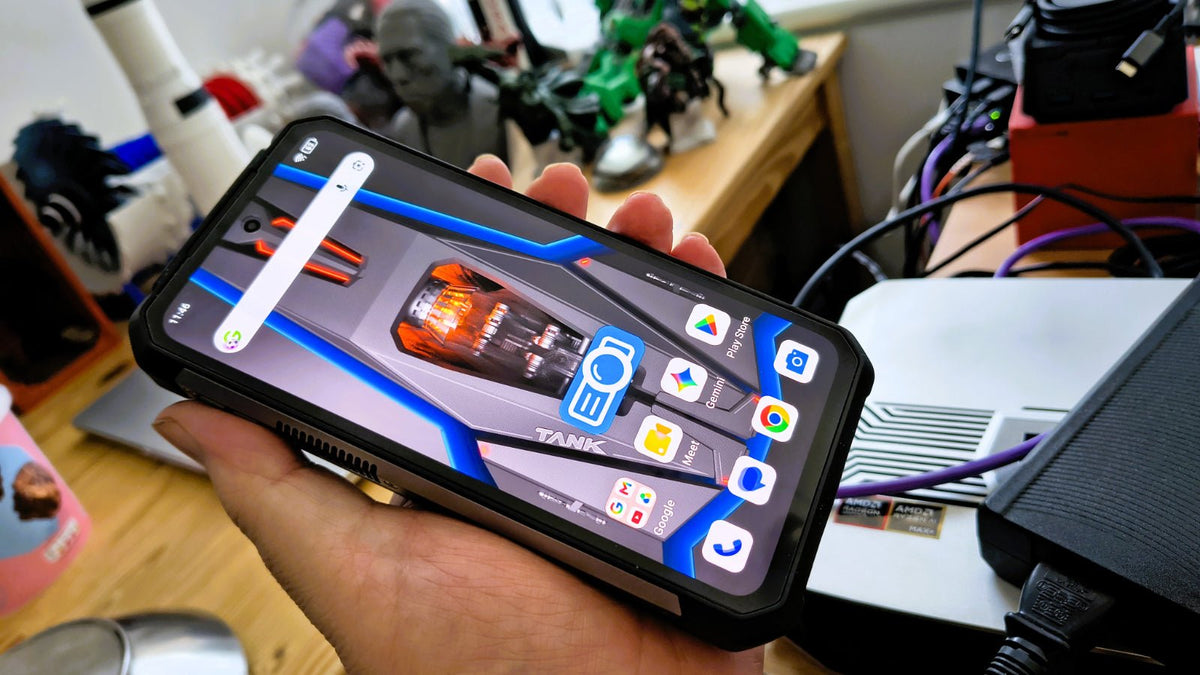
The 8849 Tank 5 features a large 6.73-inch AMOLED display with a sharp 3200 × 1440 resolution, delivering vibrant colors, deep contrast, and excellent detail for gaming, streaming, and productivity. Despite its large screen, it's designed for users who need a rugged phone that can handle demanding outdoor environments while offering flagship-level performance and an integrated projector.
Key Features:
- 2K built-in projector for presentations and entertainment.
- MediaTek Dimensity 9400e 5G flagship processor.
- Massive battery for extended outdoor use.
- eSIM support alongside dual-SIM connectivity.
8849 Tank 4 Pro (6.73")

The 8849 Tank 4 Pro also comes with a 6.73-inch AMOLED display and 3200 × 1440 resolution, providing a premium viewing experience with rich colors and crisp visuals. Designed for professionals, travelers, and outdoor enthusiasts, it combines a large immersive display with rugged durability and a built-in projector for added versatility.
Key Features:
- Built-in 720p projector for portable projection.
- MediaTek Dimensity 8300 processor.
- IP68/IP69K and MIL-STD rugged protection.
- Powerful camping light and long-lasting battery for outdoor adventures.
Final Thoughts
Choosing the right phone size is about finding the best balance between comfort, portability, and functionality. While larger phones offer a more immersive experience for gaming, streaming, and productivity, compact models remain ideal for users who prioritize one-handed use and easy portability.
By considering screen size alongside features like display technology, resolution, refresh rate, and PPI, you can confidently select a smartphone that fits your lifestyle. If you're looking for a rugged device with a large display and premium features, models like the 8849 Tank 5 and 8849 Tank 4 Pro are excellent options worth considering.
FAQs
What is the size of a phone screen?
Phone screen size refers to the diagonal measurement of the display, from one corner to the opposite corner, and is measured in inches. Modern smartphones typically range from around 6.1 inches to 6.9 inches, with 6.3–6.8 inches being the most common sizes today.
What is a good size phone screen?
A good phone screen size depends on your needs. For most users, a display between 6.3 and 6.7 inches offers the best balance of portability, viewing comfort, and productivity. If you prefer one-handed use, a smaller screen may be a better fit, while larger displays are ideal for gaming, streaming, and multitasking.
Are 6.7-inch phones too big?
Not necessarily. A 6.7-inch phone is considered a large smartphone, but thanks to slimmer bezels and improved designs, many modern devices remain comfortable to hold with two hands. If you frequently watch videos, play games, or work on your phone, a 6.7-inch display can provide an excellent viewing experience, though users who prioritize portability may prefer a smaller device.
Deli:
Introducing Phone Screen Resolution: A Complete Guide
How to Choose the Right Phone Screen Size?