

Your hands interact with your phone hundreds of times every day. Whether you're replying to messages with one thumb, watching videos on the couch, reading articles during your commute, or taking photos on the go, the size of your phone's screen affects how comfortable each of those moments feels.
Choosing the right phone screen size isn't simply about getting the biggest display available. It's about finding a balance between comfort, portability, and the activities you use your phone for most. In this guide, we'll explore the key factors to help you choose a screen size that fits both your hands and your lifestyle.
Understanding Common Phone Screen Sizes
Before deciding which phone screen size is right for you, it helps to understand how manufacturers generally group their devices. While there isn't a strict industry standard, most smartphones fall into a few common size ranges, each designed to suit different users and everyday needs.
- 5.8–6.2 inches: Compact phones
Compact phones are ideal for users who value one-handed operation and easy portability. They fit comfortably in most pockets and are convenient for texting, calling, and everyday browsing. While the display offers less viewing space for videos or games, many people appreciate the lighter weight and comfortable grip. Examples include the iPhone 16 and Samsung Galaxy S25.
-
6.3–6.6 inches: Balanced all-rounders
This range has become the sweet spot for many smartphone users. It provides enough screen space for streaming, social media, reading, and casual gaming while remaining comfortable to carry throughout the day. If you want a phone that performs well in almost every situation, this size is often the safest choice. Examples include the iPhone 16 Pro and Google Pixel 9 Pro.
-
6.7 inches and above: Large-screen phones
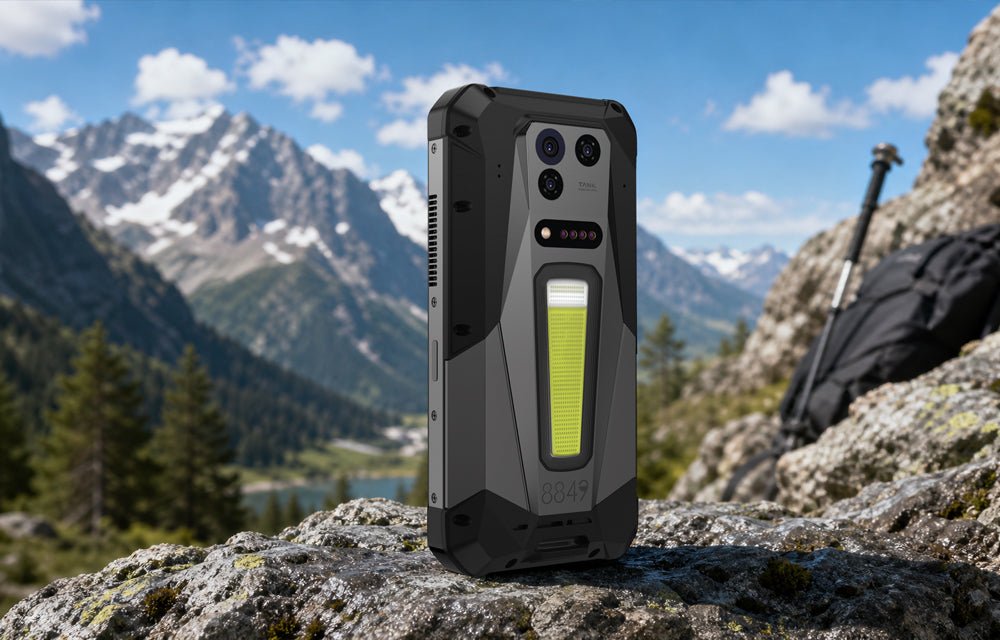
Large displays are designed for users who spend a lot of time watching videos, playing games, multitasking, or working on their phones. They often come with bigger batteries and premium features, although the increased size and weight can make one-handed use more challenging. Examples include the iPhone 16 Pro Max, Samsung Galaxy S25 Ultra, and 8849 TANK 5.
While these three categories cover most smartphones on the market, there are exceptions. Foldable phones can unfold into tablet-sized displays while remaining relatively compact when closed, making them an alternative for users who want maximum screen space without always carrying a large device.
👉You can learn more about phone screen size here
Factors to Consider for Phone Screen Size
The right phone screen size depends on how you use your device every day. Instead of choosing the biggest or smallest display, consider the activities that matter most to you and how they influence your overall experience.
#1 One-Handed Comfort
If you frequently use your phone with one hand, screen size can make a noticeable difference. Smaller displays are easier to reach with your thumb, making it more comfortable to reply to messages, browse social media, or answer calls while you're on the move. Larger phones often require two-handed operation for certain tasks, especially if you have smaller hands.
#2 Media Consumption
For watching videos, streaming movies, or browsing photos, a larger screen creates a more immersive viewing experience. The extra display space makes details easier to see and reduces the need to zoom in, which is especially useful for high-resolution content. If entertainment is one of your priorities, a larger phone is often worth considering.
#3 Gaming Performance
Many mobile gamers prefer larger screens because they provide more room for on-screen controls and make it easier to spot details during gameplay. While screen size itself doesn't improve a phone's processing power or graphics performance, it can make games feel more comfortable and engaging during longer gaming sessions.
#4 Reading and Productivity
Whether you're reading eBooks, reviewing documents, writing emails, or multitasking with split-screen apps, a larger display gives you more usable workspace. You'll spend less time scrolling through long articles and have more room for editing spreadsheets or taking notes. However, if your workload is relatively light, a medium-sized phone can still offer an excellent balance between productivity and portability.
#5 Portability and Pocket Fit
A phone should be comfortable to carry as well as comfortable to use. Compact and medium-sized devices fit more easily into pockets, handbags, and small backpacks, making them a practical choice for commuting, traveling, or everyday errands. Larger phones offer more screen space but can feel bulky in tighter pockets or during extended periods of carrying.
#6 Battery Capacity and Weight Trade-offs
Larger phones often include bigger batteries because they have more internal space, which can translate into longer battery life. However, they also tend to weigh more, and that extra weight becomes noticeable when holding the phone for long periods. It's also worth remembering that battery life depends on more than battery capacity alone—display technology, processor efficiency, and software optimization all play important roles.
Should You Buy a Foldable Instead?
If you're looking for the largest possible screen without carrying a permanently oversized phone, a foldable device may be worth considering. When folded, it remains relatively compact for carrying and one-handed use. Once opened, it offers a much larger display that's ideal for multitasking, watching videos, reading documents, or gaming. In many ways, foldables combine the portability of a standard smartphone with the screen space of a small tablet.
That said, foldable phones aren't the right choice for everyone. They typically cost significantly more than traditional smartphones, and not everyone needs the extra screen space they provide. If your daily activities are well served by a conventional phone, a standard 6.3- to 6.8-inch display will likely offer a better balance of usability and value. Foldables are best suited to users who regularly multitask, work on the go, or simply want the flexibility of a larger screen in a device that's still easy to carry.
Which Phone Screen Size Is Best for You?
After considering how you'll use your phone, there's one more important factor to keep in mind: how it feels in your hand. A phone that looks perfect on paper may become uncomfortable if it's difficult to grip or operate throughout the day. As a general rule, people with smaller hands often prefer compact or medium-sized phones for easier one-handed use, while those with larger hands may find bigger displays more comfortable and immersive. Ultimately, the best screen size is one that balances comfort with the activities you enjoy most.
| If you... | Recommended screen size |
|---|---|
| Have smaller hands or prefer one-handed use | 5.8–6.2 inches |
| Want the best balance of comfort and versatility | 6.3–6.6 inches |
| Watch videos or movies frequently | 6.7 inches and above |
| Play mobile games regularly | 6.7 inches and above |
| Read eBooks or work on documents often | 6.3–6.7 inches |
| Prioritize portability and lighter weight | 5.8–6.3 inches |
| Want the largest display possible | 6.7 inches and above, or consider a foldable phone |
Choosing a Powerful Projector Phone

If you've decided that a large-screen phone best matches your needs, it's worth choosing one that makes full use of that extra display space. The 8849 TANK 5 is a good example. It combines a large 6.73-inch AMOLED display with a 3K resolution, delivering sharp visuals for streaming, gaming, reading, and everyday use. Beyond the screen itself, the TANK 5 also features a built-in projector, making it an excellent option for users who want entertainment and productivity in a single rugged device.
- 6.73-inch 3K AMOLED Display: Enjoy vibrant colors, deep contrast, and crisp details on a large screen that's ideal for videos, games, and multitasking.
- Built-in 2K Projector: Project movies, presentations, or photos onto a larger surface without carrying a separate projector, making it perfect for travel, camping, or business meetings.
- Massive 17,600mAh Battery: A high-capacity battery helps support the large display and projector while providing reliable all-day power for demanding users.
- Flagship Performance: Powered by the MediaTek Dimensity 9400e processor with generous memory and storage options, the TANK 5 delivers smooth performance for gaming, multitasking, and everyday applications.
- Rugged Design with eSIM Support: Built to withstand harsh environments with rugged protection while also supporting eSIM connectivity for greater flexibility when traveling or managing multiple mobile plans.
Final Thought
The right phone screen size is the one that fits both your hands and your daily routine. While compact phones are easier to carry and use with one hand, larger displays offer a better experience for entertainment, gaming, and productivity. By considering factors such as comfort, portability, and how you use your phone most often, you can choose a device that feels natural to use every day.
If you're looking for a large-screen phone with premium display quality and added versatility, the 8849 TANK 5 is a strong option that combines a spacious AMOLED display, a built-in projector, and rugged durability in one device.
FAQs
What is the size of a phone screen?
A phone screen size refers to the diagonal measurement of the display, taken from one corner to the opposite corner. It is measured in inches, with most modern smartphones ranging from 5.8 to 6.9 inches. This measurement describes the display's physical size, not its resolution or the phone's overall dimensions.
Is 1920×1080 a screen size?
No. 1920 × 1080 is a screen resolution, not a screen size. It indicates that the display contains 1,920 pixels horizontally and 1,080 pixels vertically. Screen size, on the other hand, is the physical diagonal measurement of the display in inches. For example, two phones can both have a 1920 × 1080 resolution but different screen sizes, such as 6.1 inches and 6.7 inches, resulting in different pixel densities and viewing experiences.

Deli:
Choosing the Right Size for Your Phone
Night Vision: How Rugged Phones See in the Dark