

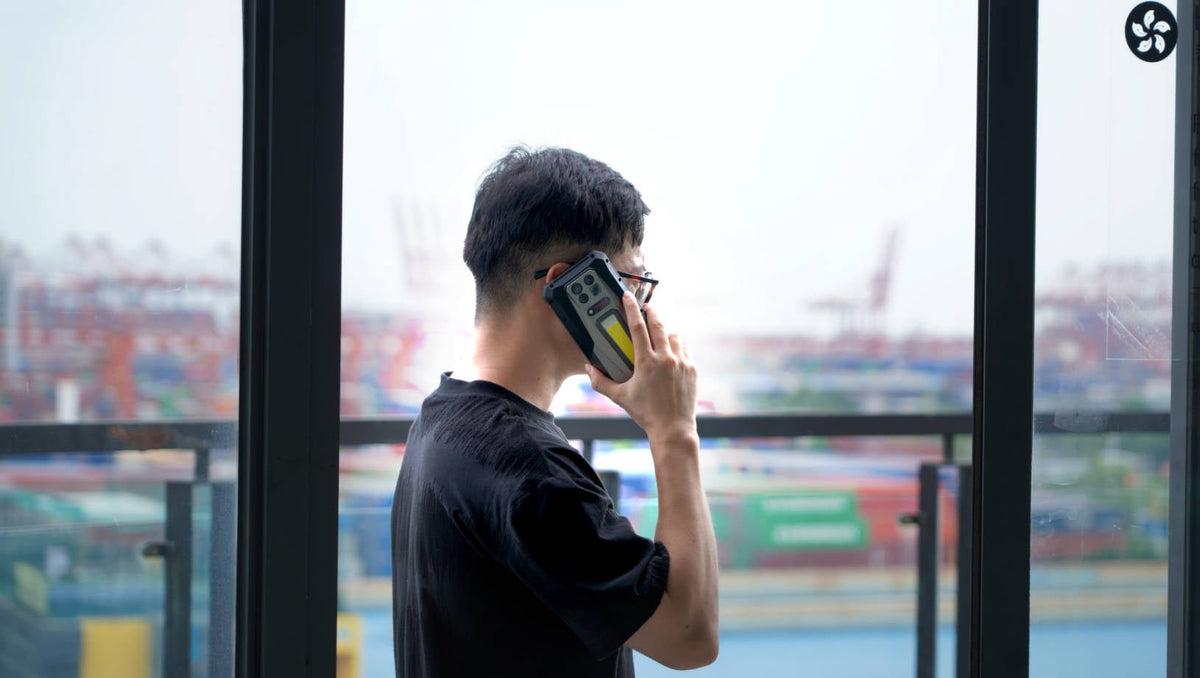
A smartphone used on a construction site, in the field, or on an outdoor trip has a very different job from one used mainly at home or in the office. It may need to handle rain, dust, accidental drops, long working hours, and constant movement while still keeping users connected to the information and people they rely on. That is where the combination of rugged hardware and 5G connectivity becomes particularly useful.
A 5G rugged phone is not simply a tougher smartphone with a faster network connection. It brings together durability, mobile connectivity, and the flexibility to handle demanding tasks in a single device. For field workers, outdoor professionals, travelers, and other users who cannot always depend on a comfortable indoor environment, this combination can make everyday communication and mobile work more practical. Here are five key advantages worth considering.
Faster and More Reliable Mobile Connectivity
For a rugged phone, having 5G is about more than simply putting a larger number next to the network icon. 5G was designed to deliver substantially higher data rates and lower latency than previous generations.
According to the ITU's IMT-2020 requirements, 5G targets a 20 Gbps peak downlink data rate and a 100 Mbps user-experienced downlink rate, while its target latency can be as low as 1 ms for ultra-reliable, low-latency applications. These are technical targets rather than speeds every user will experience, but they show the scale of the technology's intended improvement.
Real-world networks are already showing meaningful gains. In OpenSignal's June 2025 U.S. report, T-Mobile users recorded an average 5G Download Speed of 252.4 Mbps, compared with 177.5 Mbps for its overall download experience across network technologies. This extra bandwidth can make everyday tasks such as downloading large files, uploading field photos and videos, joining video calls, using cloud-based applications, or accessing online maps noticeably smoother, particularly when working away from a fixed broadband connection.
For people who spend much of their time outdoors or in the field, that difference can translate into more than convenience. A 5G rugged phone can provide the high-speed mobile connection needed to send information, access cloud services, and communicate with colleagues without relying on Wi-Fi. Of course, actual performance still depends on factors such as network coverage, spectrum, congestion, and the carrier, so 5G should not be treated as a guarantee of faster service everywhere.
Better Communication in Demanding Environments
When working conditions are unpredictable, communication needs to keep up. A 5G rugged phone can support fast voice and video calls, messaging, push-to-talk services, and real-time data sharing, making it easier for field teams to stay connected while moving between job sites or working in challenging environments. 5G's low-latency capabilities are also designed to support applications where responsive communication matters.
This can be particularly useful for construction crews, utility workers, logistics teams, and emergency personnel who need to exchange information quickly rather than wait until they return to an office or find a Wi-Fi connection. The rugged design adds another layer of practicality, allowing the same communication tool to remain useful in conditions where a conventional smartphone may be less suitable.
Greater Durability for Outdoor and Field Use
The key point is that 5G and ruggedness solve two different problems. 5G handles the connectivity side - helping a phone transfer data and communicate quickly—while the rugged design protects the device itself when the environment gets rough. A 5G rugged phone therefore brings network performance and physical durability together rather than treating them as competing features. This combination is already being used in devices designed for frontline and field workers.
On the durability side, users should look for features such as IP68/IP69K protection and MIL-STD-810H testing, depending on the conditions they expect to face. These can provide protection against dust, water, drops, vibration, and other environmental stresses, although the exact protection depends on the tests and conditions behind each rating.
The practical advantage is straightforward: there is little value in having a fast 5G connection if the phone cannot survive the environment where you need it. For construction sites, outdoor work, travel, logistics, or other demanding situations, rugged protection helps keep that 5G-connected device usable when a conventional smartphone may be more vulnerable to damage.
More Productivity with One Device
A rugged phone may look bulkier than a typical smartphone, but that does not necessarily make it less useful for productivity. In fact, the opposite can be true when the phone is designed as an all-in-one field tool. Modern rugged devices can combine communication, navigation, photography, data access, scanning, and work applications in one device, reducing the need to switch between a phone, scanner, radio, camera, or other equipment. Samsung, for example, cites a survey in which 75% of frontline and field-service workers reported using two or more devices during their workday.
This is where 5G adds another layer of value. A 5G rugged phone can keep cloud applications, file transfers, video calls, and real-time data accessible while users are away from their desks. The goal is not to replace a laptop for every task, but to give field workers a capable mobile workstation that can handle more of their daily tasks without constantly reaching for another device. Honeywell, for instance, describes its 5G rugged mobile computer as an all-purpose productivity solution for logistics, warehouse, and field-service workers.
More Confidence When You're Away from the Office
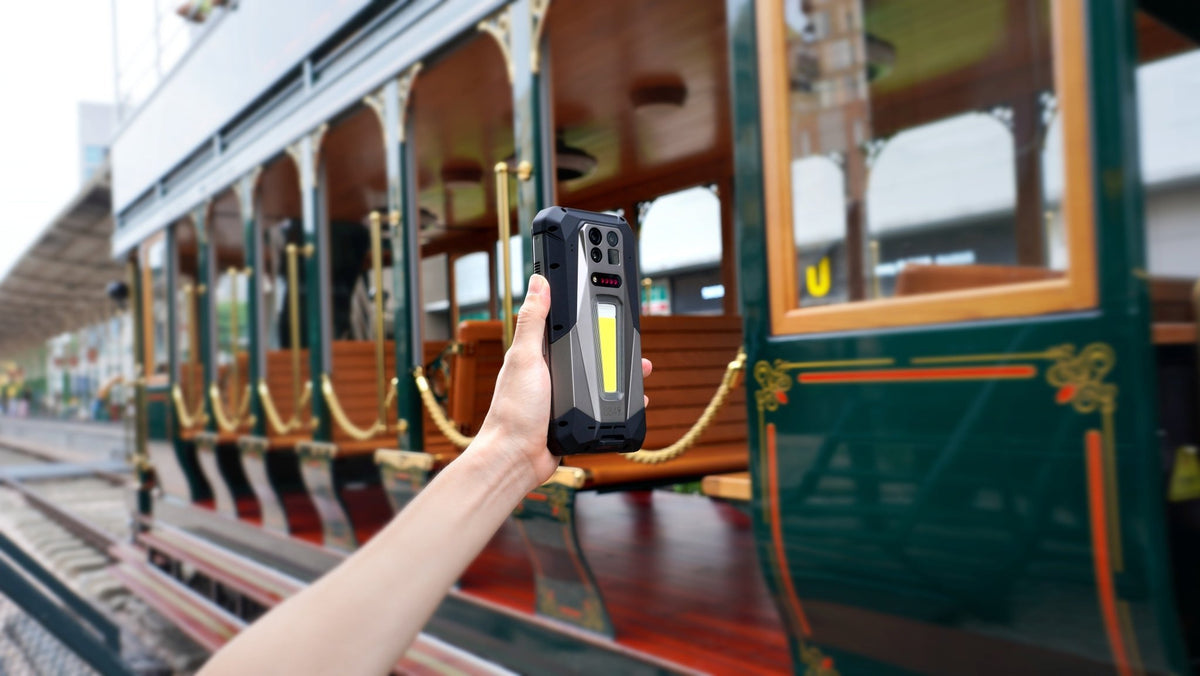
Working away from the office often means dealing with conditions that a standard smartphone was not designed for. A 5G rugged phone can combine dependable connectivity with features built for field situations, such as dual-frequency GPS, large batteries, programmable PTT keys, powerful lights, or specialized cameras.
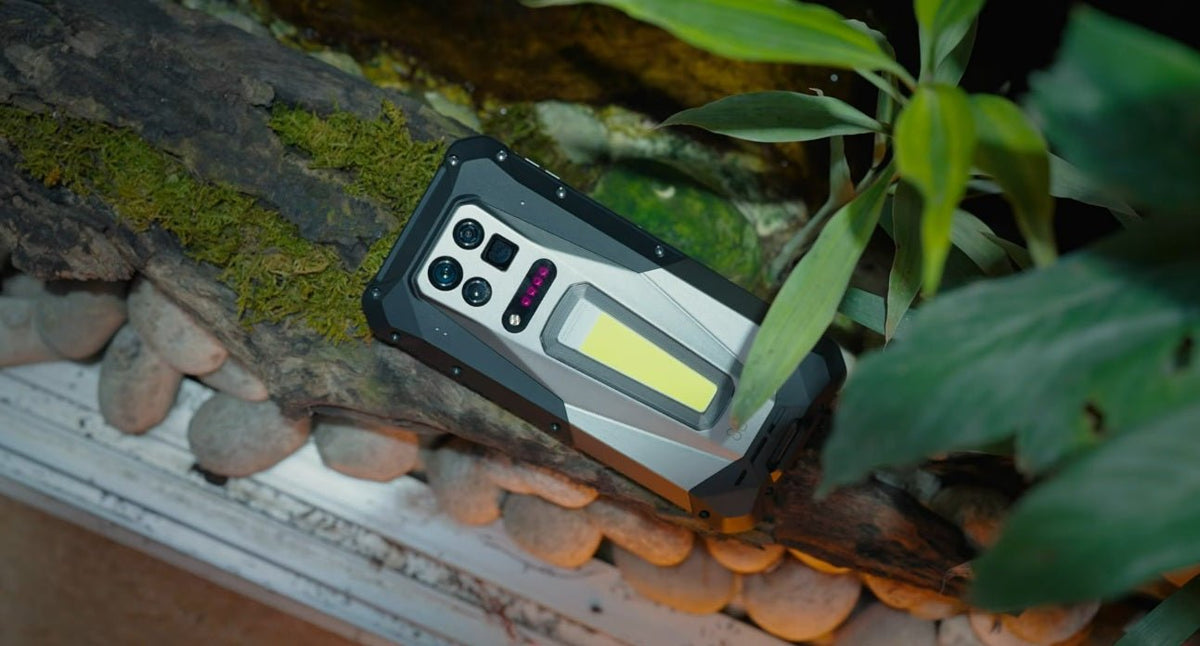
Some devices go even further: the 8849 TANK 5 Pro, for example, adds a 95° ultra-wide FLIR thermal imaging camera, 2K projector, laser rangefinder, and night-vision camera, turning the phone into a much more versatile tool for inspections, navigation, communication, and outdoor work.
That combination can make a difference when returning to an office is not practical. A device such as the 8849 TANK X combines 5G connectivity with a 17,600mAh battery, night vision, a 220-lumen 1080p projector, laser rangefinder, and emergency lighting. The idea is not that every user needs all these functions, but that having the right tools built into one rugged device can provide greater confidence when work or adventure takes you beyond familiar indoor environments.
Final Thoughts
A 5G rugged phone brings together two important qualities: the connectivity needed to stay productive and the durability needed to keep working in challenging environments. For users who regularly spend time outdoors or in the field, additional features can make that combination even more useful. If you are looking for a device built around this approach, explore 8849 phones for rugged smartphones that combine 5G connectivity with specialized features for work, travel, and outdoor use.
Share:
4 Best Rugged Android Phones in 2026
Why Is My Phone Battery Dying So Fast?