

People are spending more time on their mobile devices than ever before, whether it's working remotely, streaming movies, attending online classes, gaming, or staying connected with friends and family. As smartphones continue to grow larger and more powerful, many buyers find themselves asking an important question: Should I buy a phone or a tablet? While these devices share many features, they are designed with different priorities in mind, making the choice less straightforward than it may seem.
The good news is that there isn't a universal "better" option. The right choice depends on how you plan to use your device in everyday life. If portability and constant connectivity are your top priorities, a smartphone is often the better fit. If you value a larger display for productivity, entertainment, or creative work, a tablet may be the smarter investment. In this guide, we'll compare phones and tablets across the areas that matter most, helping you decide which device best matches your lifestyle and introducing a few rugged options for users who need extra durability outdoors.
Main Differences Between Phone and Tablet
At first glance, phones and tablets have more in common than ever before. Both can browse the web, stream videos, play games, run productivity apps, and even support video calls. However, they are designed with different priorities in mind. Understanding the key differences between the two can help you choose the device that better suits your daily routine and long-term needs.
Portability
Portability is one of the biggest factors separating a phone from a tablet. Most smartphones are compact enough to fit in your pocket, making them easy to carry throughout the day. They're always within reach for quick tasks like replying to messages, checking directions, taking photos, or making payments.
Tablets, on the other hand, require a bag or case to carry comfortably. While they aren't as convenient for on-the-go use, their larger size makes them more comfortable for longer activities such as reading, watching videos, or working on documents. If you're frequently traveling light, a phone offers greater convenience, while a tablet is better suited for situations where portability is less important than screen space.
Screen Size
Screen size has become one of the main reasons people compare phones and tablets. Today's smartphones typically feature displays between 6 and 7 inches, providing plenty of space for everyday browsing, streaming, and gaming. Tablets usually range from 10 to 13 inches, offering significantly more room for multitasking and immersive content.
A larger display doesn't just make everything appear bigger—it also changes how you interact with your device. Tablets make it easier to edit documents, view spreadsheets, sketch designs, or watch movies without feeling cramped. Phones, meanwhile, strike a better balance between viewing comfort and everyday portability.
Hardware and Performance
Modern phones and tablets are both capable of handling demanding tasks thanks to powerful processors and generous memory. For everyday activities like web browsing, video streaming, gaming, and productivity apps, you'll find excellent performance on either type of device.
The biggest difference lies in their design priorities rather than raw performance. Smartphones often place greater emphasis on camera systems, mobile connectivity, and all-day convenience because they serve as your primary device. Tablets, meanwhile, are built around a larger display that enhances productivity, entertainment, and multitasking, making them a better choice when screen space is your top priority.
Which Is Better for Different Tasks?
While phones and tablets can handle many of the same activities, they don't always deliver the same experience. The better choice depends on what you do most often and which features matter most in your daily life. The table below compares the two across the factors buyers typically consider before making a purchase.
| Category | Phone | Tablet |
|---|---|---|
| Portability | ★★★★★ Easy to carry in a pocket and use anywhere. | ★★★☆☆ Less portable and usually carried in a bag. |
| Communication | Best for calls, messaging, video chats, and mobile connectivity. | Supports messaging and video calls but isn't ideal as a primary communication device. |
| Entertainment | Great for casual streaming and gaming on the go. | Better for movies, reading, cloud gaming, and immersive media. |
| Productivity | Handles everyday tasks well but offers limited workspace. | Larger display makes multitasking, document editing, and note-taking much easier. |
| Photography | Excellent camera systems for everyday photography and video recording. | Cameras are generally designed for scanning documents and video calls rather than photography. |
| Battery Life | Designed to last a full day with regular use. | Typically offers longer screen-on time thanks to larger battery capacity. |
| Price | Wide price range, from budget models to premium flagships. | Entry-level tablets are affordable, while premium models can cost as much as high-end phones. |
| Long-Term Value | Replaces multiple daily essentials and is used almost constantly. | Delivers excellent value if you regularly consume media or need a larger screen for work or study. |
Neither a phone nor a tablet is universally better. If you need a device that goes everywhere with you and keeps you connected throughout the day, a smartphone is the more practical choice. If your priority is a larger display for work, entertainment, or creative tasks, investing in a tablet will provide a noticeably better experience.
Should You Buy a Phone or a Tablet?
By now, you've probably noticed that choosing between a phone and a tablet isn't about finding the more powerful device—it's about finding the one that fits your lifestyle. Think about how and where you'll use it most often. If one device aligns better with your daily habits, it's likely to deliver greater value in the long run.
Choose a Phone If...
A smartphone is the better choice if portability and convenience are your top priorities. Consider buying a phone if you:
- Need one device for calls, messaging, navigation, payments, and entertainment.
- Want a device that's easy to carry in your pocket every day.
- Travel frequently or spend a lot of time outdoors.
- Take photos and videos regularly.
- Need reliable 5G connectivity wherever you go.
- Prefer an all-in-one device for both work and personal use.
Choose a Tablet If...
A tablet is a smarter investment if you spend more time consuming content or working on a larger screen. Consider buying a tablet if you:
- Watch movies, TV shows, or YouTube videos for extended periods.
- Read e-books, digital magazines, or study materials regularly.
- Edit documents, take notes, or multitask between multiple apps.
- Enjoy drawing, designing, or other creative work with a stylus.
- Already own a smartphone and want a larger secondary device.
- Value a more immersive viewing experience over maximum portability.
Ultimately, there isn't a one-size-fits-all answer. A phone is the better everyday companion for most people because it combines communication, photography, and portability in a single device. A tablet, however, shines when your priority is productivity, entertainment, or creative work on a larger display. The best choice is simply the one that matches how you use technology every day.
Best Rugged Phone and Tablet for Outdoor Users
If you're looking for a device that can handle more than everyday use, a rugged phone or tablet is worth considering. Designed to withstand harsher environments than conventional devices, they offer extra durability for outdoor work, travel, camping, and adventure. Here are two options that stand out, depending on whether you prefer a phone or a tablet.
8849 Tank 5: Best Rugged Phone for Everyday Use
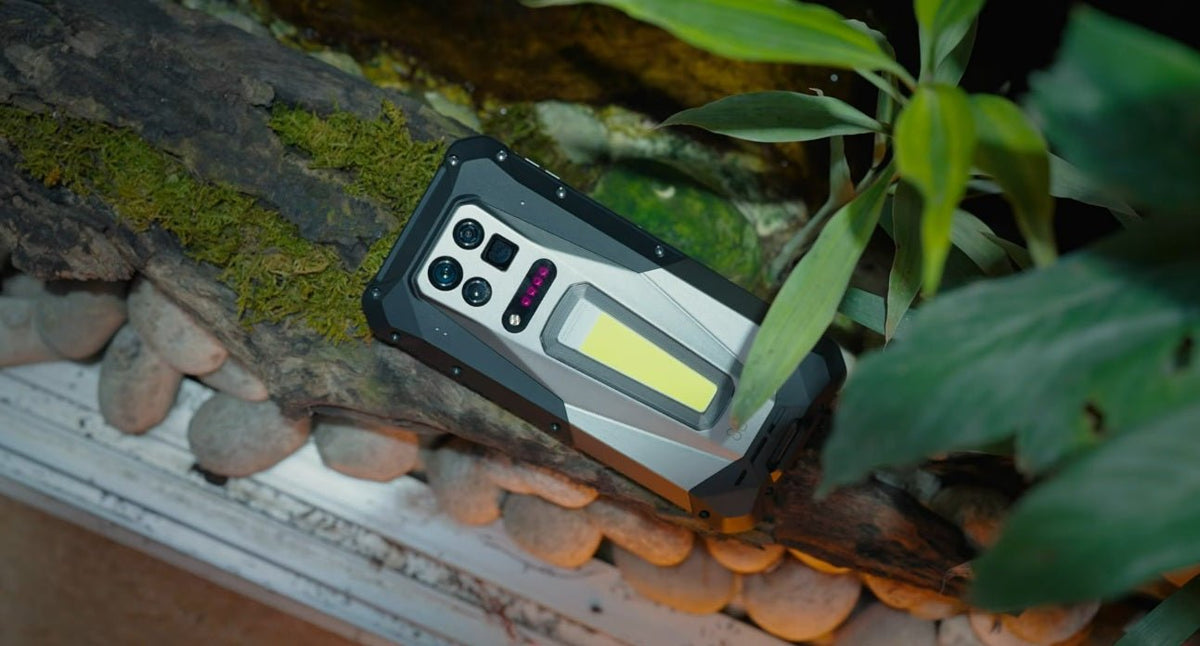
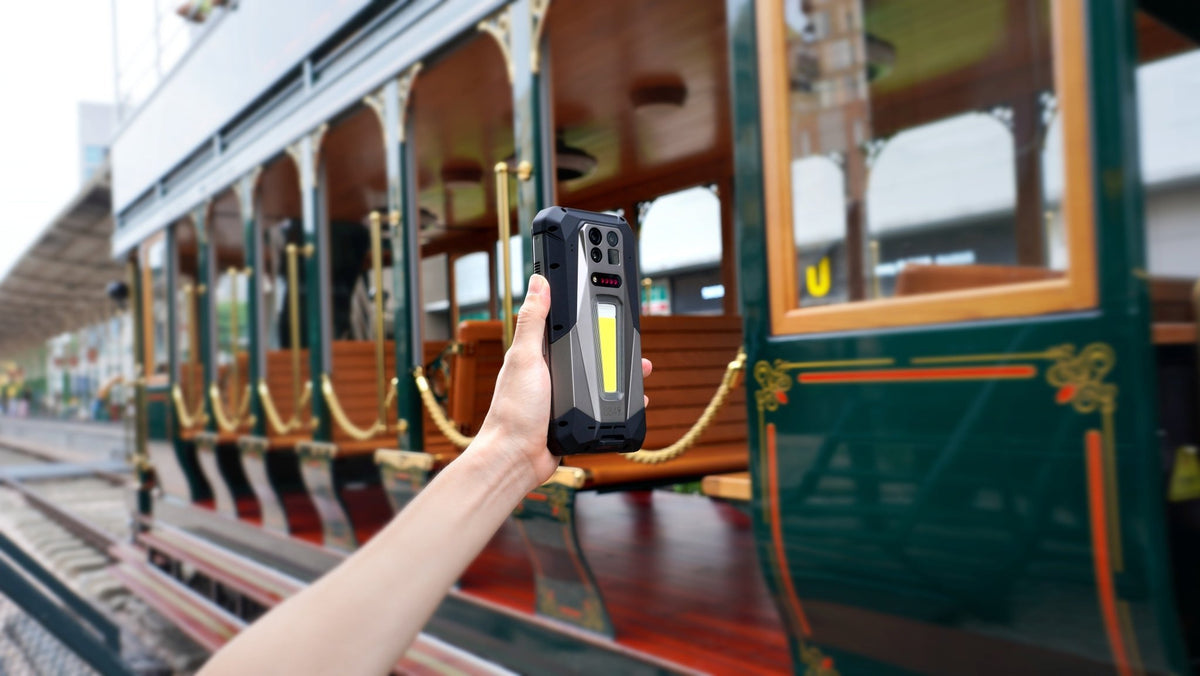
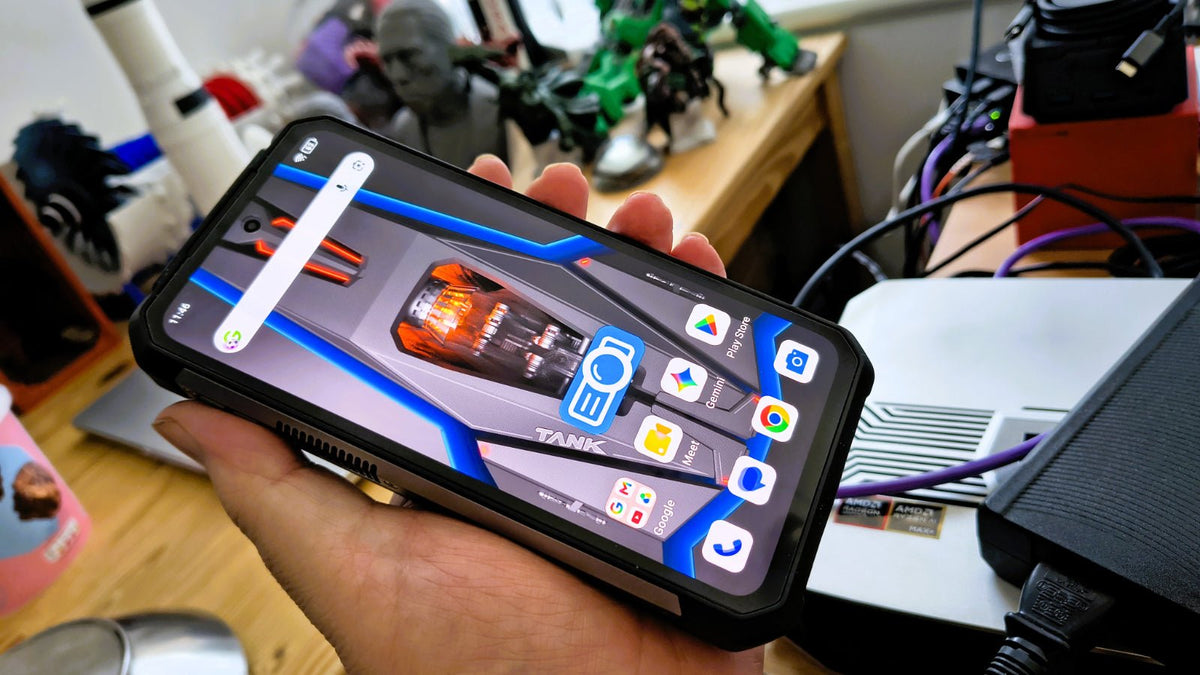
The 8849 Tank 5 is an excellent choice for users who want the convenience of a smartphone without compromising on durability. It combines flagship-level performance with features that make it practical for both daily life and outdoor adventures.

Key highlights:
✅6.73-inch 3K AMOLED display for sharp visuals and vibrant colors
✅Powerful MediaTek Dimensity 9400e processor with 5G connectivity
✅2K Built-in projector for sharing videos and presentations anywhere
✅eSIM support for diverse internet use
✅IP68/IP69K-rated rugged design for water, dust, and drop resistance
8849 Tank Pad Ultra: Best Rugged Android Tablet
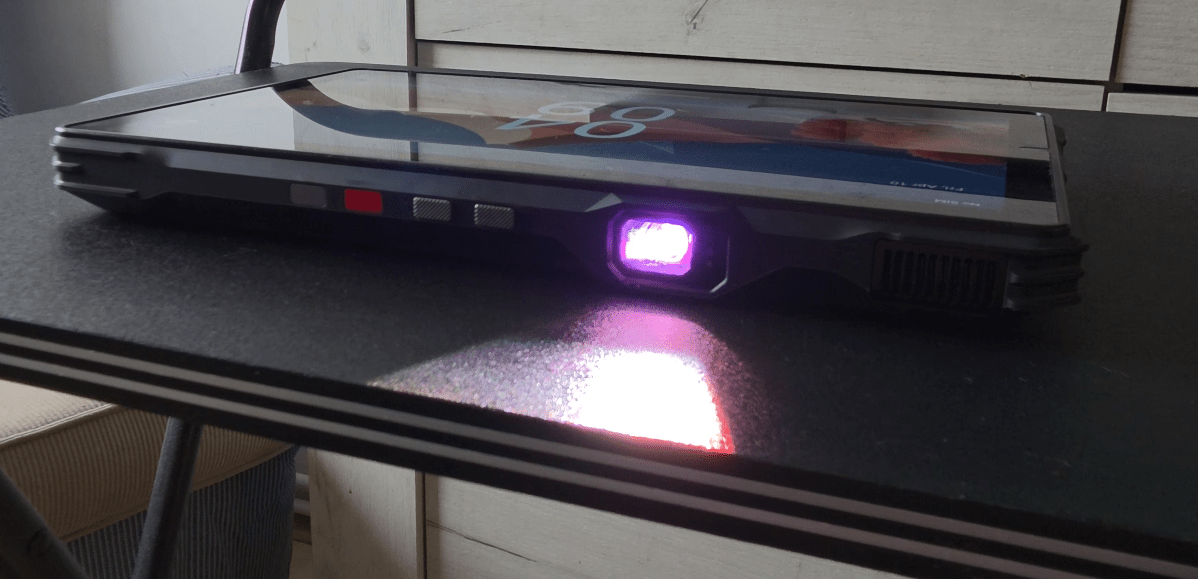
If a larger display is your priority, the 8849 Tank Pad Ultra offers a more immersive experience while maintaining the durability expected from a rugged device. Whether you're watching movies at camp, reviewing documents on-site, or using split-screen apps, its larger screen provides extra room to work and play.

Key highlights:
✅10.95" FHD+ display for productivity and entertainment
✅IP68/IP69K rugged construction built for demanding environments
✅23400 mAh battery designed for extended usage
✅Smooth performance for multitasking, streaming, and gaming
✅Ideal for camping, field work, travel, and outdoor projects
Whether you choose the Tank 5 or the Tank Pad Ultra ultimately comes down to how you use your device. If portability and all-in-one convenience matter most, the Tank 5 is the better fit. If you spend more time working, watching content, or multitasking on a larger screen, the Tank Pad Ultra offers a more comfortable and productive experience.
Can a Large Phone Replace a Tablet?
For many people, the answer is yes. Modern smartphones with displays approaching 7 inches are large enough to handle everyday activities like browsing the web, streaming videos, reading e-books, gaming, and even light productivity tasks. If you value portability and prefer carrying just one device, a large-screen phone can easily meet your daily needs while eliminating the need for a separate tablet.
However, a tablet still offers clear advantages when your work or hobbies benefit from additional screen space. Tasks such as editing documents, managing spreadsheets, taking handwritten notes, drawing with a stylus, or watching movies for extended periods are generally more comfortable on a 10-inch or larger display. Rather than replacing each other completely, large phones and tablets serve different purposes. A large phone is the better all-around companion for everyday use, while a tablet remains the stronger choice for productivity, entertainment, and creative work on a larger screen.
Final Thoughts
When comparing a phone and a tablet, there's no single right answer—only the right choice for your needs. A smartphone is the better all-around device for communication, portability, and everyday convenience, while a tablet excels at productivity, entertainment, and tasks that benefit from a larger display.
By considering how you use your device most often, you can confidently choose the one that delivers the best experience. And if durability is a priority, rugged devices like the 8849 Tank 5 and Tank Pad Ultra combine reliable performance with the toughness needed for work, travel, and outdoor adventures.
FAQs
Is there a tablet that's also a phone?
Yes. Some tablets support cellular connectivity and allow you to make phone calls using a SIM card or eSIM, often referred to as LTE or 5G tablets. While they're capable of functioning as a phone, their larger size makes them less convenient to carry or hold for everyday calling. Many users instead rely on Bluetooth headsets or speakerphone when using these devices.
Can a tablet be used as a phone?
Yes, provided the tablet supports voice calling through a cellular network or internet-based calling apps. Even Wi-Fi-only tablets can make calls using services such as WhatsApp, Skype, or Google Meet over an internet connection. However, for most people, a tablet works best as a companion device rather than a complete replacement for a smartphone due to its size and portability.
Share:
Best Waterproof Phones in 2026: A Complete Guide
What Is Thermal Imaging? A Complete Guide