

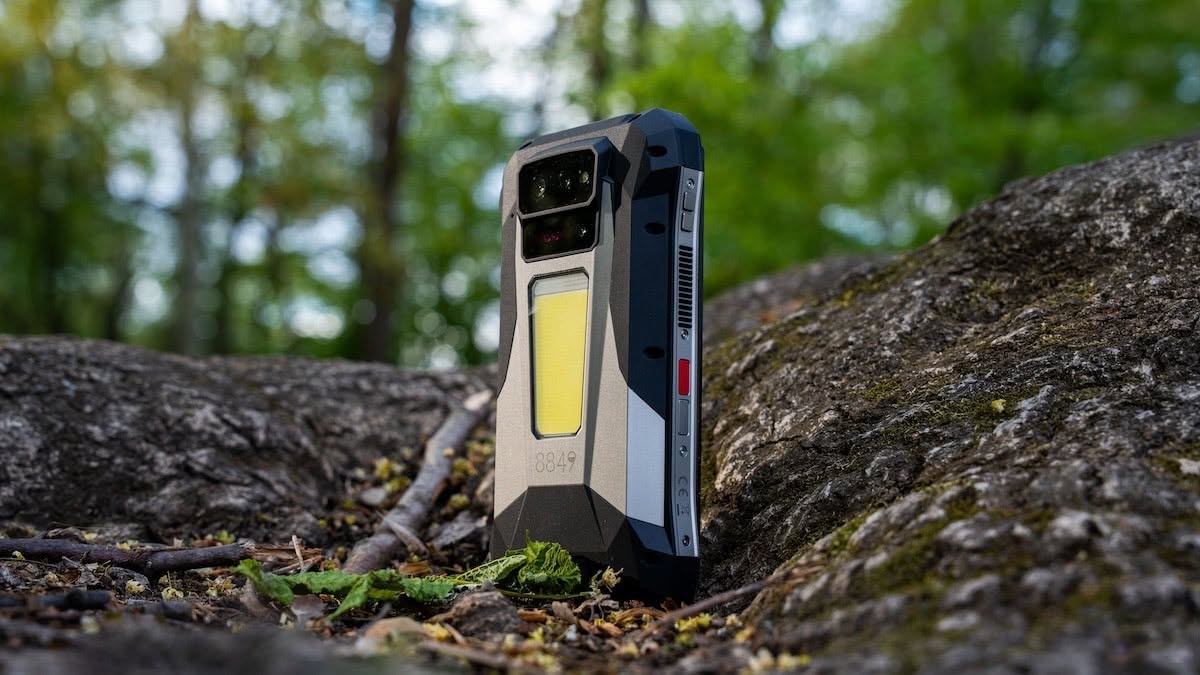
Dual-SIM phones have become far more common than they were a few years ago, especially as people rely on mobile devices for work, travel, entertainment, and daily communication. Instead of carrying two separate phones, users can now manage multiple phone numbers, carriers, or data plans on a single device. For many people, that flexibility is no longer just a convenience; it has become part of how they stay connected across different situations.
At the same time, not every dual-SIM phone delivers the same experience. Some models support advanced features like dual 5G standby and eSIM compatibility, while others make compromises with battery life, storage expansion, or network performance.
Choosing the right device, therefore, involves more than simply checking whether it has two SIM slots. Understanding the factors behind a dual-SIM phone can help buyers avoid limitations that may only appear after long-term use.
What Is a Dual-SIM Phone?
A dual-SIM phone is a smartphone that can use two SIM cards or SIM profiles at the same time, allowing users to connect to two mobile numbers or carriers on a single device. This setup is commonly used for separating work and personal contacts, combining local and international plans during travel, or improving network coverage in areas where one carrier may perform better than another. Depending on the phone, the dual-SIM system may use two physical SIM cards, a physical SIM combined with eSIM technology, or multiple eSIM profiles.
While the idea behind a dual-SIM phone is relatively simple, the actual user experience can vary significantly from one device to another. Some phones are designed mainly for casual convenience, while others are built for heavy multitasking, international travel, or business communication. Before buying a dual-SIM phone, it is worth looking beyond the basic specification sheet and understanding the features that affect network performance, battery life, storage flexibility, and long-term usability.
DSDS vs DSDA Support
One of the first things to check when buying a dual-SIM phone is whether it uses DSDS (Dual SIM Dual Standby) or DSDA (Dual SIM Dual Active) technology. DSDS is the more common setup in modern smartphones. In this system, both SIM cards remain on standby, but when one SIM is actively handling a call, the other SIM may temporarily become unavailable. For most everyday users, this works perfectly fine and helps reduce power consumption.
DSDA phones are less common because they require additional hardware, but they allow both SIMs to remain active simultaneously. This means users can receive a call on one number even while the other SIM is already in use. The difference becomes important for business users, travelers, delivery workers, or anyone who relies heavily on two active numbers throughout the day. While DSDA can provide a more seamless communication experience, it may also consume more battery power and increase device cost compared to standard DSDS phones.
5G Compatibility on Both SIMs
5G support is another important factor when choosing a dual-SIM phone, especially now that many carriers are expanding their 5G networks. Some dual-SIM phones only allow one SIM to use 5G at a time, while the second SIM remains limited to 4G or lower network standards. In daily use, this may not seem obvious at first, but it can affect mobile data speed, hotspot performance, call quality, and overall flexibility when switching between carriers.
More advanced dual-SIM phones support dual 5G standby, allowing both SIM cards to stay connected to 5G networks simultaneously when supported by the carrier and region. This can be especially useful for international travelers, remote workers, or users who rely on separate data and business lines throughout the day. However, maintaining two active 5G connections can also increase battery consumption, particularly in areas with unstable signals. Checking how a phone handles dual-SIM 5G connectivity helps buyers avoid unexpected limitations after purchase.
eSIM Support
Modern dual-SIM phones are no longer limited to using two physical SIM cards. Many newer devices now include eSIM support, like 8849 Tank 5, which allows users to activate a mobile plan digitally without inserting a traditional SIM card. This gives buyers more flexibility when choosing carriers, managing travel plans, or switching between networks. Depending on the phone, dual-SIM functionality may appear in several different forms:
- Physical SIM + eSIM
- Dual physical SIM
- Multiple eSIM profiles
For travelers and business users, eSIM technology can be particularly convenient because it allows users to add local data plans quickly without replacing their main SIM card. It can also simplify carrier switching and reduce the need to carry extra SIM cards during international trips.
However, eSIM is not automatically the best solution for every user. Many rugged phone users and outdoor travelers still prefer physical SIM cards because they are easier to swap in remote environments, simpler to troubleshoot, and less dependent on carrier compatibility or online activation services.
Battery Capacity
Battery life is one of the most important factors when buying a dual-SIM phone because maintaining two active network connections naturally increases power consumption.
Compared to single-SIM devices, dual-SIM phones often perform additional background tasks such as searching for signals, maintaining standby connections, and switching between carriers. The impact becomes even more noticeable when both SIMs use 4G or 5G networks regularly throughout the day.
Several factors can affect battery performance on a dual-SIM phone:
- Dual 5G standby and mobile data usage
- Weak signal areas that force the phone to search for networks constantly
- Frequent hotspot or tethering use
- International roaming on one or both SIM cards
- Heavy communication apps running on separate numbers
For users who travel frequently, work outdoors, or rely heavily on mobile connectivity, a larger battery can make a significant difference in daily usability. Phones with high-capacity batteries are generally better suited for long trips, navigation, field work, and extended communication without constant charging. This is especially important for dual-SIM users who expect both connections to remain reliable throughout the day.
Ruggedness and Travel Readiness
For many users, a dual-SIM phone is closely connected to travel, outdoor activities, and reliable communication across different environments. Using one SIM for local data and another for work or personal contacts can be extremely useful during daily commuting, international travel, or extended outdoor trips. In these situations, a dual-SIM phone becomes more than just a communication device; it also needs to remain dependable under changing conditions. This is especially important for:
- Travelers
- Field workers
- Users in remote areas
- Outdoor enthusiasts
- Emergency communication scenarios
When evaluating travel readiness, several hardware features deserve attention:
- IP ratings: Water and dust resistance can help protect the phone during rain, outdoor work, or harsh environments.
- Large batteries: Higher battery capacity is valuable for navigation, long-distance travel, and maintaining dual network connections throughout the day.
- Durability: Stronger frames and reinforced designs reduce the risk of damage from accidental drops or demanding work conditions.
- Offline navigation: Reliable GPS support and downloadable maps are useful in areas with weak or unstable network coverage.
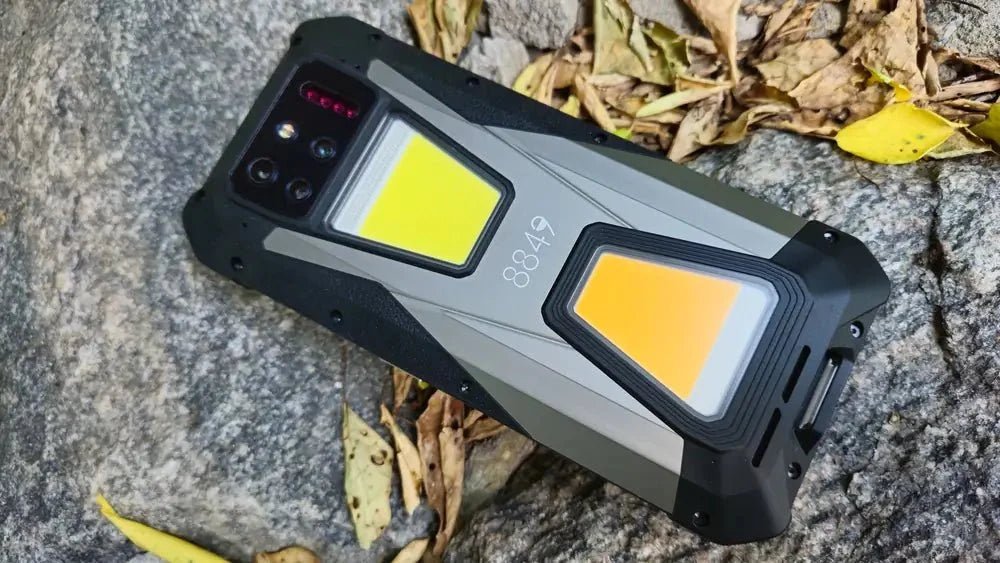
- Projector or lighting features: Some specialized phones include built-in camping lights or mini projectors that can provide extra convenience during travel or outdoor use.
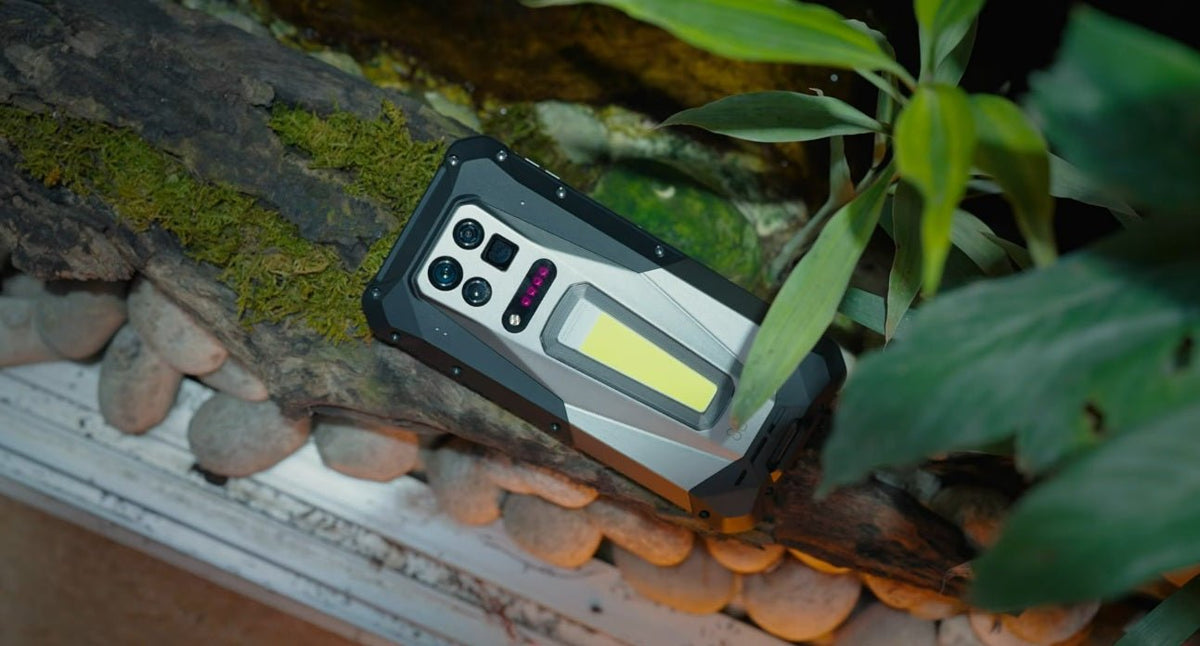
For users who prioritize durability and extended battery life alongside dual-SIM functionality, rugged smartphones such as the 8849 TANK X are designed to combine travel-oriented features with stronger protection for demanding environments.
Dedicated microSD Slot Considerations
Storage flexibility is another detail that many buyers overlook when choosing a dual-SIM phone. Some smartphones use a hybrid SIM tray, which means users must choose between using a second SIM card or a microSD card for expandable storage.
This can become inconvenient for travelers, photographers, video creators, or users who frequently download offline maps and large media files. A dedicated microSD slot avoids this compromise by allowing two active SIM cards and expandable storage at the same time, making the phone more practical for long-term daily use.
Conclusion
Buying a dual-SIM phone involves more than simply checking whether a device supports two SIM cards. Features such as DSDS or DSDA technology, dual 5G compatibility, eSIM support, battery capacity, durability, and storage flexibility can all affect the overall user experience in different ways.
The right choice ultimately depends on how and where the phone will be used, whether for business communication, international travel, outdoor activities, or everyday convenience. For users who need strong battery life, travel-oriented features, and reliable dual-SIM performance in demanding environments, rugged devices such as the 8849 TANK X can provide a more dependable long-term solution.
FAQs
What are the disadvantages of a dual SIM phone?
Dual-SIM phones can consume more battery power because the device maintains connections to two mobile networks at the same time. Some models may also limit 5G support to one SIM, use hybrid SIM trays that reduce storage flexibility, or create additional complexity when managing calls, data usage, and carrier settings.
Which is the best rugged phone with dual SIM?
The 8849 TANK X is a strong option for users looking for a rugged dual-SIM phone because it combines dual-SIM functionality with a large battery, durable design, and travel-oriented features suitable for outdoor and demanding environments.
Does dual SIM mean two numbers?
A dual-SIM phone allows users to use two separate phone numbers or mobile plans on the same device. This is commonly used for separating work and personal contacts, combining local and international SIMs during travel, or improving network coverage with different carriers.
Share:
What Is a Dual-SIM Phone and How Does It Work?
What Does 5G Mean on a Phone? A Complete Guide!