

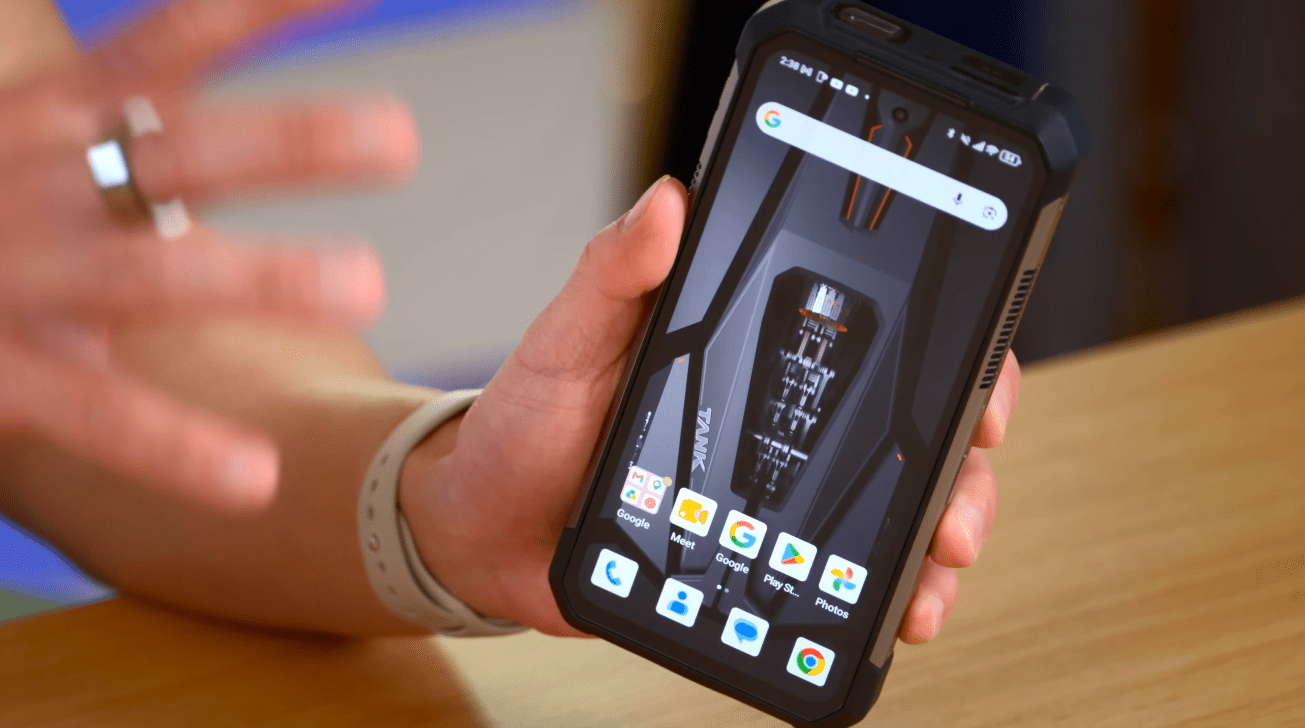
When comparing smartphone displays, AMOLED and IPS are two of the most common technologies you'll encounter. While both can deliver sharp images and a good viewing experience, they differ significantly in areas such as color reproduction, contrast, power efficiency, and overall visual quality.
Understanding these differences can help you choose a phone that better matches your needs, whether you prioritize vibrant visuals, longer battery life, outdoor visibility, or affordability.
What Is an AMOLED Display?
AMOLED stands for Active Matrix Organic Light-Emitting Diode, a display technology commonly used in modern smartphones, tablets, smartwatches, and televisions. Unlike traditional LCD displays, AMOLED screens do not rely on a separate backlight. Instead, each pixel produces its own light when electricity passes through organic compounds. This allows the display to control individual pixels independently, creating deeper blacks and higher contrast.
Because each pixel can be turned on or off separately, AMOLED displays can deliver more vibrant colors and a more immersive viewing experience. When displaying black content, the corresponding pixels simply switch off, resulting in true black levels rather than dark gray tones. This technology has become especially popular in premium smartphones due to its ability to combine excellent image quality with improved power efficiency in certain usage scenarios.
Key Benefits of AMOLED Displays:
- Deep blacks and high contrast
- Vibrant and saturated colors
- Power-efficient with dark content
- Thin and lightweight design
- Wide viewing angles
- Always-on display support

Image: IPS vs AMOLED Display
What Is an IPS Display?
IPS stands for In-Plane Switching, a type of LCD (Liquid Crystal Display) technology designed to improve color accuracy and viewing angles compared to older LCD panels. Unlike AMOLED screens, IPS displays require a separate backlight that shines through layers of liquid crystals to produce images. This means the entire screen is illuminated, even when displaying dark content.
IPS displays are widely used in smartphones, monitors, tablets, and laptops because they offer reliable image quality at a more affordable cost. They are particularly valued for their natural color reproduction and consistent performance across different viewing angles. While IPS panels typically cannot match the deep blacks and contrast of AMOLED displays, they often deliver accurate colors and strong brightness levels, making them suitable for both everyday use and professional applications.
Key Benefits of IPS Displays:
- Accurate and natural colors
- Consistent viewing angles
- High brightness levels
- No risk of screen burn-in
- More affordable to produce
- Reliable long-term performance
AMOLED vs IPS: Key Differences at a Glance
The following table highlights the main differences between AMOLED and IPS displays. While both technologies can provide an excellent viewing experience, each has its own strengths and trade-offs.
| Feature | AMOLED Display | IPS Display |
|---|---|---|
| Display Technology | Self-lit pixels with no backlight | LCD panel that requires a backlight |
| Black Levels | True blacks by turning off individual pixels | Blacks appear dark gray due to backlight |
| Contrast Ratio | Extremely high contrast | Good but lower contrast |
| Color Reproduction | Vibrant and saturated colors | More natural and accurate colors |
| Brightness | Excellent brightness, especially on premium panels | Typically strong and consistent brightness |
| Viewing Angles | Excellent viewing angles | Excellent viewing angles |
| Power Consumption | More efficient when displaying dark content | More consistent power consumption regardless of content |
| Burn-In Risk | Possible with prolonged static images | No burn-in risk |
| Lifespan | Organic materials can degrade over time | Typically longer-lasting display technology |
| Cost | Usually more expensive | Generally more affordable |
Overall, AMOLED displays excel in contrast, color vibrancy, and power efficiency when using dark themes, while IPS displays stand out for their color accuracy, durability, and affordability. The better choice ultimately depends on how you use your device and which display characteristics matter most to you.
Which Should You Choose: AMOLED or IPS?
Both AMOLED and IPS displays have their strengths, and neither technology is universally better for every user. The right choice depends on how you use your smartphone, your budget, and which display features matter most to you. Here are some recommendations based on different needs and usage scenarios.
Best for Entertainment
If you frequently watch videos, stream movies, or browse visual content, an AMOLED display is usually the better choice. Its ability to produce true blacks and vibrant colors creates a more immersive viewing experience, especially when watching HDR content or movies with dark scenes. The higher contrast also helps images appear more detailed and lifelike.
Best for Outdoor Use
Both AMOLED and IPS displays can perform well outdoors, especially on modern smartphones with high brightness levels. However, premium AMOLED panels often provide stronger peak brightness and better contrast in bright environments, making content easier to see under direct sunlight. That said, a high-quality IPS display can still deliver excellent outdoor visibility for everyday use.
Best for Battery Efficiency
AMOLED displays have an advantage when it comes to power efficiency, particularly when dark mode is enabled or when displaying content with large black areas. Since individual pixels can turn off completely, less power is consumed in these situations. IPS displays use a constant backlight, so their power consumption remains relatively consistent regardless of what is shown on the screen.
Best for Long-Term Reliability
If durability and long-term consistency are your priorities, IPS displays offer some advantages. They are not susceptible to screen burn-in and tend to maintain their performance over many years of use. While burn-in is much less common on modern AMOLED panels than it was in the past, IPS remains the safer choice for users who frequently display static content for extended periods.
Best for Budget-Conscious Buyers
IPS displays are generally found in more affordable smartphones, making them an attractive option for buyers who want solid display quality without paying a premium. Many modern IPS panels offer sharp resolution, accurate colors, and excellent viewing angles, providing a satisfying experience for everyday tasks such as browsing, messaging, and streaming.
Buying Recommendation: 8849 Tank 5

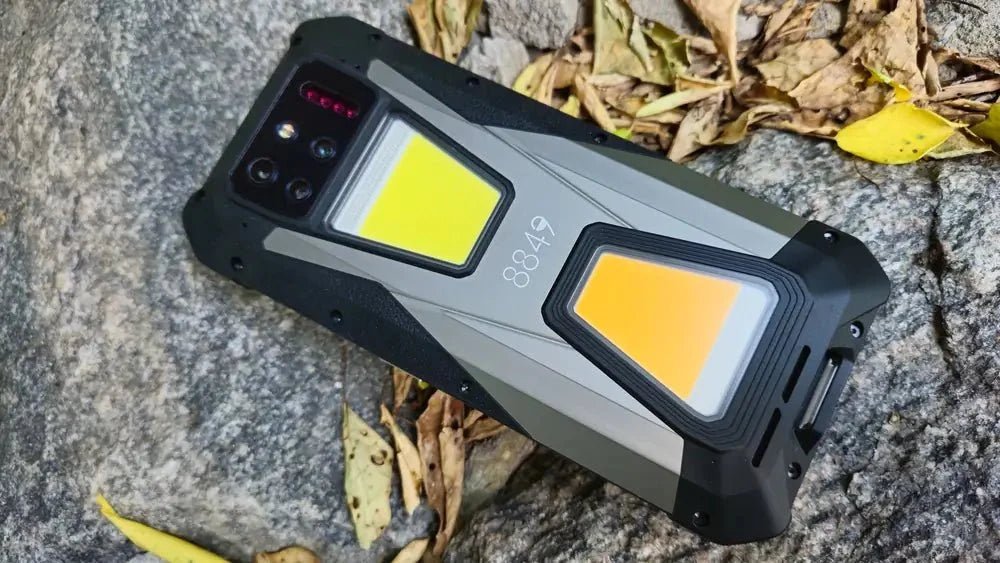
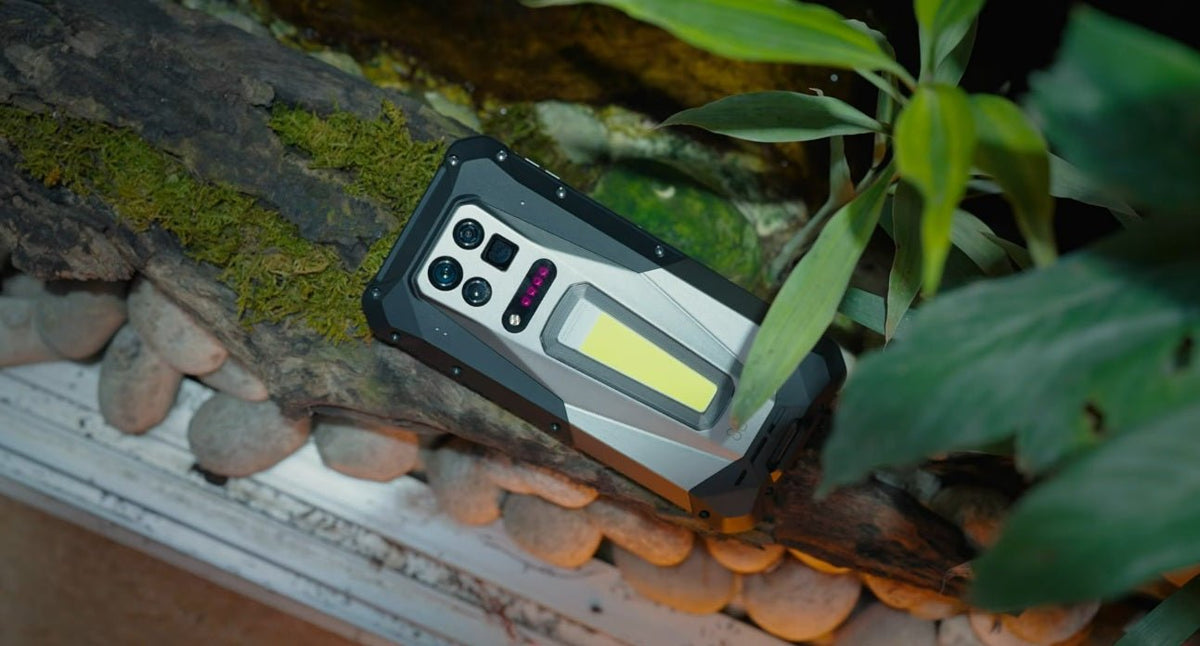
For users who want the visual advantages of AMOLED technology without sacrificing durability, the 8849 Tank 5 is worth considering. It features a sharp 6.78-inch 3K AMOLED display, featuring a resolution of a built-in 2K projector, delivering vibrant colors, deep blacks, and excellent contrast for entertainment, gaming, and daily use. Combined with its rugged construction and large battery capacity, the Tank 5 offers a display experience typically associated with premium smartphones while maintaining the toughness expected from a rugged device.
Final Thought
When comparing AMOLED vs IPS displays, the best choice ultimately depends on your priorities. AMOLED offers deeper blacks, higher contrast, and more vibrant colors, making it ideal for entertainment and premium smartphone experiences.
IPS displays, on the other hand, provide accurate colors, reliable performance, and excellent value for money. For users seeking the visual advantages of AMOLED in a durable device, the 8849 Tank 5 combines a 3K AMOLED display with rugged construction and long battery life, delivering the best of both worlds.
FAQs
Which is better IPS or AMOLED display?
Neither display technology is objectively better in every situation. AMOLED is generally preferred for its superior contrast, vibrant colors, and power efficiency when using dark content. IPS is often favored for its affordability, color accuracy, and resistance to screen burn-in. The better option depends on your budget and how you use your device.
Is AMOLED better than IPS for eyes?
Neither AMOLED nor IPS is inherently better for eye health. Eye comfort depends more on factors such as screen brightness, blue light exposure, flicker control, and viewing habits. Some users find AMOLED displays more comfortable in dark environments because they can produce true blacks, while others may prefer IPS displays if they are sensitive to OLED-related flicker. Using appropriate brightness settings and taking regular screen breaks is more important than the display technology itself.
Share:
eSIM vs Physical SIM: What's the Difference?
Introducing Phone Screen Resolution: A Complete Guide