

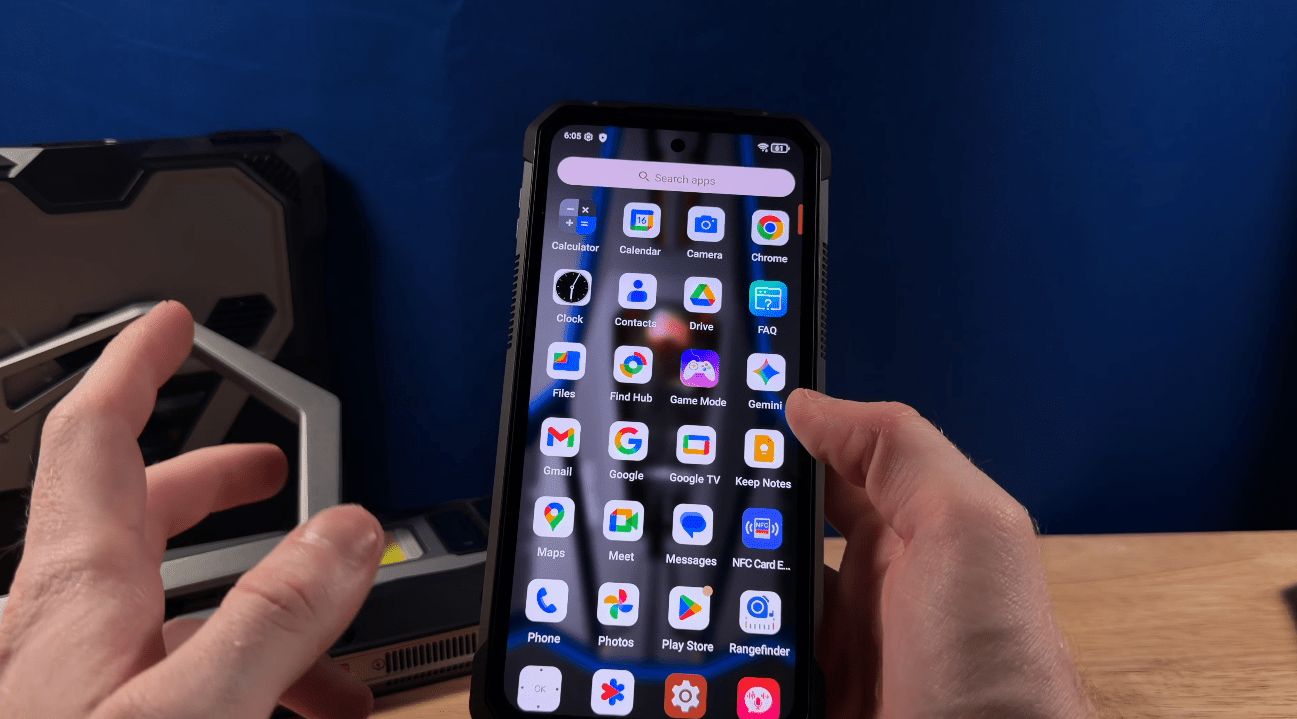
If you have bought a smartphone in recent years, you have probably noticed the small “5G” symbol appearing at the top of the screen. Phone brands, mobile carriers, and advertisements constantly mention 5G phones and 5G networks, often promising faster speeds and better connectivity. But for many people, the term still feels a little unclear. What does 5G actually mean on a phone, and does it really make a difference in everyday use?
In simple terms, 5G is the fifth generation of mobile network technology. Compared with older 4G networks, 5G is designed to deliver faster internet speeds, lower latency, and more stable connections, especially in crowded areas. A 5G phone can connect to these newer networks to improve activities like streaming, gaming, video calls, navigation, and downloading large files. However, the real experience can vary depending on your phone model, carrier, and local network coverage.
What Is 5G?

5G stands for “fifth-generation” wireless network technology. It is the latest major upgrade after 4G LTE and is designed to improve how phones connect to the internet and communicate with cellular networks. Compared with older generations, a 5G network can deliver much faster data speeds, lower delay times, and more reliable connections.
In real-world use, this means a 5G phone can load videos faster, reduce buffering during streaming, improve online gaming performance, and handle large downloads more efficiently. While 3G mainly focused on mobile internet access and 4G improved video streaming and app performance, 5G is built to support a far more connected and data-heavy mobile experience.
How a 5G Network Works
A 5G network works through a system of cellular towers that send and receive data using different radio frequencies. To balance speed and coverage, carriers usually use three main types of 5G bands:
- Low-band 5G: offers wider coverage but moderate speed improvements
- Mid-band 5G: provides a balance between speed and coverage
- High-band or mmWave 5G: delivers extremely fast speeds but works over shorter distances
This is why 5G performance can vary from one place to another. In some cities, users may experience very high download speeds, while rural or indoor areas may rely on slower low-band connections. Your overall 5G experience also depends on your carrier, local infrastructure, and whether your phone supports the necessary 5G bands.
What Does 5G Mean on a Phone?
When people talk about a “5G phone,” they are usually referring to a smartphone that can connect to a 5G network for faster and more advanced mobile connectivity. However, seeing the 5G symbol on your screen does not always guarantee the same level of performance everywhere. A phone’s hardware, carrier support, and local coverage all affect how 5G works in real-world situations.
Why Your Phone Shows a 5G Icon

The 5G icon appears on your phone when the device detects and connects to a compatible 5G network from your mobile carrier. Depending on the carrier and region, you may also see labels like “5G+,” “5G UW,” or “5G UC,” which usually indicate faster versions of 5G service.
However, the icon alone does not always mean you are getting the maximum 5G speeds. Network congestion, signal strength, and distance from cellular towers can all affect actual performance. In some cases, a phone may switch between 4G and 5G automatically to maintain a more stable connection or save battery life.
What Makes a Phone a 5G Phone?
A 5G phone includes specialized hardware, mainly a built-in 5G modem and compatible antennas, that allow it to connect to modern 5G networks. Older 4G-only phones do not have this hardware, so they cannot access 5G service even with a compatible SIM card.
In addition to the phone itself, users also need carrier support and, in some cases, a 5G-enabled data plan. Many newer smartphones now support multiple 5G frequency bands to improve compatibility across different countries and carriers, which is especially useful for travelers and people who frequently switch networks.
What Are the Main Benefits of 5G Phones?

The biggest advantage of a 5G phone is not just higher internet speed. Modern 5G networks are designed to improve multiple parts of the mobile experience at the same time, including responsiveness, stability, capacity, and efficiency. As 5G coverage continues to expand globally, these improvements are becoming more noticeable in everyday smartphone use.
Fast Download and Upload Speeds
One of the most well-known benefits of 5G is speed. In many areas, 5G networks can deliver download speeds several times faster than 4G LTE. While actual performance varies, standard 4G speeds often range between 20 Mbps and 100 Mbps, whereas mid-band 5G can frequently exceed 300 Mbps, and mmWave 5G may even reach multi-gigabit speeds under ideal conditions.
This allows users to download large games, movies, or software updates in minutes instead of waiting much longer on older networks. Upload performance is also improved, making it easier to send large videos, livestream content, or backup files to cloud storage.
Ultra-Low Latency for Faster Response Times
Latency refers to the delay between sending and receiving data. A lower latency connection feels more responsive, especially during real-time activities. Traditional 4G networks usually operate with a latency of around 30–50 milliseconds, while advanced 5G networks can reduce that delay significantly.
This creates smoother experiences in mobile gaming, cloud gaming, video conferencing, and remote work applications. Actions such as tapping controls in online games or joining live meetings feel more immediate, which is particularly important for competitive gaming and real-time communication.
More Stable Connections in Crowded Areas
One common problem with older mobile networks is congestion in crowded places like concerts, airports, sports stadiums, or shopping centers. When too many devices connect to the same network at once, speeds often slow down dramatically.
5G networks are built to support a much larger number of simultaneous connections without reducing performance as severely. This means users are more likely to maintain stable internet access even during busy events or peak travel times, improving streaming, messaging, navigation, and mobile payments in high-density environments.
Better Streaming and Media Quality
Because of its higher bandwidth and lower latency, 5G makes high-quality media streaming far more practical on mobile devices. Users can stream 4K or even 8K video content with less buffering, faster loading times, and smoother playback. Music streaming, live broadcasts, and video-sharing platforms also benefit from stronger network performance. For content creators, faster upload speeds make it easier to upload high-resolution photos and videos directly from a phone without relying heavily on Wi-Fi connections.
Improved Support for Cloud Gaming and AI Features
Modern smartphone features increasingly rely on cloud computing and AI-powered services, both of which benefit from 5G connectivity. Cloud gaming platforms can stream console-level games directly to phones with reduced lag, while AI features such as real-time language translation, voice assistants, and cloud-based image processing respond more quickly with faster data transmission. As mobile AI applications continue to evolve, 5G networks help phones process and exchange data more efficiently in real time.
Smarter Connectivity for Multiple Devices
5G technology is also designed to support the growing number of connected devices people use every day. Smartphones now interact with smartwatches, wireless earbuds, smart home devices, vehicle systems, and portable work equipment more frequently than ever before.
A stronger and more efficient 5G network helps manage these connections more smoothly, especially when multiple devices are online simultaneously. This is one reason why 5G is considered important not only for phones, but also for the broader future of connected technology.
Do I Need a 5G Phone?
For basic tasks like texting, web browsing, and social media, a 4G phone can still handle everyday use without major problems. However, people who frequently stream videos, play online games, work remotely, travel often, or rely heavily on mobile data may notice clear advantages with 5G.
Another important factor is long-term value. Mobile carriers around the world are continuing to expand their 5G networks, and many newer smartphones are now designed with 5G as a standard feature rather than a premium upgrade. Buying a 5G phone today can help your device stay compatible with future network improvements over the next several years.
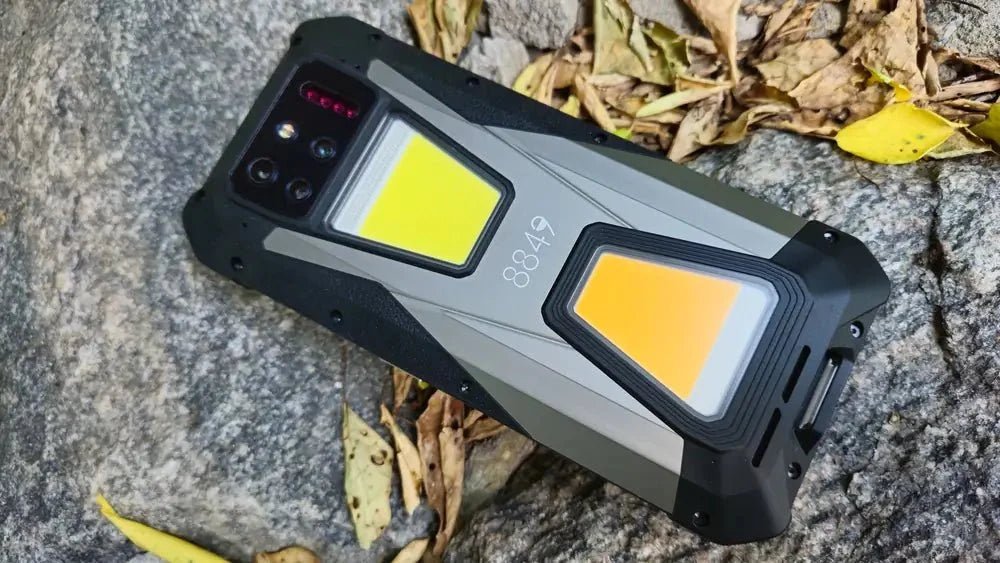
For users who need durability alongside modern connectivity, many rugged smartphones now also include full 5G support, including devices from brands like 8849 that combine fast network performance with large batteries, durable designs, and outdoor-focused features, for example, phones with a built-in projector, night vision camera.
Choosing a Powerful 5G Rugged Phone
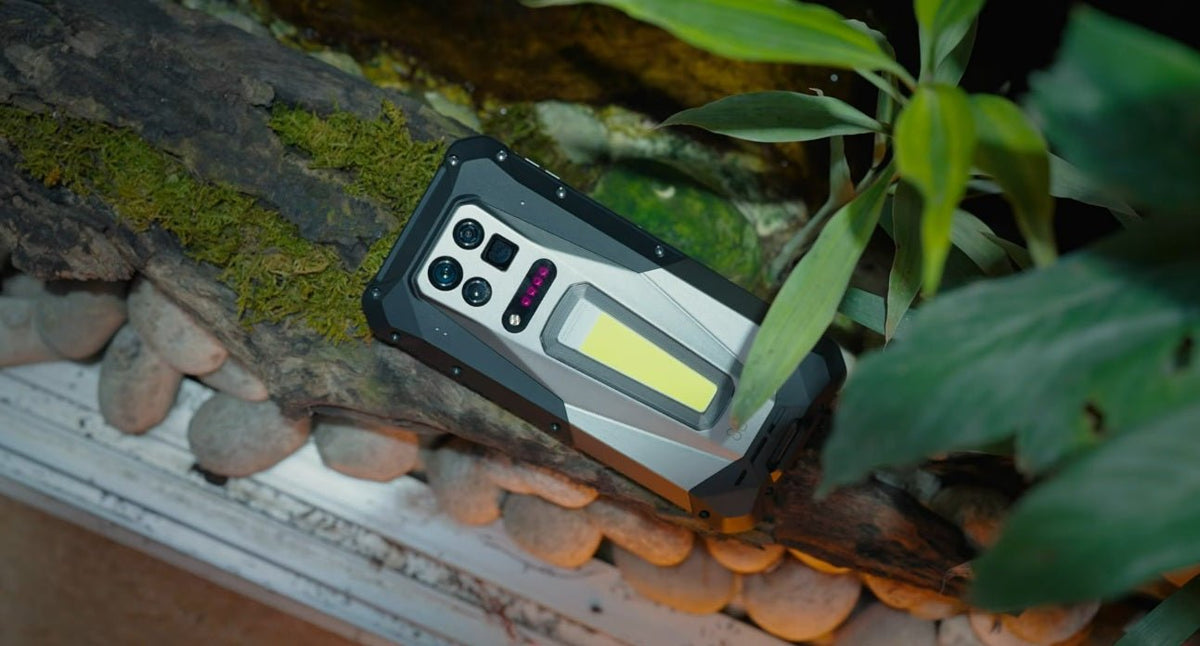
For users who want both advanced connectivity and extreme durability, the 8849 TANK X is a strong example of what a modern 5G rugged phone can offer. Designed for outdoor use, travel, field work, and entertainment, the TANK X combines flagship-level 5G performance with features rarely seen on traditional smartphones, including a built-in DLP projector and a massive battery.

Powered by the MediaTek Dimensity 8200 5G chipset, the phone supports fast mobile connectivity for streaming, gaming, navigation, and remote work, while its rugged construction is built to handle demanding environments. The device also stands out for combining practical outdoor tools with high-end hardware, making it more than just a standard rugged phone.
Key features of the 8849 TANK X include:
✅Built-in 220-lumen DLP projector with support for up to 1080P video projection
✅Massive 17,600mAh battery with 120W fast charging support
✅MediaTek Dimensity 8200 5G processor with 16GB RAM and 512GB storage
✅Rugged IP68/IP69K-rated design with outdoor-focused features like camping lights and dual-band GPS
Conclusion
5G is more than just a new network label on your phone. It represents a major improvement in mobile connectivity, offering faster speeds, lower latency, stronger network stability, and better support for modern apps and connected devices.
As 5G coverage continues to expand worldwide, more users are beginning to experience smoother streaming, faster downloads, improved gaming, and more reliable communication on the go. Choosing a 5G phone today can also help future-proof your device for the next generation of mobile technology, especially with modern rugged devices like the 8849 phone Tank series, combining 5G performance with durability and large battery capacity.
FAQs About 5G Phones
Can You Use a 5G Phone on a 4G Network?
Yes. Most 5G phones are fully backward compatible with 4G LTE networks. If 5G coverage is unavailable in your area, the phone will automatically switch to a 4G connection so you can still make calls, browse the internet, and use mobile apps normally.
Do You Need a Special SIM Card for 5G?
In many cases, modern SIM cards already support 5G networks. However, some older SIM cards may not be compatible, depending on your carrier. If your phone supports 5G but you cannot access a 5G network, contacting your carrier for a SIM replacement or checking your data plan may help.
Is 5G Available Everywhere?
No. Although 5G coverage is expanding rapidly, availability still varies by country, carrier, and location. Urban areas usually have better 5G coverage than rural regions, and indoor performance can also differ depending on the type of 5G network being used.
How Do I Know If My Phone Supports 5G?
You can check your phone’s specifications on the manufacturer’s website or in the device settings. Most phones that support 5G clearly mention “5G” in the product name, network section, or technical specifications. You may also see a 5G icon appear in the status bar when connected to a compatible network.
Share:
6 Factors Before You Buy a Dual-SIM Phone
5G Rugged Projector Phone: Is It Right for You?