

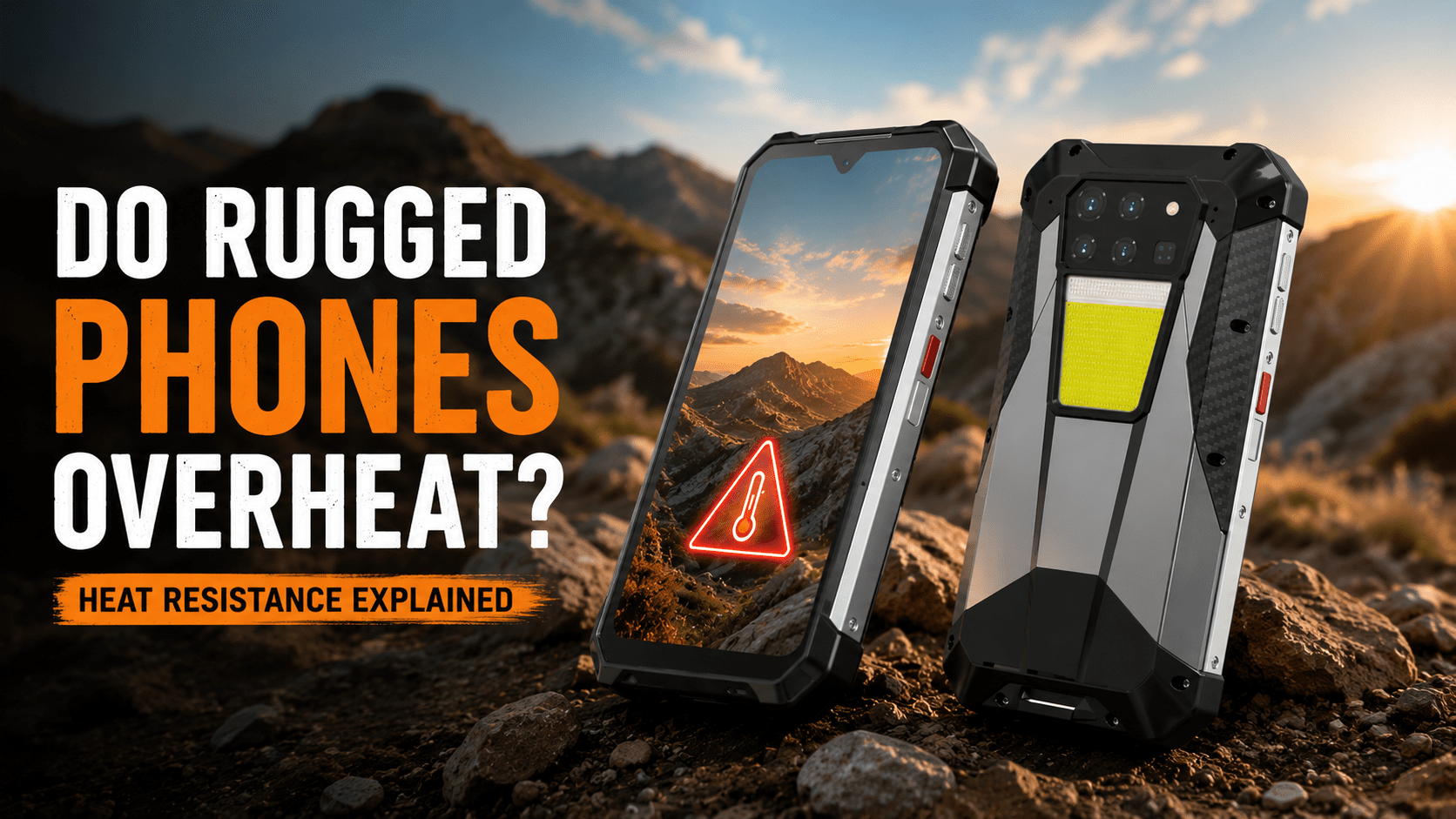
Phone overheating is a common problem during gaming, outdoor work, travel, and hot summer days. Many smartphones slow down, lose battery faster, or shut off when exposed to extreme temperatures for too long. This is one reason why more people now choose rugged phones for demanding environments.
A rugged smartphone is built with stronger protection, better durability, and improved heat resistance. These outdoor phones are designed for workers, travelers, hikers, and emergency teams who need reliable performance in harsh conditions.
In this article, you will learn how rugged phones perform in hot and cold weather, how batteries react to extreme temperatures, which certifications matter most, and simple ways to reduce overheating problems.
Why Temperature Matters?
Temperature plays a critical role in how any smartphone performs, lasts, and feels in daily use. Whether it’s a regular phone or a rugged one, excessive heat can cause throttling (where the processor slows down to cool off), faster battery drain, unexpected shutdowns, and even long-term damage to internal components. On the other hand, operating in very cold conditions can also reduce battery efficiency and slow down the device.
For rugged phones, temperature management becomes even more important because they are often used in extreme environments, such as:
- Construction sites
- Outdoor jobs
- Warehouses
- Hot vehicles
A good rugged phone is designed to handle wider temperature ranges, but understanding how heat affects performance helps users set realistic expectations and choose the right device for their working conditions.
Common Causes of Rugged Phone Overheating
Rugged phones are built tough, but they still generate heat during normal and heavy use. Several components and features contribute to temperature rise, especially when the phone is pushed hard in demanding work environments. Understanding these heat sources helps users manage their devices better and avoid performance issues.
Environmental Heat
Rugged phones are designed to withstand harsh environments, but they are still affected by extreme heat. Leaving a phone in direct sunlight, inside a hot vehicle, or using it outdoors during high temperatures can cause the device to heat up quickly. When the surrounding environment is already hot, the phone has a harder time dissipating heat generated by the processor, battery, and display, increasing the risk of overheating.
Powerful Processor and Demanding Tasks
The main processor (chipset) is the biggest heat generator in any smartphone, including rugged models. When running intensive applications like GPS navigation, video recording, or heavy multitasking, the CPU works harder and produces more heat. Rugged phones often have capable processors to support field work, which means they can get noticeably warm during long hours of continuous use.
High Brightness Display
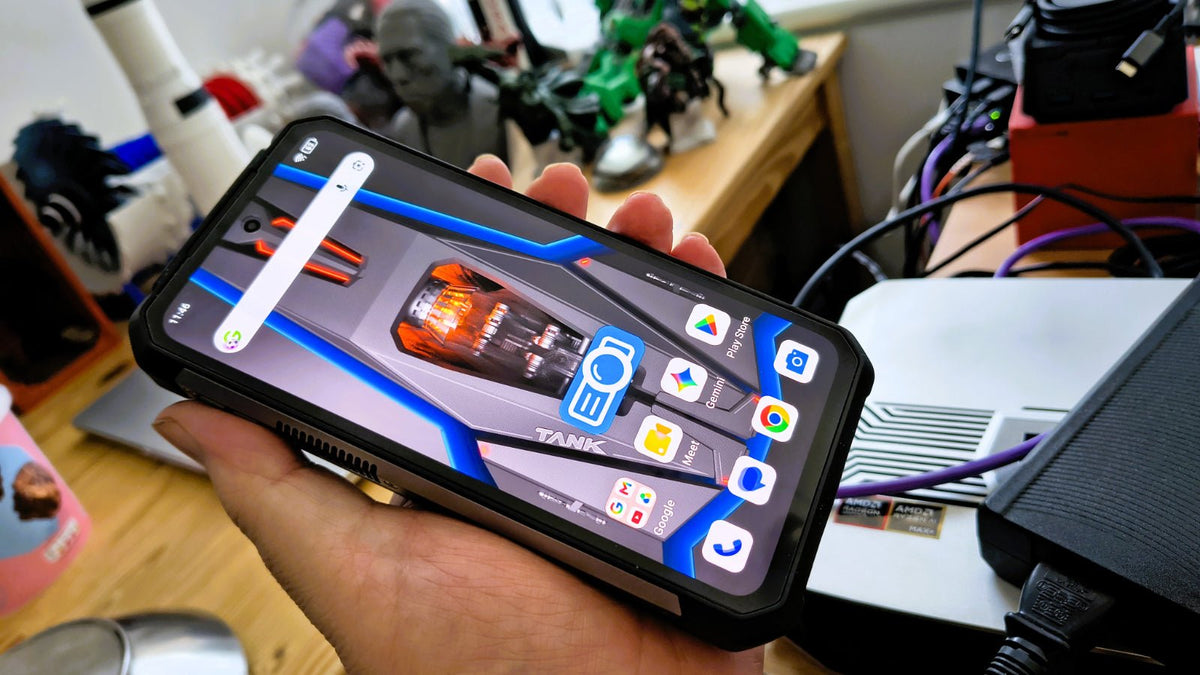
Rugged phones are frequently used outdoors under direct sunlight, so they often feature very bright displays, like the Tank 4 Pro AMOLED display. Keeping the screen at maximum brightness for extended periods significantly increases heat output. Combined with video playback or prolonged camera use, the display becomes one of the consistent contributors to overall temperature rise.
Advanced Cameras and Night Vision
Modern rugged phones often come with powerful cameras, including night vision or thermal imaging sensors. These features require substantial processing power and can generate considerable heat, especially when used for long periods in low-light conditions. The infrared sensors and strong LED flashes used in night vision mode are particularly demanding on the system.
Built-in Projector
One of the most heat-intensive features found in some rugged phones is the built-in pico projector. Projecting videos or presentations for an extended time puts a heavy load on both the processor and the projection lamp, causing the phone to warm up quickly. This is one of the unique heat sources that regular phones don’t have.
Fast Charging and Wireless Features
Fast charging generates heat as energy flows rapidly into the battery. Additionally, using 5G networks, mobile hotspots, or two-way radio (PTT) functions for long durations also increases temperature. Many rugged phones support these features for professional use, which naturally leads to more heat during full workdays.
High-Performance Sensors and Flashlights
Rugged phones often include powerful work lights, multiple sensors, and barcode scanners. Running strong LED flashlights at full power or using multiple sensors simultaneously adds to the overall heat buildup. While these features make rugged phones highly functional, they also contribute to thermal load during intensive field operations.
How Rugged Phones Handle Extreme Temperatures?

Unlike standard smartphones, rugged phones are built with demanding environments in mind. Many are designed to operate reliably in both hot and cold conditions, making them a popular choice for outdoor workers, adventurers, and people who frequently use their devices in challenging weather. While no phone is completely immune to temperature-related issues, rugged models include several features that help them manage heat and cold more effectively.
-
Durable, Heat-Resistant Materials: Rugged phones often use reinforced frames and protective materials that better withstand temperature fluctuations without warping or sustaining damage.
-
Optimized Internal Design: Components are arranged to improve heat dissipation, helping prevent heat from becoming trapped inside the device during intensive tasks.
-
Temperature-Tested Construction: Many rugged phones undergo testing for operation in extreme environments, including high heat, freezing temperatures, humidity, and rapid temperature changes.
-
Large Batteries with Protective Systems: Rugged phones frequently feature high-capacity batteries equipped with safety mechanisms that monitor temperature and help reduce the risk of overheating.
-
Performance Management Features: Modern rugged phones can automatically adjust processor performance, screen brightness, and charging speed when internal temperatures rise, helping maintain safe operating conditions.
These protective measures allow rugged phones to perform more reliably in challenging environments than many conventional smartphones. However, users should still avoid prolonged exposure to extreme heat or cold whenever possible, as all electronic devices have temperature limits that can affect performance and battery life.
Rugged Phone Cooling Tips for You
Rugged phones are designed for demanding conditions, but proper daily use still plays an important role in temperature control. Simple habits can improve battery health, reduce internal heat, and support long-term device performance. These steps can also help users prevent phone overheating during outdoor work and travel.
Smart Usage During Hot Weather
A few simple adjustments can help keep rugged phones cooler during outdoor use and hot weather conditions.
- Lower screen brightness outdoors
- Close unused background apps
- Avoid direct sunlight for long periods
- Turn off GPS when not needed
- Reduce gaming during extreme heat
Safe Charging Habits
Following safe charging habits can also lower long-term battery strain and overheating problems during regular use.
- Charge the phone in cool places
- Use original charging accessories
- Avoid charging while gaming
- Remove thick cases during charging
- Do not leave phones charging overnight in the heat
Maintenance for Long-Term Performance
Regular maintenance helps rugged phones perform better in extreme temperatures and reduces long-term heat buildup.
- Install software updates regularly
- Clean charging ports carefully
- Remove dust from speaker vents
- Monitor battery health over time
- Restart the phone occasionally
8849 Tank X: Built for Reliable Performance

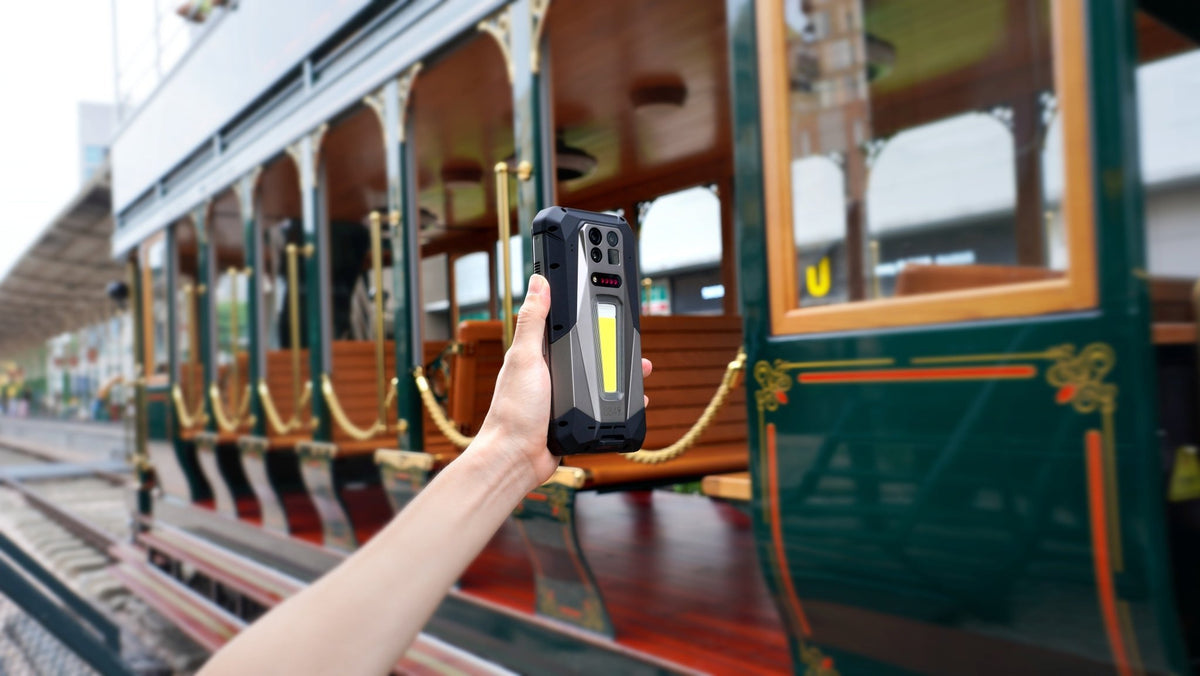
For users who frequently work outdoors or travel in challenging conditions, having a device that can handle environmental stress is just as important as raw performance. The 8849 Tank X is designed with durability and long-term reliability in mind, combining a rugged build, powerful hardware, and advanced cooling efficiency to support daily use in a wide range of temperatures. Key features of Tank X include:
-
IP68/IP69K Protection — Engineered to resist water, dust, and harsh environmental conditions, helping the device remain reliable during outdoor work and adventures.
-
Night Vision & 1200LM Safety Light — Equipped with night vision capabilities and a powerful safety light, making it easier to work, navigate, or respond to emergencies in low-light environments.
-
Built-In 1080P Projector — Features a high-definition projector that allows users to display presentations, videos, maps, and other content without carrying additional equipment.
-
Large-Capacity Battery — Provides extended usage time for long workdays, outdoor activities, and travel, reducing the need for frequent charging.
Learn more about the Tank X on the official 8849 website: Tank X Rugged Projector Phone.
Conclusion
Rugged phones are designed to perform better in extreme temperatures than regular smartphones. Stronger internal protection, improved cooling systems, and durable materials help reduce heat-related problems during outdoor work and travel. While no phone can completely avoid overheating in every situation, rugged models provide better temperature control and more stable long-term performance.
Proper charging habits, regular software updates, and careful daily use also help protect battery health and reduce heat stress over time. Overall, rugged phones are a more reliable choice for users who regularly work or travel in demanding environments.
FAQs
How do I cool down my phone?
You can cool down your phone by moving it out of direct sunlight and stopping demanding activities such as gaming, video streaming, or recording high-resolution videos. Lowering the screen brightness, closing unnecessary background apps, and disabling features like GPS, Bluetooth, or mobile hotspot when not needed can also help reduce heat. Avoid placing the phone in a refrigerator or freezer, as sudden temperature changes can cause condensation and potentially damage internal components.
What are the signs of an overheated phone?
An overheated phone may feel unusually warm or hot to the touch during use or charging. Other common signs include rapid battery drain, reduced performance, screen dimming, charging slowdowns, app crashes, or unexpected shutdowns. Many modern smartphones also display temperature warnings or temporarily disable certain features until the device cools down.
Is 42 degrees too hot for a phone?
Yes, an internal phone temperature of around 42°C is considered relatively high, though it is not necessarily dangerous for short periods during intensive tasks such as gaming, navigation, or fast charging. However, prolonged exposure to temperatures above 40°C can accelerate battery degradation and affect overall performance.
While rugged phones are often designed to operate in more demanding environments than standard smartphones, extended exposure to extreme heat can still impact their longevity and performance.

Deli:
8849 Tank 4 Pro Review: A Complete Guide
How Much RAM Do You Need for a Phone?