

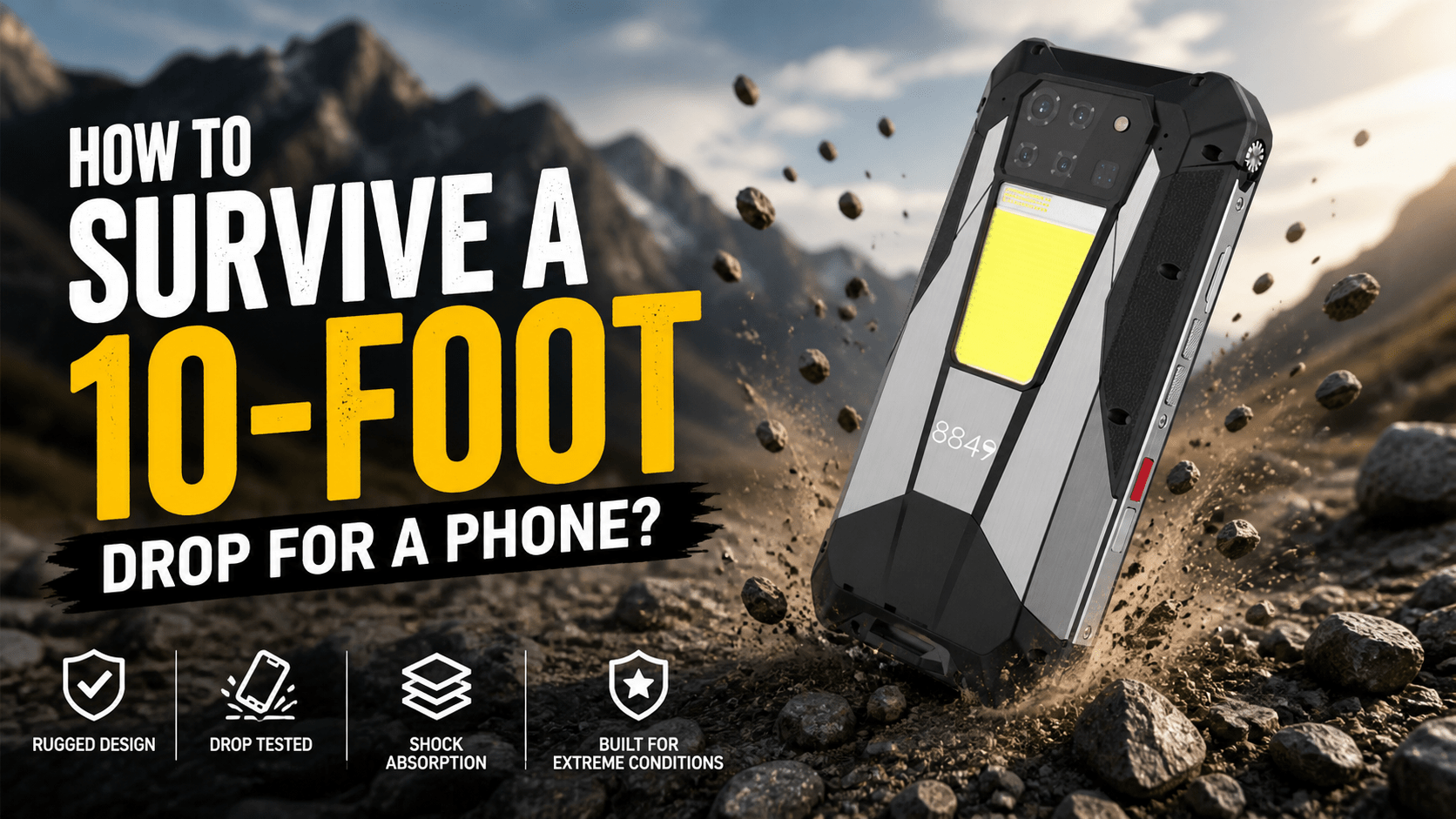
Phones break more often from drops than from any other cause. A fall from just a few feet can crack the screen or damage parts inside. So what happens at 10 feet? If you want to survive a 10-foot drop for a phone, you need more than luck.
Most modern phones look sleek but lack strong protection. Glass backs, thin frames, and weak shock resistance make them easy to damage. Even a single bad fall can ruin your device.
The good news is that drop damage is not random. Tests show that how a phone lands, what it’s made of, and how it absorbs impact all matter. Strong materials, smart design, and proper protection can reduce damage even from high drops.
In this guide, you’ll learn what really helps a phone survive extreme falls, and how to protect your device before it hits the ground.
Durability and Drop Protection
Smartphone durability is how well a device handles impact and everyday wear, especially from accidental drops. It depends on both strong materials and the ability to absorb and distribute force to reduce damage.
Real-Life Drop Risks and Accidental Damage
Most phone drops happen during daily use. Phones slip from hands, pockets, or tables. The angle of impact and surface type decide the level of damage. Hard surfaces like concrete increase the risk.
According to a SquareTrade report, two-thirds of smartphone owners had damaged their devices in the previous year, most often by cracking the screen, with the vast majority of incidents (74%) resulting from drops — frequently from pockets. This shows how even common accidents can lead to serious damage.
Modern phones use slim designs and large glass panels. This makes them look good but reduces strength. Thin frames and glass backs cannot absorb shock well, which increases the chance of serious damage.
How Drop Tests Work and Real-World Impact Scenarios
Understanding durability is not enough without knowing how it is tested. This section explains how controlled testing helps predict real damage. It focuses on how smartphone drop test methods and impact scenarios are designed to reflect everyday accidents and extreme falls.
Drop tests follow specific patterns to check weak points:
- A face drop targets the screen, which is the most exposed part.
- A corner drop checks how well the frame absorbs force, since corners often hit first.
- A backdrop tests the rear panel and internal structure.
Each method shows how force spreads through the device and where damage is most likely.
Lab tests use fixed heights and surfaces to keep results consistent. This helps compare devices fairly. Real-world drops are less predictable. The angle, speed, and landing surface can change the outcome. Lab tests give a baseline, but real use often creates more complex impact scenarios.
Drop Test Standards and Military-Grade Protection
Drop tests become more useful when they follow clear standards. These standards help compare devices and show how much impact a phone can handle.
The term military-grade comes from the MIL-STD-810 testing standard. It includes repeated drops from set heights onto hard surfaces. The goal is to check if a device keeps working after impact. It does not mean a phone is unbreakable. It means the device passed controlled tests under specific conditions.
Most standard tests use drops from about 4 to 6 feet. These reflect common daily accidents. A 10-foot drop goes beyond normal testing limits. This creates a higher force and more risk. A phone dropped from 10 feet hits the ground at nearly 28 km/h, creating extreme impact force. Phones built under strong rugged phone standards have better chances of handling such extreme impacts.
Types of Drops and Impact Scenarios
Drop standards explain limits, but real damage depends on how a phone falls. This focuses on common phone drop scenarios and damage risks and shows which situations cause the most harm. Most drops happen during daily use.
Surface type directly affects damage risk. Hard surfaces transfer more force quickly, while softer ones absorb and spread the impact over time. Common scenarios include:
- Concrete (sidewalks, floors): Transfers nearly 100% of the impact force — highest damage risk.
- Hardwood or tile: Absorbs a moderate amount (roughly 10–30%), offering some protection but still risky.
- Carpet (with padding): Can reduce peak impact force by 20–50% or more, significantly lowering damage likelihood.
- Grass or dirt (outdoors): Good natural cushioning; often reduces force substantially.
- Asphalt: Similar to concrete but slightly more forgiving due to minor flexibility.
- Linoleum/vinyl: Better than concrete but worse than carpet.
Most damaging drops typically occur onto hard, unyielding surfaces like concrete or tile from pocket/hand height. Adding a case or screen protector multiplies protection across all scenarios.
A phone can slip from your hand while texting or fall from your pocket when sitting. These drops often happen without control, so the phone hits at a bad angle. More height means more force, which raises the chance of screen cracks or internal damage.
Key Factors That Help a Phone Survive
Drop scenarios determine where damage is likely to occur, but the phone’s materials and design ultimately decide how much damage happens — or whether the device survives at all.
To withstand a 10-foot (≈3 meter) drop onto hard surfaces like concrete, modern smartphones rely on several engineered features working together:
-
Reinforced Display Glass
Advanced chemically strengthened glass, such as Corning’s Gorilla Glass Victus or Armor, is the first line of defense. These glasses are designed to spread impact energy across a wider area and resist cracking. In lab tests, certain Gorilla Glass variants survive multiple drops from 1.6 meters (≈5.2 feet) onto rough surfaces — far better than standard glass. Additional layers or ion-exchange processes create compressive stress that improves both drop and scratch resistance. -
Reinforced Frame / Chassis
A strong internal frame (often aerospace-grade aluminum, titanium, or reinforced polymer) distributes and absorbs impact forces. Materials with some controlled flexibility (like aluminum) can deform slightly to absorb energy, protecting internal components. Rigid frames (like titanium) maintain structural integrity but may transfer more force to the glass if not paired with good cushioning. Premium phones often feature reinforced corners and unibody designs for better stress distribution. -
Internal Shock-Absorbing Materials
Inside the device, manufacturers use foams, rubber gaskets, silicone dampers, and adhesive layers to cushion critical components like the motherboard, battery, and cameras. These materials absorb and dissipate kinetic energy, reducing vibration and stress that could dislodge or damage delicate electronics. Some rugged phones go further with military-grade (MIL-STD-810H) shock protection.
Additional Protective Elements
- Raised edges and bezels that keep the screen slightly recessed.
- Protective cases (often with TPU, polycarbonate, and airbag-style corner cushions) that can dramatically improve survival rates.
- Overall build quality, including sealed ports (IP67/IP68 ratings) that maintain integrity after impacts.
No phone is truly “unbreakable,” but combining these features significantly raises the odds of surviving everyday drops — and even occasional higher ones. A good case + screen protector adds another major layer of protection on top of the manufacturer’s engineering.
Rugged Phone Protection Solutions
Materials improve strength, but protection also depends on how a phone is designed or covered. This section explains the role of a rugged phone case and how a shockproof phone design changes the level of protection in real drops.
Multi-Layer Protective Cases
A rugged phone case uses layers to absorb shock and reduce direct impact. It can protect against minor and medium drops. However, cases add protection from the outside only. They cannot fully control how the force moves inside the phone. In high drops, the internal parts can still face stress, even if the outer layer stays intact.
Why Rugged Phones Offer Better Drop Resistance
A shockproof phone design builds protection into the device itself. The frame, body, and internal parts work together to manage impact. This reduces stress across the whole phone. Built-in protection offers better resistance during strong drops compared to external cases alone.
How to Prevent Damage and Survive Phone Drops
Test results show what works, but prevention is still the best way to reduce damage. This section explains how to protect a phone from accidental drops and improve survival during unexpected falls.
Daily Habits That Reduce Drop Risk
Simple habits can lower the chance of drops. Holding the phone with a firm grip helps control movement. Keeping it away from edges and unstable surfaces reduces risk. Using both hands while walking or texting also improves control. These small actions limit sudden slips and reduce the chances.
Accessories That Improve Drop Protection
External protection adds another layer of safety. A rugged phone case can absorb part of the impact during a fall. Screen protectors reduce direct damage to the display. While accessories cannot remove all risk, they support the phone’s structure and improve overall resistance during drops.
Choosing the Best Rugged Phone Designed for Drop Survival
Prevention and protection help, but the phone itself plays the biggest role in survival. This section explains what to look for when choosing a device built for extreme conditions and long-term durability.
Key Features of a Drop-Resistant Phone
A strong phone uses a solid frame and a tested shockproof phone design. It should include impact resistance technology to spread force across the body. Good internal shock absorption protects key parts during impact. Materials and build quality work together to reduce damage from high drops.
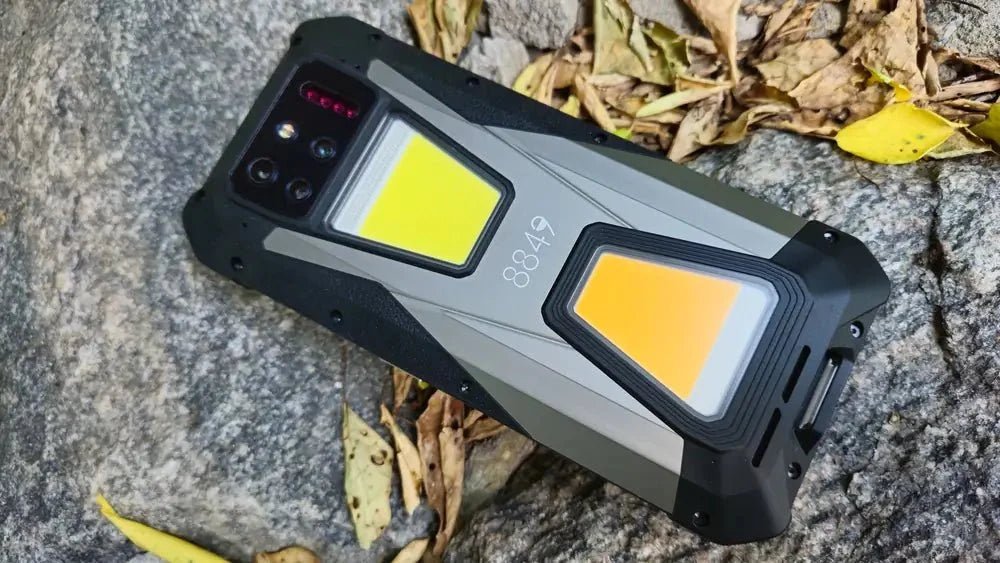
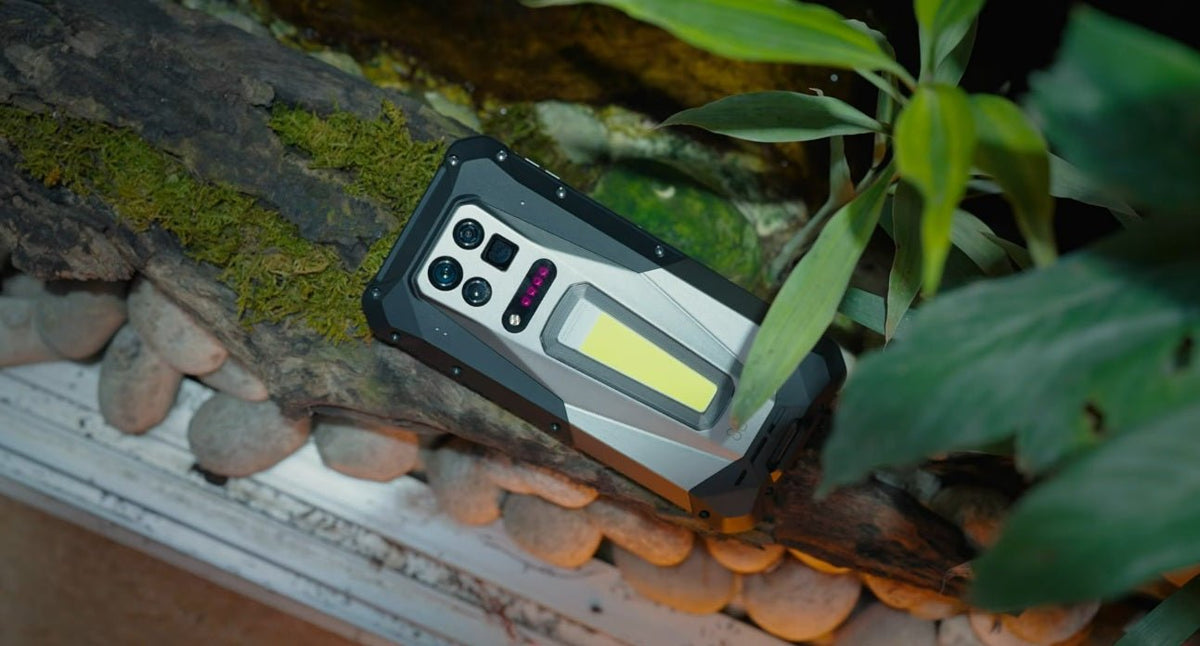
8849 Rugged Phones Built for Extreme Conditions
Phones from 8849 focus on real-world durability. We follow strict testing and use an advanced shockproof phone design with strong internal support. Our build improves shock absorption and helps manage heavy impact. This makes it a reliable choice for users who need better protection in extreme drop situations.
Final Thoughts
Drop survival depends on design, materials, and testing. Strong frames, tested standards, and good shock absorption reduce damage. Features like impact resistance technology and a solid shockproof phone design improve how a phone handles force. Daily care and added protection also help lower risk.
To survive a 10-foot drop for a phone, the device must control impact, not just resist it. Phones built with better structure and internal protection perform more reliably. Choosing a durable device, such as those from 8849tech, gives better protection in real use.
Deli:
How Much RAM Do You Need for a Phone?
8849 Tank 5 Review: A Powerful Rugged Projector Phone