


Rugged phones were once seen as niche devices built only for construction crews, engineers, or extreme outdoor professionals. Today, that perception is quickly changing. As smartphones become more fragile and more expensive to repair, many users are starting to question whether sleek design should come at the cost of durability and reliability.
A rugged phone offers a different approach. Instead of prioritizing thinness, it focuses on resilience, long battery life, and practical features that hold up in real-world conditions. Whether you travel frequently, work in demanding environments, or simply want a device that can handle everyday accidents with ease, there are clear reasons why rugged phones are becoming a smarter, more versatile choice.

1. Built to Survive Extreme Conditions
The most obvious reason to choose a rugged phone is right in the name - it’s built to take a beating. Unlike standard smartphones that can crack from a single drop, rugged devices are designed with reinforced frames, shock-absorbing materials, and sealed ports. Many models come with IP68 or even IP69K ratings, meaning they can handle dust, water immersion, and high-pressure environments without issue.
In real life, this translates to peace of mind. Whether you accidentally drop your phone on concrete, get caught in heavy rain, or bring it along on a dusty trail, a rugged phone is far less likely to fail when you need it most. For people working outdoors, or simply tired of worrying about every slip, it removes a constant source of stress.
2. Massive Battery Life That Outlasts Regular Phones
Battery life is another area where rugged phones clearly stand out. While most mainstream smartphones are built to last a single day, rugged phones often come equipped with significantly larger batteries that can comfortably stretch into two or even three days of normal use.
This becomes especially valuable in situations where charging isn’t always convenient. Think camping trips, long travel days, or power outages, having a phone that keeps going without constantly searching for an outlet makes a noticeable difference. Even for everyday users, it simply means less battery anxiety and fewer interruptions throughout the day.
3. Reliable Performance in Demanding Environments
Performance isn’t just about speed benchmarks; it’s about consistency in less-than-ideal conditions. Rugged phones are designed to function reliably in environments where regular smartphones often struggle, such as extreme temperatures, wet conditions, or when used with gloves.
Many models include features like glove mode or enhanced touch sensitivity, allowing the screen to remain responsive even when your hands aren’t bare or completely dry. Combined with stable connectivity and dependable GPS performance, this makes rugged phones particularly useful for fieldwork, navigation, and outdoor activities where reliability matters more than raw processing power.
4. Specialized Features You Won’t Find on Regular Phones
One of the most overlooked advantages of rugged devices is how diverse they’ve become. If you explore the different types of rugged phones available today, you’ll quickly notice that they are no longer just “tough versions” of standard smartphones; they are purpose-built tools designed for specific scenarios.

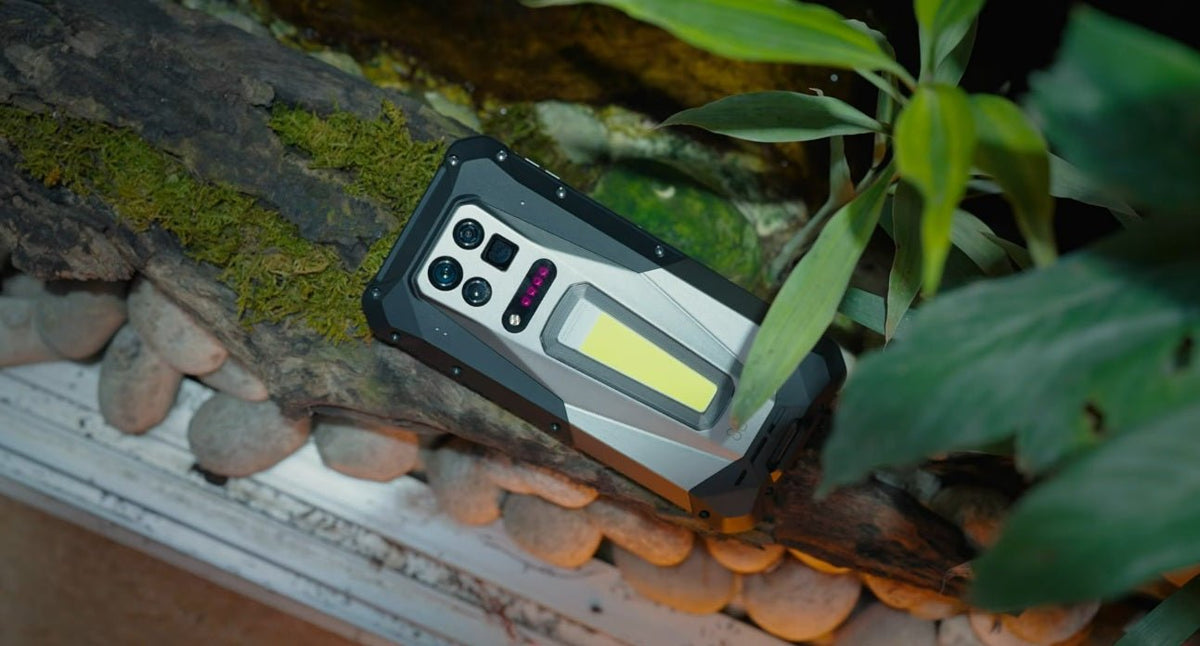
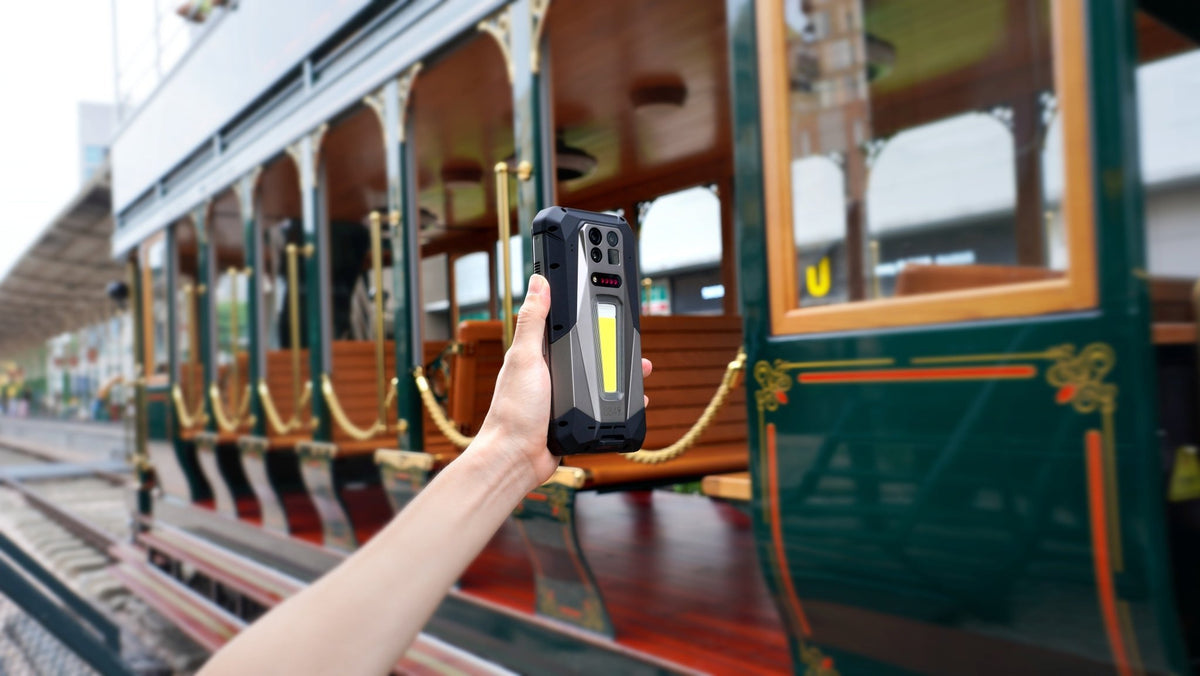
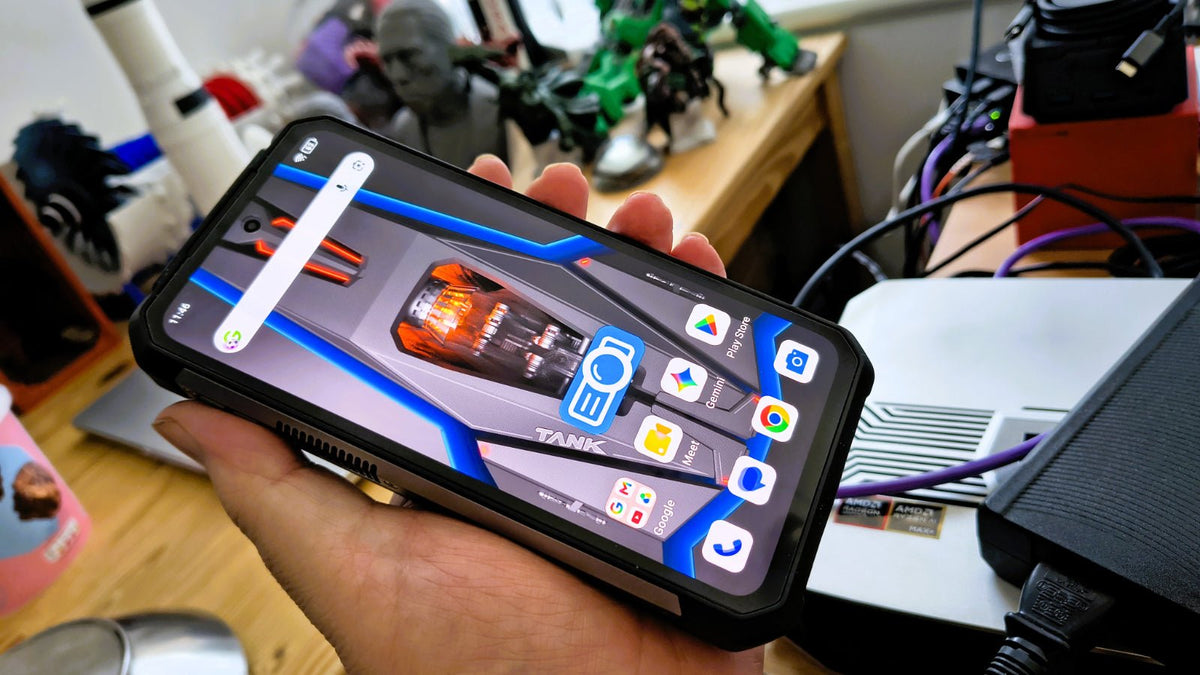
For example, some rugged phones like 8849 TANK X come equipped with night vision cameras for low-light environments, while others offer built-in projectors that can turn any surface into a display, useful for both work presentations and outdoor entertainment. You’ll also find models with thermal imaging for inspections, powerful camping lights for emergencies, or even laser rangefinders for specialized tasks. These are features that simply don’t exist in mainstream devices.
What makes this especially valuable is that these features are not just gimmicks; they solve real problems. Instead of carrying multiple tools, users can rely on a single device that adapts to their needs. As rugged phones continue to evolve, this category is becoming less about durability alone and more about functionality tailored to real-world use cases.
5. Lower Long-Term Cost of Ownership
At first glance, rugged phones may not always appear cheaper than regular smartphones, but the difference becomes clear over time. Traditional devices are more prone to cracked screens, water damage, and general wear, which often leads to repair costs or even full replacements within a year or two.
A rugged phone, by contrast, is designed to withstand these everyday risks, significantly reducing the likelihood of unexpected expenses. For users who rely heavily on their phones in demanding conditions, or simply want to avoid frequent repairs, the overall cost across the device’s lifespan can end up being noticeably lower.
6. Ideal for Outdoor, Travel, and Emergency Preparedness
Rugged phones are particularly well-suited for situations where reliability matters more than aesthetics or ultra-thin design. For outdoor enthusiasts, they provide dependable navigation, communication, and durability in environments where ordinary phones might fail—whether it’s hiking in remote areas, camping off-grid, or working in unpredictable weather conditions.
They are also increasingly valued in travel and emergency preparedness scenarios. Long battery life, strong signal stability, and resistance to physical damage make them a practical companion during power outages, natural disruptions, or long-distance trips where charging opportunities are limited. In these moments, having a device that continues to function without hesitation is not just convenient—it can be genuinely essential.
Consider Reliable 8849 TANK Series
If you’re thinking about stepping into the world of rugged phones, the 8849 TANK Series offers several practical models worth exploring.

-
For extreme battery life and emergency preparedness, the Tank 3 Pro stands out with its massive 23,800mAh battery, built-in projector, camping light, and military-grade durability that handles drops, water, and dust with ease.
-
Alternatively, the Tank 4 Pro provides a more balanced option with a bright AMOLED display, powerful performance, fast charging, and a 720p projector, making it suitable for both daily use and outdoor adventures.
-
The newer Tank X takes projection further with 1080p capability and strong night-vision features, appealing to users who want cinema-like sharing or enhanced visibility in low-light travel scenarios.
These reflect the key advantages of rugged phones without forcing you to compromise on core smartphone functionality.
Conclusion
Rugged phones are no longer limited to niche industrial use; they have evolved into practical devices for anyone who values durability, endurance, and real-world functionality. From surviving harsh environments to delivering extended battery life and specialized tools, they address limitations that many mainstream smartphones still struggle with.
For users who prioritize reliability over fragility, a rugged phone is a thoughtful, future-ready choice that better aligns with demanding lifestyles and unpredictable situations. A reliable rugged phone brand like 8849 can help you improve your outdoor life too.
FAQs
1. Are rugged phones worth buying in 2026?
For users who need durability, long battery life, or work in demanding environments, rugged phones are absolutely worth considering. They are built to reduce the risk of damage and minimize downtime, which can be more valuable than having the latest ultra-thin design or top-tier aesthetics.
2. What are the disadvantages of rugged phones?
Rugged phones are generally heavier and bulkier than standard smartphones, which may not appeal to users who prefer lightweight devices. In some cases, they may also prioritize durability over cutting-edge flagship performance or ultra-premium design materials.
3. Can rugged phones replace regular smartphones?
For many users, yes—but it depends on lifestyle. Rugged phones can fully replace regular smartphones for outdoor workers, travelers, or anyone who values durability and battery life. However, users who prioritize slim design, high-end photography, or flagship-level aesthetics may still prefer traditional smartphones.
Deli:
Rugged Tablet Price Guide 2026: How to Choose a Rugged Tablet?
What is the IP Rating for Phones?