

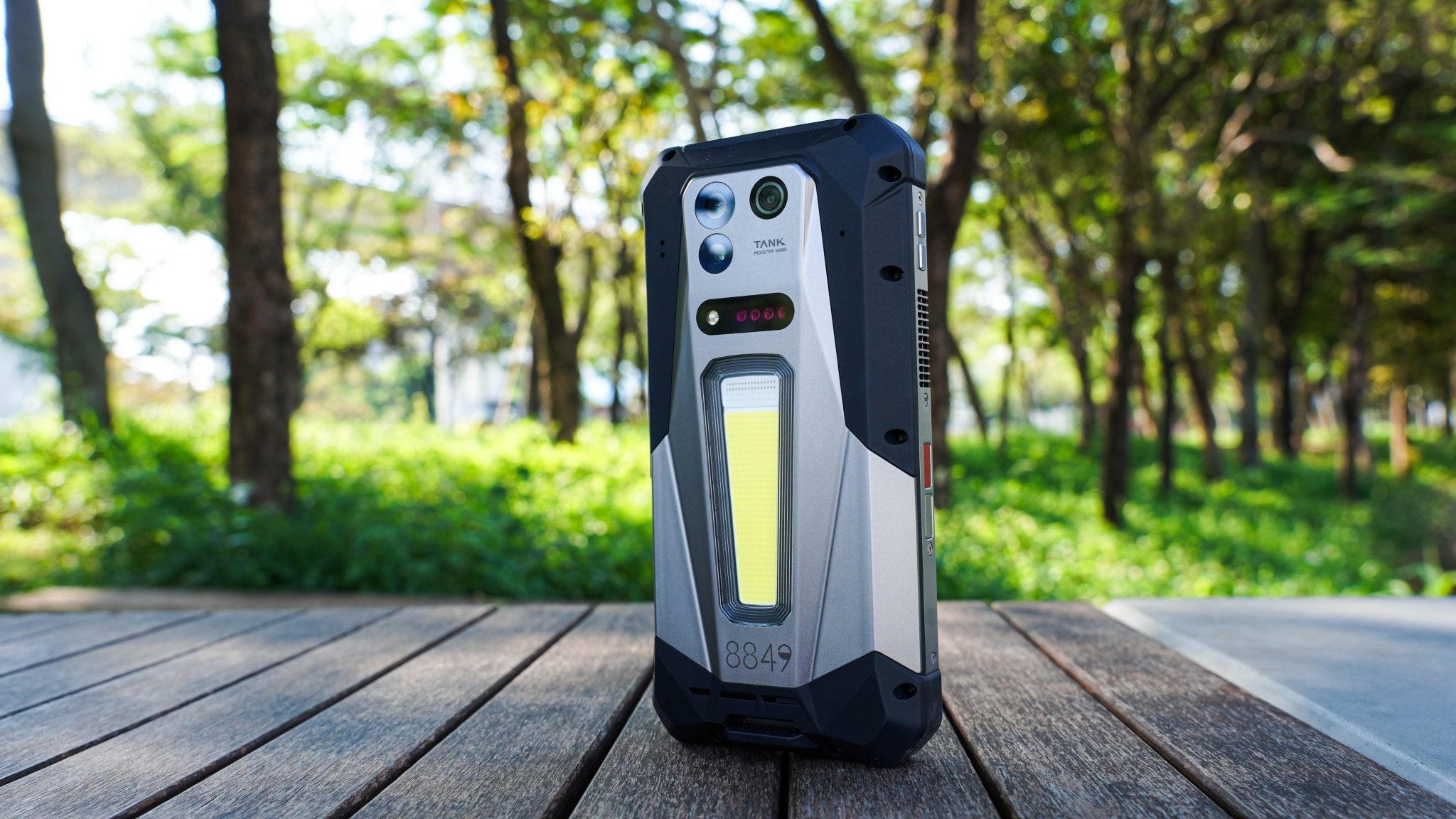
Či už vás zastihne náhla búrka, kráčate po blatistých chodníkoch alebo sa jednoducho obávate, že vám telefón spadne do umývadla, vodoodolný telefón vám poskytne cenný pocit istoty. V roku 2026 sa odolnosť proti vode stala štandardnou funkciou mnohých smartfónov. Vlajkové zariadenia často ponúkajú hodnotenie IP67 alebo IP68, ktoré pomáha chrániť pred každodenným poliatím, dažďom a krátkym ponorením do vody. Pre mnohých používateľov je takáto úroveň ochrany na bežný život viac než dostatočná.
Nie všetky vodoodolné telefóny sú však vyrobené do rovnakých podmienok. Ak sa počas svojich dobrodružstiev venujete rybolovu, jazde na kajaku, kempovaniu, práci vonku alebo objavovaniu odľahlých miest, odolnosť proti vode je len jednou časťou celkových vlastností. Odolné telefóny kombinujú vysoké stupne ochrany proti vode, často IP68 a IP69K, so zosilnenou konštrukciou, odolnosťou proti pádom a väčšími batériami, aby zvládli oveľa náročnejšie podmienky. V tejto príručke vysvetlíme, čo robí telefón skutočne vodoodolným, porovnáme jednotlivé normy ochrany a predstavíme niektoré z najlepších vodoodolných telefónov, ktoré si môžete kúpiť v roku 2026.
Čo robí telefón vodoodolným?
Pred porovnaním najlepších vodoodolných telefónov v roku 2026 je užitočné pochopiť, čo „vodoodolný“ skutočne znamená. Hoci sa tento pojem bežne používa, väčšina smartfónov je technicky skôr odolná proti vode než úplne vodotesná. Ich schopnosť odolávať vode závisí od priemyselne certifikovaných stupňov ochrany, kvality konštrukcie a spôsobu používania v reálnych podmienkach.
Vysvetlenie hodnotení IP (IP67, IP68 a IP69K)
Najbežnejším spôsobom merania odolnosti telefónu proti prachu a vode je jeho hodnotenie Ingress Protection (IP). Prvá číslica označuje ochranu pred pevnými časticami, napríklad prachom, zatiaľ čo druhá vyjadruje odolnosť proti vode. Napríklad hodnotenie IP68 znamená, že zariadenie je úplne chránené pred prachom a podľa testovacích podmienok výrobcu dokáže určitý čas odolať ponoreniu do sladkej vody v hĺbke väčšej než jeden meter. IP67 poskytuje podobnú ochranu pred prachom, ale je certifikované na menšiu hĺbku vody a kratší čas ponorenia.
Niektoré odolné telefóny idú ešte ďalej a ponúkajú stupeň krytia IP69K. Na rozdiel od IP68, ktoré sa zameriava na ponorenie, IP69K potvrdzuje odolnosť voči vysokotlakovým a vysokoteplotným prúdom vody. To je obzvlášť užitočné pre používateľov pracujúcich v náročných prostrediach, kde zariadenia môžu byť vystavené silnému prúdu vody, prudkému dažďu, blatu alebo častému čisteniu. Ak má telefón certifikáciu IP68 aj IP69K, je navrhnutý tak, aby zvládol širší rozsah výziev súvisiacich s vodou než bežný spotrebiteľský smartfón.
Vodoodolnosť verzus odolná ochrana
Vodoodolnosť je len jedným z aspektov odolnosti telefónu. Mnohé prémiové smartfóny dokážu prežiť náhodné ošpliechanie alebo krátke ponorenie do vody, no stále môžu byť náchylné na nárazy, hrubé zaobchádzanie, nečistoty či extrémne teploty. Telefón, ktorý dobre obstojí v kontrolovanom laboratórnom teste, nemusí byť nevyhnutne skonštruovaný na náročné používanie v prírode.
Odolné telefóny sú navrhnuté s ohľadom na takéto situácie. Okrem ochrany IP68 a IP69K zvyčajne ponúkajú zosilnené rámy, konštrukciu odolnú voči nárazom a väčšie batérie na dlhšie používanie mimo dosahu zdrojov energie. Či už sa vyberiete na túru, rybačku, pracujete na stavbe alebo kempujete niekoľko dní, odolný telefón ponúka úroveň odolnosti, ktorá presahuje samotnú vodoodolnosť.
Dajú sa vodoodolné telefóny používať pod vodou?
Mnohé vodoodolné telefóny možno ponoriť pod vodu, no existujú dôležité obmedzenia. Väčšina stupňov krytia IP sa testuje v čistej stojatej sladkej vode za kontrolovaných laboratórnych podmienok. Slaná voda, chlórovaná voda v bazéne, tečúca voda aj horúca voda môžu na telefón pôsobiť odlišne a časom znižovať jeho odolnosť. Aj keď má telefón certifikáciu IP68, výrobcovia vo všeobecnosti odporúčajú vyhýbať sa zbytočnému používaniu pod vodou, kedykoľvek je to možné.
Ak plánujete fotografovať alebo natáčať videá pod vodou, treba tiež pamätať na to, že dotykové ovládanie býva pod hladinou často nespoľahlivé. Okrem toho môže opakované vystavenie vode postupne opotrebovať tesnenia, keď telefón starne alebo po oprave. Pre najlepšiu dlhodobú ochranu telefón po kontakte so slanou vodou opláchnite sladkou vodou, pred nabíjaním ho dôkladne osušte a vždy dodržiavajte odporúčania výrobcu týkajúce sa údržby.
Najlepšie vodoodolné telefóny v roku 2026
Ak hľadáte telefón, ktorý si spoľahlivo poradí s vodou, nie všetky zariadenia sú rovnaké. Hoci mnohé vlajkové smartfóny ponúkajú vynikajúcu ochranu pred náhodným obliatím a dažďom, odolné telefóny sú skonštruované tak, aby zvládli oveľa náročnejšie prostredia. Nasledujúce dva modely kombinujú vodoodolnosť podľa noriem IP68/IP69K s odolnou konštrukciou, vďaka čomu sú vynikajúcou voľbou pre milovníkov outdoorových aktivít, profesionálov a každého, kto potrebuje telefón, ktorý zvládne aktívny životný štýl.
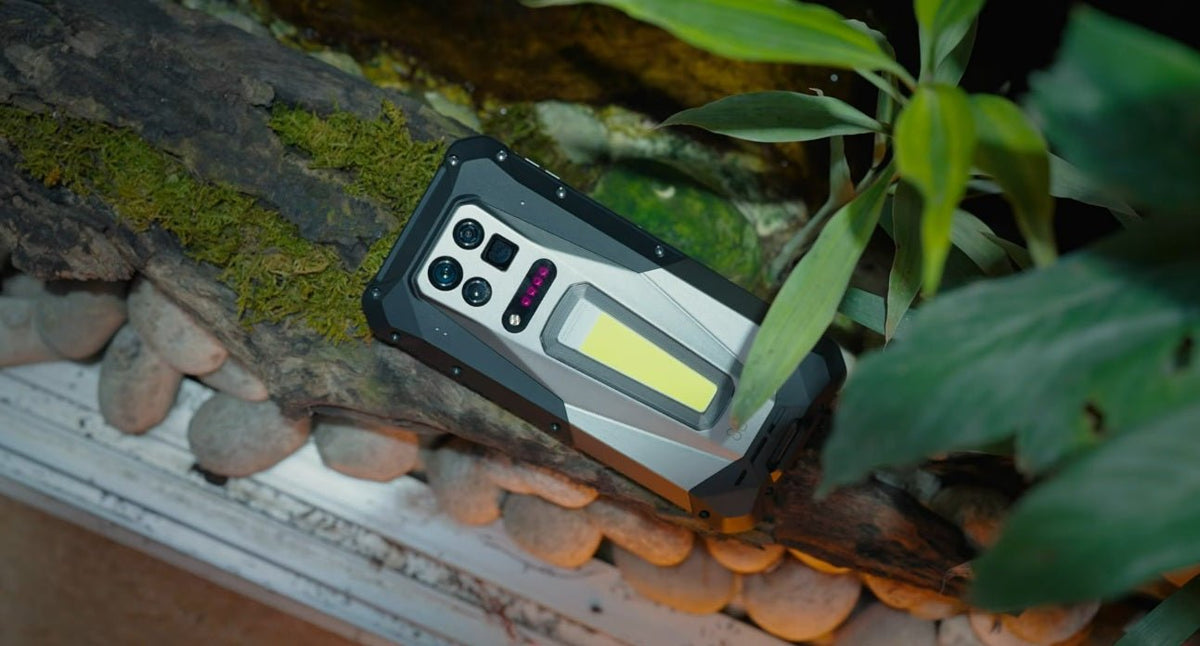
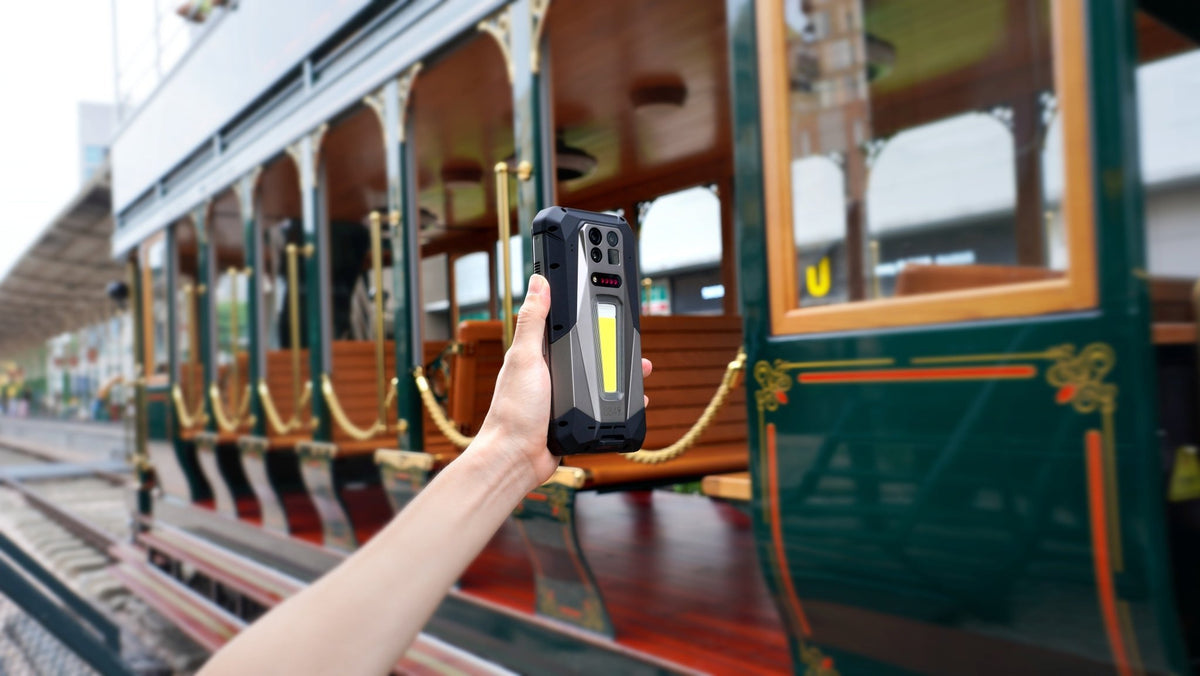
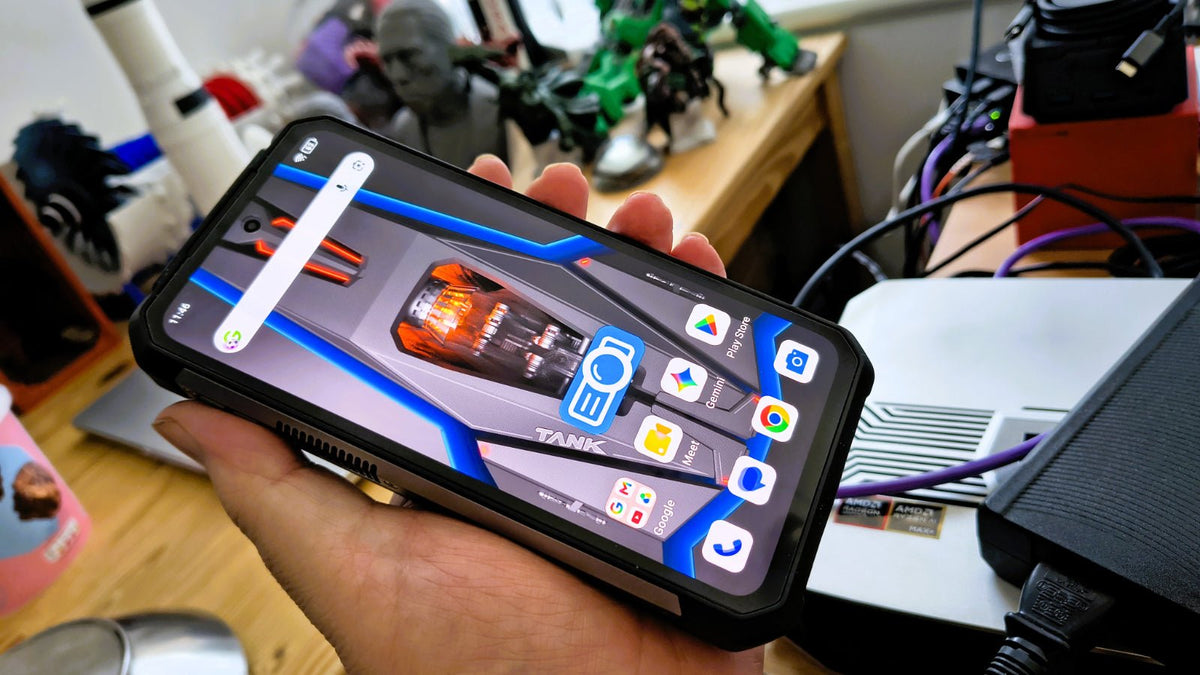
8849 Tank 5: Najlepší vodoodolný telefón celkovo
8849 Tank 5 patrí medzi najlepšie vybavené vodotesné odolné telefóny dostupné v roku 2026. Vďaka ochrane IP68 a IP69K je navrhnutý tak, aby odolal ponoreniu do vody, prachu, blatu a nepriaznivému počasiu bez zníženia výkonu.

Okrem odolnosti ponúka hardvér na úrovni vlajkových lodí vrátane výkonného procesora Dimensity 9400e, pôsobivého 3K AMOLED displeja a zabudovaného 2K projektora. Či už kempujete v daždi, pracujete priamo na stavbe alebo cestujete mimo civilizácie, Tank 5 ponúka odolnosť bez kompromisov v každodennom používaní.
Kľúčové vlastnosti:
- Vodotesná a prachotesná ochrana podľa IP68 a IP69K
- 3K AMOLED displej pre živý obraz
- Vlajková čipová súprava MediaTek Dimensity 9400e
- Zabudovaný 2K projektor na zábavu a prezentácie
- Veľkokapacitná batéria s podporou rýchleho nabíjania
| Výhody | Nevýhody |
|---|---|
| Vynikajúca odolnosť podľa IP68/IP69K | Väčší a ťažší než štandardné smartfóny |
| Výkon na úrovni vlajkových lodí | Prémiová cena v porovnaní so základnými odolnými telefónmi |
| Ostrý 3K AMOLED displej | Nemá termokameru |
| Podpora eSIM |
8849 Tank 4 Pro: Najlepší vodotesný telefón na outdoorové dobrodružstvá
Ak je vašou prioritou spoľahlivosť počas outdoorových aktivít, 8849 Tank 4 Pro je vynikajúcou voľbou. Kombinuje ochranu IP68/IP69K s odolnosťou na vojenskej úrovni a je navrhnutý tak, aby fungoval v náročných podmienkach – od stavenísk až po horské chodníky.

Procesor MediaTek Dimensity 8300 zabezpečuje plynulý každodenný výkon a zároveň ponúka zabudovaný projektor a obrovskú batériu, ktorá vydrží počas dlhších ciest bez častého nabíjania.
Kľúčové vlastnosti:
- IP68 a IP69K certifikovaná odolnosť voči vode a prachu
- Procesor MediaTek Dimensity 8300
- Integrovaný projektor 720 na zábavu a prácu vonku
- Obrovská batéria na používanie počas niekoľkých dní
- 3K AMOLED displej pre živý obraz
| Výhody | Nevýhody |
|---|---|
| Vynikajúca vodotesná a odolná ochrana | Objemný v porovnaní s bežnými smartfónmi |
| Spoľahlivý výkon pri práci aj používaní vonku | Vyššia hmotnosť vďaka robustnej konštrukcii |
| Dlhá výdrž batérie | Väčšie rozmery nemusia vyhovovať každému vrecku |
| Zabudovaný projektor zvyšuje všestrannosť |
8849 Tank 3 Pro: Najlepší pomer ceny a funkcií medzi vodoodolnými odolnými telefónmi
Pre používateľov, ktorí chcú odolnosť na úrovni vlajkových modelov bez výberu najnovšieho prémiového modelu, ponúka 8849 Tank 3 Pro vynikajúci pomer ceny a funkcií. Kombinuje vodoodolnosť IP68 a IP69K s robustnou konštrukciou odolnou voči nárazom, ktorá je pripravená na náročné vonkajšie prostredie.

Vďaka výkonnému procesoru MediaTek Dimensity 8200, pôsobivej batérii s kapacitou 23 800 mAh, zabudovanému projektoru a hlavnému fotoaparátu s rozlíšením 200 Mpx zostáva Tank 3 Pro aj v roku 2026 jedným z najuniverzálnejších odolných telefónov. Je vynikajúcou voľbou pre cestovateľov, kempujúcich a profesionálov, ktorí potrebujú spoľahlivý výkon a mimoriadnu výdrž batérie za dostupnejšiu cenu.
Kľúčové vlastnosti:
- Certifikácia vodoodolnosti a prachotesnosti IP68 a IP69K
- Procesor MediaTek Dimensity 8200 5G
- Obrovská batéria s kapacitou 23 800 mAh na dlhodobé používanie
- Zabudovaný projektor na vonkajšiu zábavu a prezentácie
- Hlavný kamerový systém s rozlíšením 200 Mpx a umelou inteligenciou
| Výhody | Nevýhody |
|---|---|
| Vynikajúci pomer ceny a funkcií | Ťažší než bežné smartfóny |
| Výnimočná výdrž batérie | Veľká batéria vedie k hrubšej konštrukcii |
| Výkonný 200 Mpx fotoaparát a zabudovaný projektor | Nie je taký výkonný ako najnovšia vlajková čipová súprava |
| Spoľahlivá odolná ochrana IP68/IP69K |
Ako vybrať najlepší vodoodolný telefón
Výber najlepšieho vodoodolného telefónu nie je len o hľadaní najvyššieho stupňa krytia IP. Správne zariadenie závisí od toho, kde ho budete používať, akým výzvam bude čeliť a ktoré funkcie sú pre váš životný štýl najdôležitejšie. Pred rozhodnutím zvážte niekoľko faktorov.
Zvážte svoje každodenné aktivity
- Každodenné dochádzanie – Smartfón s krytím IP67 alebo IP68 zvyčajne poskytuje dostatočnú ochranu pred dažďom, náhodným obliatím a občasným pádom do vody.
- Turistika a kempovanie – Vyberte si odolný telefón s ochranou IP68/IP69K, veľkou batériou, robustnou konštrukciou a jasným displejom, ktorý zostane dobre čitateľný vonku.
- Rybolov a člnkovanie – Hľadajte vynikajúcu vodoodolnosť, dlhú výdrž batérie, spoľahlivé GPS a odolnú konštrukciu, ktorá zvládne mokré ruky, klzké povrchy aj nečakané pády.
- Stavebníctvo a priemyselná práca – Odolný telefón so zosilnenou ochranou, certifikáciou IP69K a vysokou odolnosťou proti pádom je vhodnejší na prašné, blatisté a fyzicky náročné pracoviská.
- Cestovanie a dobrodružné športy – Uprednostnite kombináciu vodoodolnosti, odolnosti, dlhej výdrže batérie a užitočných outdoorových funkcií, ako sú výkonné baterky, projektory alebo podpora offline navigácie.
Pozerajte aj na iné vlastnosti než len stupeň krytia IP
- Výdrž batérie – Outdoorové aktivity často znamenajú obmedzený prístup k nabíjaniu, vďaka čomu je batéria s vysokou kapacitou veľkou výhodou.
- Kvalita vyhotovenia – Zosilnené rámy a odolné materiály poskytujú lepšiu ochranu pred náhodnými pádmi a nárazmi.
- Ochrana displeja – Tvrdené sklo pomáha predchádzať škrabancom a prasklinám pri každodennom používaní aj outdoorových dobrodružstvách.
- Výkon – Výkonný procesor zabezpečuje plynulé prehliadanie, fotografovanie, multitasking a hranie hier.
- Ďalšie funkcie – V závislosti od vašich potrieb môžu vstavané projektory, fotoaparáty s vysokým rozlíšením, výkonné baterky, kamery s nočným videním alebo termokamery výrazne zvýšiť hodnotu telefónu.
Myslite na dlhodobú spoľahlivosť
Vodoodolnosť telefónu nie je trvalá. Bežné opotrebovanie, náhodné pády, opravy a vystavenie náročným podmienkam môžu časom postupne znižovať účinnosť ochranných tesnení. Výber kvalitne vyrobeného zariadenia od renomovaného výrobcu, vyhýbanie sa zbytočnému vystaveniu pod vodou a správna starostlivosť o telefón vám pomôžu zachovať jeho vodoodolnosť na dlhé roky. Pri investícii do vodoodolného telefónu je dlhodobá spoľahlivosť rovnako dôležitá ako stupeň krytia IP uvedený v technických údajoch.
Tipy na zachovanie vodoodolnosti telefónu
Aj ten najlepší vodoodolný telefón si vyžaduje správnu starostlivosť, aby si časom zachoval svoje ochranné vlastnosti. Tesnenia odolné voči vode sa môžu postupne opotrebovať pri každodennom používaní, nárazoch alebo nesprávnej manipulácii. Dodržiavanie niekoľkých jednoduchých návykov môže pomôcť udržať telefón v čo najlepšom stave.
- Po vystavení slanej vode opláchnite telefón sladkou vodou, aby ste zabránili korózii.
- Pred pripojením nabíjačky nabíjací port úplne vysušte.
- Nevystavujte telefón vode pod vysokým tlakom, pokiaľ nemá špecifickú ochranu podľa IP69K.
- Úmyselne netestujte vodoodolnosť telefónu jeho opakovaným ponáraním.
- Po väčších pádoch alebo opravách telefón skontrolujte, pretože poškodené tesnenia môžu znížiť jeho odolnosť proti vode.
- Udržiavajte krytky portov čisté a bezpečne zatvorené, ak nimi je vaše zariadenie vybavené.
- Vyhýbajte sa extrémnym teplotám, ktoré môžu časom ovplyvniť lepidlá a vodoodolné tesnenia.
- Dodržiavajte pokyny výrobcu týkajúce sa starostlivosti, aby ste maximalizovali životnosť ochranných prvkov telefónu.
Pamätajte, že žiadny telefón nezostane vodoodolný navždy. Pravidelná údržba a rozumné používanie sú najlepšími spôsobmi, ako zachovať jeho ochranu. Ak sa o zariadenie budete starať, môžete znížiť riziko poškodenia vodou a užívať si spoľahlivý výkon pri dochádzaní, cestovaní aj objavovaní prírody.
Záverečné myšlienky
Najlepší vodoodolný telefón pre vás závisí od toho, ako a kde ho plánujete používať. Bežným používateľom smartfón s klasifikáciou IP67 alebo IP68 poskytne spoľahlivú ochranu pred dažďom, poliatiami a náhodným ošpliechaním. Ak však často pracujete vonku alebo sa venujete aktivitám, ako je rybolov, kempovanie, turistika či cestovanie mimo spevnených ciest, odolný telefón ponúka vyššiu úroveň odolnosti vďaka ochrane IP68/IP69K, zosilnenej konštrukcii a väčším batériám. Ak porozumiete klasifikáciám IP a vyberiete si zariadenie, ktoré zodpovedá vášmu životnému štýlu, môžete si užívať väčší pokoj, nech vás dobrodružstvá zavedú kamkoľvek.
Často kladené otázky
Sú vodoodolné telefóny naozaj vodotesné?
Nie úplne. Väčšina smartfónov je technicky vodoodolná, nie úplne vodotesná. Klasifikácia IP67, IP68 alebo IP69K znamená, že telefón bol testovaný na odolnosť voči konkrétnym úrovniam pôsobenia vody v kontrolovaných laboratórnych podmienkach. Faktory z reálneho sveta, ako slaná voda, poškodené tesnenia alebo fyzické nárazy, môžu túto ochranu znížiť.
Je IP68 lepšie než IP67?
Áno. Obe klasifikácie poskytujú úplnú ochranu pred prachom, no IP68 vo všeobecnosti ponúka lepšiu odolnosť proti vode než IP67. Telefón s certifikáciou IP67 je zvyčajne testovaný na prežitie ponorenia do sladkej vody do hĺbky 1 metra počas 30 minút, zatiaľ čo zariadenia s certifikáciou IP68 sa testujú v hlbšej vode podľa špecifikácií výrobcu. Ak očakávate používanie telefónu vo vlhkejšom prostredí, IP68 je zvyčajne lepšou voľbou.
Môžem si vziať vodoodolný telefón do mora?
Neodporúča sa to. Hoci mnohé vodoodolné telefóny dokážu prežiť ponorenie do sladkej vody, slaná voda je oveľa korozívnejšia a môže postupne poškodiť tesnenia, nabíjacie porty a kovové súčasti. Ak sa telefón dostane do kontaktu s morskou vodou, čo najskôr ho opláchnite čistou sladkou vodou, dôkladne ho osušte a nenabíjajte ho, kým nebude nabíjací port úplne suchý.
Zdieľať:
Najlepšie odolné telefóny na rybársky výlet v roku 2026
Telefón vs. tablet: Ktorý si kúpiť?