

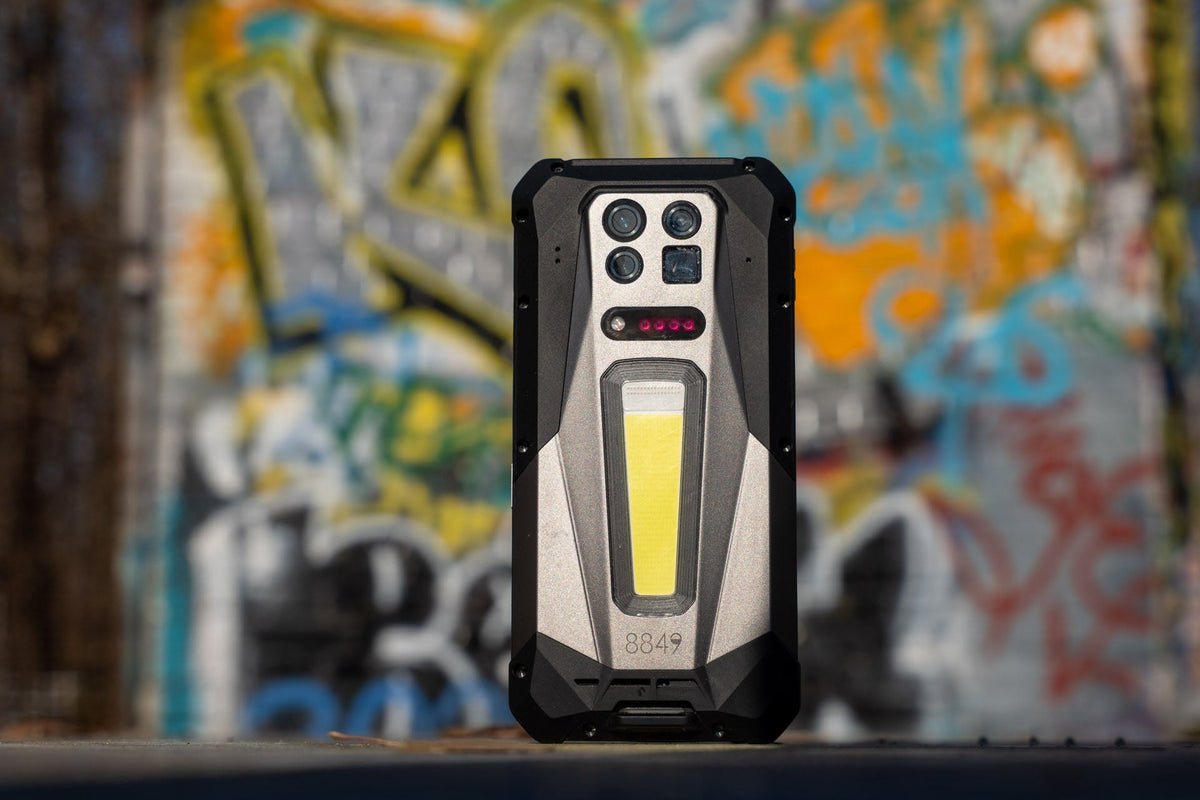
Military operations often take place in challenging environments where ordinary smartphones may not withstand the conditions. Exposure to dust, water, extreme temperatures, and accidental drops can affect a device's reliability, making durability an important consideration for field personnel.
Rugged phones are designed to handle these demanding conditions, which makes them a potential option for certain military applications. But can commercial rugged phones really meet military requirements? Understanding their durability ratings, testing standards, and practical limitations can help answer this question.
Can Rugged Phones Be Used for Military?
Rugged phones can be used for certain military activities, particularly in field environments where devices need to withstand physical stress and harsh weather conditions. Their reinforced construction, water and dust resistance, and impact protection make them more suitable than ordinary smartphones for tasks such as field communication, GPS navigation, information access, and logistical coordination. These capabilities can be useful for personnel working outdoors or in demanding operational environments.
However, not every rugged phone is suitable for military deployment. Different operations have different requirements, including communication security, data protection, and compatibility with specialized military systems.
It's also important to distinguish between military-grade durability testing and official military approval. A commercial rugged phone may pass MIL-STD-810H tests without being certified or authorized for military use. Its actual suitability depends on the specific mission and the organization's requirements.
Military Applications of Rugged Phones
Rugged phones can support various military activities, especially those that require reliable access to communication, positioning, and operational information in the field. Although they do not replace specialized military equipment, their portability and durable construction make them useful tools for several supporting tasks.
Field Communication
Communication is essential for military personnel working in the field. Rugged phones can support voice calls, messaging, and communication through compatible applications, helping personnel stay connected with their teams. However, their use depends on available network coverage and approved communication systems, as standard cellular connections may not be available or permitted in certain operational areas.
GPS Navigation and Positioning
Rugged phones equipped with GPS and other satellite positioning systems can help military personnel determine their location and navigate unfamiliar terrain. With compatible offline maps and navigation applications, they can provide access to geographic information even when cellular coverage is limited. Their durable construction is also useful when navigating rough terrain or working outdoors for extended periods.
Mission Planning and Information Access
Field personnel may need to access schedules, digital maps, instructions, and other operational information while away from their regular workstations. Rugged phones offer a portable way to view and manage such information through compatible software. Their compact size makes them convenient to carry, while their durable design helps protect them during demanding field activities.
Logistics and Equipment Management
Military logistics involves tracking supplies, equipment, and resources across different locations. Rugged phones can support inventory management, barcode scanning, digital recordkeeping, and coordination between personnel. These functions can help streamline routine logistical tasks, particularly in warehouses, supply areas, and outdoor operations.
Emergency Coordination
In emergency situations, rugged phones can provide an additional communication and information-access tool for personnel. They may be used to coordinate responses, share location information, and access emergency procedures when supported by the available systems. Their resistance to dust, water, and accidental impacts can also be valuable in unpredictable environments.

Military Standards and Testing for Rugged Phones
When evaluating rugged phones for military use, durability standards and testing results are important factors to consider. These standards help indicate how well a device can withstand environmental exposure and physical stress. Several ratings and testing methods are commonly used to assess the durability of commercial rugged phones.
-
MIL-STD-810H
MIL-STD-810H is a United States Department of Defense standard that provides environmental engineering and laboratory testing methods. It covers various environmental conditions, including high and low temperatures, humidity, vibration, shock, and exposure to dust. Rugged phone manufacturers may use selected test methods from this standard to demonstrate their devices' resistance to demanding environments. However, the standard does not establish a single universal certification for smartphones.
-
IP68 and IP69K
IP ratings indicate a device's level of protection against solid particles and water. IP68 generally means the device is dust-tight and can withstand immersion in water under specified conditions. IP69K indicates protection against high-pressure, high-temperature water jets. These ratings are particularly relevant for military personnel working in wet, dusty, or muddy environments.
-
Drop and Shock Resistance
Physical impacts are another important consideration for devices used in demanding field conditions. Drop and shock testing evaluates how well a phone withstands accidental falls, impacts, and mechanical stress. Reinforced frames, protective corners, and strengthened screens can help reduce the risk of damage, although actual performance depends on the device's construction and testing conditions.
-
Temperature Resistance
Military field environments can expose electronic devices to significant temperature variations. Temperature testing evaluates whether a phone can continue operating or remain functional after exposure to specified high and low temperatures. This is particularly important for personnel working in deserts, mountainous regions, and other environments with challenging weather conditions.
It is important to understand that meeting MIL-STD-810H testing requirements or carrying an IP rating does not automatically make a commercial rugged phone military-certified or approved for military operations. Manufacturers may test devices against selected methods rather than every procedure in a standard. Actual military suitability also depends on communication security, data protection, system compatibility, and the requirements of the organization deploying the device.
Essential Features of Rugged Phones for Military Use
Beyond durability ratings, several hardware and functional features can determine whether a rugged phone is suitable for demanding field environments. Military personnel may need devices that remain reliable during extended outdoor activities, support essential navigation and communication tasks, and provide convenient access to information. The following features are worth considering:
- Durable Housing and Reinforced Construction: A reinforced frame, shock-resistant corners, and a strengthened display can help protect a phone against accidental drops, impacts, and physical stress during field operations.
- Long-Lasting Battery Capacity: Extended battery life is important when personnel spend long periods away from charging facilities. Large-capacity batteries can support communication, navigation, and other essential functions throughout demanding workdays.
- Reliable GPS and Connectivity: GPS, GLONASS, Galileo, and other satellite positioning systems can improve location accuracy and navigation flexibility. Support for multiple network technologies also helps maintain connectivity where compatible networks are available.
- Bright Displays for Outdoor Visibility: A high-brightness display makes it easier to read maps, messages, and operational information under direct sunlight. A touchscreen that remains responsive with wet hands or gloves can also improve usability.
- Night Vision and Thermal Imaging: Night vision cameras can help capture images in low-light conditions, while thermal imaging can detect heat signatures and temperature differences. These capabilities may provide additional value for specialized field tasks, depending on the equipment and operational requirements.
- Physical Buttons and Convenient Operation: Dedicated physical buttons can provide quick access to frequently used functions without relying entirely on touchscreen controls. This can be particularly useful when personnel wear gloves or operate devices in challenging conditions.
Limitations of Using Consumer Rugged Phones in Military Operations
Although consumer rugged phones offer strong physical protection and useful outdoor features, they still have limitations in military environments. Their durability does not necessarily mean they can meet the technical, security, and operational requirements of military organizations. Several factors need to be considered:
- Military Communication and Encryption Requirements: Standard rugged phones may not support the secure communication protocols, specialized radio systems, or encryption technologies required for military operations.
- Data Security and Information Protection: Consumer devices may be more vulnerable to malware, unauthorized access, and data leaks. Military environments often require stricter security controls, specialized software, and managed device configurations.
- Compatibility with Military Systems: Military organizations may rely on dedicated communication networks, navigation tools, and operational software. Commercial rugged phones are not necessarily designed to integrate with these specialized systems.
- Operational Reliability: Even with strong durability ratings, consumer rugged phones may not be tested for every environmental condition or operational scenario encountered in military service. Battery performance, network availability, and hardware reliability can also vary depending on the environment.
- Military Approval and Deployment Restrictions: A rugged phone that meets certain MIL-STD-810H testing methods is not automatically authorized for military use. Individual organizations may have their own procurement policies, security requirements, and equipment approval procedures.
Final Thoughts
Rugged phones can be useful tools for certain military activities, particularly in environments where durability, reliable navigation, and convenient access to information are important. However, physical protection alone does not make a device suitable for every military application. Environmental testing, communication security, system compatibility, and official approval all need to be considered before deployment.
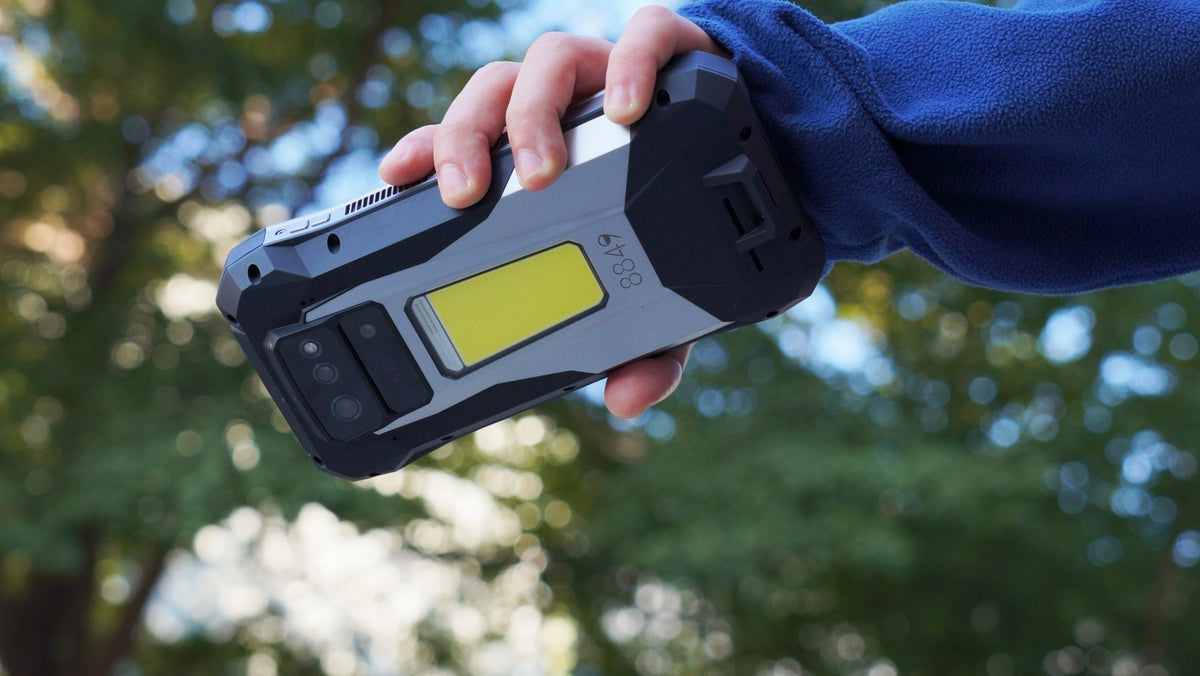
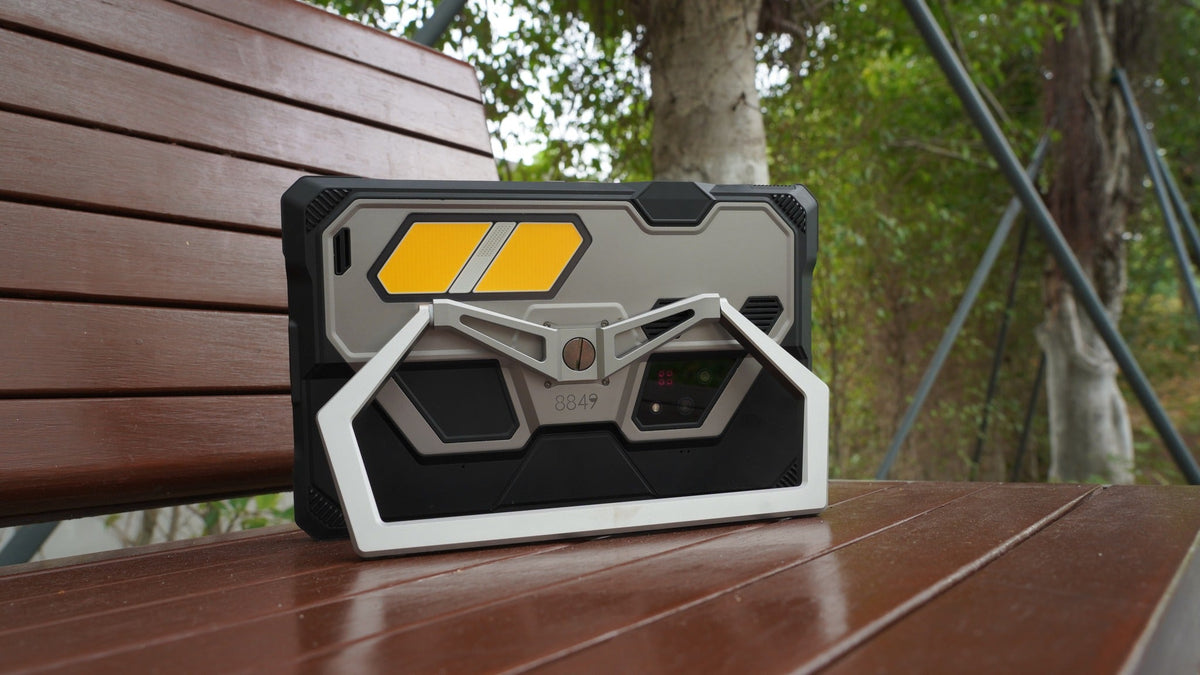
For users looking for durable smartphones with advanced outdoor capabilities, 8849 offers a range of rugged phones designed for demanding environments. Models such as the 8849 Tank 5 Pro demonstrate how modern rugged phones can combine durability with specialized features for outdoor use.
FAQs
1. Are rugged phones military-grade?
Not necessarily. Rugged phones are designed to withstand harsh environments, but this does not automatically make them military-grade devices. Some commercial models undergo MIL-STD-810H testing and offer IP-rated protection, while military-grade equipment may require additional security, communication, and operational certifications.
2. What does MIL-STD-810H mean for rugged phones?
MIL-STD-810H is a United States Department of Defense standard that provides environmental testing methods for evaluating equipment durability. For rugged phones, selected tests may assess resistance to temperature extremes, humidity, vibration, shock, and other environmental conditions. However, compliance with selected test methods does not mean a phone has passed every test in the standard.
3. Can military personnel use commercial smartphones?
Yes, military personnel may use commercial smartphones for certain activities, depending on their organization's policies and operational requirements. However, devices used for sensitive military communications or classified information generally need to meet specific security and authorization requirements. Ordinary commercial smartphones should not be assumed to be approved for these purposes.
Share:
A Complete Projector Phone Buying Guide in 2026