

Thermische beeldvorming is een technologie die de door objecten uitgezonden infraroodstraling detecteert en deze omzet in een zichtbaar beeld op basis van temperatuurverschillen. In tegenstelling tot conventionele camera's die afhankelijk zijn van zichtbaar licht, maakt thermische beeldvorming warmtepatronen zichtbaar, zodat gebruikers mensen, dieren, apparatuur of structurele problemen kunnen identificeren, zelfs in volledige duisternis, rook of omgevingen met beperkt zicht. Tegenwoordig is ze een onmisbaar hulpmiddel in sectoren zoals elektrische inspectie, bouw, productie, openbare veiligheid en verkenning in de buitenlucht.
Naarmate thermische beeldvorming compacter en betaalbaarder wordt, blijft ze niet langer beperkt tot gespecialiseerde industriële apparatuur. Professionele handapparaten, drones en zelfs robuuste smartphones beschikken nu over geïntegreerde thermische camera's, waardoor deze krachtige technologie toegankelijk is voor technici, hulpverleners, liefhebbers van buitenactiviteiten en alledaagse gebruikers. In deze gids leggen we uit wat thermische beeldvorming is, hoe ze werkt, waar ze wordt gebruikt en waar je op moet letten bij het kiezen van een thermisch beeldvormingsapparaat.
Wat is thermische beeldvorming?
Thermische beeldvorming is een technologie die de infraroodstraling vastlegt die van nature wordt uitgezonden door elk object boven het absolute nulpunt, en deze omzet in een zichtbaar beeld op basis van temperatuurverschillen. In plaats van kleuren en details met zichtbaar licht vast te leggen, zoals een traditionele camera doet, benadrukt een thermische camera warmtesignaturen, waardoor warmere en koelere gebieden gemakkelijk van elkaar te onderscheiden zijn.
Hierdoor kunnen gebruikers mensen, dieren, machines of verborgen warmtebronnen detecteren, zelfs in volledige duisternis of onder moeilijke omstandigheden zoals rook, lichte mist en stof. Omdat thermische beeldvorming temperatuur in plaats van uiterlijk visualiseert, is ze een onmisbaar hulpmiddel geworden voor inspectie, onderhoud, veiligheid en toepassingen in de buitenlucht.
Hoewel thermische beeldvorming tegenwoordig breed beschikbaar is, ontwikkelt deze technologie zich al meer dan twee eeuwen. De basis werd gelegd in 1800, toen astronoom Sir William Herschel infraroodstraling ontdekte tijdens zijn onderzoek naar zonlicht.
In de daaropvolgende decennia ontwikkelde de technologie voor thermische detectie zich door militair, wetenschappelijk en industrieel onderzoek, voordat deze aan het einde van de 20e eeuw compacter en betaalbaarder werd. Dankzij verbeteringen in infraroodsensoren en beeldverwerking is thermische beeldvorming tegenwoordig niet langer beperkt tot gespecialiseerde apparatuur. Ze is nu te vinden in handapparaten, drones en zelfs robuuste smartphones, waardoor ze toegankelijk is voor zowel professionals als alledaagse gebruikers.
Hoe werkt thermische beeldvorming?

Thermische beeldvorming werkt door de infraroodenergie (warmte) te detecteren die objecten van nature uitstralen en deze om te zetten in een visueel beeld dat temperatuurverschillen weergeeft. In tegenstelling tot een standaardcamera, die afhankelijk is van gereflecteerd zichtbaar licht, meet een warmtebeeldcamera infraroodstraling die onzichtbaar is voor het menselijk oog. Het resultaat is een thermisch beeld waarmee gebruikers snel warme en koude gebieden kunnen herkennen, waardoor afwijkingen die anders onopgemerkt zouden blijven gemakkelijker te detecteren zijn.
Infraroodenergie detecteren
Elk object met een temperatuur boven het absolute nulpunt zendt infraroodstraling uit. Over het algemeen zenden warmere objecten meer infraroodenergie uit dan koelere, hoewel de hoeveelheid straling ook afhankelijk is van de oppervlakte-eigenschappen van een materiaal. Een warmtebeeldsensor vangt deze onzichtbare infraroodenergie op in plaats van zichtbaar licht, waardoor temperatuursverschillen zowel overdag als 's nachts kunnen worden gedetecteerd. Daarom blijft thermische beeldvorming effectief in volledige duisternis en kunnen warmtebronnen vaak worden onthuld die voor een conventionele camera verborgen blijven.
Warmte omzetten in een beeld
Zodra de infraroodstraling is gedetecteerd, meet de sensor van de camera de intensiteit van de door verschillende delen van de scène uitgestraalde warmte. Het apparaat verwerkt deze gegevens vervolgens en wijst kleuren of tinten toe aan verschillende temperatuurniveaus, waardoor een thermisch beeld ontstaat dat gebruikers gemakkelijk kunnen interpreteren. Gebieden met hogere temperaturen zien er anders uit dan koelere delen, waardoor het mogelijk is oververhitte elektrische componenten te lokaliseren, warmtelekken in gebouwen op te sporen, wilde dieren in dichte begroeiing te detecteren of mensen te identificeren tijdens zoek- en reddingsoperaties.
Thermische kleurenpaletten begrijpen
Een thermisch beeld toont niet de werkelijke kleur van het object. In plaats daarvan gebruikt de camera een kleurenpalet om verschillende temperaturen weer te geven, waardoor warmtepatronen gemakkelijker te interpreteren zijn. Verschillende paletten zijn ontworpen voor verschillende omgevingen en taken. De juiste keuze kan de zichtbaarheid verbeteren en gebruikers helpen belangrijke details sneller te herkennen.
Enkele van de meest voorkomende thermische kleurenpaletten zijn:
-
Wit heet – Warmere objecten verschijnen wit, terwijl koelere gebieden donkerder lijken. Dit is een van de meest gebruikte paletten, omdat het een natuurlijk ogend beeld oplevert dat tijdens inspecties en bewaking gemakkelijk te interpreteren is.
-
Zwart heet – Het tegenovergestelde van Wit heet, waarbij warmere objecten zwart verschijnen en koelere gebieden lichter lijken. Veel gebruikers geven de voorkeur aan dit palet voor observatie buitenshuis, omdat mensen en dieren hierdoor duidelijker tegen hun omgeving kunnen afsteken.
-
Ironbow (Iron Red) – Gebruikt een verloop van zwart, paars, rood, oranje en geel om oplopende temperaturen weer te geven. Omdat kleine temperatuurverschillen hierdoor extra worden benadrukt, wordt dit palet vaak gebruikt voor elektrische inspecties, mechanisch onderhoud en bouwkundige diagnostiek.
-
Rainbow – Geeft temperaturen weer met meerdere felle kleuren verspreid over het spectrum. Dit is nuttig voor het analyseren van subtiele temperatuurverschillen en het presenteren van thermische gegevens, hoewel de overvloed aan kleuren een snelle interpretatie soms moeilijker kan maken.
-
Red Hot – Vergelijkbaar met grijstintenpaletten, maar de warmste gebieden worden felrood weergegeven. Hierdoor zijn oververhitte componenten of kritieke hotspots die onmiddellijk aandacht vereisen gemakkelijker te identificeren.
Met de meeste moderne thermische beeldvormingsapparaten kunnen gebruikers met één tik schakelen tussen meerdere kleurenpaletten. Hoewel de onderliggende temperatuurgegevens hetzelfde blijven, kan het wijzigen van het palet bepaalde details beter zichtbaar maken, afhankelijk van de omgeving en de taak. Zo geeft een gebouwinspecteur mogelijk de voorkeur aan Ironbow om isolatieproblemen te identificeren, terwijl een zoek- en reddingsteam kan kiezen voor White Hot of Black Hot om doelen bij weinig licht duidelijker te detecteren.
Veelvoorkomende toepassingen van thermische beeldvorming
Thermische beeldvorming is een onmisbaar hulpmiddel geworden in een breed scala aan sectoren, omdat het temperatuurverschillen zichtbaar kan maken die met het blote oog niet waarneembaar zijn. Hieronder staan enkele van de meest voorkomende toepassingen van thermische beeldvorming.
-
Inspecties van woningen en gebouwen: Thermische beeldvorming helpt inspecteurs verborgen problemen te identificeren, zoals ontbrekende isolatie, luchtlekken, binnendringend water en vochtophoping achter muren of plafonds. Door temperatuurverschillen zichtbaar te maken, kunnen problemen sneller en minder ingrijpend worden vastgesteld dan wanneer constructies moeten worden opengebroken.
-
Elektrisch onderhoud: Elektriciens gebruiken warmtecamera's om oververhitte stroomonderbrekers, losse elektrische verbindingen, overbelaste schakelkasten en defect rakende componenten op te sporen voordat deze ernstige gevaren opleveren. Vroege detectie helpt uitvaltijd te beperken en het risico op elektrische branden te verlagen.
-
Monitoring van industriële apparatuur: In fabrieken en productiebedrijven wordt thermische beeldvorming gebruikt om motoren, pompen, lagers, transportsystemen en andere machines te bewaken. Door abnormale warmte te detecteren, kunnen onderhoudsteams apparatuur repareren voordat er onverwachte storingen optreden.
-
Diagnostiek van voertuigen: Monteurs gebruiken warmtecamera's om motoren, remmen, koelsystemen, accu's en onderdelen van het uitlaatsysteem te inspecteren. Door warmtepatronen te vergelijken, kunnen versleten onderdelen, problemen met de vloeistofstroom of oververhitte componenten worden opgespoord die tijdens een visuele inspectie mogelijk niet opvallen.
-
Buitenactiviteiten en natuurobservatie: Jagers, kampeerders en wandelaars gebruiken thermische beeldvorming om wilde dieren te spotten, dieren te volgen of zich te oriënteren in omgevingen met weinig licht. Omdat thermische camera's warmte detecteren in plaats van zichtbaar licht, blijven ze effectief na zonsondergang of in dichte begroeiing waar het zicht beperkt is.
-
Zoeken en redden: Hulpverleners vertrouwen op thermische beeldvorming om vermiste personen te lokaliseren in het donker, in rook, bossen of rampgebieden. Warmteprofielen kunnen personen gemakkelijker detecteerbaar maken, waardoor reddingsteams sneller kunnen reageren wanneer elke minuut telt.
-
Beveiliging en bewaking: Thermische camera's verbeteren de perimeterbeveiliging door mensen of voertuigen te detecteren, ongeacht de lichtomstandigheden. Ze worden vaak gebruikt om grote buitengebieden te bewaken, zoals magazijnen, bouwplaatsen, industriële faciliteiten en kritieke infrastructuur.
-
Brandbestrijding: Brandweerlieden gebruiken thermische beeldvorming om door rook heen te kijken, ingesloten slachtoffers te lokaliseren, verborgen brandhaarden te identificeren en de verspreiding van hitte binnen een gebouw te beoordelen. Deze informatie verbetert het situationeel bewustzijn en ondersteunt veiligere en effectievere brandbestrijdingsoperaties.
8849 Tank 5 Pro: thermische beeldvorming op smartphones

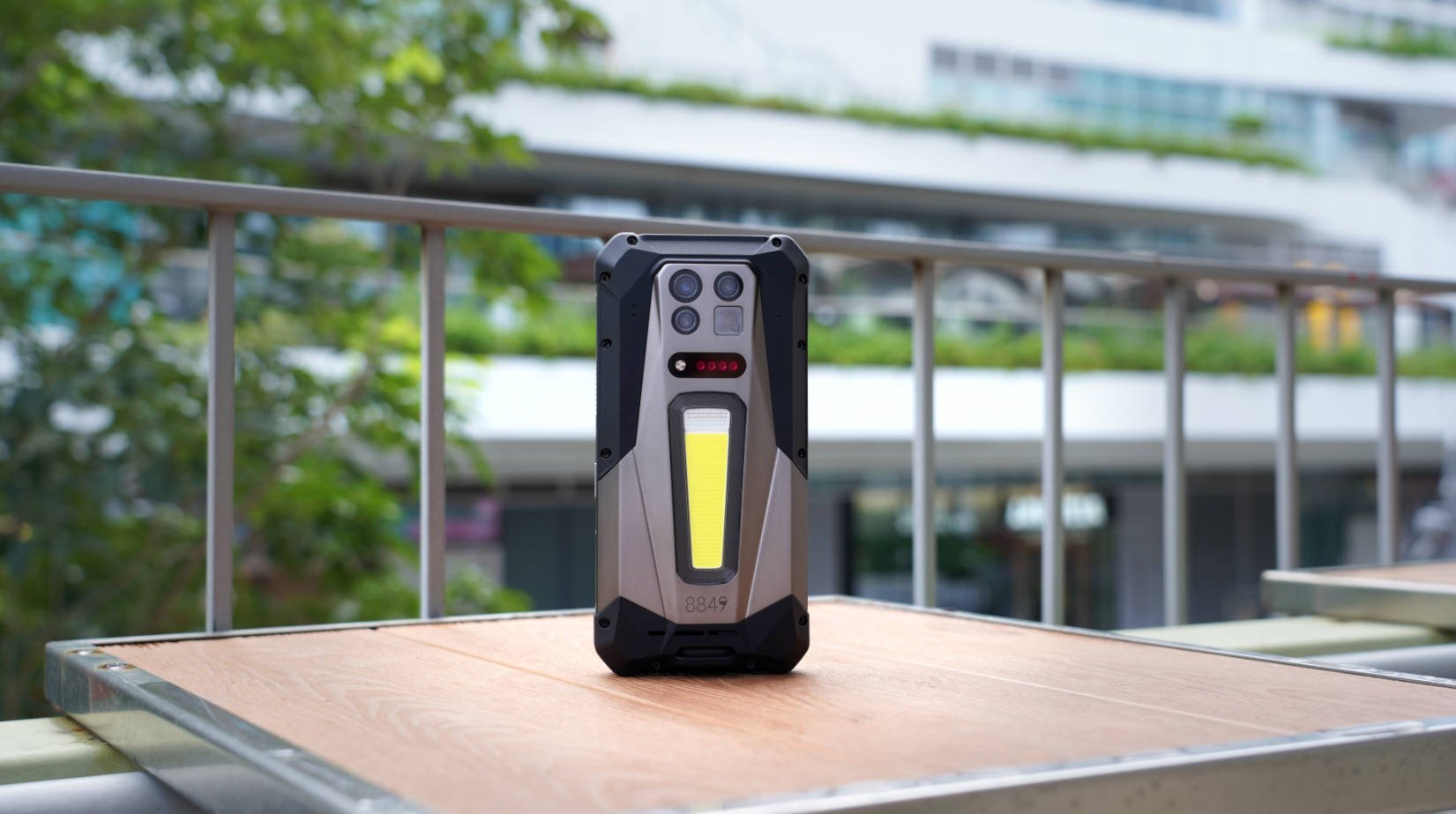
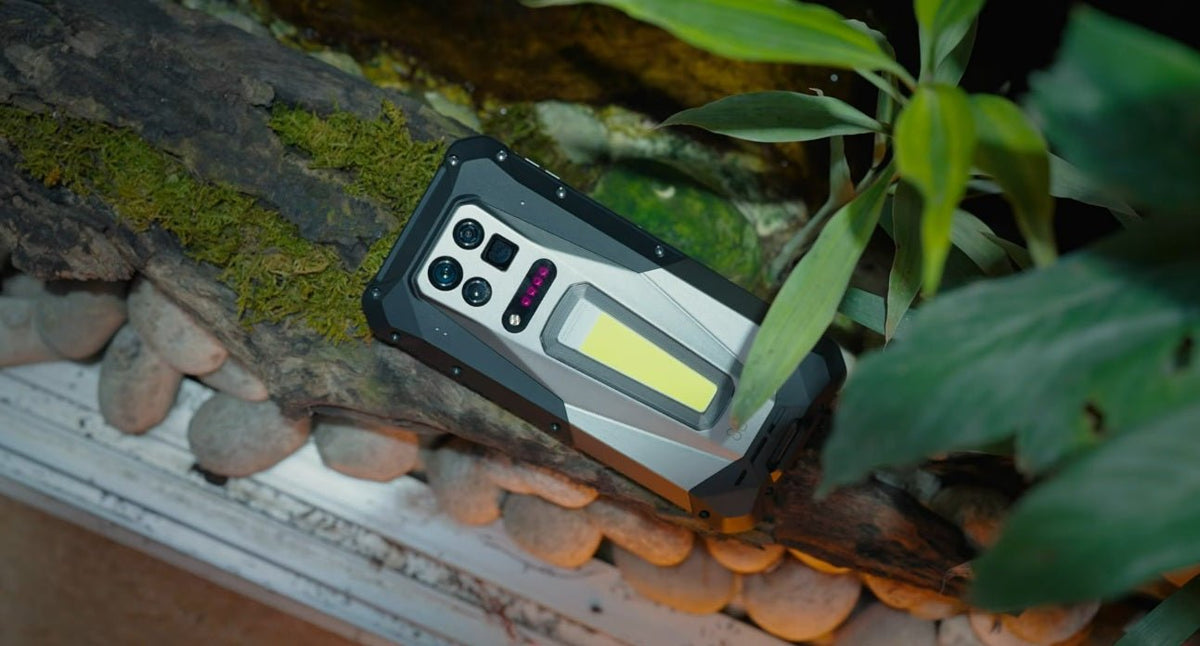
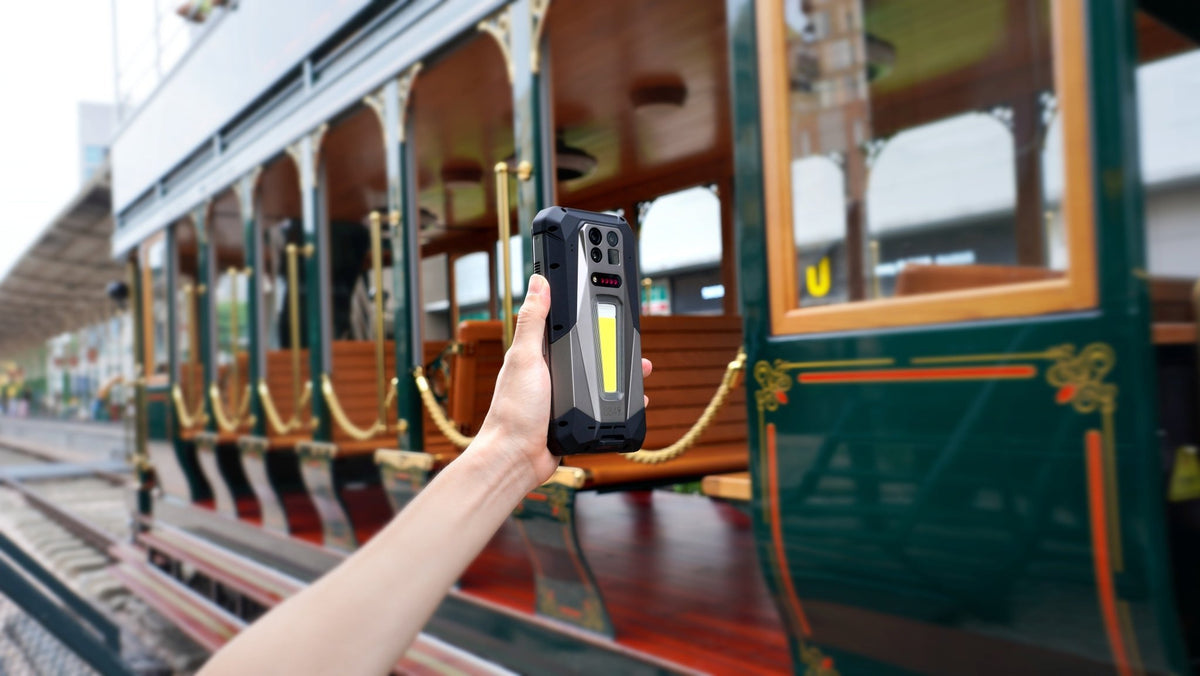
De 8849 TANK 5 Pro brengt thermische beeldvorming van professioneel niveau naar een robuuste smartphone en combineert een ultrabrede thermische camera van 95° met een FLIR Lepton 3.1R-sensor en een infraroodresolutie van 160×120. Het thermische systeem biedt een gevoeligheid van <50 mK en een meetbereik van -10°C tot 400°C, waardoor het geschikt is voor toepassingen zoals bouwinspecties, onderhoud van apparatuur en verkenning in de buitenlucht. Naast thermische beeldvorming is de TANK 5 Pro ontworpen als een robuust alles-in-éénapparaat met een krachtige projector, nachtzicht en hardware op vlaggenschipniveau.
✅95° ultrabrede thermische beeldvorming: Een groot gezichtsveld brengt meer van een scène tegelijk in beeld, terwijl de 160×120 FLIR-thermosensor gedetailleerde temperatuurgegevens levert en helpt warmteafwijkingen efficiënter te identificeren.
✅Professionele thermische meting: Met een thermische gevoeligheid van <50 mK en een temperatuurbereik van -10°C tot 400°C kan de TANK 5 Pro subtiele temperatuurverschillen en bronnen met hoge temperaturen detecteren.
✅2K-projector: De ingebouwde 2K-projector van 220 lumen beschikt over laserautofocus en ±45° trapeziumcorrectie, zodat de telefoon met minimale instellingen content op muren of andere oppervlakken kan projecteren.
✅Nachtzichtcamera: Een speciale nachtzichtcamera van 50 MP met infraroodverlichting helpt bij het vastleggen van foto's en video's in omgevingen met weinig licht of 's nachts.
✅Robuuste hardware van topklasse: De telefoon combineert een Dimensity 9400e-processor, een 6.73-inch 3K AMOLED-display met 120 Hz, een batterij van 17.600 mAh, snel opladen met 120 W, ondersteuning voor eSIM en een robuust ontwerp, waardoor hij geschikt is voor veeleisend gebruik buitenshuis en professioneel gebruik.
Hoe kies je een warmtebeeldapparaat?
Niet alle warmtebeeldapparaten bieden hetzelfde prestatieniveau. De juiste keuze hangt af van hoe je het apparaat wilt gebruiken, bijvoorbeeld voor professionele inspecties, industrieel onderhoud, buitenactiviteiten of het oplossen van alledaagse problemen. Overweeg de volgende belangrijke factoren voordat je een aankoop doet.
-
Thermische resolutie: Een hogere thermische resolutie legt meer temperatuurgegevens vast, wat resulteert in scherpere beelden en fijnere details. Dit is vooral belangrijk bij het inspecteren van complexe apparatuur of het identificeren van kleine warmtebronnen.
-
Thermische gevoeligheid (NETD): Een lagere NETD-waarde betekent dat de camera kleinere temperatuurverschillen kan detecteren. Een betere gevoeligheid zorgt voor duidelijkere beelden en maakt subtiele warmtevariaties gemakkelijker te herkennen.
-
Temperatuurmeetbereik: Verschillende apparaten ondersteunen verschillende temperatuurbereiken. Zorg ervoor dat de camera de temperaturen die nodig zijn voor jouw toepassingen nauwkeurig kan meten.
-
Meetnauwkeurigheid: De nauwkeurigheid bepaalt in hoeverre de weergegeven temperatuur overeenkomt met de werkelijke temperatuur. Dit is vooral belangrijk voor professionele inspecties en diagnostisch werk.
-
Verversingssnelheid: Een hogere verversingssnelheid zorgt voor vloeiendere warmtebeelden bij het observeren van bewegende mensen, voertuigen of machines. Dit verbetert ook de algehele kijkervaring tijdens realtime-inspecties.
-
Software en functies: Veel warmtebeeldapparaten beschikken over functies zoals beeldopname, video-opname, temperatuuralarmen en analysesoftware. Deze hulpmiddelen kunnen inspecties vereenvoudigen en rapportages efficiënter maken.
-
Batterijduur: Een langere batterijduur maakt het mogelijk om langere tijd te werken zonder vaak op te laden. Dit is vooral waardevol voor veldwerk, buitengebruik en noodsituaties.
-
Duurzaamheid: Als je het apparaat buiten of in veeleisende omstandigheden gebruikt, let dan op eigenschappen zoals waterbestendigheid, stofbescherming en valbestendigheid om langdurige betrouwbare prestaties te garanderen.
Slotgedachten
Warmtebeeldtechnologie is geëvolueerd van een gespecialiseerde technologie die door militaire en industriële professionals werd gebruikt tot een praktisch hulpmiddel voor alledaagse probleemoplossing. Of je nu elektrische systemen inspecteert, warmteverlies in een gebouw opspoort, apparatuur controleert of na het donker de buitenlucht verkent, een warmtebeeldapparaat kan inzichten bieden die een conventionele camera simpelweg niet kan geven.
Naarmate de technologie compacter en betaalbaarder wordt, vindt ze ook haar weg naar robuuste smartphones. Apparaten zoals de toekomstige 8849 Tank 5 Pro combineren warmtebeeldtechnologie met de duurzaamheid en het gemak van een smartphone, waardoor het eenvoudiger dan ooit is om deze krachtige technologie mee te nemen, waar je werk of avonturen je ook brengen.
Veelgestelde vragen
Waarvoor wordt warmtebeeldtechnologie gebruikt?
Warmtebeeldtechnologie wordt gebruikt om temperatuurverschillen te detecteren die onzichtbaar zijn voor het menselijk oog. Veelvoorkomende toepassingen zijn bouwinspecties, elektrisch onderhoud, industriële monitoring, voertuigdiagnostiek, brandbestrijding, zoek- en reddingsacties, beveiliging en buitenactiviteiten zoals wildobservatie.
Kan warmtebeeldtechnologie door muren heen kijken?
Nee. Warmtebeeldtechnologie kan niet door muren of andere vaste objecten heen kijken. In plaats daarvan detecteert ze de oppervlaktetemperatuur van die objecten, wat aanwijzingen kan geven voor warmtelekken, vocht of verborgen apparatuur erachter.
Werkt warmtebeeldtechnologie bij daglicht?
Ja. Warmtebeeldtechnologie detecteert infraroodstraling in plaats van zichtbaar licht en werkt daarom zowel overdag als 's nachts. Fel zonlicht kan de oppervlaktetemperatuur beïnvloeden, maar verhindert niet dat een warmtebeeldcamera functioneert.
Wat is het verschil tussen infrarood en warmtebeeldtechnologie?
Infrarood is een vorm van elektromagnetische straling die van nature door objecten als warmte wordt uitgestraald. Warmtebeeldtechnologie detecteert infraroodstraling en zet deze om in een visueel beeld, zodat gebruikers temperatuurverschillen kunnen zien.
Zijn warmtebeeldcamera's veilig?
Ja. Warmtebeeldcamera's zijn passieve apparaten. Dat betekent dat ze alleen infraroodstraling detecteren die door objecten wordt uitgestraald en zelf geen schadelijke straling produceren. Ze zijn veilig voor dagelijks gebruik in woningen, op werkplekken en in de buitenlucht.
Delen:
Telefoon versus tablet: welke moet je kopen?
Warmtebeeldtechnologie versus nachtzicht: wat is het verschil?