

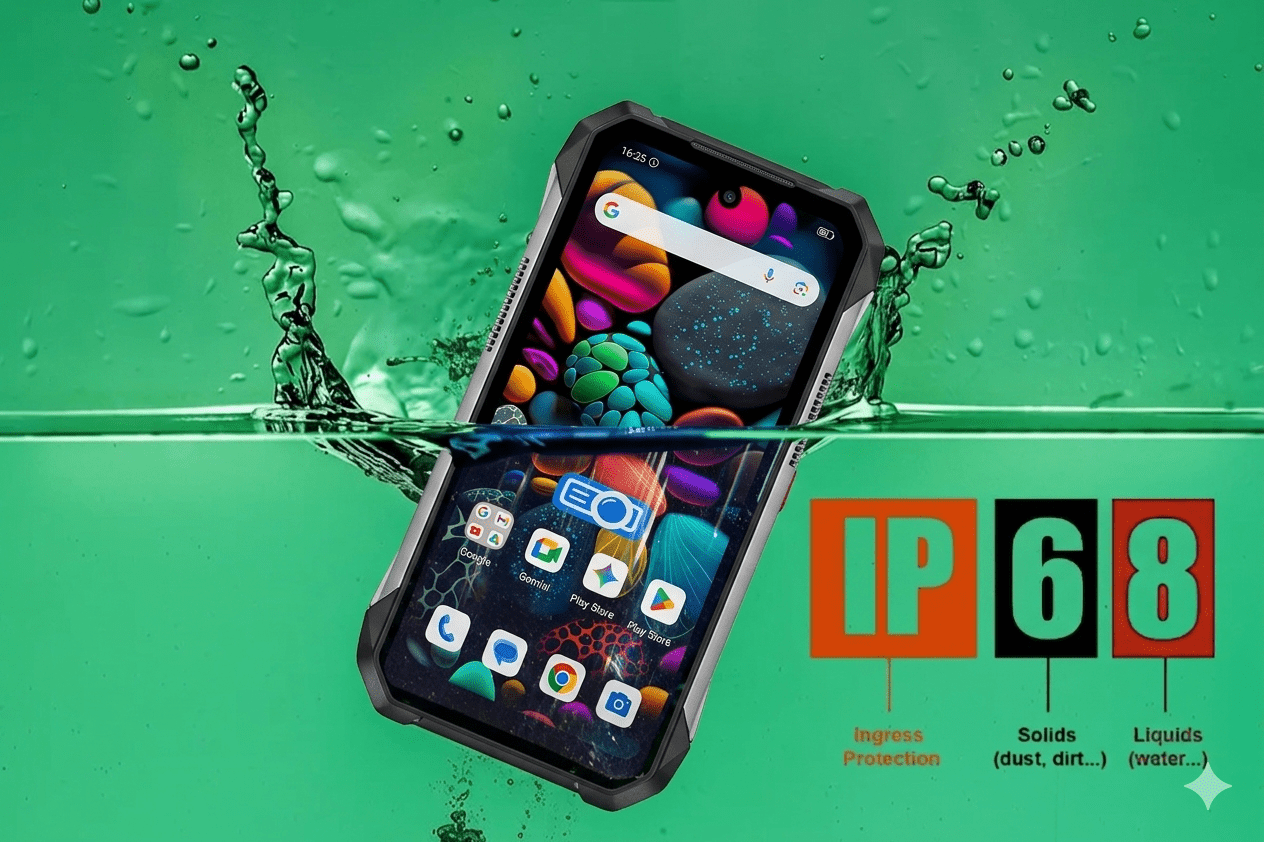
Oled tõenäoliselt näinud terminit IP68 telefon toodete lehtedel, reklaamides või tehnilistes andmetes. See kõlab tehniliselt, kuid kasutajatele vastab see lihtsale küsimusele: kui hästi suudab see telefon taluda reaalseid tingimusi nagu vesi, tolm ja ootamatud õnnetused?
Väljakutse on selles, et paljud inimesed eeldavad, et IP68 tähendab täielikku kaitset igas olukorras, kuigi tegelikkuses on erinevusi, kuidas brändid seda rakendavad ja testivad.
IP68 tähenduse mõistmine aitab valida seadet, mis sobib sinu elustiiliga, olgu sul vaja usaldusväärset veekindlat telefoni igapäevaseks meelerahuks või vastupidavamat IP68 tõrksa telefoni nõudlikesse tingimustesse. Vaatame seda lähemalt.
Mis on IP68 telefon?
IP68 telefon on seade, mis vastab kindlale tolmu- ja veekaitse tasemele, mida määratleb IP (Ingress Protection) kaitsesüsteem. Seda standardit kasutatakse üle maailma, et näidata, kui hästi on seade kaitstud väliste mõjude eest. Kaitseklass koosneb kahest numbrist, millest igaühel on selge tähendus:
- "6" (Tolmukaitse): See on kõrgeim tase skaalal, mis tähendab, et telefon on täielikult tolmukindel. Seadmesse ei pääse ühtegi osakest nagu liiv, mustus ega tolm, isegi karmides tingimustes.
- "8" (Veekaitse): See näitab, et telefoni võib sukeldada vette üle 1 meetri sügavusele teatud ajaks. Enamasti testivad tootjad umbes 1,5 meetri sügavusel kuni 30 minutit, kuigi see võib bränditi veidi erineda.
Lihtsalt öeldes on IP68 telefon loodud taluma igapäevast kokkupuudet tolmu ja veega, olgu see siis vihm, juhuslikud plekid või kiire kukkumine vette.
Siiski on oluline selgitada üks levinud väärarusaam. IP68 ei tähenda täielikku „veekindlust“. See tähendab vee- ja tolmukindlust kontrollitud tingimustes. Tegurid nagu vee rõhk, temperatuur ja vedeliku tüüp (magusvesi vs soolavesi) võivad kõik mõjutada tulemust.
Sellepärast võivad kaks seadet, mis on märgistatud kui „IP68 veekindlad telefonid“, reaalses kasutuses siiski erinevalt toimida. Kaitseklass annab aluse—kuid see, kuidas see kaitse tegelikult toimib, sõltub disainist, materjalidest ja üldisest ehituskvaliteedist.
👉Loe lisaks: Mis on telefonide IP-kaitseklass?
Kui veekindel on IP68 telefon päriselus?
Paberil tundub IP68 lihtne. Reaalses elus on kogemus veidi nüansirikkam. Enamik IP68 telefone on usaldusväärsed igapäevase kokkupuute korral, näiteks tugevas vihmas, joogi valamisel või telefoni lühiajalisel vette kukkumisel. Nendes olukordades töötab kaitse tavaliselt ootuspäraselt ja kasutajad ei pea muretsema.
Erinevused algavad sellest, kuidas iga tootja määratleb „IP68“. Kuigi reiting nõuab sukeldumist üle 1 meetri sügavusele, ei ole täpne sügavus ja kestus fikseeritud. Üks bränd võib testida 1,5 meetri sügavusel 30 minutit, teine võib kontrollitud laboritingimustes minna veidi sügavamale. See tähendab, et kaks IP68 telefoni võivad kanda sama märgistust, kuid pakkuda veidi erinevat reaalse maailma taluvust.
Samuti tuleb meeles pidada praktilisi piiranguid:
- Vee rõhul on tähtsus: Liikuv vesi (näiteks lained või tugevad voolud) suurendab rõhku testtingimustest kõrgemale.
- Kõik vedelikud ei ole võrdsed: Soolavesi, klooriga basseinivesi või seebised vedelikud võivad olla kahjulikumad kui magevesi.
- Kulumine aja jooksul: Tihendid ja liimid võivad kukkumiste, temperatuurimuutuste või pikaajalise kasutuse tõttu halveneda.
Kuigi IP68 veekindel telefon on igapäevaseks kaitseks väga usaldusväärne, tuleks seda pigem vaadata tugeva turvavõrguna, mitte garantiina ekstreemseks või korduvaks veealuseks kasutuseks.
IP68 telefoni kasutamise peamised eelised
Enamiku kasutajate jaoks ei seisne IP68 telefoni väärtus ainult ekstreemsete olukordade talumises, vaid igapäevase riski vähendamises. Alates juhuslikest vedelike valamistest kuni ettearvamatute keskkondadeni lisab see kaitsetase usaldusväärsuse kihi, mida tavatelefonid sageli ei paku.
Siin on peamised eelised:
- Tolmu ja mustuse kaitse: Hoiab sisemised komponendid turvaliselt liivastes, tolmustes või mustades keskkondades.
- Vastupidavus veeõnnetustele: Talub vihma, pritsmeid ja lühiajalist sukeldumist ilma kohese kahjustuseta.
- Suurem vastupidavus igapäevases kasutuses: Ehitatud taluma rohkem kulumist võrreldes mittestandardsete seadmetega.
- Murevaba kasutamine: Vähem stressi telefoni kasutamisel õues või vee lähedal.
- Vähem remondiriske: Vähenenud kahjustuste oht tavaliste õnnetuste korral võib aja jooksul säästa remondikulusid.
- Mitmekülgsemad kasutusvõimalused: Sobib reisiks, õues tegevusteks ja aktiivseks elustiiliks.
Praktilises mõttes tähendab IP68 veekindel telefon pigem igapäevase kasutuse mugavust ja usaldusväärsust kui piiride nihutamist.
IP68 telefonide tavalised kasutusvaldkonnad igapäevaelus
IP68 telefon ei ole ainult spetsifikatsioonide küsimus – see mõjutab otseselt seda, kuidas ja kus saad oma seadet enesekindlalt kasutada. Väliseiklustest kuni igapäevase mugavuseni laiendab see kaitsetase reaalse maailma kasutusvõimalusi.
Välitegevused ja seiklus
Kasutajatele, kes naudivad matkamist, telkimist, kalapüüki või rattasõitu, pakub IP68 telefon usaldusväärset kaitset vihma, muda ja juhuslike kukkumiste eest vette. Sa ei pea pidevalt muretsema ilma muutuste või raskete maastike pärast, mis teeb sellest praktilise kaaslase õues.
Töö karmides või nõudlikes keskkondades
Ehitus-, logistika- või väliteenuste valdkondades on tolmu, prahi ja niiskusega kokkupuude tavaline. IP68 telefon aitab säilitada funktsionaalsust nendes tingimustes, vähendades seadme rikke tõttu tekkivat seisakut ja muutes selle tööriistaks, millele saab rohkem loota.
Reisimine ja ettearvamatud tingimused
Reisimine hõlmab sageli ebakindlat ilma, rahvarohkeid kohti ja muutlikke tingimusi. Olgu see äkiline vihm, rannareisid või juhuslikud vedelikukahjustused teekonnal, pakub IP68 veekindel telefon lisakaitset, võimaldades kasutajatel keskenduda rohkem kogemusele kui seadme turvalisusele.
Igapäevane kaitse ja mugavus
Isegi igapäevaelus juhtub õnnetusi – kohvi valamine, kukkumine kraanikaussi või telefoni kasutamine märgade kätega. IP68 telefon vähendab nende tavapäraste olukordade mõju, muutes selle praktiliseks valikuks kasutajatele, kes soovivad vastupidavust ilma harjumusi muutmata.
Veega seotud olukorrad
Kuigi IP68 telefonid ei ole mõeldud pikaajaliseks veealuseks kasutamiseks, taluvad nad lühiajalist kokkupuudet näiteks basseini ääres või kiiret veega kokkupuudet. Kuid nagu varem mainitud, on olulised sellised tegurid nagu soolavesi või surve, seega on parem pidada seda lisakaitseks, mitte peamiseks kasutusviisiks.
Erinevad IP68 telefonide tüübid
Kõik IP68 telefonid ei ole ehitatud ühtemoodi. Kuigi neil on paberil sama tolmu- ja veekindluse tase, võivad nende disain, struktuur ja kasutusotstarve oluliselt erineda.
Siin on peamised IP68-tasemel telefonide tüübid:
-
Peavoolu lipulaeva nutitelefonid (nt iPhone 17): Need on mõeldud igapäevastele kasutajatele, ühendades stiilse disaini IP68 kaitsega. Nad taluvad hästi igapäevast kokkupuudet vee ja tolmuga, kuid ei ole loodud rasketeks tingimusteks ega korduvateks löökideks.
-
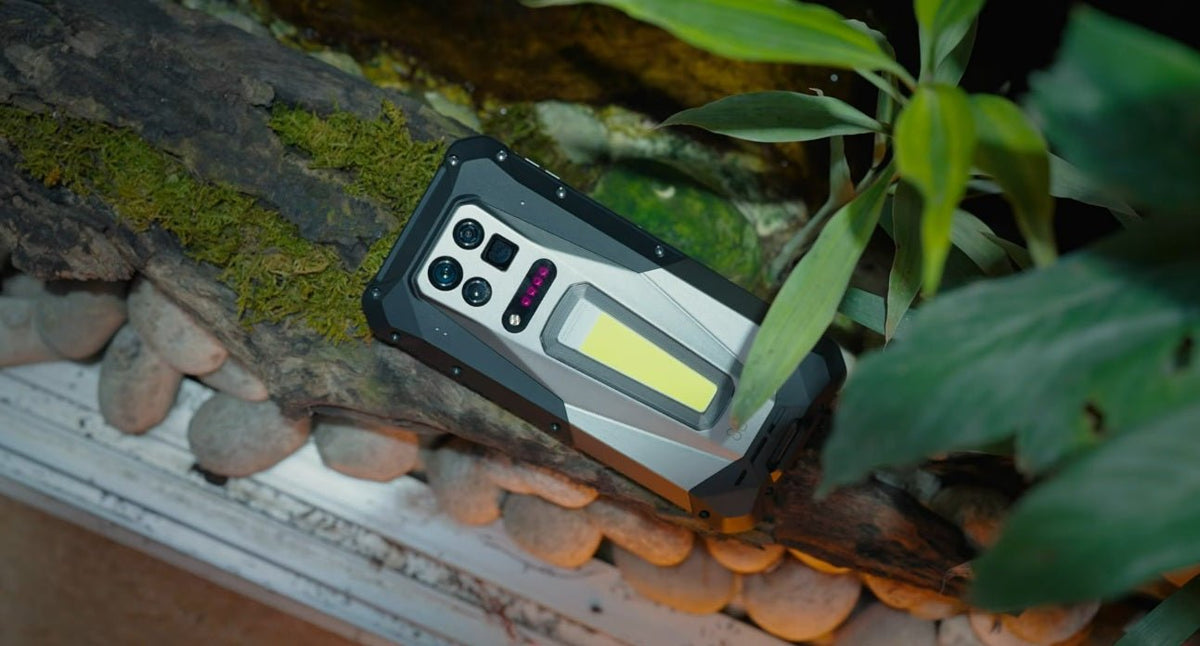
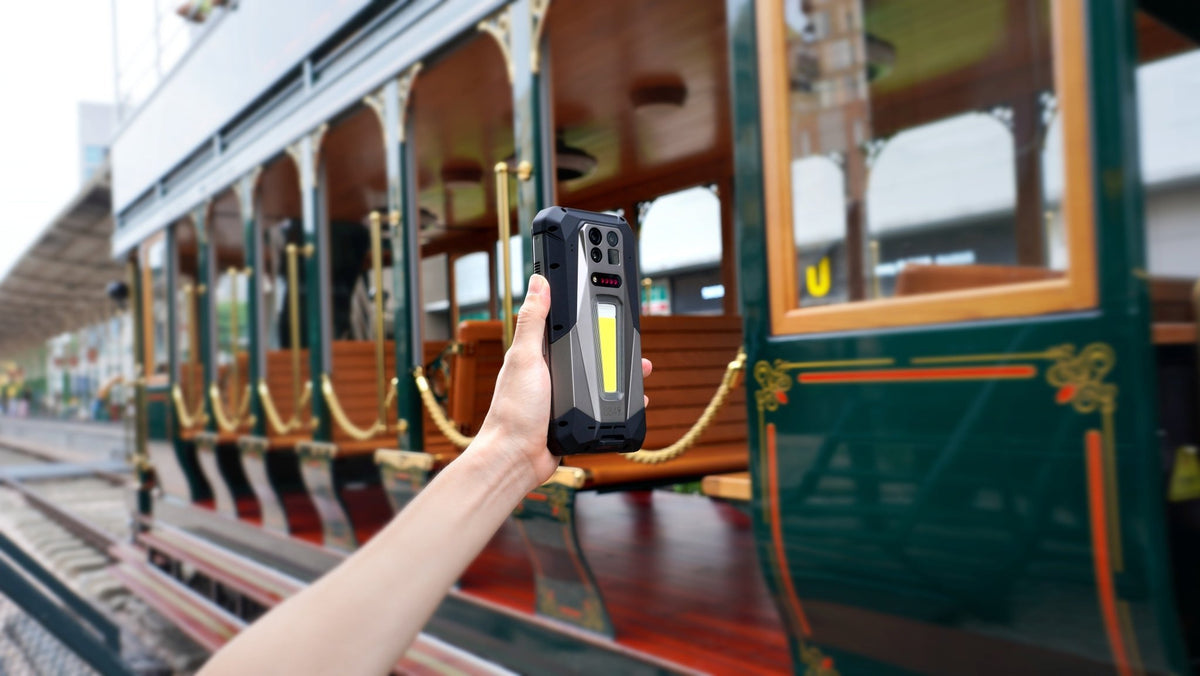
IP68 vastupidavad telefonid (nt 8849 TANK 3 Pro): Ehitatud tugevdatud materjalidest, paksemate raamidega ja täiustatud tihendusega, ületavad need seadmed tavalise veekindluse. IP68 vastupidav telefon on mõeldud nõudlikele tingimustele nagu ehitusplatsid, väliekskursioonid või tööstuslik kasutus, lisades sageli kukkumiskindluse ja suuremad akud.
-
Välitingimustele keskendunud nutitelefonid: Mõned telefonid jäävad peavoolu ja vastupidavate kategooriate vahele. Nad säilitavad suhteliselt õhukese disaini, lisades samal ajal tugevama raami, parema haarduvuse või välitingimustele mõeldud tööriistad, muutes need sobivaks aktiivseks elustiiliks ilma täielike vastupidavate seadmete mahukuseta.
-
Spetsialiseeritud tööseadmed: Teatud tööstusharudele suunatud telefonid (kasutatakse logistikas, hädaabiteenustes või välitöös) kannavad samuti IP68 reitingut. Need seadmed eelistavad sageli usaldusväärsust, pikka aku kestvust ja funktsionaalseid omadusi disaini asemel.
Põhimõtteliselt, kuigi kõik need seadmed vastavad IP68 veekindluse nõuetele, erineb nende tegelik jõudlus ja kasutusala sõltuvalt sellest, kuidas need on ehitatud. Õige tüübi valik sõltub vähem reitingust endast ja rohkem keskkonnast, mida sa ootad oma telefonilt taluda.
IP68 veekindla 8849 vastupidava telefoni valimine
Kui sinu vajadused ületavad igapäevase kaitse, muutub IP68 vastupidav telefon praktilisemaks valikuks, eriti kui tähtsaks pead vastupidavust, aku kestvust ja välitoiminguid. Võrreldes tavaliste IP68 nutitelefonidega on vastupidavad seadmed ehitatud tugevdatud konstruktsioonidega ja lisafunktsioonidega, mis on mõeldud tõelisteks väljakutseteks.
Heaks näiteks on 8849 TANK X, mis ühendab IP68-taseme kaitse spetsiaalsete võimalustega välitingimustes ja professionaalseks kasutuseks.

Siin on, mida jälgida, kui valid IP68 veekindlat 8849 vastupidavat telefoni:
✅Tõeline vastupidavus: tugevdatud disain koos IP68/IP69K kaitsega vee, tolmu ja karmide tingimuste vastu
✅Suur aku mahtuvus: Pikaajaliseks välitingimustes kasutamiseks on TANK X varustatud 17 600 mAh akuga, mis võimaldab pikemat tööaega
✅Spetsialiseeritud funktsioonid: Sisseehitatud projektor, öönägemiskaamera või telkimisvalgustid suurendavad kasutusmugavust
✅Usaldusväärne jõudlus: Moodne kiibistik ja suur mälu tagavad sujuva mitmeülesandelisuse ja välitingimustes efektiivsuse
✅Välitingimustes kasutatavus: Ere ekraan, täpne GPS ja vastupidav konstruktsioon toetavad kasutust nõudlikes tingimustes
Praktikas ei ole seade nagu TANK X lihtsalt IP68 veekindel telefon; see on loodud mitmeotstarbeliseks tööriistaks kasutajatele, kes vajavad usaldusväärsust, võimsust ja mitmekülgsust keskkondades, kus tavalised nutitelefonid võivad läbi kukkuda.
Kokkuvõte
IP68 telefon pakub igapäevase usaldusväärsuse olulist täiustust, kaitstes sinu seadet tolmu, vee ja ootamatute õnnetuste eest. Kuid tõeline väärtus tuleb sellest, kui hästi see kaitse sobib sinu elustiiliga.
Igapäevaseks kasutamiseks pakub IP68 veekindel telefon meelerahu igapäevastes olukordades, samas kui nõudlikumates keskkondades laiendab vastupidav valik nagu 8849 TANK X seda kaitset võimsamaks ja mitmekülgsemaks tööriistaks. Õige seadme valik sõltub lõpuks sellest, kui kaugele sa ootad oma telefonilt tavapärasest enam.
KKK
1. Kas IP68 telefon on täielikult veekindel?
Ei. IP68 telefon on veekindel, mitte täielikult veekindel. See talub sukeldumist kindlates tingimustes (tavaliselt magevesi, piiratud sügavus ja aeg), kuid ei ole mõeldud piiramatuks või pikaajaliseks veealuseks kasutamiseks.
2. Kas ma võin IP68 telefoniga ujuma minna?
See ei ole soovitatav. Kuigi telefon võib lühiajalisest kokkupuutest ellu jääda, lisab ujumine liikumise, surve ja mõnikord soolase või klooritud vee, mis ületavad standardseid testimistingimusi.
3. Kui kaua võib IP68 telefon vee all olla?
Enamik IP68 telefone testitakse umbes 1,5 meetri sügavuses magevees kuni 30 minutit, kuid see võib tootja lõikes erineda. Parim on seda pidada piiriks, mitte regulaarseks kasutuseks mõeldud eesmärgiks.
4. Kas kõik IP68 telefonid pakuvad sama kaitset?
Ei. IP68 reiting seab aluse, kuid tegelik jõudlus võib erineda sõltuvalt ehituskvaliteedist, tihendusdisainist ja testimisstandarditest. Seetõttu toimivad mõned seadmed, eriti vastupidavad telefonid, raskemates tingimustes usaldusväärsemalt.
Jaga:
Tugev telefon vs tavaline nutitelefon: mis vahe on?
Terviklik vastupidavate telefonide hinnajuhend 2026