

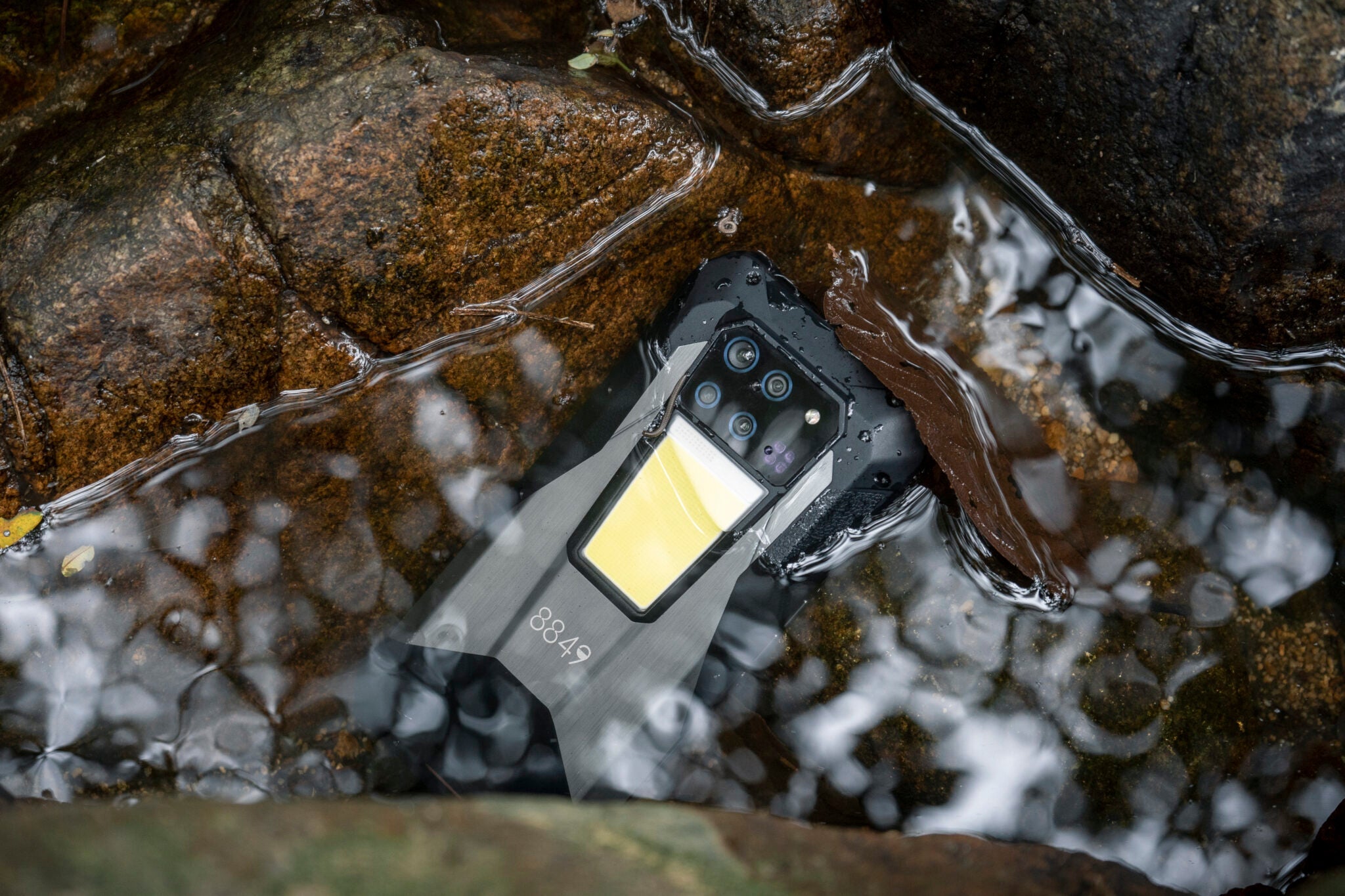
Smartphones have become more powerful and more expensive, but also more fragile. A single drop can mean a cracked screen, costly repairs, or even a full replacement. For people who work outdoors, travel frequently, or simply want a device that can handle rough use, this raises a practical question: is it better to keep replacing standard phones, or switch to something built to last?
This is where the idea of a rugged phone comes in. Designed to survive drops, water, dust, and extreme conditions, these devices promise reliability that typical smartphones often struggle to deliver. But in 2026, when even mainstream phones offer some level of water resistance and durability, the line between “rugged” and “regular” is no longer as clear as it once was.
So the real question isn’t just what a rugged phone is; it’s whether choosing one actually makes sense today. And more importantly, whether it fits the way you use your phone in real life.
What Is a Rugged Phone in 2026?

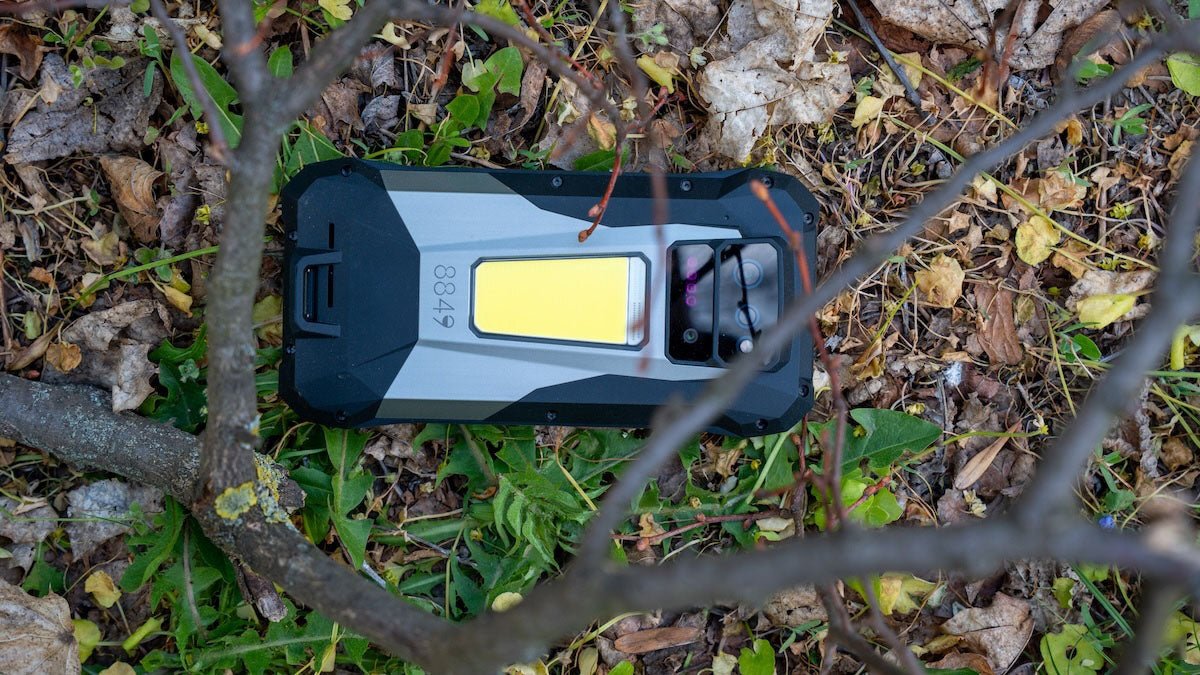
A rugged phone in 2026 is a smartphone designed to keep working in environments where regular phones are more likely to fail. Instead of relying on external protection like a case, these devices are built with reinforced frames, shock-resistant materials, sealed components, and strengthened glass. The goal is simple: reduce the risk of damage from drops, water, dust, and extreme conditions in everyday use.
Most rugged phones are backed by standards such as IP68 rating and MIL-STD-810H, which indicate tested resistance to water, dust, and physical stress. In 2026, they are no longer limited to industrial use—many models now offer better displays, battery life, and usability, making them a practical option for both demanding jobs and more active lifestyles.
The Key Benefits of Using a Rugged Phone
One of the biggest advantages of a rugged phone is durability. These devices are built to handle drops, water exposure, dust, and temperature changes that would easily damage a standard smartphone. Whether it’s falling onto concrete or being used in heavy rain, the risk of sudden failure is significantly reduced, which makes them especially reliable in demanding environments.
Another key benefit is long-term practicality. Rugged phones often come with larger batteries, physical buttons for easier control, and features designed for real-world use, such as glove mode or stronger signal performance in remote areas. Over time, this can also translate into lower costs, since you’re less likely to deal with repairs or replacements compared to fragile flagship devices.
The Downsides You Should Know Before Buying
The most noticeable drawback of a rugged phone is its size and weight. To achieve higher durability, these devices are typically thicker and heavier than regular smartphones, which can make them less comfortable for everyday use, especially for users who prioritize portability and design.
There are also trade-offs in performance and features. Many rugged phones focus on stability rather than cutting-edge specs, so you may see mid-range processors, average camera quality, and slower software updates. For users who value photography, gaming, or a premium user experience, these compromises can be difficult to overlook.
Rugged Phone vs Regular Smartphone + Case
For many users, the real choice isn’t simply whether to buy a rugged phone; it’s whether to choose one over a regular smartphone paired with a protective case. On the surface, both options aim to solve the same problem: protecting your device from damage. However, the way they achieve this, and the experience they offer, can be quite different in daily use.

A rugged phone is built for protection from the inside out, meaning its durability is part of the core design. In contrast, a standard smartphone with a case relies on external protection, which can vary in quality and effectiveness. While this approach offers more flexibility and better performance options, it doesn’t always provide the same level of reliability in harsher conditions.
| Aspect | Rugged Phone | Regular Smartphone + Case |
|---|---|---|
| Durability | Built-in protection, designed for drops, shocks, harsh environments | Depends on case quality, limited internal protection |
| Water & Dust Resistance | High ratings like IP68 / IP69K, fully sealed design | Usually basic resistance (if any), the case does not improve internal sealing |
| Build Structure | Reinforced frame, shock-absorbing materials, industrial-grade design | Standard glass/metal body with external case |
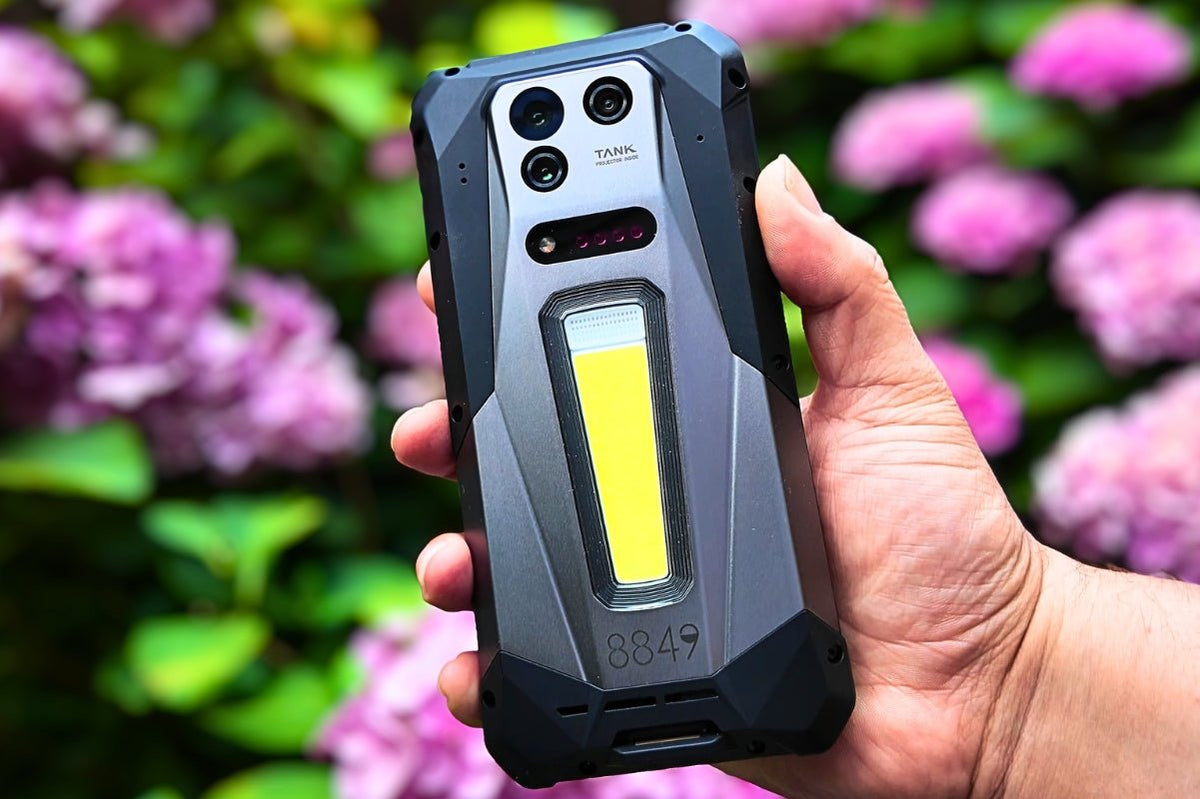
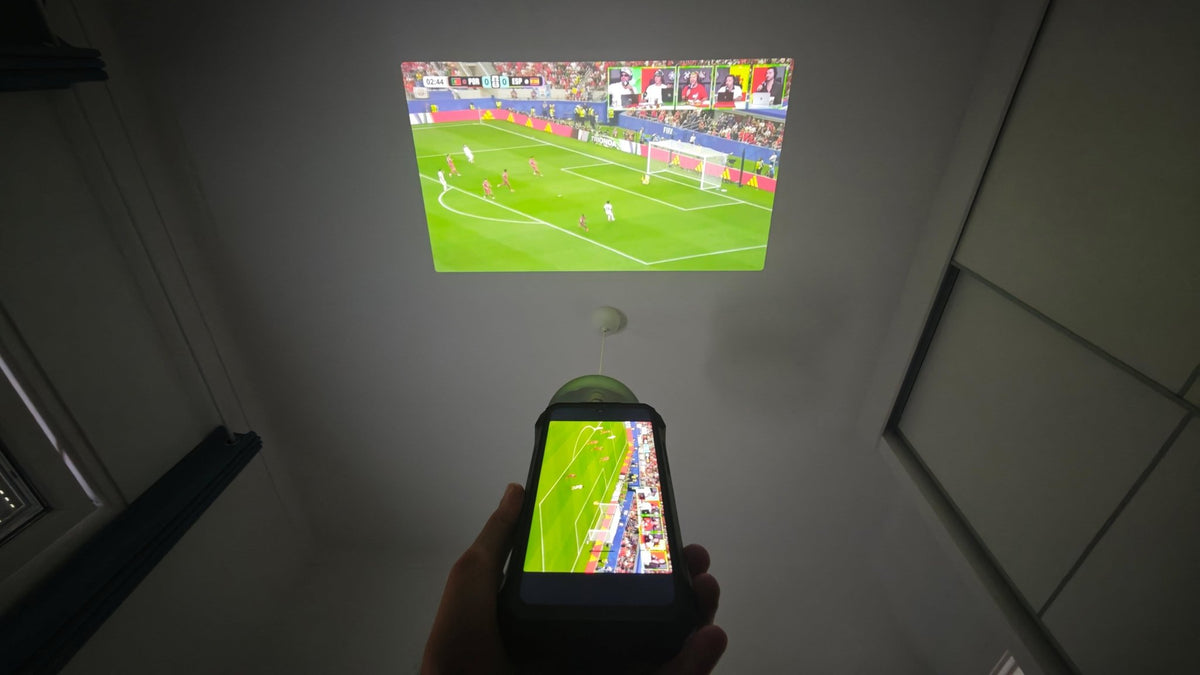
| Special Features | Options like thermal imaging, laser rangefinder, night vision, built-in projector (seen in some 8849 phone models) | Rare, mostly limited to mainstream features |
| Battery Life | Large batteries (often 6000mAh–20000mAh), designed for long outdoor use | Medium battery size, optimized for daily use |
| Performance | Stability-focused, usually mid-range chips | Wide range, including flagship-level performance |
| Camera Quality | Practical and functional | Typically stronger, especially in flagship models |
| Design & Portability | Thicker, heavier, utility-first design | Slim, lightweight, design-focused |
| Flexibility | Limited customization | Can swap cases, accessories easily |
| Long-term Reliability | High, built to minimize damage and downtime | Moderate, still vulnerable in tough conditions |
In practical terms, a rugged phone offers peace of mind—you don’t have to think twice about where or how you use it. A regular smartphone with a case, on the other hand, provides a more balanced everyday experience but still carries some risk, especially in more demanding environments. The better choice depends on whether you prioritize maximum durability or overall versatility.
Who Needs a Rugged Phone in 2026?
Not everyone benefits from a rugged phone, and that’s where many buying decisions go wrong. These devices are designed for specific use cases, so the value depends heavily on how and where the phone is used in real life.
Outdoor Workers and Field Professionals
For people working in construction, logistics, agriculture, or engineering, durability isn’t a luxury; it’s a requirement. Phones are exposed to drops, dust, vibration, and sometimes water on a daily basis. In these environments, a rugged phone reduces downtime and avoids the constant need for repairs or replacements.
Travelers, Hikers, and Outdoor Enthusiasts
If you spend time hiking, camping, or traveling in unpredictable conditions, a rugged phone offers peace of mind. Long battery life, resistance to weather, and the ability to survive accidental drops make it a practical companion in places where charging and repairs aren’t easily accessible.
Some models even include extra tools like navigation support, emergency features like 8849 TANK X, or outdoor-specific functions, which can be useful when you’re far from urban infrastructure.
Users Who Frequently Damage Their Phones
Some people don’t work in extreme environments; they just tend to drop their phones a lot. If you’ve gone through multiple cracked screens or expensive repairs, a rugged phone can be a more cost-effective long-term choice.
Instead of relying on cases and screen protectors, the device itself is built to handle everyday accidents without constant worry.
Users Who Need Specialized Features
Rugged phones in 2026 are no longer just about protection. Certain models, including some 8849 phone options, integrate tools like thermal cameras, night vision, or even built-in projectors like TANK 4 Pro. For professionals in inspection, security, or technical fields, these features can replace additional equipment and improve efficiency.
Who Might Not Need One
For office-based users, casual daily use, or those who prioritize design, camera quality, and performance, a rugged phone may feel unnecessary. Modern smartphones already offer decent durability for everyday situations, and the added bulk of a rugged device can be harder to justify if you’re not regularly pushing your phone to its limits.
Final Verdict
A rugged phone is worth it in 2026, but only if durability is something you genuinely need, not just something that sounds appealing. For users working in demanding environments, spending time outdoors, or constantly dealing with damaged devices, the reliability and long-term cost savings can easily justify the trade-offs.
For everyone else, the decision is less clear-cut. Modern smartphones already offer decent durability, better performance, and a more refined experience. If your daily use doesn’t push your phone to its limits, a rugged device may feel unnecessarily bulky. That said, newer options, such as some 8849 phone models, are starting to combine durability with more practical features, making them a more balanced choice than they used to be.
FAQs About Rugged Phones
1. Are rugged phones more durable than regular smartphones?
Yes. Rugged phones are designed with reinforced structures and tested to standards such as the IP68 rating and MIL-STD-810H, making them significantly more resistant to drops, water, and dust than typical smartphones.
2. Can a rugged phone replace a normal smartphone?
In most cases, yes. Rugged phones support standard apps, connectivity, and daily functions. However, they may not match flagship devices in areas like camera quality, design, or high-end performance.
3. How long does a rugged phone typically last?
With proper use, a rugged phone can last 5 years, often longer than a standard smartphone, mainly because it is less likely to suffer physical damage that forces early replacement.
4. Are rugged phones fully waterproof?
Not completely. Even with ratings like IP68, they are water-resistant rather than fully waterproof. They can handle submersion under specific conditions, but long-term or extreme exposure is still not recommended.
5. Is an 8849 phone a good choice?
8849 phone models are positioned as feature-rich rugged devices, often combining durability with large batteries and additional tools. They can be a suitable option if you’re looking for a rugged phone that goes beyond basic protection and offers more specialized functionality.
Share:
A Complete Rugged Phone Price Guide 2026
How to Choose a Home Mini Projector?