

Choosing a home mini projector today isn’t as straightforward as it used to be. What was once a simple category of compact projectors has expanded into a wide range of devices, from traditional portable models to smart projectors, phone-compatible options, and even rugged projector phones that combine projection with everyday usability. With so many choices available, it’s easy to get overwhelmed or end up with a device that doesn’t actually fit your space or viewing habits.
Whether you’re planning to create a cozy bedroom cinema, stream movies from your phone, or look for a flexible all-in-one solution, the right home mini projector depends on how and where you intend to use it. Understanding the differences between these options and knowing which features truly matter will help you make a more practical and cost-effective decision.
What Is a Home Mini Projector?
A home mini projector is a compact, portable device designed to project video or images onto a wall or screen for casual home entertainment. Compared to traditional full-size projectors, it’s smaller, easier to set up, and typically built for flexible use in spaces like bedrooms, apartments, or even outdoor settings.

Most home mini projectors focus on convenience rather than high-end performance. They usually offer moderate brightness, support HD resolution, and include basic connectivity options such as HDMI, Wi-Fi, or screen mirroring. This makes them well-suited for streaming movies, sharing content from a phone, or creating a simple home theater experience without complex installation.
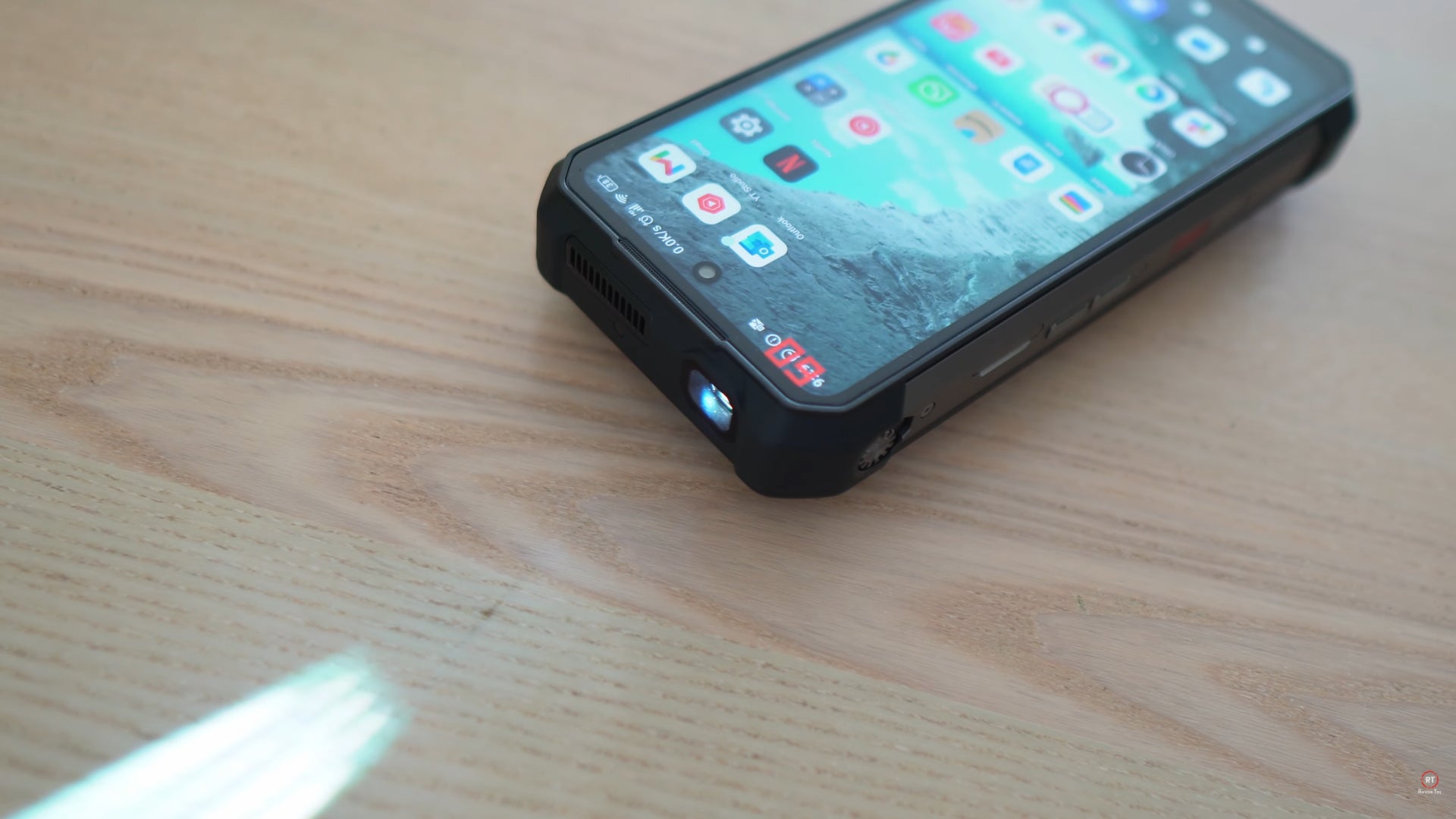
It’s also worth noting that the category has expanded beyond standalone devices. Some solutions, like phone projectors or rugged projector phones, integrate projection directly into a mobile device, offering an even more portable, all-in-one alternative for home use.
Different Types of Home Mini Projectors
As the category has evolved, home mini projectors no longer refer to just one type of device. Today, there are several variations designed for different usage scenarios, from simple plug-and-play models to multifunctional devices that combine projection with everyday mobile features. Understanding these types helps you quickly narrow down what actually fits your needs.
-
Standalone Mini Projectors: These are the most traditional options, designed purely for projection. They typically connect via HDMI or USB and rely on external devices like laptops, TV sticks, or gaming consoles. They’re a practical choice if you want a simple, affordable setup for occasional movie nights.
-
Smart Mini Projectors: Smart projectors come with built-in operating systems, allowing you to stream content directly from apps like Netflix or YouTube without extra devices. They offer a more convenient, all-in-one experience for home use, especially in bedrooms or small living rooms.
-
Phone Projectors: This is a newer category that combines a smartphone with a built-in projector. In addition to handling calls, apps, and daily tasks, these devices can project content anytime without extra equipment. They’re particularly useful for users who want maximum portability, whether for home use, travel, or backup scenarios.
Each type serves a slightly different purpose, so the best option depends less on specs and more on how you plan to use it in your daily life.
Key Specs Of A Home Mini Projector
When comparing different home mini projectors, it’s easy to get distracted by long spec sheets and marketing claims. In reality, only a handful of core specifications will directly impact your viewing experience at home. Focusing on these key factors will help you avoid overpaying for features you don’t need.
Brightness (ANSI Lumens)
Brightness determines how well the image can be seen, especially in rooms with ambient light. For home use, around 200–500 ANSI lumens works in dark environments, while 500+ ANSI lumens is more practical for rooms with some lighting. Be cautious with inflated “lux” or “LED lumens” claims, as ANSI lumens is the more reliable standard.
Resolution
Resolution affects how sharp and detailed the image appears. Native 720p can be acceptable for casual viewing, but 1080p is generally the sweet spot for a clear home theater experience. Some mini projectors support 4K input, but true 4K projection is rare in this category and often unnecessary for smaller screen sizes.
Contrast Ratio
Contrast ratio influences the difference between bright whites and deep blacks, which impacts overall image depth and clarity. A higher contrast ratio generally delivers a more immersive viewing experience, especially when watching movies in darker environments.
Throw Ratio and Projection Size
The throw ratio determines how large the image can be based on the distance between the projector and the wall. Short-throw projectors can create large images in small rooms, while standard models need more space. This is particularly important if you’re setting up in a bedroom or a limited area.
Keystone Correction and Autofocus
These features help adjust and align the image when the projector isn’t perfectly positioned. Keystone correction fixes distorted angles, while autofocus ensures a sharp image without manual adjustment. Together, they make setup faster and more user-friendly, especially for portable use.
Battery vs Plug-in Power
Some mini projectors include built-in batteries, allowing for cordless use and easier portability. However, battery-powered models often have lower brightness and limited runtime. Plug-in projectors provide more consistent performance, making them better suited for longer viewing sessions at home.
Audio Quality
Built-in speakers on mini projectors are convenient but often limited in power and clarity. For a better experience, especially in larger rooms, connecting external speakers or Bluetooth audio devices can significantly improve sound quality.
Connectivity and Compatibility
Connectivity plays a major role in how easy your home mini projector is to use on a daily basis. Most models come with standard ports like HDMI and USB, which allow you to connect laptops, streaming sticks, or gaming consoles. Many also support Wi-Fi and Bluetooth, enabling wireless screen mirroring from your phone or tablet, as well as connection to external speakers for better audio.
Compatibility is just as important as connectivity. Some projectors support native streaming apps, while others rely on external devices like a Fire TV Stick or Chromecast. If you mainly plan to use a phone projector setup, make sure the device supports stable screen mirroring for both iOS and Android systems, as performance can vary depending on the projector’s software and network conditions.
For users who prefer a simpler, all-in-one solution, rugged projector phones offer a different approach. Because the projector is built directly into the phone, there’s no need for extra cables, adapters, or streaming devices. This can make everyday use more straightforward, especially in situations where convenience and portability matter just as much as performance.
Choosing Based on Your Home Setup
The right home mini projector isn’t just about specs—it’s about how well it fits into your actual living space. Room size, lighting conditions, and how you plan to use the device all play a role in determining which type of projector will work best for you.
-
Small Rooms or Bedrooms: Compact spaces benefit from mini projectors with moderate brightness and short throw ratios. You don’t need high-end specs here—portability, ease of setup, and quiet operation matter more for a comfortable viewing experience.
-
Living Room Setups: Larger spaces typically require higher brightness and better audio support to maintain image clarity and sound quality. A smart mini projector with built-in apps or support for streaming devices is often more practical in this setting.
-
Outdoor or Backyard Use: If you plan to use your projector outside, portability and battery power become more important. You’ll also need higher brightness to compensate for ambient light, especially during early evening use.
-
Minimalist or Limited Space Setups: For users who want fewer devices and less clutter, all-in-one solutions are more appealing. Devices that combine projection with built-in streaming or mobile functionality can simplify your setup significantly.
-
Flexible or Multi-Scenario Use: If you want something that works both at home and on the go, rugged projector phones stand out. They allow you to project content anytime without carrying extra equipment, making them a practical option for users who value versatility.
Ultimately, the best choice depends on how your space and lifestyle align. Instead of focusing only on specifications, matching the projector to your real-world usage will lead to a more satisfying and efficient setup.
Where to Shop a Home Mini Projector
When you’re ready to shop a home mini projector, the most common options include major online marketplaces, electronics retailers, and official brand websites. Marketplaces are convenient for comparing prices and reading user reviews, while brand stores often provide more reliable product details, better warranty support, and clearer return policies. Regardless of where you buy, it’s worth checking real customer feedback, verified specifications (especially brightness), and after-sales service to avoid common pitfalls.
If you’re also considering multifunctional devices like a rugged projector phone, it can be useful to look directly at brand sources such as the 8849 official store. This allows you to see how these all-in-one devices compare with traditional mini projectors in terms of usability, portability, and overall value, especially if you prefer a simpler setup without extra equipment.
Final Thoughts
Choosing the right home mini projector ultimately comes down to how you plan to use it. For some, a simple standalone or smart projector is enough to create a comfortable viewing setup at home. For others, especially those who value portability and convenience, a phone projector or even a rugged projector phone can offer a more flexible, all-in-one solution. Instead of focusing only on specs, it’s more practical to match the device to your space, habits, and expectations. This is where you’ll find the best value.
FAQs
What is a good inexpensive projector?
A good inexpensive projector is one that balances reliable brightness (at least 200–300 ANSI lumens), native 720p or 1080p resolution, and stable connectivity options like HDMI or screen mirroring. Many budget models can handle casual movie watching in dark environments, but it’s important to prioritize realistic specs over exaggerated marketing claims.
Are mini projectors better than a TV?
Mini projectors aren’t necessarily better than TVs; they serve different purposes. Projectors offer larger, more flexible screen sizes and a more cinematic feel, while TVs provide brighter images, sharper clarity, and better performance in well-lit rooms. A mini projector is a better choice if you value portability and screen size over absolute image quality.
Is it worth buying a cheap projector?
It can be worth it if your expectations are realistic. Cheap projectors work well for occasional use, such as watching movies at night or casual viewing in small spaces. However, they often compromise on brightness, audio, and durability, so for more consistent use, investing slightly more or considering a multifunctional option like a rugged projector phone can provide better long-term value.
Share:
Is A Rugged Phone Worth It In 2026?
What is a Military-Grade Smartphone?