

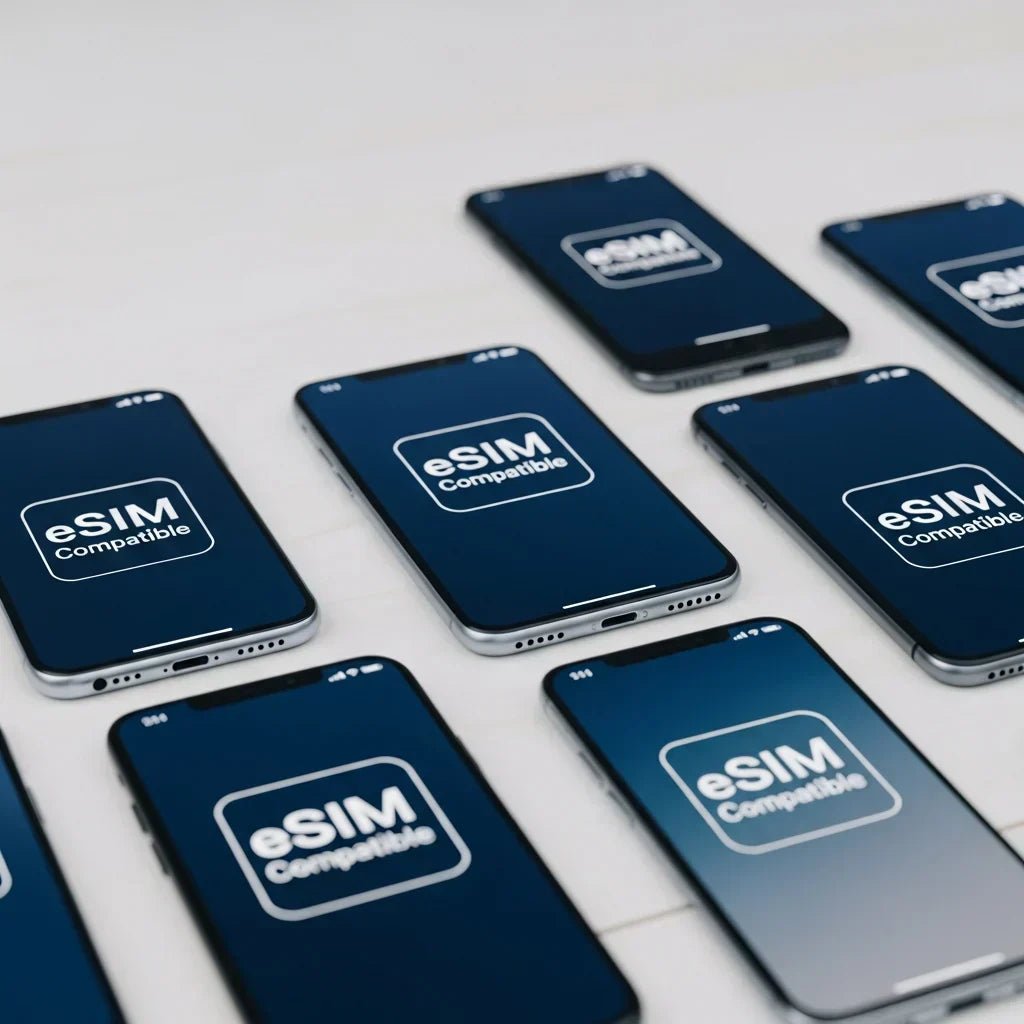
Over the past few years, eSIM technology has gone from a niche smartphone feature to a mainstream way of staying connected. More phones, tablets, smartwatches, and even laptops now support eSIM, allowing users to activate a mobile plan digitally without inserting a physical SIM card. As mobile networks continue to expand eSIM support, many people are encountering the term for the first time and wondering how it works.
One of the biggest reasons behind the growing popularity of eSIM is international travel. Instead of searching for a local SIM card after arriving in a new country, travelers can purchase and activate a mobile plan online before or during their trip.
This makes it easier to access data, navigate unfamiliar places, and stay connected without the hassle of swapping tiny SIM cards. Whether you're a frequent traveler or simply shopping for a new phone, understanding eSIM technology can help you decide whether it's the right option for your needs.
What Is an eSIM Card?
An eSIM card is a digital version of the traditional SIM card used to connect a device to a mobile network. Instead of inserting a small plastic card into your phone, an eSIM is built directly into the device and can be programmed with carrier information electronically. Once activated, it performs the same essential functions as a physical SIM, such as identifying your device on the network, enabling calls and texts, and providing mobile data access.
The technology was developed to make mobile connectivity more flexible and convenient. Rather than visiting a store or waiting for a replacement SIM card to arrive, users can often activate a mobile plan by scanning a QR code or downloading a carrier profile. As more mobile carriers and device manufacturers adopt eSIM technology, it is becoming a common feature in modern smartphones and other connected devices.
How Does an eSIM Work?
At its core, an eSIM works by storing your carrier information digitally instead of on a removable card. The eSIM chip is permanently installed inside the device during manufacturing, but it remains empty until a mobile carrier sends the necessary network profile. Once the profile is downloaded and activated, the device can connect to the carrier's network just like it would with a traditional SIM card.
In most cases, using an eSIM follows a simple process:
- Choose a carrier or mobile plan that supports eSIM.
- Receive an activation method, such as a QR code or carrier app.
- Download the carrier profile to your device.
- Activate the plan and connect to the network.
Because everything happens digitally, users can often set up service, switch carriers, or add a secondary mobile plan without handling a physical SIM card. This convenience is one of the main reasons eSIM technology has become increasingly popular among travelers and users who frequently change networks.
eSIM vs Physical SIM: What's the Difference?
Both eSIMs and physical SIM cards serve the same purpose: connecting your device to a mobile network. The main difference lies in how they are installed and managed. While physical SIM cards have been the standard for decades, eSIM technology offers a more digital approach to mobile connectivity. The table below highlights some of the key differences between the two.
| Feature | eSIM | Physical SIM |
|---|---|---|
| Installation | Built directly into the device and activated digitally | Requires inserting a removable SIM card |
| Carrier Switching | Often can be completed online within minutes | Usually requires obtaining a new SIM card from the carrier |
| Travel Convenience | Easy to add local or international plans digitally | May require purchasing and swapping SIM cards |
| Multiple Plans | Can store multiple carrier profiles on many devices | Typically limited to the number of physical SIM slots available |
| Risk of Damage or Loss | Cannot be lost or physically damaged through removal | Can be lost, damaged, or misplaced |
| Device Compatibility | Available only on devices that support eSIM technology | Compatible with nearly all mobile phones |
| Cost | eSIM itself is usually included in the device, though carrier activation fees may apply in some regions | Physical SIM cards are often free or low-cost, but replacement cards may incur a fee |
| Ease of Use | Initial setup may require scanning a QR code or using a carrier app, but managing plans afterward is often quick and convenient | Simple to understand and use, but changing carriers usually requires swapping cards |
| Expiration | The eSIM chip itself does not expire, though carrier profiles and prepaid plans may have validity periods | The SIM card itself typically does not expire, but carrier plans and inactive SIMs may be deactivated after a period of non-use |
| Environmental Impact | Reduces plastic waste, packaging, and shipping associated with physical SIM cards | Requires plastic card production, packaging, and transportation, resulting in a larger environmental footprint |
For most users, neither option is universally better. Physical SIM cards remain widely supported and easy to understand, while eSIMs offer greater flexibility and convenience, especially for international travel and managing multiple mobile plans. The right choice depends on your device, carrier support, and how you use your phone.
What Are the Benefits of Using an eSIM?
As eSIM technology becomes more widely supported, many users are choosing it for the added convenience and flexibility it offers. Whether you're traveling abroad, managing multiple phone numbers, or simply looking for a simpler way to activate service, eSIM can make mobile connectivity more convenient than traditional SIM cards.
- Quick activation: Many carriers allow users to activate a plan digitally without visiting a store or waiting for a SIM card to arrive.
- Easier carrier switching: Changing mobile providers can often be completed through software rather than replacing a physical card.
- Ideal for international travel: Travelers can purchase and activate local or regional data plans online, helping them stay connected immediately after arrival.
- Support for multiple plans: Many eSIM-compatible devices can store several carrier profiles, making it easier to manage personal, business, or travel numbers.
- Less risk of loss or damage: Because there is no removable card, users do not have to worry about losing or damaging a SIM during installation or travel.
- Improved device design: Eliminating the SIM tray can free up internal space for other components and may contribute to improved durability and water resistance.
Are There Any Disadvantages to eSIM?
While eSIM offers many advantages, it is not perfect. Depending on your device, carrier, and location, you may encounter some limitations that make a traditional SIM card more practical in certain situations.
- Not supported by every carrier: Although adoption is growing, some mobile providers still offer limited or no eSIM support.
- Device compatibility varies: Older smartphones and budget devices may not include eSIM functionality.
- Transfers can be less straightforward: Moving a mobile plan between devices may require carrier approval, a QR code, or additional activation steps.
- More difficult to swap phones instantly: With a physical SIM, users can often move service by simply transferring the card to another device.
- Requires an internet connection for setup in many cases: Downloading and activating an eSIM profile typically requires Wi-Fi or another data connection.
- Troubleshooting may be unfamiliar: Users who are accustomed to physical SIM cards may need time to learn the digital activation process.
Where Can You Use an eSIM?
Although eSIM technology is often associated with international travel, its applications extend far beyond vacations and business trips. As more carriers and device manufacturers adopt eSIM support, users are finding new ways to take advantage of its flexibility and convenience in everyday life.
International Travel
Travel is one of the most popular uses for eSIM technology. Instead of purchasing a local SIM card after arriving at a destination, travelers can buy and activate a data plan online before or during their trip. This makes it easier to stay connected for navigation, messaging, and internet access while avoiding expensive roaming charges.
Managing Personal and Work Numbers
Many eSIM-compatible devices allow users to maintain separate mobile plans on a single phone. This can be useful for professionals who want to keep work and personal communications separate without carrying two devices. Switching between plans is typically handled through the device's settings.
Using Temporary or Secondary Plans
Some people need an extra phone number for a short-term project, event, or online marketplace listing. An eSIM makes it possible to add a secondary plan without replacing an existing SIM card, providing additional flexibility when a temporary number is needed.
Smartwatches and Connected Devices
eSIM technology is not limited to smartphones. Many smartwatches, tablets, and other connected devices use eSIMs to access mobile networks independently. This allows users to receive calls, messages, and data services even when their primary phone is not nearby.
Business and Enterprise Use
Organizations with large numbers of mobile devices can use eSIM technology to simplify deployment and management. Instead of distributing and replacing physical SIM cards, IT teams can remotely activate and update carrier profiles, saving time and reducing logistical challenges.
Remote Work and Digital Nomad Lifestyles
People who frequently move between cities or countries often rely on eSIMs to maintain reliable connectivity. The ability to switch between carriers and data plans digitally makes it easier to find suitable network coverage without constantly purchasing and swapping physical SIM cards.
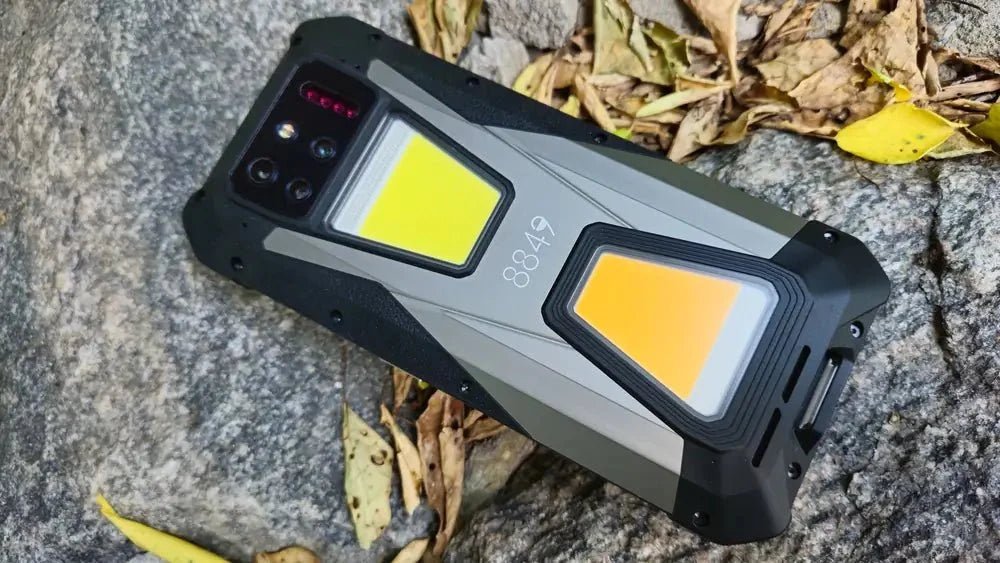
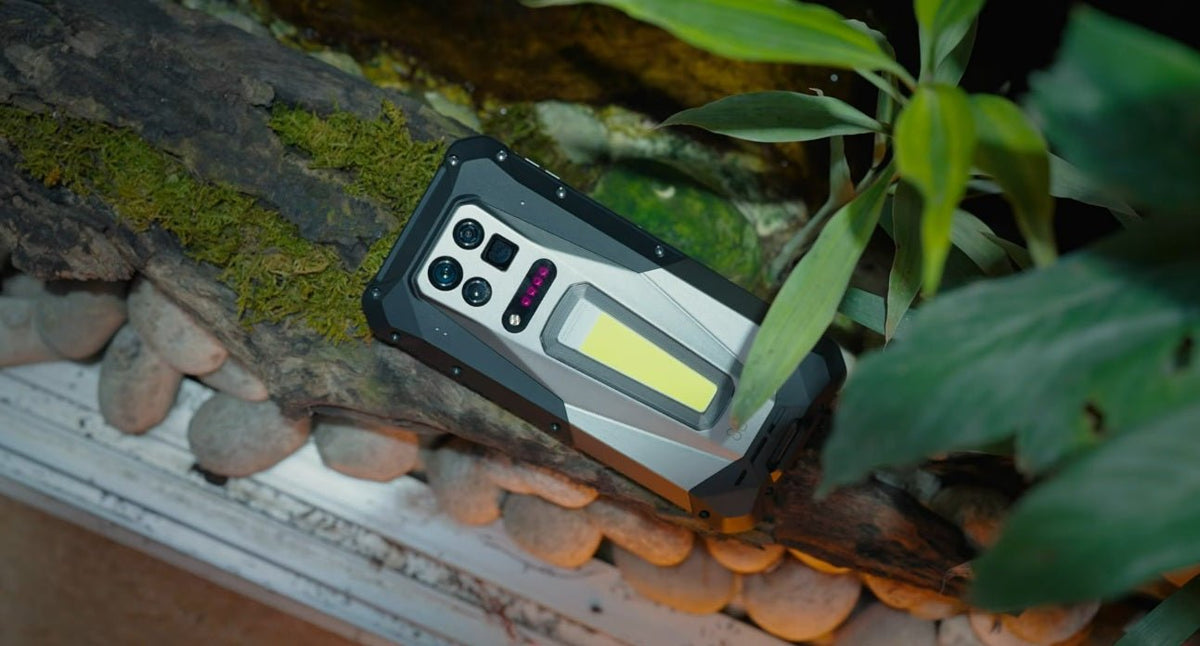
8849 Tank 5: A High-Quality eSIM Rugged Projector Phone
If you're looking for a device that takes full advantage of eSIM technology, the 8849 Tank 5 is one of the most feature-rich options currently available. Designed for travelers, outdoor enthusiasts, professionals, and power users, it combines eSIM connectivity with flagship-level hardware, a built-in projector, and exceptional battery life.

Key Features of the 8849 Tank 5:
- eSIM + Dual SIM Support – Use an eSIM alongside a physical SIM for flexible carrier management, international travel, or separate work and personal numbers.
- Built-in 2K DLP Projector – Features a 220-lumen projector with laser autofocus and keystone correction, allowing you to project movies, presentations, and other content directly from your phone.
- Massive 17,600mAh Battery – Provides extended usage time for travel, outdoor activities, and long workdays, while supporting 120W fast charging.
- Flagship Performance – Powered by the MediaTek Dimensity 9400e processor with 18GB RAM and 512GB storage, delivering strong performance for multitasking, gaming, and productivity.
- Premium 3K AMOLED Display – Equipped with a 6.73-inch 120Hz AMOLED screen with up to 3000 nits peak brightness for sharp visuals and excellent outdoor visibility.
The Tank phone supports both eSIM and traditional SIM cards, making it easy to switch carriers, manage multiple numbers, or stay connected while traveling internationally. Beyond connectivity, the Tank 5 is built to handle demanding environments while delivering a premium smartphone experience.
Conclusion
eSIM technology is changing the way people connect to mobile networks by making activation, carrier switching, and international travel more convenient than ever. While physical SIM cards remain widely used, eSIMs offer greater flexibility for modern users who want a simpler and more digital experience.
As carrier support continues to expand, eSIM is likely to become a standard feature in future devices. For those looking for a phone that combines eSIM connectivity with premium performance and advanced features, the 8849 Tank 5 is a compelling option worth considering.
FAQs
Can I use my WhatsApp with an eSIM?
Yes. WhatsApp works with your phone number rather than the type of SIM you use. If your phone number is active on an eSIM, you can continue using WhatsApp normally for messaging, voice calls, and video calls without changing your account.
Do I need internet access to activate an eSIM?
In most cases, yes. Activating an eSIM typically requires downloading a carrier profile, which usually requires a Wi-Fi connection or another form of internet access. Some carriers may offer alternative activation methods, but an internet connection is generally needed during setup.
Can I switch carriers with an eSIM?
Yes, provided your device is unlocked and the new carrier supports eSIM technology. In many cases, switching carriers is as simple as downloading a new carrier profile, making the process faster and more convenient than replacing a physical SIM card.
Deli:
Phone Won't Charge? 7 Tips for Your Charging Issues
eSIM vs Physical SIM: What's the Difference?