

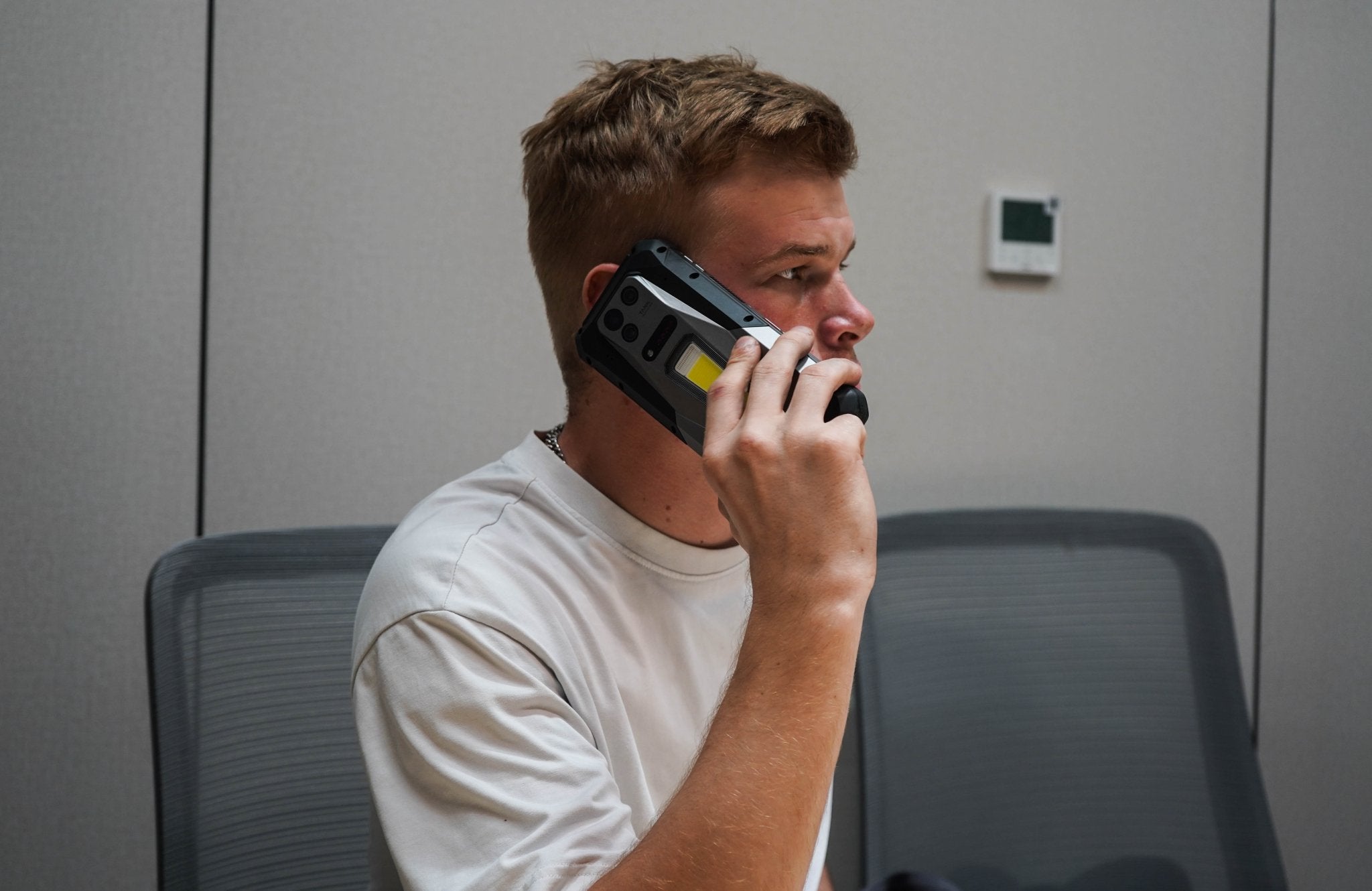
Managing two phone numbers used to mean carrying two separate devices everywhere. Today, a dual-SIM phone makes that unnecessary by allowing one smartphone to connect to two mobile networks at the same time. Whether you want to separate work and personal calls, use a local SIM card while traveling, or switch between carriers for better coverage, dual SIM functionality has become one of the most practical features in modern smartphones.
As mobile users rely more heavily on constant connectivity, dual-SIM phones are now common among business professionals, frequent travelers, outdoor workers, and even everyday users who simply want more flexibility with mobile plans. Many rugged smartphones also include dual SIM support to help users stay connected in demanding environments. Devices like those from 8849 Phones combine dual-SIM convenience with large batteries, durable designs, and features built for work and adventure.
What Is a Dual-SIM Phone?
A dual-SIM phone is a smartphone that can use two SIM cards at the same time. Instead of being tied to a single mobile number or carrier, the device allows users to manage two separate phone numbers from one phone. Depending on the model, both SIM cards can be used for calls, text messages, and mobile data. This feature is especially useful for people who want to keep their work and personal numbers separate without carrying two devices.
Different Types of Dual-SIM Configurations
Not all dual-SIM phones use the same SIM setup. While the main idea is still allowing two mobile connections on one device, manufacturers can design the SIM system in different ways depending on the phone model and target users.
- Physical nano-SIM card + physical nano-SIM card
- Physical nano-SIM card + eSIM
- eSIM + eSIM (available on some newer smartphones)
Some dual-SIM phones also use a hybrid SIM tray, where the second SIM slot shares space with a microSD card slot. In that case, users may need to choose between using two SIM cards or expanding the phone’s storage. Dedicated dual-SIM slots are generally more convenient because they allow both SIM cards and a microSD card to be used at the same time.
Why Dual-SIM Phones Have Become So Popular
The growing popularity of dual-SIM phones is closely connected to the way people use mobile networks today. International travelers often install a local SIM card to avoid expensive roaming charges, while business users may keep separate numbers for work and private communication. In some areas, users even rely on two carriers to improve network coverage and data speeds. As smartphones become more important for work, entertainment, navigation, and online communication, dual SIM support offers a simple way to make mobile connectivity more flexible and efficient.
How Does a Dual-SIM Phone Work?

A dual-SIM phone works by allowing one smartphone to connect to two separate mobile networks at the same time. Each SIM card has its own phone number, carrier plan, and network connection, which means users can manage two lines from a single device. In daily use, this makes it possible to receive calls and messages from both numbers without constantly swapping SIM cards.
Most modern dual-SIM phones use a system called Dual SIM Dual Standby (DSDS). In this setup, both SIM cards remain connected while the phone is idle. When someone calls one number, the other SIM temporarily becomes unavailable until the call ends. This is the most common dual-SIM technology because it balances convenience, battery efficiency, and hardware cost.
Some higher-end or specialized devices support Dual SIM Dual Active (DSDA). Unlike DSDS, DSDA allows both SIM cards to stay active simultaneously, even during calls. For example, users can remain on a call using one SIM while still receiving incoming calls on the second number. However, DSDA phones are less common because they require additional hardware and consume more power.
Dual-SIM phones also allow users to choose how each SIM card is used. In the settings menu, users can usually assign one SIM for mobile data and another for calls or text messages. Some phones even let users switch data connections between carriers instantly, which can be useful when one network has stronger signal coverage or a cheaper data plan.
Here are some common ways people configure dual SIM usage:
- SIM 1 for work calls, SIM 2 for personal use
- SIM 1 for local data, SIM 2 for international roaming
- SIM 1 for calls and texts, SIM 2 for unlimited mobile data
- SIM 1 as the primary carrier, SIM 2 as a backup network in low-signal areas
This flexibility is one of the biggest reasons why dual-SIM phones have become increasingly popular among travelers, business users, remote workers, and outdoor professionals.
The Main Types of Dual-SIM Phones
Dual SIM Dual Standby (DSDS)
Dual SIM Dual Standby (DSDS) is the most common type of dual-SIM technology found in modern smartphones. In a DSDS phone, both SIM cards stay connected to the network while the phone is idle, allowing users to receive calls and messages on either number. However, when one SIM card is in use for a call, the other SIM card temporarily becomes unavailable. This setup works well for most users because it provides dual-SIM convenience while keeping battery consumption and hardware costs lower.
Dual SIM Dual Active (DSDA)
Dual SIM Dual Active, or DSDA, is a more advanced dual-SIM system that allows both SIM cards to remain active simultaneously. This means users can stay on a call using one SIM card while still receiving incoming calls or notifications on the second line. DSDA phones include additional radio hardware to maintain two active connections at the same time, which is why they are less common and may use more battery power. This type of dual-SIM phone is mainly useful for heavy business users or people who rely heavily on constant communication.
Hybrid SIM Slot Phones
Some dual-SIM phones use a hybrid SIM tray design. In this configuration, the second slot can function either as a second SIM card slot or as a microSD card slot for storage expansion. While hybrid designs help manufacturers save internal space inside the phone, they also force users to choose between dual-SIM functionality and extra storage. This design is commonly seen in slim smartphones where internal space is limited.
Dedicated Dual-SIM Slot Phones
Dedicated dual-SIM phones include separate slots for both SIM cards and an additional microSD card slot. This design is generally considered more convenient because users do not need to sacrifice expandable storage in order to use two SIM cards. Dedicated triple-slot designs are especially popular in rugged phones, travel-focused devices, and smartphones built for outdoor or professional use where flexibility and storage capacity are both important.
Why Do People Use Dual-SIM Phones?
People use dual-SIM phones for many different reasons, but the main advantage is flexibility. Instead of being limited to a single carrier or phone number, users can manage multiple mobile connections in one device based on their personal, work, or travel needs.
-
Separating work and personal life: Many users keep one SIM card for work contacts and another for personal communication. This makes it easier to organize calls, messages, and mobile data usage without carrying two smartphones.
-
Using local SIM cards while traveling: International travelers often install a local SIM card for cheaper calls and mobile data while keeping their primary number active for important messages or account verification.
-
Combining different mobile plans: Some users choose one SIM card for affordable mobile data and another for cheaper calling or texting plans. This can help reduce monthly mobile costs depending on local carrier pricing.
-
Improving network coverage: Signal strength can vary between carriers, especially in rural or remote areas. A dual-SIM phone allows users to switch between networks when one carrier has weak coverage.
-
Managing business communications more efficiently: Business owners, freelancers, and remote workers often rely on dual SIM support to stay reachable through separate business numbers without mixing professional and private calls.
-
Keeping a backup network connection: In areas where network stability is inconsistent, having two SIM cards from different carriers can provide a more reliable connection for calls, navigation, or internet access.
-
Useful for outdoor and field work: Workers in construction, logistics, transportation, or outdoor environments may use two carriers to maintain stronger coverage during travel or while working in remote locations. Rugged dual-SIM phones are especially popular for these situations because they combine durability with flexible connectivity.
Pros and Cons of a Dual-SIM Phone
A dual-SIM phone can be extremely useful in everyday life, especially for users who travel often or manage multiple phone numbers. However, like any smartphone feature, dual SIM support also comes with a few limitations that are worth understanding before buying a device.
Pros
- Better flexibility - Users can manage two phone numbers, carriers, or mobile plans on a single device.
- Lower travel costs - Installing a local SIM card can reduce international roaming fees significantly.
- Improved network coverage - Two carriers provide more options when signal strength is weak in certain areas.
- Easier work and personal separation - Calls and messages can stay organized without carrying two phones.
- More affordable mobile plans - Users can combine separate plans for calls, texts, and mobile data based on pricing advantages.
- Convenient for business and remote work - Dual SIM support helps professionals stay reachable through multiple numbers at all times.
Cons
- Faster battery consumption - Maintaining connections to two mobile networks may increase battery usage.
- More complicated settings - Managing calls, data, and messaging preferences across two SIM cards can confuse some users at first.
- Limited 5G support on some devices - Certain dual-SIM phones only allow 5G connectivity on one SIM card at a time.
- Hybrid SIM tray limitations - Some phones force users to choose between a second SIM card and a microSD card.
- Potential carrier restrictions - In some regions, carrier-locked phones may limit dual-SIM functionality or eSIM support.
8849 Tank 5: An Upgraded Rugged Projector Phone
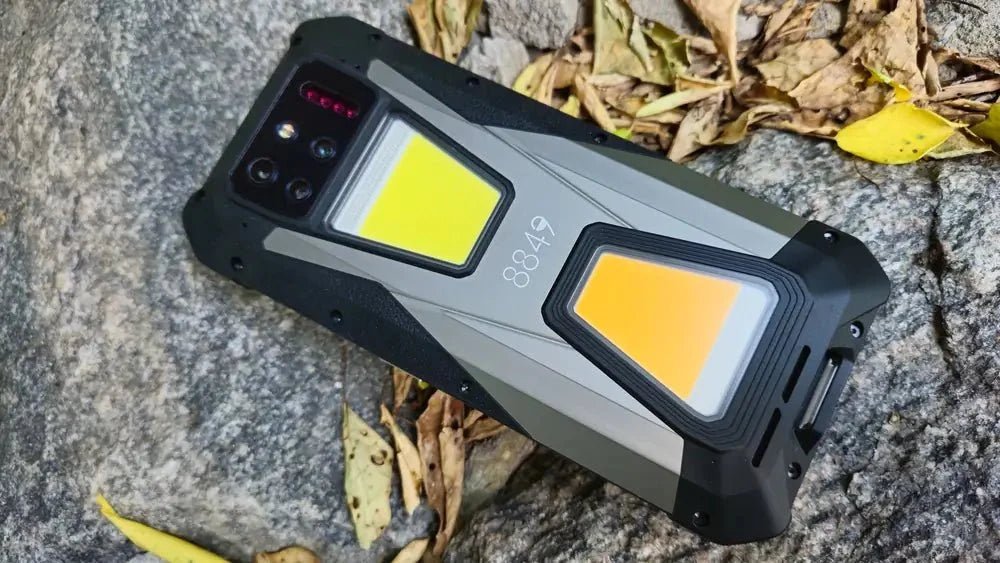
For users who need more than just basic dual-SIM support, the newly released 8849 Tank 5 is designed for demanding environments where battery life, durability, and seamless connectivity all matter. As a flagship rugged smartphone from 8849 Phones, the Tank 5 offers advanced dual-SIM functionality with eSIM support, making it ideal for travelers, outdoor workers, business users, and anyone who frequently switches between networks or carriers.

✅Dual-SIM + eSIM support - Allows users to manage multiple phone numbers or carriers on one device with flexible eSIM and physical SIM options.
✅Rugged durability - Built to handle harsh outdoor and work environments more effectively than standard smartphones.
✅Large battery capacity - Designed for extended usage during travel, outdoor activities, or long work shifts.
✅Built-in 2K projector - Adds extra convenience for entertainment, presentations, and outdoor viewing.
✅Large high-brightness display and practical design - Makes navigation, communication, and media viewing more comfortable in daily use.
👉Check it out here: 8849 Tank 5
Conclusion
Dual-SIM phones have become a practical solution for modern mobile users who need greater flexibility in how they manage communication, data, and network coverage. By combining two mobile lines in a single device, they simplify daily usage while reducing the need to carry multiple phones. For users who travel frequently, handle work and personal contacts separately, or rely on different carriers for better coverage, dual SIM functionality delivers clear advantages. Devices like the 8849 Tank 5 further extend this value by combining dual-SIM support with rugged durability and long battery life, making them suitable for both professional and outdoor environments.
FAQs
Is a dual-SIM phone better than a single-SIM phone?
It depends on the user’s needs. A dual-SIM phone is more suitable for people who want flexibility, such as managing two numbers, using different carriers, or reducing roaming costs. However, a single-SIM phone may be sufficient for users who only need one mobile line and prefer simpler settings.
Does a dual-SIM phone use more battery?
Yes, in most cases, a dual-SIM phone can consume slightly more battery because it maintains connections to two mobile networks. However, the difference is usually moderate and depends on signal strength, network usage, and whether both SIMs are actively used for data or calls.
Is dual SIM useful for international travel?
Yes, dual SIM is especially useful for international travel. It allows users to keep their home number active for important calls or verification codes while using a local SIM card to access cheaper data and avoid roaming charges.
Deli:
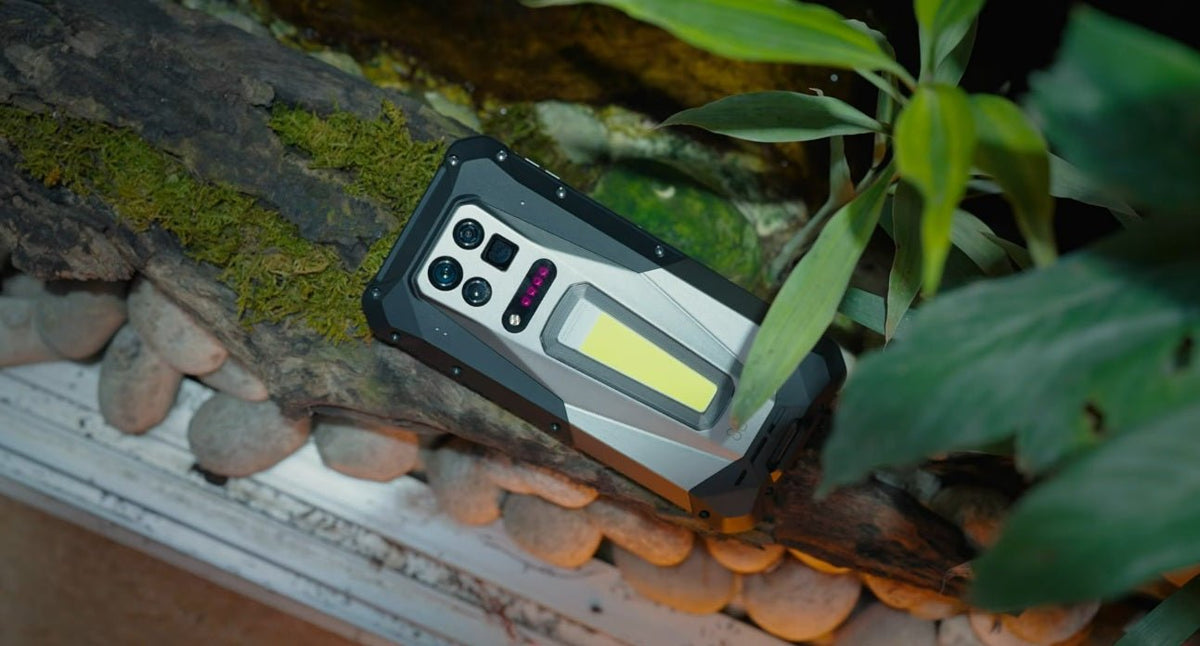
8849 Tank 5 Review: A Powerful Rugged Projector Phone
6 Factors Before You Buy a Dual-SIM Phone