


Rugged phones have become increasingly popular among professionals and outdoor users who need devices that can withstand harsh environments while still delivering modern smartphone capabilities. In this guide, we’ll explore the different types of rugged phone options available today, from general-purpose models to feature-specific devices designed for specialized tasks. Rather than treating each type as strictly separate, this article will help you understand how rugged phones are typically categorized based on their key features, and how to choose the right one for your specific needs.
What Is a Rugged Phone?
A rugged phone is a mobile device specifically engineered to operate reliably in environments where standard smartphones are more likely to fail. Unlike conventional devices that prioritize slim design and aesthetics, rugged phones are built with durability, protection, and longevity as core priorities.

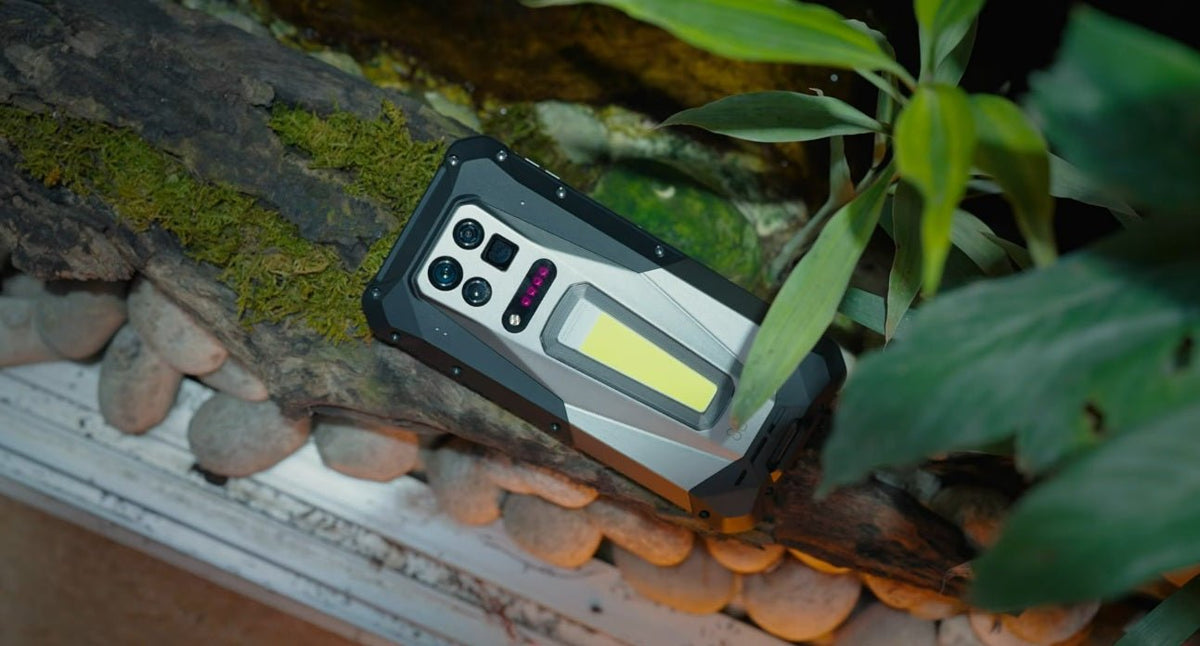
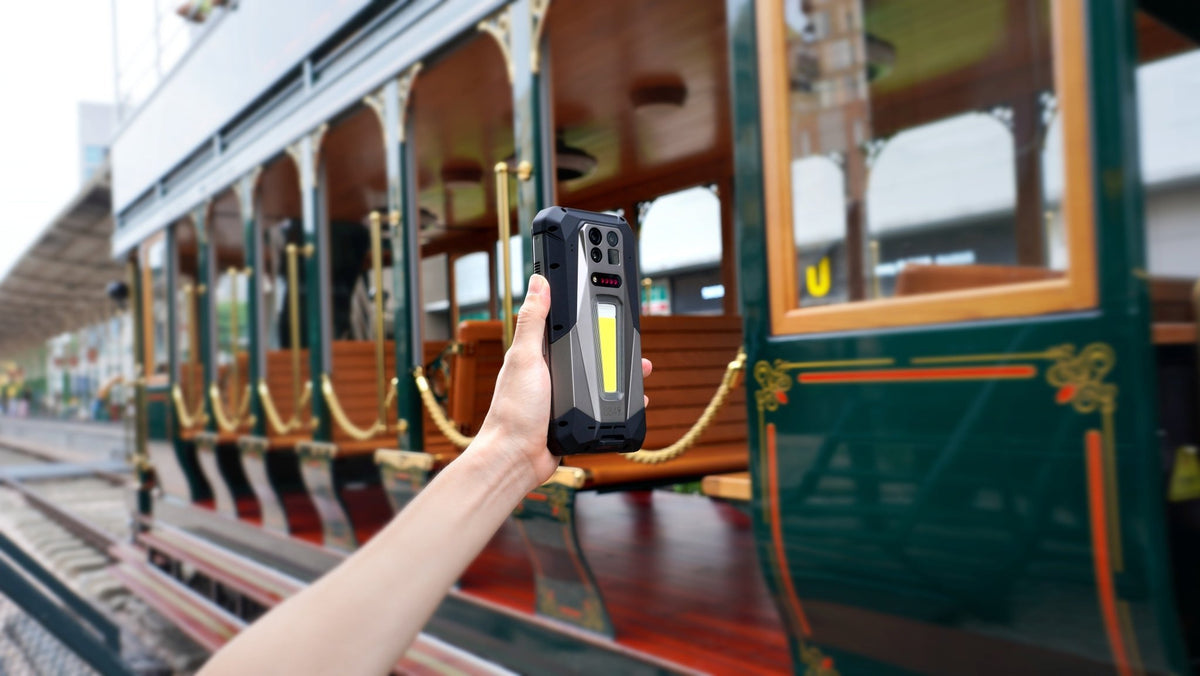
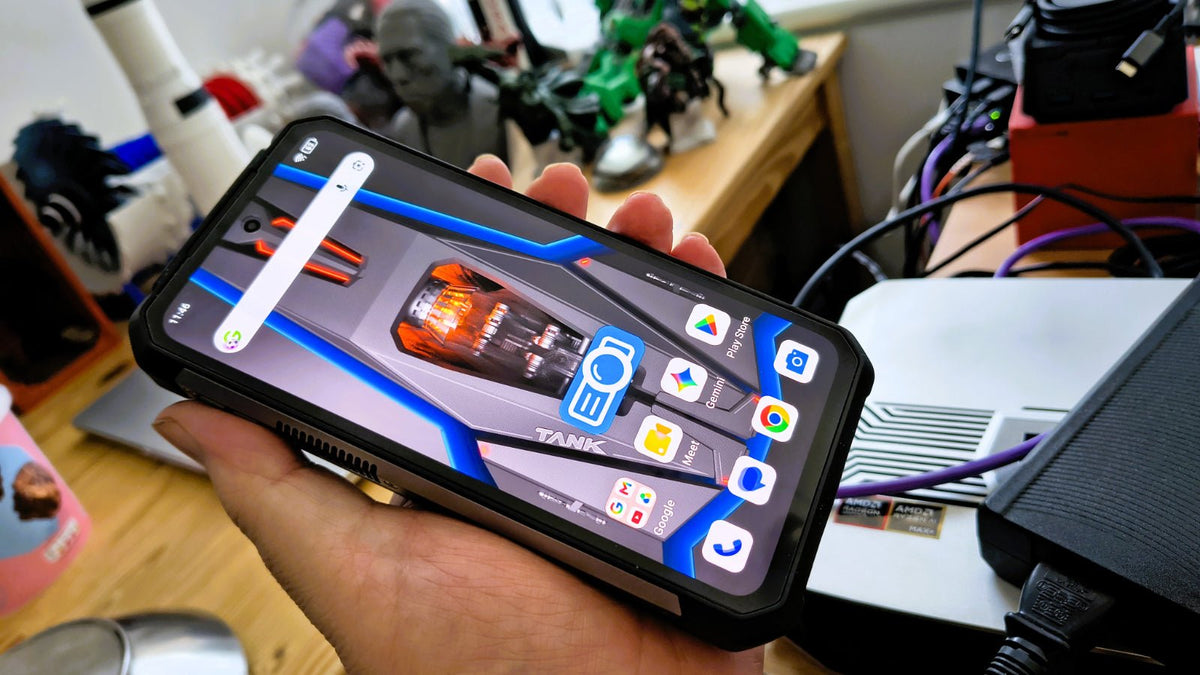
Image: 8849 TANK Mini Rugged Phone
At a structural level, rugged phones typically feature reinforced housings, shock-absorbing materials, and tightly sealed components. This allows them to withstand common hazards such as drops, vibrations, water exposure, dust ingress, and extreme temperatures. Many models are tested against recognized standards such as IP (Ingress Protection) ratings for water and dust resistance, as well as military-grade durability benchmarks that simulate real-world stress conditions.
At the same time, modern rugged phones are no longer limited to basic functionality. Many now offer the same core capabilities as everyday smartphones, including app ecosystems, high-resolution cameras, and fast connectivity. This evolution is what makes the category more diverse; while all rugged phones share a foundation of durability, they can differ significantly in terms of features and intended use, which leads to the different types we’ll explore next.
Rugged Smartphones
Rugged smartphones represent the most common and versatile type of rugged phone available today. They combine the durability of traditional rugged devices with the functionality of modern smartphones, typically running Android and supporting a full range of apps, connectivity options like 4G/5G, and advanced camera systems. This makes them suitable not only for demanding work environments such as logistics, construction, and field service, but also for everyday use.
In practice, rugged smartphones are designed to strike a balance between toughness and usability. While they maintain key protective features like water and dust resistance, drop protection, and reinforced frames, they are often more user-friendly than older rugged devices. As a result, they serve as an ideal starting point for most users, especially those who need a reliable device without sacrificing the convenience of a modern smartphone experience.
Big Battery Rugged Phones
Big battery rugged phones are designed for users who need maximum endurance rather than frequent charging. While standard smartphones typically range between 4,000mAh and 6,000mAh, rugged devices in this category often start around 10,000mAh and go well beyond 20,000mAh, which is generally considered the threshold for a true “big battery” model. At this capacity, it’s not uncommon to achieve several days of active use or even weeks of standby time, making them ideal for remote work, long expeditions, or emergency scenarios.

A strong example is the 8849 Tank 3 Rugged Smartphone, which features an ultra-large 23,800mAh battery, positioning it firmly in the big battery category. Devices like this are not just about longevity—they often integrate additional features such as powerful lighting, projection, or advanced cameras. This reflects a broader trend: big battery rugged phones are increasingly becoming multi-functional tools, where extended power supports a wide range of demanding use cases rather than serving as a standalone feature.
Rugged Phones with Thermal Cameras
Rugged phones with thermal cameras are designed for users who need to visualize heat differences in real time, making them highly valuable in professional and technical scenarios. These devices integrate thermal imaging sensors that can detect temperature variations, which are then displayed as visual heat maps on the screen. In practice, this feature is widely used in fields such as electrical inspection, building maintenance, HVAC diagnostics, and search and rescue operations. Rather than being a completely separate category, thermal imaging is often included as part of a broader, multi-functional rugged phone, allowing users to combine durability, long battery life, and specialized sensing capabilities in a single device.
Rugged Phones with Projectors
A rugged phone with projector is designed to turn a durable mobile device into a portable display solution, making it especially useful in both work and outdoor scenarios. These devices integrate compact projection systems—often supporting resolutions up to 720p—allowing users to display presentations, videos, or maps on flat surfaces without needing additional equipment. In real-world use, this can be valuable for field teams sharing information on-site, as well as for camping or travel where entertainment options are limited.

A strong example is the 8849 TANK 4 Pro Rugged Projector Phone, which combines a built-in projector with high-performance hardware and a large battery. It supports 720p projection with auto focus and correction, delivering a convenient big-screen experience directly from the device. Like many modern rugged phones, it doesn’t focus on a single feature alone—projection is integrated alongside capabilities such as night vision, large storage, and fast performance. This reflects a broader trend where rugged phones are evolving into multi-functional tools, rather than fitting into strictly separate categories.
Rugged Phones with Night-Vision Cameras
Rugged phones with night-vision cameras are designed to capture clear images and videos in low-light or completely dark environments, which makes them different from thermal cameras. Instead of detecting heat, these cameras typically use infrared (IR) illumination to enhance visibility, allowing users to see details that would otherwise be invisible at night. This feature is especially useful for security work, wildlife observation, night patrols, and outdoor exploration. Like thermal imaging, night vision is often integrated into multi-functional rugged phones, meaning it is commonly paired with other features such as large batteries or high-performance sensors rather than existing as a standalone category.
Are These Rugged Phone Types Mutually Exclusive?
Not exactly. In today’s market, rugged phones are increasingly designed as multi-functional devices, which means the categories discussed above often overlap rather than exist as strictly separate types. For example, a single device may combine a 20,000mAh+ battery, a built-in projector, and night-vision capabilities in one unit. Because of this, it’s more accurate to view these “types” as feature-based classifications that help users understand key strengths, rather than fixed product categories. When choosing a rugged phone, focusing on your specific use case, such as battery life, imaging needs, or outdoor functionality, will be far more useful than trying to fit a device into just one label.
Conclusion
Rugged phones have evolved far beyond simple, durable devices into versatile tools tailored for different environments and needs. Whether you prioritize long battery life, specialized imaging features like thermal or night vision, or added functionality such as built-in projectors, there is a rugged phone designed to match your requirements. As many modern models combine multiple capabilities, the best approach is to evaluate your daily usage scenarios and choose a device that delivers the right balance of durability, performance, and features.
FAQs About Rugged Phones
1. Are all rugged phones waterproof?
Not all rugged phones are fully waterproof, but most offer a high level of water resistance, typically indicated by IP ratings such as IP67 or IP68. This means they can withstand splashes, rain, and temporary submersion, but the exact level of protection varies by model.
2. What is the difference between rugged phones and regular smartphones?
Rugged phones are built with reinforced materials and protective designs to withstand drops, dust, water, and extreme conditions, while regular smartphones focus more on slim design and everyday use. Rugged devices prioritize durability and reliability in harsh environments.
3. Can a rugged phone have multiple special features?
Yes, and this is increasingly common. Many rugged phones combine features such as large batteries, thermal imaging, night vision, and even projectors, making them multi-functional tools rather than single-purpose devices.
4. Are rugged phones suitable for everyday use?
Yes. Modern rugged smartphones support Android apps, high-speed connectivity, and good camera systems, making them practical for daily use, especially for users who want extra durability.
5. Which type of rugged phone is best for outdoor use?
It depends on your needs. For extended trips, a big battery rugged phone is ideal, while for specialized tasks like navigation in the dark or inspections, models with night vision or thermal cameras may be more suitable.
6. Do rugged phones support 5G and modern apps?
Many newer rugged smartphones support 5G connectivity and run standard Android operating systems, allowing access to the same apps and services as regular smartphones.
Deli:
What is a Projector Phone?
8849 TANK X vs TANK 4 Pro: Full Comparison, Specs & How to Choose