


Rugged phones have moved far beyond niche devices for extreme jobs. They are now a practical choice for anyone who needs reliability in unpredictable conditions. Whether it’s outdoor work, long-distance travel, or emergency preparedness, more users are turning to rugged devices for their durability and extended battery life. Brands like 8849, for example, offer a wide range of rugged phones that combine toughness with specialized features such as large-capacity batteries and built-in projectors, making them a notable option in today’s market.
At the same time, one of the most common questions remains straightforward: how much does a rugged phone cost in 2026? Prices can vary significantly depending on the level of protection, hardware performance, and extra features included.
In this guide, we’ll break down rugged phone prices across different tiers, compare real models, including the 8849 lineup, and explain what you’re actually paying for, so you can choose a device that fits both your needs and your budget.
What Is a Rugged Phone?
A rugged phone is a smartphone specifically designed to withstand harsh environments and physical stress that would easily damage a regular device. These phones are typically built with reinforced frames, shock-resistant materials, and sealed components to protect against water, dust, and drops. Most rugged models come with certifications like IP68 or IP69K for water and dust resistance, along with military-grade standards like mil-std testing that indicate durability under extreme conditions.
In practical terms, rugged phones are commonly used by people working outdoors, in construction, or in demanding environments, but they’ve also become popular among travelers, campers, and anyone who simply wants a more reliable device. While they may be bulkier than standard smartphones, the trade-off is a device that can handle tough situations without constant worry about damage.
How Much Do Rugged Phones Cost in 2026?

Rugged phone prices in 2026 cover a surprisingly wide range, mainly depending on durability, battery size, performance, and added features like projectors or outdoor tools. Entry-level models can start around $200–$300, while feature-rich rugged phones with massive batteries and specialized functions can easily exceed $700 or even approach $1,000. In other words, you’re not just paying for durability, you’re paying for how much functionality is built into the device.
To give a clearer picture, here’s a snapshot of current rugged phone pricing using real models from the 8849 lineup:
| Model | Price (USD) | Key Features | Best For |
|---|---|---|---|
| 8849 TANK X | $669 | 1080p projector, 17,600mAh battery, flagship performance | Premium outdoor / multi-function use |
| 8849 TANK 4 Pro | $709 | 720p projector, AMOLED display | High-end rugged users |
| 8849 TANK 4 | $499 | Projector + balanced specs | Value-focused users |
| 8849 TANK 3 Pro | $599 | Huge battery, projector, strong performance | Power users / long trips |
| 8849 TANK 3 | $419 | 23,800mAh battery, solid performance | Battery-focused users |
| 8849 Hike | $329 | Rugged design + high-power flashlight | Entry-level outdoor use |
| TANK Mini | $269 | Rugged design + lightweight, compact | Entry-level outdoor use |
From this comparison, a clear pattern emerges: as the price increases, you typically get larger batteries, more powerful chipsets, and unique features like built-in projectors or advanced outdoor tools. For example, the 8849 TANK X sits in the premium tier because it combines flagship performance with a built-in projector and an ultra-large battery.
At the same time, more affordable models like the 8849 Hike or 8849 TANK 3 still deliver core rugged features, durability, long battery life, and reliability at a much lower cost, making them practical options for users who don’t need advanced extras.
Overall, rugged phone pricing in 2026 is less about “cheap vs expensive” and more about how much functionality you actually need in extreme conditions.
What Affects Rugged Phone Prices?
While all rugged phones are designed to be tougher than regular smartphones, the difference between a $300 model and a $700+ device often comes down to specific components and features that directly impact performance and usability in demanding environments.
Durability Ratings (IP68, IP69K, MIL-STD-810H)
The level of protection a rugged phone offers is one of the biggest pricing factors. Devices with higher certifications, such as IP68 or IP69K for water and dust resistance, along with MIL-STD-810H for drop and shock durability, require more advanced sealing, materials, and testing. As a result, phones with higher durability standards tend to cost more, especially when they are designed to survive extreme temperatures, pressure, or repeated impacts.
Battery Capacity
Battery size plays a major role in pricing, particularly in the rugged phone market, where large batteries are a key selling point. A standard rugged phone might offer around 8,000mAh to 10,000mAh, while higher-end models can exceed 20,000mAh. Larger batteries not only increase production costs but also require more internal engineering, which is why ultra-high-capacity phones are usually positioned in the mid-to-premium price range.
Chipset & RAM
Like any smartphone, performance components such as the processor and RAM significantly influence price. Entry-level rugged phones typically use more basic chipsets suitable for everyday tasks, while higher-end models feature more powerful processors and larger memory configurations for multitasking, gaming, or running demanding apps. Better performance usually means a higher price, especially when combined with rugged durability.
Special Features
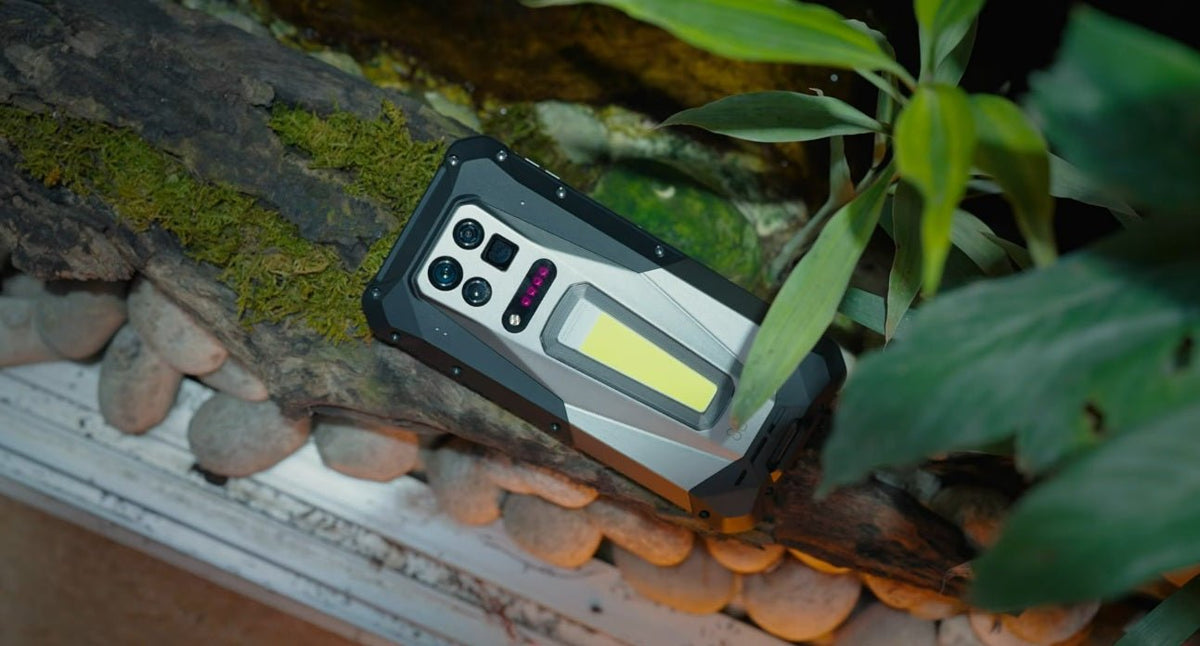
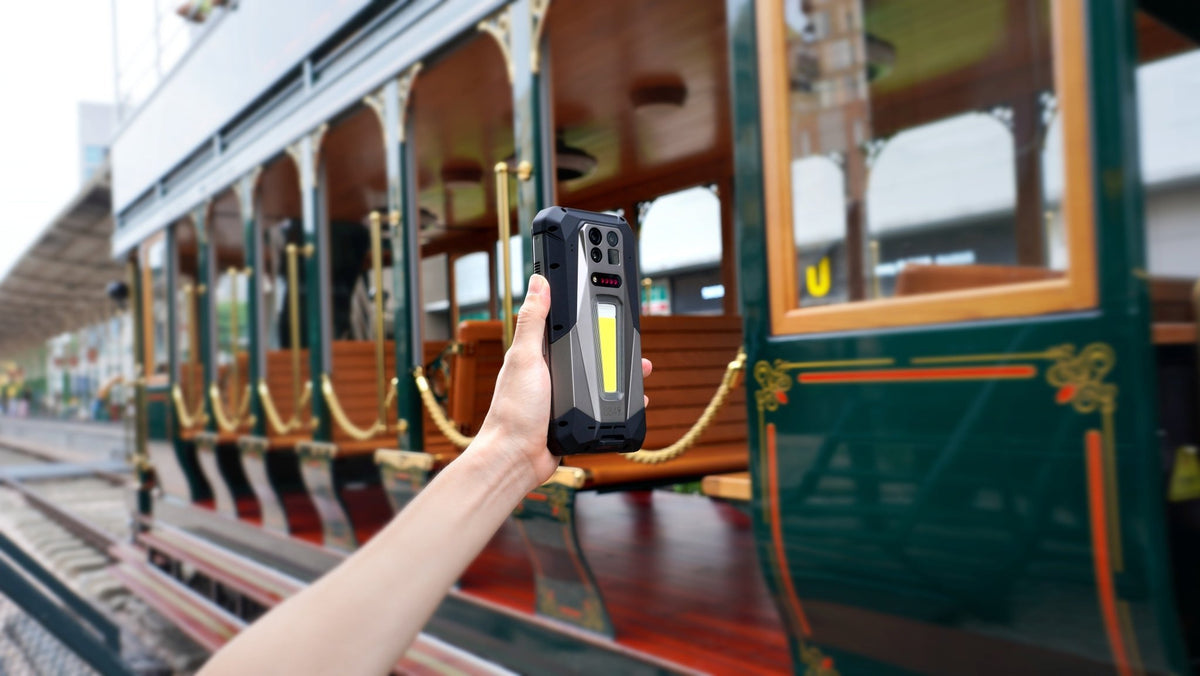
Many rugged phones go beyond basic durability by adding specialized features, and these can quickly raise the price. Built-in projectors, thermal imaging cameras, night vision, or high-lumen camping lights all require additional hardware and design complexity. These features are not essential for every user, but they are often what differentiate premium rugged phones from standard models.
Display and Build Quality
Screen quality and overall construction also impact cost. Higher-priced rugged phones may include brighter displays, higher resolutions, or AMOLED panels for better visibility outdoors. In addition, stronger glass protection and more refined materials contribute to durability and user experience, but they also add to the overall price of the device.
Rugged Phone Price vs Value: What Do You Really Get?

Rugged phone pricing becomes clearer when you compare how different brands position themselves in the market. Some focus on affordability, while others emphasize advanced features like thermal imaging, projectors, or extreme battery capacity. Looking at brands side by side helps you quickly understand what kind of value you’re getting at each price level.
| Brand | Price Range (USD) | Notable Features | Market Position |
|---|---|---|---|
| 8849 | $250–$750 | Projectors, thermal imaging, massive batteries, outdoor tools | Feature-rich mid to high-end |
| Ulefone | $150–$1,500 | Wide lineup, thermal imaging, strong battery options | Full range, budget to premium |
| Blackview | $300–$750 | Large batteries, balanced performance, outdoor features | Mid-range to high-end |
| DOOGEE | $150–$750 | Affordable rugged design, solid battery life | Entry-level value |
| CAT (Caterpillar) | $150–$750 | Industrial-grade durability, thermal cameras | Premium industrial |
| Samsung (XCover Series) | $400–$700 | Enterprise features, optimized software | Mainstream rugged |
Overall, the rugged phone market in 2026 is relatively structured: most brands cluster in the $300–$800 range, where users get a balance of durability, battery life, and performance. Budget brands compete below $300 with essential features, while premium models above $800 differentiate through specialized tools or industrial-grade reliability.
This also explains why brands like 8849, Blackview, and parts of Ulefone’s lineup often overlap in pricing; they are not competing purely on cost, but on how much functionality and specialization they can offer within a similar price band.
Read more: Rugged Tablet Price Guide 2026
Are Expensive Rugged Phones Worth It?
The answer depends less on the price itself and more on how you plan to use the device. Expensive rugged phones typically offer more than just durability; they combine large batteries, stronger performance, and specialized features into a single device. For users who rely on their phones in demanding environments, these added capabilities can replace multiple tools and justify the higher cost.
For example, if you frequently work outdoors, travel off-grid, or need long-lasting power without access to charging, a higher-end rugged phone can provide real value through its battery capacity and reliability. Similarly, features like built-in projectors or high-lumen lights can be genuinely useful in fieldwork or camping scenarios, rather than just being “nice to have.”
On the other hand, if your needs are occasional, such as weekend trips or having a backup device for emergencies, spending $700 or more may not be necessary. Many mid-range rugged phones already offer solid protection and battery life at a much lower price point, making them a more practical choice for everyday users.
Conclusion
Rugged phone prices in 2026 vary widely, but the core idea is simple: you’re not just paying for durability; you’re paying for how much functionality and reliability you need in real-world conditions. From affordable models that cover basic protection to feature-rich devices with massive batteries and specialized tools, the market now offers options for almost every type of user.
For most people, the best choice isn’t the most expensive phone, but the one that matches how and where it will actually be used. Brands like 8849 reflect this shift by offering different tiers that balance price with practical outdoor features, rather than focusing on durability alone.
FAQs
How much should I spend on a rugged phone?
For most users, spending between $300 and $600 is the practical sweet spot. At this range, you get solid durability, reliable battery life, and decent performance without overpaying for niche features. If you need advanced tools like projectors, thermal cameras, or extreme battery capacity, then moving into the $600+ range can make sense.
How does the rugged phone price compare to regular phones?
Rugged phones are often more expensive for the same level of performance, mainly because of their reinforced design, larger batteries, and additional protection features. While regular smartphones prioritize design and high-end specs, rugged phones prioritize survival and reliability, which changes how the cost is distributed.
What is the cheapest rugged phone worth buying?
A good entry-level rugged phone typically starts around $200–$300, such as the 8849 TANK mini. At this price, you can still get IP68 protection, a large battery, and basic performance suitable for everyday tasks or outdoor use. Going much cheaper than this often means noticeable compromises in usability or long-term reliability.
Do expensive rugged phones last longer?
Not necessarily in terms of software or performance lifespan, but they tend to last longer physically. Higher-priced models usually include stronger materials, better sealing, and more refined engineering, which helps them survive repeated drops, harsh weather, and long-term use in demanding environments. However, longevity still depends on how the device is used.
Are rugged phones worth the price in 2026?
They are worth it if you actually need what they offer. Rugged phones provide better durability, longer battery life, and specialized features that regular phones often lack, making them ideal for outdoor work, travel, or extreme conditions. For everyday urban use, however, a standard smartphone may still be the more cost-effective option.
Deli:
IP68 Phones: Definition, Benefits & Uses
Is A Rugged Phone Worth It In 2026?