

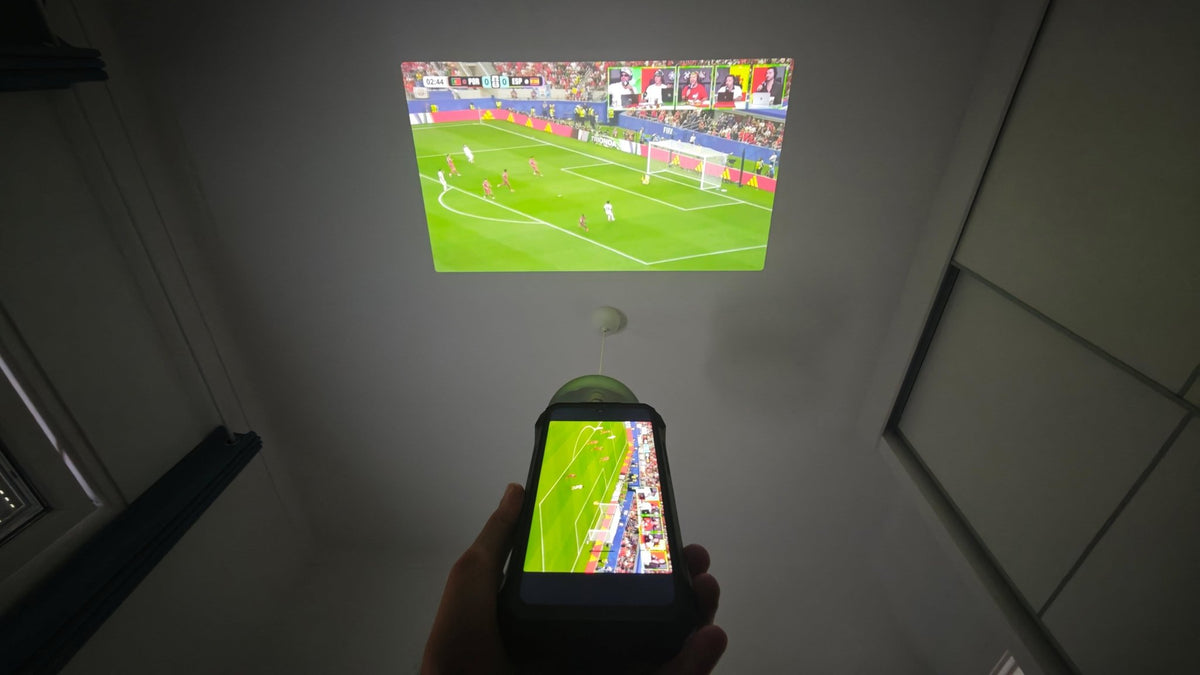
Ko želite uživati v večjem zaslonu, ne da bi bili vezani na televizor, projektorski telefoni in prenosni projektorji ponujajo zanimivo rešitev. Vendar ne gre za isto vrsto naprave.
Projektorski telefon je pametni telefon z vgrajenim projektorjem, ki združuje vsakodnevne funkcije telefona z možnostjo projiciranja vsebine na steno ali zaslon. Prenosni projektor pa je namenska projekcijska naprava, ki jo je običajno treba povezati s telefonom, prenosnim računalnikom ali drugim virom predstavnosti.
V tem vodniku bomo primerjali projektorske telefone in prenosne projektorje glede priročnosti, prenosljivosti, izkušnje projiciranja in vsakdanje uporabe, da se boste lažje odločili, kateri je primernejši za vaš življenjski slog.
Kaj je projektorski telefon?

Projektorski telefon je pametni telefon, v katerega je neposredno vgrajen projektor. Namesto prenašanja ločenega projektorja lahko isto napravo uporabljate za klice, aplikacije, fotografije, videoposnetke, navigacijo in druga vsakodnevna opravila, nato pa vklopite vgrajeni projektor, ko želite večjo sliko. Zaradi tega projektorski telefon ni le telefon z dodatno funkcijo - združuje dve napravi v eni.
Ker je projektor vgrajen v telefon, vam pred ogledom vsebine ni treba spakirati ločene projekcijske naprave ali telefona povezati z njo. To je lahko še posebej uporabno na potovanjih, pri kampiranju, delu na prostem ali preprosto takrat, ko želite vsebino deliti z drugimi brez zahtevne priprave. V tem smislu je projektorski telefon tudi vrsta prenosnega projektorja, vendar z bistveno razliko: projektor je vgrajen v popolnoma delujoč pametni telefon.
Kaj je prenosni projektor?

Prenosni projektor je kompaktna, namenska naprava, zasnovana predvsem za projiciranje videoposnetkov, slik, predstavitev ali druge vsebine na steno ali zaslon. Za razliko od projektorskega telefona ni pametni telefon. Običajno ga morate povezati z drugo napravo, kot so pametni telefon, tablični računalnik, prenosni računalnik, pretočna palica ali igralna konzola, odvisno od možnosti povezljivosti.
Prenosni projektorji so zasnovani tako, da je projekcijo lažje vzeti s seboj kot pri tradicionalnih projektorjih za dom ali pisarno. Koristni so lahko za filmske večere, predstavitve, igranje iger ali razvedrilo na večjem zaslonu, kadar ne želite stalne namestitve projektorja. Vendar morate še vedno prenašati projektor in vir vsebine, zato je celotna izkušnja drugačna kot pri uporabi projektorskega telefona.
Projektorski telefon v primerjavi s prenosnim projektorjem: ključne razlike
Projektorski telefon ima projektor vgrajen v pametni telefon, medtem ko je prenosni projektor ločena naprava, namenjena projekciji. Tako se primerjata pri vsakdanji uporabi. Oglejmo si njune lastnosti:
| Dejavnik | Projektorski telefon | Prenosni projektor |
|---|---|---|
| Osnovna zasnova | Pametni telefon z vgrajenim projektorjem | Namenska naprava, zasnovana predvsem za projiciranje |
| Prenosljivost | Izjemno priročen, ker sta telefon in projektor ena naprava | Prenosen, vendar morate projektor nositi ločeno |
| Nastavitev | Običajno hitro in preprosto; ločena povezava med telefonom in projektorjem ni potrebna | Morda zahteva povezavo ali seznanjanje z drugo napravo |
| Funkcije pametnega telefona | Popolne funkcije pametnega telefona, vključno s klici, aplikacijami, kamerami, GPS-om in mobilno povezljivostjo | Omejen na projiciranje in vgrajene pametne funkcije, odvisno od modela |
| Izkušnja projiciranja | Zasnovan za priročno projiciranje na poti | Običajno daje večji poudarek zmogljivosti projiciranja in izkušnji z večjim zaslonom |
| Napajanje | Uporablja baterijo telefona za funkciji pametnega telefona in projiciranja | Uporablja lastno baterijo ali zunanji vir napajanja |
| Najbolj primerno za | Potovanja, dejavnosti na prostem, priložnostna zabava, predstavitve in uporabniki, ki želijo eno večnamensko napravo | Domača zabava, filmski večeri, predstavitve in uporabniki, ki dajejo prednost namenski projekciji |
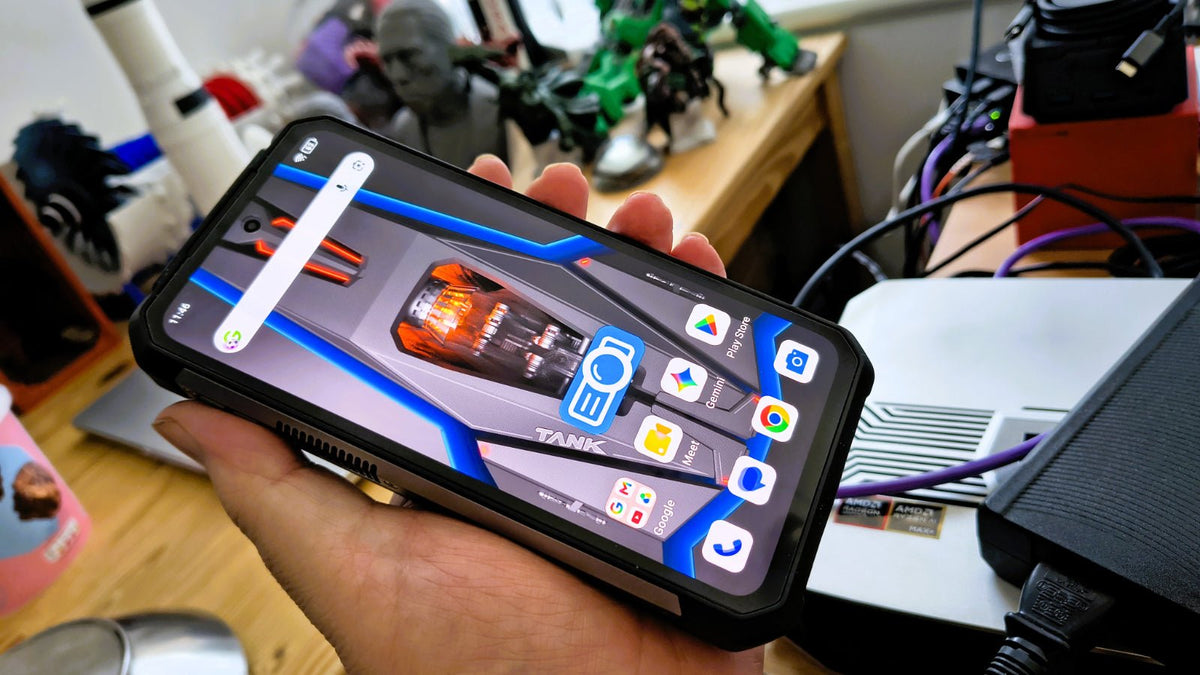
| Primeri | 8849 TANK 5 Pro, TANK 5, TANK X | XGIMI MoGo 3 Pro, Anker Nebula Capsule 3 Laser |
Razlika postane še posebej jasna, ko pomislite, kaj se dogaja pred projiciranjem in po njem. Pri telefonu s projektorjem sta vir vsebine in projektor že v isti napravi. Pri prenosnem projektorju dobite namenski sistem za projiciranje, vendar boste morda potrebovali drugo napravo za zagotavljanje vsebine. Z drugimi besedami, telefon s projektorjem je posebna vrsta prenosnega projektorja, vendar prenosni projektor ni nujno telefon s projektorjem.
Kdaj izbrati telefon s projektorjem?
Telefon s projektorjem je najbolj smiseln, ko želite, da je projiciranje dodatna možnost in ne glavni namen naprave. Še posebej uporaben je, ko je nošenje ločenega projektorja nepraktično ali ko potrebujete telefon, ki zmore več kot le vsakodnevno komunikacijo.
- Potovanja in dejavnosti na prostem: Telefon s projektorjem lahko v potovalni opremi nadomesti ločen projektor, zato si lahko videoposnetke ogledate, delite fotografije ali prikažete informacije, kamor koli greste.
- Kampiranje in zabava na prostem: Ko kampirate ali preživljate čas na prostem, lahko vgrajeni projektor primerno steno, površino šotora ali drugo ravno območje spremeni v začasno platno, ne da bi morali v nahrbtnik dodati še eno napravo.
- Predstavitve na poti: Pri hitrih predstavitvah ali deljenju vizualnih vsebin pomeni vgrajeni projektor v telefonu manj opreme, ki jo je treba pripraviti in povezati.
- Vsestranskost za vsakodnevno uporabo: Če želite eno napravo za komunikacijo, zabavo, fotografiranje, navigacijo in projiciranje, projektorski telefon ponuja kombinacijo, ki je namenski prenosni projektor ne more zagotoviti.
- Minimalna oprema: Projektorski telefon je dobra izbira, ko je udobje pomembnejše od najbolj specializirane postavitve za projiciranje. Ena naprava je preprosto lažja za prenašanje kot telefon in ločen projektor.
Kdaj izbrati prenosni projektor?
Prenosni projektor je primernejši, ko je projiciranje vaša glavna prednostna naloga. Čeprav v številnih primerih zahteva dodatno napravo, lahko njegova namenska zasnova zagotovi bolj osredotočeno izkušnjo gledanja, zlasti če projektor redno uporabljate za zabavo ali predstavitve.
- Domači filmski večeri: Če pogosto gledate filme ali oddaje na večjem zaslonu, lahko prenosni projektor zagotovi bolj namensko izkušnjo velikega zaslona brez namestitve stalnega projektorja.
- Zabava na večjem zaslonu: Prenosni projektorji so zasnovani posebej za projiciranje, zato so boljša izbira, ko je ustvarjanje velike slike pomembnejše od večnamenske naprave.
- Pogoste predstavitve: Za ljudi, ki redno izvajajo predstavitve, je namenski projektor lahko praktična dopolnitev prenosnika ali druge predstavitvene naprave.
- Igranje iger in medijske vsebine: Prenosni projektor je lahko odlična izbira za igranje iger ali skupinski ogled, ko želite, da vsi vidijo isto veliko sliko.
- Namensko projiciranje: Če že imate pametni telefon ali prenosnik, s katerim ste zadovoljni, in preprosto potrebujete projektor, je nakup namenskega prenosnega modela smiselnejši od zamenjave telefona s projektorskim telefonom.
Projektorski telefon v primerjavi s prenosnim projektorjem: prednosti in slabosti
Obe možnosti imata svoje prednosti, boljša izbira pa je navsezadnje odvisna od tega, ali dajete prednost večnamenski napravi ali namenski izkušnji projiciranja.
| Projektorski telefon | Prenosni projektor |
|---|---|
| Prednosti: Telefon in projektor, združena v eni napravi | Prednosti: Namenska strojna oprema, osredotočena na projiciranje |
| Enostaven za prenašanje in hiter za nastavitev | Pogosto je primernejši za ogled na večjem zaslonu |
| V številnih primerih ločen vir vsebine ni potreben | Več prilagodljivosti pri uporabi z različnimi viri vsebine |
| Uporaben za potovanja, dejavnosti na prostem in vsakodnevno uporabo | Odličen za domačo zabavo, predstavitve in igranje iger |
| Slabosti: Zmogljivost projiciranja morda ne bo dosegla ravni namenskega projektorja | Slabosti: S seboj morate imeti dodatno napravo |
| Združujete dve funkciji v eni napravi | Morda bo potrebna povezava ali nastavitev s telefonom, prenosnikom ali drugim virom |
| Manj primerno, če je projekcija vaša edina prednostna naloga | Manj priročno za spontano projekcijo na poti |
TANK 5 Pro: projektorski telefon s termičnim slikanjem

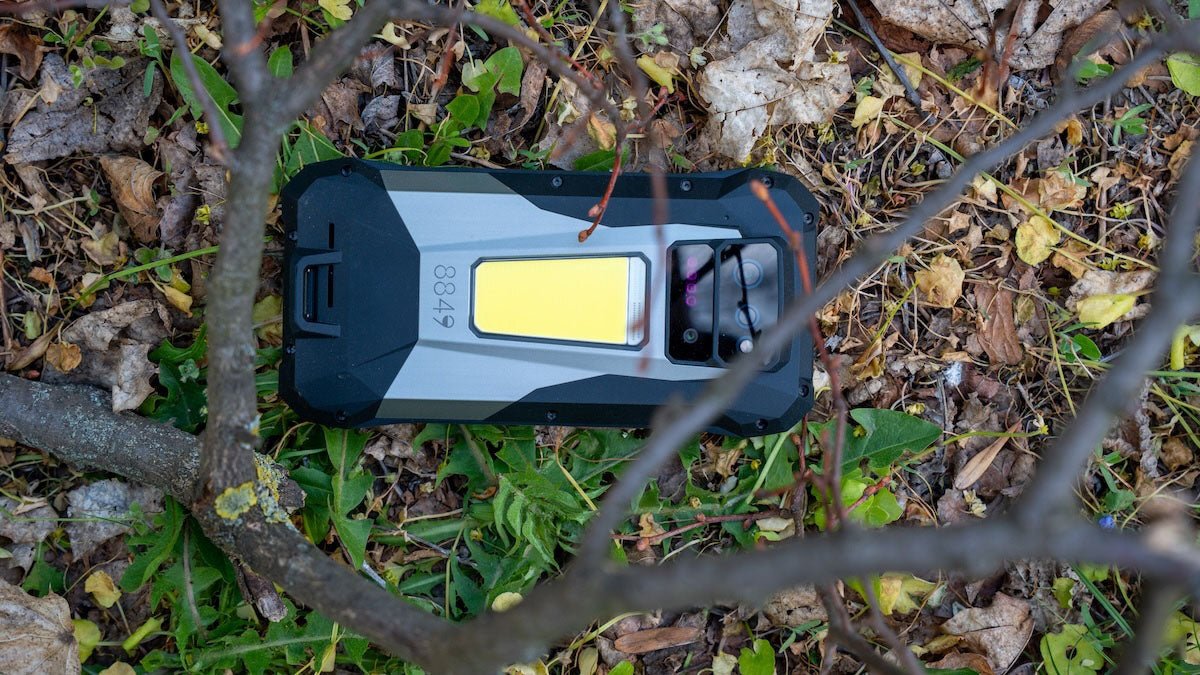
Če želite priročnost projektorskega telefona, vendar se ne želite odpovedati naprednim funkcijam, TANK 5 Pro ta koncept znatno nadgradi. Združuje vgrajeni projektor 2K z robustnim pametnim telefonom, termičnim slikanjem, zmogljivim naborom čipov in veliko baterijo, zato je še posebej zanimiv za uporabnike, ki veliko časa preživijo na prostem ali potrebujejo večnamensko napravo.
- Projektor 2K z 220 lumni: Omogoča projekcijo v ločljivosti 2048 × 1080 z laserskim samodejnim ostrenjem in štiritočkovnim trapeznim popravkom ±45° za preprostejšo namestitev.
- 95° ultraširokokotno termično slikanje: Uporablja termično kamero FLIR Lepton 3.1R z ločljivostjo 160 × 120, termično občutljivostjo <50 mK in 95° vidnim poljem.
- Vrhunska zmogljivost z Dimensity 9400e: Poganja jo 4-nm nabor čipov MediaTek Dimensity 9400e z 18 GB RAM-a in 512 GB prostora za shranjevanje.
- Baterija s kapaciteto 17.600 mAh in 120-W-polnjenjem: Zagotavlja veliko energijsko kapaciteto, potrebno za robusten telefon z bogatim naborom funkcij, hkrati pa podpira hitro polnjenje.
👉Raziščite TANK 5 Pro
Sklepne misli
Projektorski telefon in prenosni projektor lahko vsebino prikažeta na večjem zaslonu, vendar sta zasnovana z različnimi prednostnimi nalogami. Prenosni projektor je primernejši, ko je projekcija vaša glavna skrb, medtem ko je projektorski telefon privlačnejši, če želite projekcijo združiti s priročnostjo polno opremljenega pametnega telefona.
Če pristop vse v enem ustreza vašemu življenjskemu slogu, si oglejte telefone 8849 in preverite, kako lahko vgrajena projekcija preseže preprosto razvedrilo ter postane del bolj vsestranske mobilne izkušnje.

Deli:
Zakaj moj telefon zaostaja? Vzroki in rešitve
3 najboljši vzdržljivi telefoni z vgrajenim projektorjem 2026