


Each year, hurricane and typhoon seasons are becoming less predictable and more destructive. According to some predictions, in 2026, storms will not just be stronger; they will also last longer and impacting wider areas, putting both infrastructure and personal safety under greater pressure.
A recent example is Typhoon Sinlaku, which rapidly intensified over warm ocean waters and reached estimated 1-minute sustained wind speeds of over 160 knots (185 mph) within a short period. In several affected regions, heavy rainfall exceeded 5.32 inches (135 mm) in just 24 hours, triggering flash floods, power outages, and communication disruptions. For many residents, the biggest challenge wasn’t just the storm itself; it was staying connected and functional during and after it.
In these situations, conventional smartphones often fall short. Water exposure, low battery capacity, and fragile construction can quickly turn a critical device into a liability. This is where rugged phones demonstrate clear value. Designed for extreme environments, they offer extended battery life, superior sealing against water and dust, and the durability needed to withstand impact and harsh conditions.
As hurricane season approaches, having a reliable device is no longer a luxury; it is part of basic preparedness. The right rugged phone can serve not only as a communication tool, but also as a power source, navigation aid, and emergency companion when it matters most.
What Is a Hurricane Season?
Hurricane season refers to the period each year when tropical storms and hurricanes are most likely to form, typically driven by warm ocean temperatures, moist air, and favorable atmospheric conditions. In the Atlantic, it officially runs from June through November, with peak activity often occurring between August and October. Similar seasonal patterns exist in other regions, such as the Pacific, where typhoons follow comparable cycles.
During this time, storms can escalate quickly, from tropical depressions to full-scale hurricanes, bringing a combination of high winds, storm surges, and intense rainfall. These conditions don’t just pose immediate safety risks; they also disrupt everyday infrastructure in ways that can last for days or even weeks.
In practical terms, hurricane season often means:
- Power outages that can leave entire areas without electricity for extended periods
- Flooding and heavy rain that expose devices to water damage
- Unstable communication networks, making it difficult to stay connected
- Debris and physical impact risks that can easily damage fragile electronics
This is where the need for a rugged phone becomes clear.
Unlike standard smartphones, rugged devices are designed with these exact scenarios in mind:
- Extended battery life ensures your phone stays operational during prolonged outages
- Waterproof and sealed construction protects against rain, splashes, and even temporary submersion
- Reinforced durability helps the device survive drops, shocks, and harsh handling
- Reliable performance in extreme conditions, from high humidity to sudden temperature changes
When infrastructure becomes unreliable, your phone shifts from a convenience to a critical tool. Choosing a rugged phone during hurricane season is less about preference—and more about ensuring you remain connected, informed, and prepared when conditions are at their worst.
Key Features to Look for in a Rugged Phone
Not all rugged phones are equally prepared for hurricane conditions. Beyond the “rugged” label, certain features directly determine whether a device can remain reliable during power outages, flooding, and unstable networks. Focusing on the following key aspects will help you choose a phone that performs when it matters most.
Waterproofing
Water exposure is one of the most common risks during hurricanes. A reliable rugged phone should offer a high IP Rating for at least IP68 or IP69K-rated protection, meaning it can withstand heavy rain, splashes, and even temporary submersion. This level of sealing ensures the device continues functioning even in flooded environments or during prolonged outdoor use in severe weather.
Big Battery Capacity
Extended power outages are a defining challenge during hurricane season. Rugged phones typically come with large batteries, often 10,000mAh or more, allowing for multiple days of use on a single charge.
Fast charging is equally important, as it enables you to quickly restore power whenever electricity becomes briefly available. Some models also support reverse charging, turning your phone into a backup power source for other devices.
Durability
Hurricanes bring unpredictable physical hazards, from falling debris to accidental drops in chaotic environments. Rugged phones are built with reinforced frames and shock-resistant materials, often meeting military-grade durability standards. This ensures the device can survive impacts that would easily damage conventional smartphones.
Signal Strength & Offline Capabilities
Network instability is common during severe storms. A well-equipped rugged phone should support strong signal reception, dual SIM functionality, and compatibility with multiple bands. In addition, offline capabilities, such as downloadable maps, emergency apps, and even satellite communication, can be critical when traditional networks are unavailable.
Extra Tools
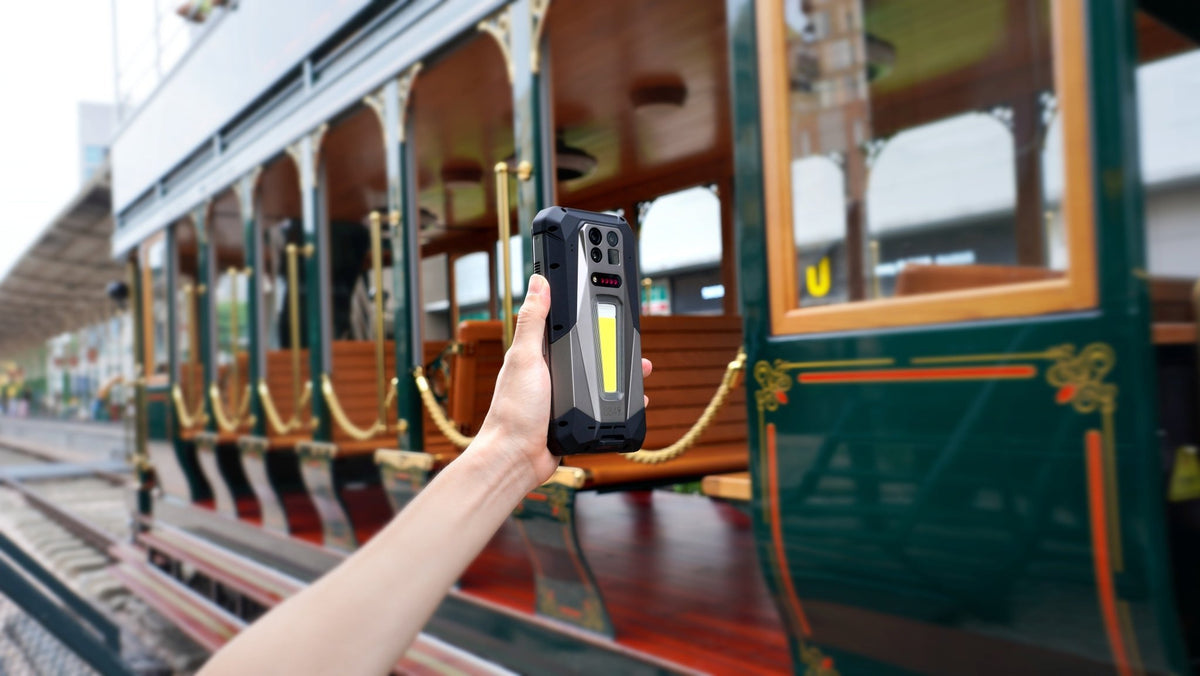
Many rugged phones include practical tools that become highly valuable in emergency situations. High-lumen flashlights can provide reliable lighting during blackouts, while features like SOS modes, compasses, or even thermal imaging (on advanced models) can assist in navigation and safety. These additions transform the phone from a communication device into a multifunctional survival tool.
Best Rugged Phones for Hurricane Season 2026
When selecting a rugged phone for hurricane preparedness, the goal is not just durability; it’s reliability under prolonged stress. The following devices stand out by combining extreme battery capacity, strong protection, and practical emergency features that make a real difference during outages and severe weather.
TANK X

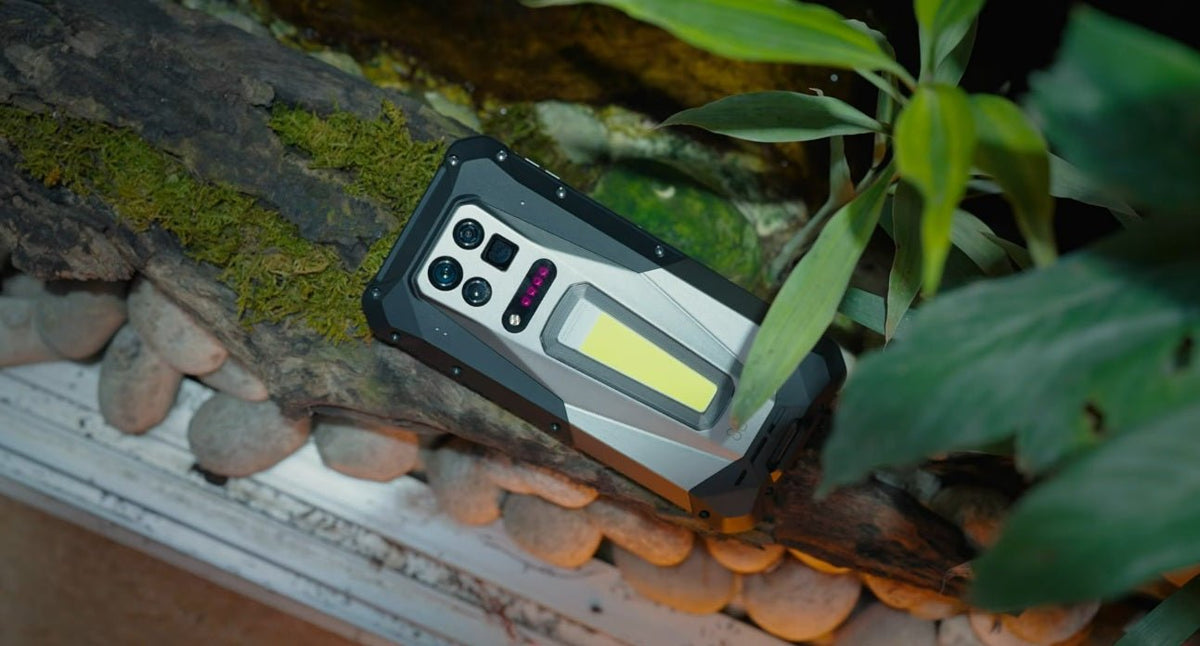
The TANK X is positioned as a premium all-in-one solution for extreme scenarios. It combines a rugged build with advanced features such as a built-in 1080p projector, making it useful not only for communication but also for sharing information during emergencies. With IP68/IP69K protection and a large battery, it is well-suited for extended outages and harsh weather conditions. This model is particularly valuable for users who want both resilience and versatility in a single device.
TANK 4 Pro

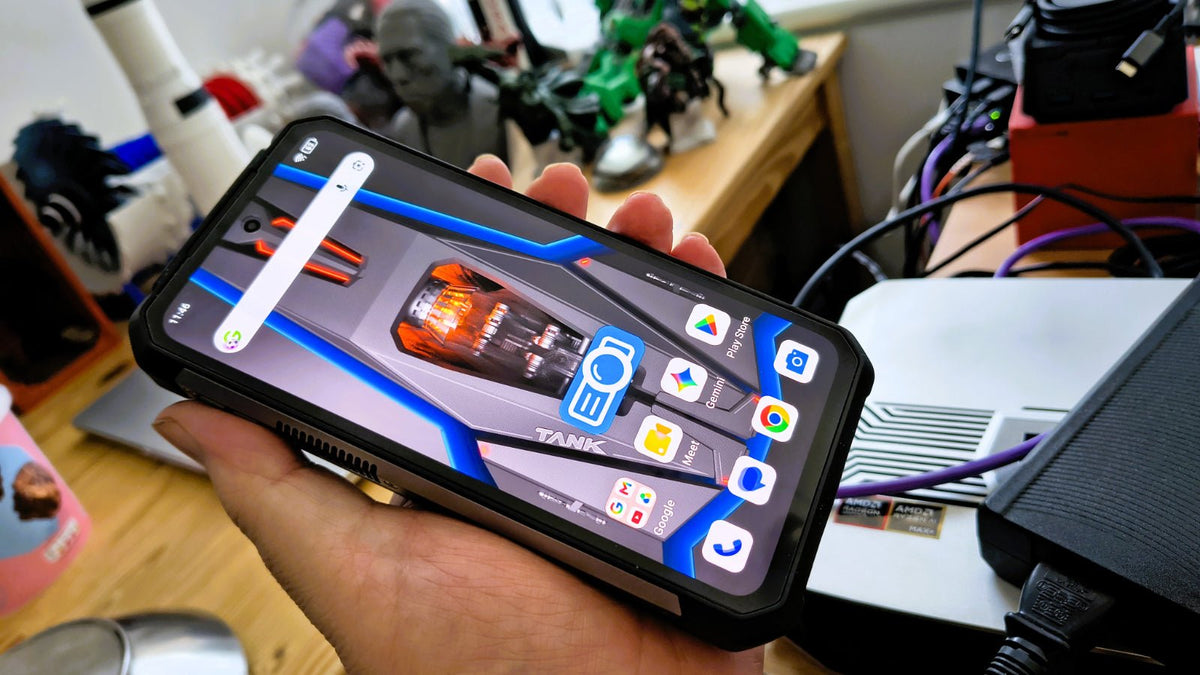
The TANK 4 Pro focuses on performance and display quality while maintaining rugged reliability. Equipped with a projector and a high-end AMOLED screen, it balances everyday usability with emergency readiness. Its hardware configuration supports smooth multitasking and stable connectivity, which can be critical when networks are unstable. This makes it a strong option for users who need a dependable device both during and outside hurricane season.
TANK 3 Pro

The TANK 3 Pro stands out for its exceptional battery capacity, reaching up to 23,800mAh, far beyond typical smartphones. This allows it to operate for days without charging, a critical advantage during prolonged power outages. In addition, features like 5G connectivity and a built-in projector enhance its practicality in both communication and emergency coordination. For users prioritizing maximum battery life and endurance, this model offers a clear advantage.
How to Prepare Your Rugged Phone Before a Hurricane Hits
Even the most capable rugged phone requires proper preparation to perform reliably during a hurricane. Taking a few simple steps in advance can significantly improve your ability to stay connected, informed, and safe when conditions deteriorate.
- Fully charge your device in advance and keep it topped up as the storm approaches
- Prepare a backup power plan, such as a power bank or solar charger
- Download offline maps in case GPS or network access becomes unstable
- Install essential emergency apps, including weather alerts and local authority updates
- Save important contacts offline, such as family members and emergency services
- Enable SOS or emergency features for quick access during critical situations
- Check waterproof seals and port covers to ensure full protection against water exposure
- Insert and test SIM cards (or dual SIM setup) to maximize network availability
- Reduce unnecessary background apps to conserve battery life
- Carry a durable charging cable and keep it stored in a dry, secure place
A well-prepared rugged phone is more than just a device; it becomes a dependable tool that supports communication, navigation, and emergency response when normal systems are no longer reliable.
Are Rugged Phones Worth It for Occasional Emergencies?
For users who only face extreme weather occasionally, a rugged phone may seem like a specialized investment. However, its value becomes clear when viewed through the lens of reliability rather than frequency of use. During a hurricane or severe storm, a phone is no longer just a daily communication tool. It becomes a critical device for accessing information, staying connected, and managing emergencies. In these moments, the limitations of standard smartphones, fragile construction, limited battery life, and low water resistance can quickly become serious drawbacks.
A rugged phone, on the other hand, is designed to perform under exactly these conditions. Even if it is not used to its full potential every day, it provides a level of preparedness that conventional devices cannot match. For people living in coastal regions, traveling frequently, or simply wanting a dependable backup during emergencies, the investment is often justified.
In contrast, relying solely on a standard smartphone or external accessories like power banks may reduce costs upfront, but it does not offer the same level of durability and long-term resilience when conditions become unpredictable.
Conclusion
Hurricane season brings uncertainty, and preparation is often the only factor you can fully control. From extended power outages to water exposure and unstable networks, these conditions quickly reveal the limitations of standard smartphones.
A rugged phone, with its durability, long battery life, and practical emergency features, offers a more reliable solution when it matters most. Whether you are preparing for the 2026 season or simply looking to strengthen your emergency readiness, choosing a dependable device, such as those from 8849, can make a meaningful difference in staying connected and safe.
FAQs
What makes a phone hurricane-proof?
No phone is completely “hurricane-proof,” but rugged phones are designed to handle the key risks associated with storms. Features like high-level waterproofing (IP68/IP69K), strong durability, and large battery capacity allow them to function reliably in heavy rain, flooding, and power outages.
Can rugged phones survive saltwater?
Rugged phones are generally resistant to fresh water, but saltwater is more corrosive and can damage components over time. If exposed to saltwater, it’s important to rinse the device with clean water and dry it properly as soon as possible.
How long can a rugged phone last without power?
This depends on battery size and usage, but many rugged phones can last 1-5 days on a single charge. Models with ultra-large batteries like TANK 3 Pro (23,800mAh) can extend usage even further, especially when used conservatively.
Do rugged phones have good signal during storms?
Signal strength primarily depends on network availability, not just the phone itself. However, rugged phones often support multiple bands and dual SIM functionality, which can improve your chances of staying connected when some networks are down.
Is a power bank enough instead of a rugged phone?
A power bank helps extend battery life, but it does not address other critical issues like water damage, physical durability, or reliability in extreme conditions. A rugged phone provides a more complete solution for emergency scenarios.
Deli:
What is the IP Rating for Phones?
Portable Mini Projector: Definition, Benefits & Uses