


Choosing between a 4G rugged phone and a 5G rugged phone is no longer just about network speed; it’s about how well your device performs in the environments you actually work in. For many users, rugged phones are not everyday gadgets. They are tools used on construction sites, in remote outdoor locations, during field inspections, or in demanding industrial settings. In these scenarios, factors like signal stability, battery life, and reliability often matter more than raw performance on paper.
At the same time, the rise of 5G has introduced new possibilities. Faster data speeds, lower latency, and improved connectivity can significantly enhance tasks like real-time video transmission, navigation, and cloud-based workflows. But these benefits don’t always translate equally across all environments, especially where coverage is limited. In this guide, we’ll break down the differences in a clear, real-world context, so you can choose the option that truly fits your needs.

What Is a 4G Rugged Phone?
A 4G rugged phone is a durable smartphone built to withstand harsh environments while operating on 4G LTE networks. It combines two essential qualities: reliable connectivity and physical toughness, making it a practical tool for demanding, real-world conditions.
From a network perspective, 4G (LTE) is a mature and widely deployed technology. It offers stable speeds that are more than sufficient for everyday tasks such as calls, messaging, GPS navigation, and moderate data use. More importantly, 4G networks typically provide broader and more consistent coverage, especially in rural areas, remote job sites, and off-grid locations where rugged phones are often used.
Another key advantage is efficiency. Because 4G technology is well-optimized, these rugged devices often deliver better power management, contributing to longer battery life. In essence, a 4G rugged phone prioritizes stability, coverage, and endurance over cutting-edge speed, making it a dependable choice for users who value consistency in challenging environments.
What Is a 5G Rugged Phone?
A 5G rugged phone is a durable device built for harsh environments, but powered by 5G network technology, which represents a significant upgrade over 4G in terms of performance. In measurable terms, 5G networks can typically deliver download speeds ranging from 100 Mbps to over 1 Gbps, while 4G networks usually operate between 10–100 Mbps under real-world conditions. This increase in bandwidth allows for faster data transmission and more efficient handling of large files.
Another key improvement is latency, which refers to network response time. 5G can reduce latency to as low as 1–10 milliseconds, compared to roughly 20–40 milliseconds on 4G. In addition, 5G networks are designed to support a much higher number of connected devices simultaneously, improving performance in dense or high-demand environments. Overall, a 5G rugged phone is positioned for users who require higher speed, lower delay, and greater network capacity in their daily operations.
4G vs 5G Rugged Phones: Key Differences
Before diving into specific aspects, it helps to look at a data-driven overview. While both 4G and 5G rugged phones are designed for reliability, their differences become clearer when comparing performance, coverage, and efficiency side by side. The table below summarizes the key distinctions to set the foundation for a more detailed breakdown.
| Aspect | 4G Rugged Phone | 5G Rugged Phone |
|---|---|---|
| Network Speed | 10–100 Mbps (stable for daily tasks) | 100 Mbps–1 Gbps+ (ideal for large data transfers) |
| Latency | 20–40 ms (sufficient for most applications) | 1–10 ms (faster response, near real-time interaction) |
| Coverage | Extensive and mature, strong in rural and remote areas | Expanding but uneven, strongest in urban/industrial regions |
| Battery Efficiency | Lower power consumption, optimized for long usage | Higher consumption, especially in weak signal conditions |
| Device Cost | More affordable, wider range of budget options | Higher cost, due to newer hardware and components |
| Network Stability | Highly stable, consistent performance across environments | Variable, depends on the infrastructure and signal strength |
| Future Readiness | May become limited over time as networks evolve | More future-proof, aligned with next-generation connectivity |
Network Speed
The most noticeable difference lies in speed. 5G networks can deliver significantly higher data rates—often reaching 100 Mbps to over 1 Gbps, while 4G typically operates between 10–100 Mbps in real-world conditions. This means 5G rugged phones are better suited for tasks that involve large data transfers. However, for standard communication, navigation, and moderate app usage, 4G speeds are already sufficient and reliable.
Latency
Latency refers to how quickly a network responds to a request. 5G reduces latency to around 1–10 milliseconds, compared to 20–40 milliseconds on 4G. This results in faster response times and smoother interactions. While this improvement is technically significant, its practical impact is most noticeable in real-time or data-sensitive tasks rather than everyday use.
Coverage
Despite the advantages of 5G, 4G still offers broader and more consistent coverage globally. In many rural, remote, or off-grid areas—where rugged phones are commonly used—4G networks remain the more dependable option. By contrast, 5G performance depends heavily on infrastructure, and coverage can vary significantly by region.
Battery Consumption
Power efficiency is a critical factor for rugged phone users. 4G technology is more mature and generally consumes less power, contributing to longer battery life. 5G, especially in areas with weaker signals, can increase power consumption as devices work harder to maintain connectivity. This makes battery performance an important consideration when choosing between the two.
Device Cost
4G rugged phones are typically more affordable, both in terms of initial purchase price and overall cost-efficiency. 5G rugged phones, equipped with newer hardware, tend to come at a higher price point. For users who do not require high-speed connectivity, 4G often provides better value.
Real-World Reliability
In demanding environments, reliability often matters more than peak performance. 4G networks, with their widespread deployment and stability, offer consistent connectivity in a wide range of conditions. While 5G excels in well-covered areas, its performance can fluctuate more depending on signal strength and location.
Performance in Real-World Rugged Scenarios
Remote Areas and Off-Grid Environments
In remote locations such as mountains, forests, or rural job sites, network coverage is the deciding factor. 4G rugged phones generally perform better in these conditions due to their wider availability and stronger signal penetration. Even where 5G exists, it may be inconsistent, making 4G the more dependable option for maintaining communication.
Urban and Industrial Environments
In cities, ports, and industrial zones with established infrastructure, 5G begins to show its advantages. Higher speeds and lower latency allow for faster data transfer and smoother connectivity, especially in environments where multiple devices are connected simultaneously. In these scenarios, 5G rugged phones can improve workflow efficiency.
Emergency and Mission-Critical Use
For emergency response or mission-critical operations, reliability often outweighs speed. A stable connection is essential for communication and coordination. While 5G offers performance benefits, 4G’s consistent availability makes it a safer choice in unpredictable conditions where network stability cannot be compromised.
Day-to-Day Field Work
For routine tasks such as navigation, reporting, calls, and moderate data usage, both 4G and 5G are capable. However, in many real-world situations, the difference in speed may not significantly impact productivity. As a result, 4G rugged phones remain a practical and efficient choice for most field operations.
Battery Performance for 4G vs 5G Rugged Phone
Battery performance is a critical consideration for rugged phone users, especially in environments where charging opportunities are limited. In general, 4G rugged phones are more power-efficient, as 4G technology is mature and optimized for stable, low-energy operation. This allows devices to deliver longer usage times, which is particularly valuable for extended fieldwork or outdoor activities.
By contrast, 5G rugged phones tend to consume more power, especially when operating in areas with weak or inconsistent 5G signals. In such cases, the device may continuously search for or switch between networks, increasing energy usage. While improvements in chip efficiency are ongoing, battery drain remains a practical consideration when evaluating 5G devices for real-world use.
Price and Value: Is 5G Worth the Extra Cost?
From a cost perspective, 4G rugged phones offer strong value for money. They are generally more affordable and provide all the essential capabilities needed for communication, navigation, and standard work tasks. For users who prioritize reliability, battery life, and broad network coverage, 4G devices often deliver a better return on investment without unnecessary cost.
On the other hand, 5G rugged phones come at a higher price point, reflecting their newer technology and enhanced performance capabilities. This added cost can be justified for users who operate in well-connected areas and rely on fast data transfer, real-time communication, or cloud-based workflows. In such scenarios, 5G is less about immediate necessity and more about long-term value and future readiness.
How to Choose Between 4G and 5G Rugged Phones
Choose a 4G Rugged Phone
If your work takes you to remote areas, rural regions, or off-grid environments, a 4G rugged phone is often the more practical choice. Its wider network coverage ensures you can stay connected even in challenging locations where 5G signals may be weak or unavailable. In addition, 4G devices typically offer better battery efficiency and lower cost, making them well-suited for long shifts and extended outdoor use. For many users, reliability and endurance outweigh the need for higher speeds.
Choose a 5G Rugged Phone
If you operate in urban, industrial, or well-connected environments, a 5G rugged phone can provide clear advantages. Faster speeds and lower latency improve efficiency when handling large files, cloud-based tools, or real-time communication. Beyond immediate performance, 5G also represents a long-term investment, as network infrastructure continues to expand. For users who rely on data-intensive workflows or want to stay ahead of evolving technology, 5G is the more forward-looking option.
Choosing a High Quality 5G or 4G Rugged Phone
To make the decision more concrete, it helps to look at real devices that represent both sides of the choice.
8849 SHARK 3 5G Rugged Phone

Image: 8849 Shark 3 5G Rugged Phone: A high-performance 5G rugged phone with Dimensity 8300 and AMOLED display for demanding tasks.
This model represents what a modern 5G rugged phone can offer. With a powerful chipset and fast connectivity, it is designed for users who need high-speed performance and smooth multitasking. It fits well in urban or industrial environments where 5G coverage is strong and workflows involve frequent data transfer.
👉Explore: 8849 Shark 3 5G Rugged Phone
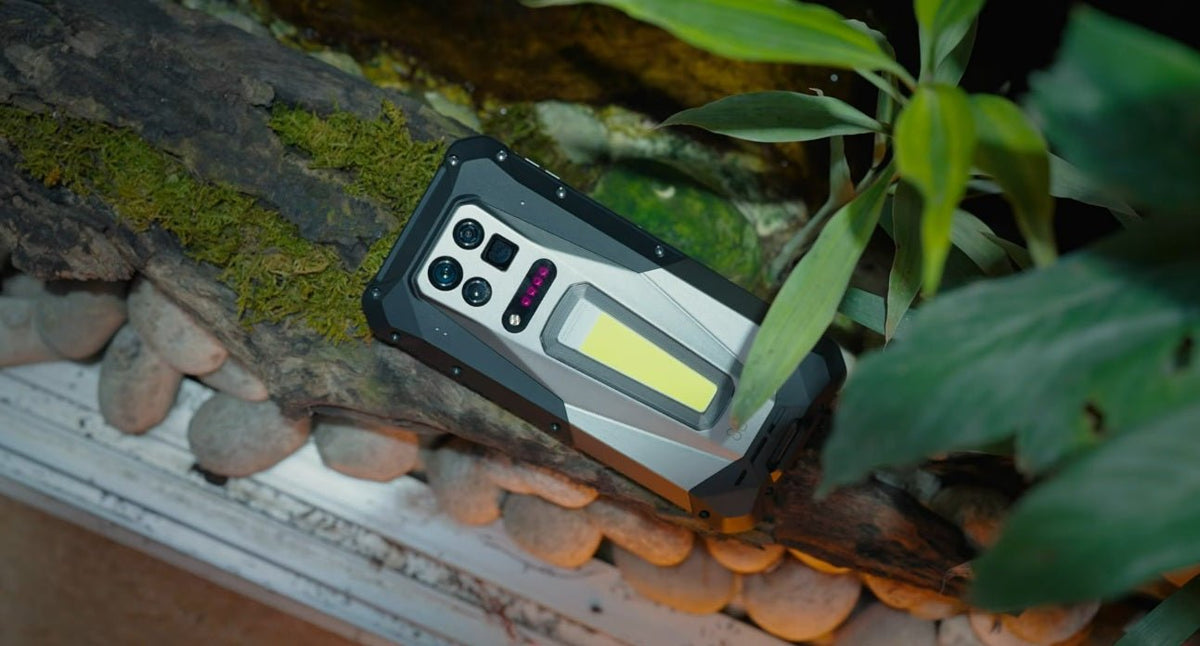
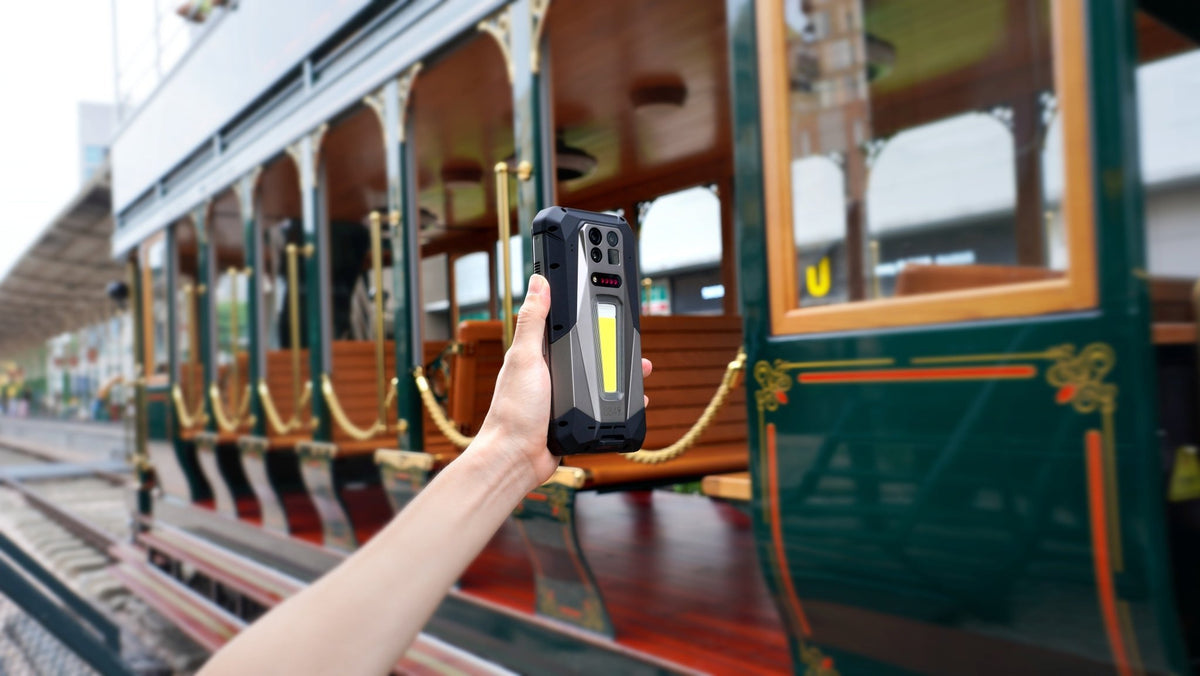
8849 HIKE 4G Rugged Phone

Image: 8849 HIKE 4G Rugged Phone: A practical 4G rugged phone featuring a 1200-lumen flashlight and strong outdoor usability.
8849 HIKE highlights the strengths of a 4G rugged phone. It focuses on practical outdoor functionality, including an extremely powerful flashlight and dependable connectivity. For users working in remote or low-signal environments, it delivers reliability where it matters most.
👉Explore: 8849 Hike 4G Rugged Phone
Conclusion
Choosing between a 4G rugged phone and a 5G rugged phone ultimately comes down to how and where you use your device. 4G remains the more dependable option for users who prioritize coverage, stability, and battery efficiency, especially in remote or unpredictable environments. In contrast, 5G offers clear advantages in speed, responsiveness, and future readiness, making it a strong choice for data-intensive tasks in well-connected areas. Rather than focusing solely on specifications, the best decision is to align your choice with your real-world usage scenarios.
FAQs
1. Do rugged phones support 5G?
Yes, many modern rugged phones now support 5G connectivity. However, not all models do; 4G rugged phones are still widely available and remain relevant due to their broader coverage and lower cost.
2. Is 5G useful in remote areas?
In most cases, 5G is less reliable in remote areas due to limited infrastructure. 4G networks are typically more established and provide better coverage in these environments, making them a more practical choice for off-grid use.
3. Does 5G drain battery faster than 4G?
Generally, yes. 5G can consume more power, especially in areas with weak signals where the device needs to work harder to maintain a connection. That said, improvements in hardware are gradually reducing this gap.
4. Will 4G be phased out soon?
4G is not expected to disappear in the near future. It will continue to operate alongside 5G for many years, particularly because of its extensive global infrastructure and importance in rural and industrial applications.
Deli:
8849 TANK X vs TANK 4 Pro: Full Comparison, Specs & How to Choose
How to Choose the Best Projector Phone?