

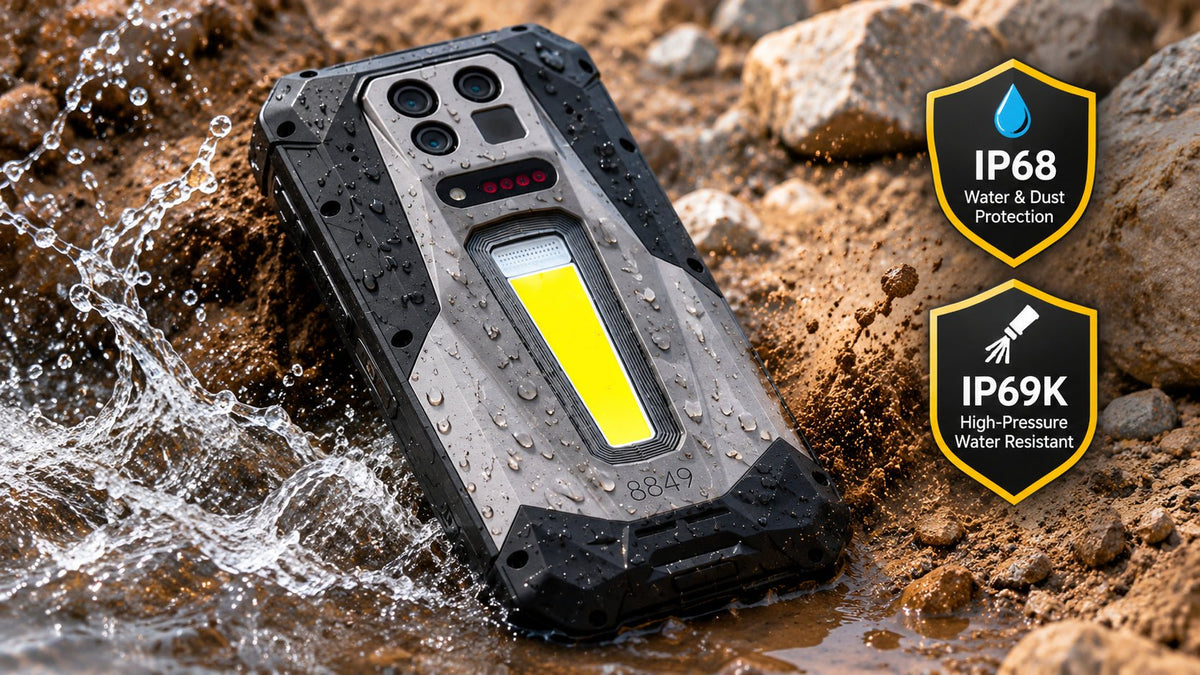
Most phone spec sheets stop at IP67 or IP68. Then a rugged phone shows up with IP69K, and it is not obvious whether that is a bigger number, a better rating, or just a bigger claim. The answer is more specific than any of those, and it matters if you plan to use a phone around mud, equipment, or water that does not stay politely still.
This guide explains what IP69K means, how the test works, how it differs from IP68, and what it does not promise. By the end, you will know whether an IP69K rating is worth looking for in your next phone.
IP68 vs IP69K: Key Differences
These two ratings often appear together, but they test different kinds of water exposure. This table shows how they differ.
| Rating | Dust protection | Water protection | What it simulates |
|---|---|---|---|
| IP67 | Dust-tight | Up to 1 meter for 30 minutes | Accidental shallow-water immersion |
| IP68 | Dust-tight | Continuous immersion under manufacturer-specified conditions | Longer or deeper immersion |
| IP69K | Dust-tight | High-pressure, high-temperature water jets | Close-range wash-down |
Neither rating cancels the other out. They answer different questions, which is why many rugged phones list both.
What Does IP69K Stand For?
IP stands for Ingress Protection, and the code describes how well a device keeps out solids and liquids. The first digit covers dust, and a 6 means fully dust-tight. The second digit covers water, and a 9 is the highest level on the scale, covering high-pressure, high-temperature water jets. The K suffix comes from ISO 20653, a standard originally developed for road-vehicle electrical equipment. It identifies special high-pressure water-jet testing requirements. IEC 60529 also includes an IPX9 water-jet test, but the two designations should not automatically be treated as identical.
How Does the IP69K Water Test Work?
The test sprays hot, high-pressure water at the device from close range and from several angles. Descriptions of the test commonly cite water around 80°C, pressure in the range of 80 to 100 bar, and a nozzle held about 10 to 15 centimeters away. The device is rotated so the jet hits it from different directions.
That is a very different stress from a dunk. Immersion tests check whether water can seep in under still pressure over time. A jet test checks whether seals, gaskets, and port covers hold when water is forced at them from the side, which is why the two ratings complement each other.
Is IP69K Better Than IP68?
Neither rating is universally better because they test different types of water exposure. IP68 focuses on continuous immersion, while IP69K focuses on high-pressure, high-temperature water jets. For a phone that may face both situations, having both ratings provides broader water-protection coverage than either rating alone.
Does IP69K Mean a Phone Is Waterproof?
No. Even an IP69K phone has limits that are easy to miss. Ratings describe laboratory conditions, usually with fresh water, so they do not cover saltwater, pool water, soap, or chemicals. Seals, gaskets, and port covers also wear over time, which means protection can decline with age, and a loose port cover can undo the whole rating.
The rating also says nothing about drops. Drop resistance depends on construction, the angle of impact, and the surface, which is why a case still matters. Many manufacturers exclude water damage from warranty coverage as well. In short, IP69K is a strong signal about seal quality, not a license to ignore care.
Who Actually Benefits From an IP69K Phone?
For most people, IP68 is plenty. IP69K earns its place where phones are exposed to forceful or hot water, or where cleaning is part of the job:
- Construction and groundwork crews, who rinse mud and concrete dust off tools and equipment
- Agriculture and outdoor workers, whose phones get caked in dirt and washed afterward
- Facility maintenance workers, who encounter frequent water splashes and equipment-cleaning activities.
- Vehicle and equipment operators, who clean machinery with pressure washers nearby
Someone who mainly uses a phone in an office, a car, or around the house is unlikely to see a practical benefit and may be better off with a standard phone and a good case.
How to Clean a Rugged Phone Safely
A high rating is not an invitation to blast the phone with a pressure washer. A gentler routine is better for the seals:
- Close every port cover and make sure it sits fully flat.
- Rinse the phone with a gentle stream of fresh water, not a high-pressure jet at close range.
- Use a soft cloth or brush to remove mud and grit from seams and speaker grilles.
- Dry the phone and all ports before charging.
- Check port covers regularly for wear and replace them if they loosen.
What to Check Before Buying an IP69K Phone
Follow these steps before trusting the label:
- Confirm that the rating lists both IP68 and IP69K, not just a single digit.
- Read the manufacturer’s stated test conditions, including immersion depth and duration.
- Look for disclaimers about saltwater, chemicals, and wear.
- Check what is included in the box, such as a case and screen protector.
- Plan to pair the rating with a case for drops, since IP69K does not cover impact.
An Example of a Rugged Phone With an IP69K Rating
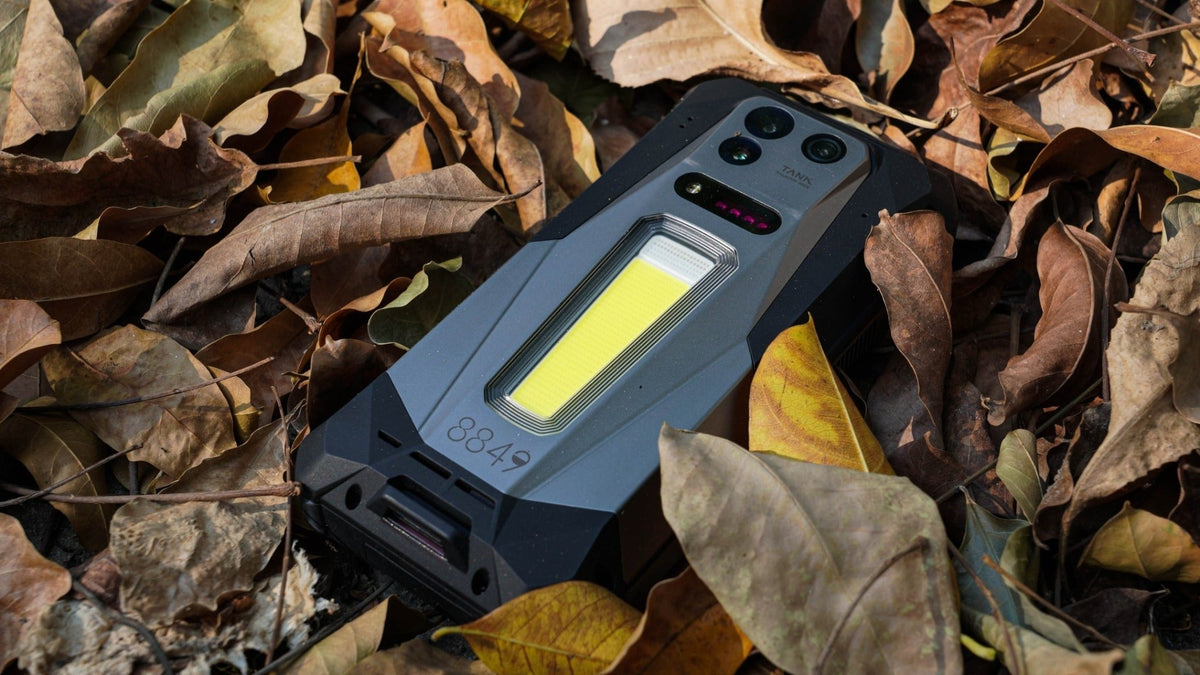
IP69K is relatively uncommon in conventional consumer phones and more common in rugged models designed for demanding environments. The 8849 Tank 5 Pro carries an IP68/IP69K rating. According to 8849, its immersion testing was conducted under controlled laboratory conditions in static fresh water, up to 1.8 meters deep for a maximum of 30 minutes. These details describe its immersion protection; buyers who need specific IP69K water-jet test conditions should request the manufacturer’s supporting test documentation.
8849 is also clear about the limits: water, dust, and drop resistance are not permanent, drop performance varies with angle and surface, and saltwater, pool water, and chlorinated liquids are not covered. The phone ships with a case and a screen protector, which supports the advice above.
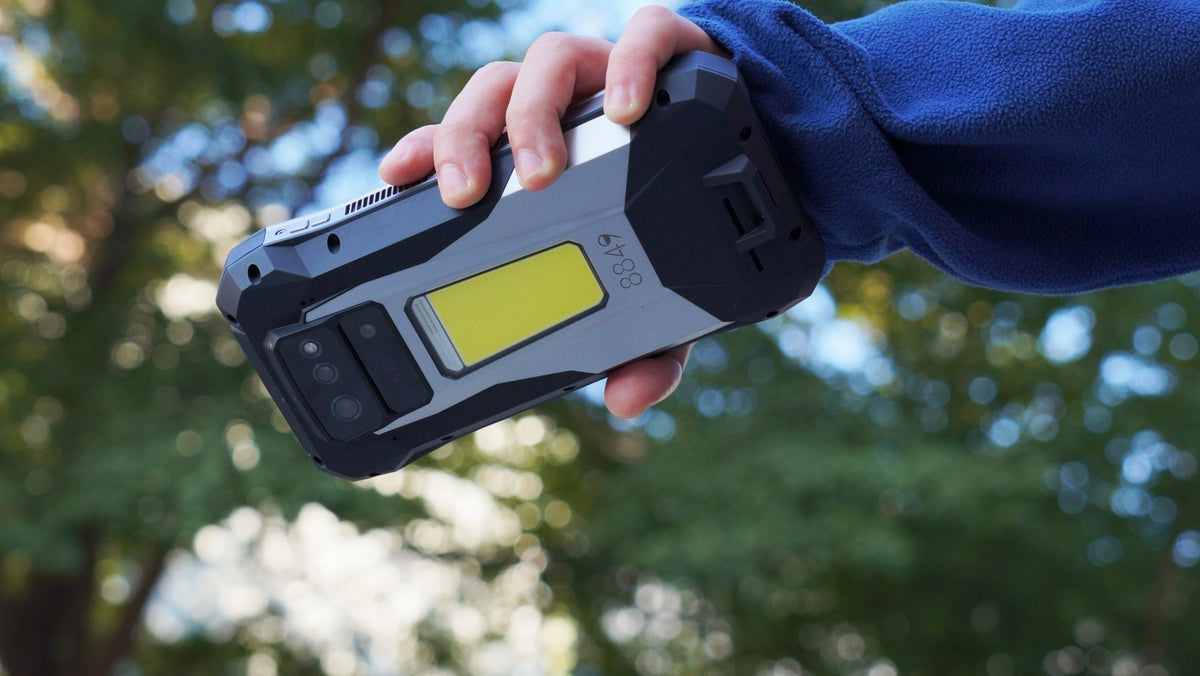
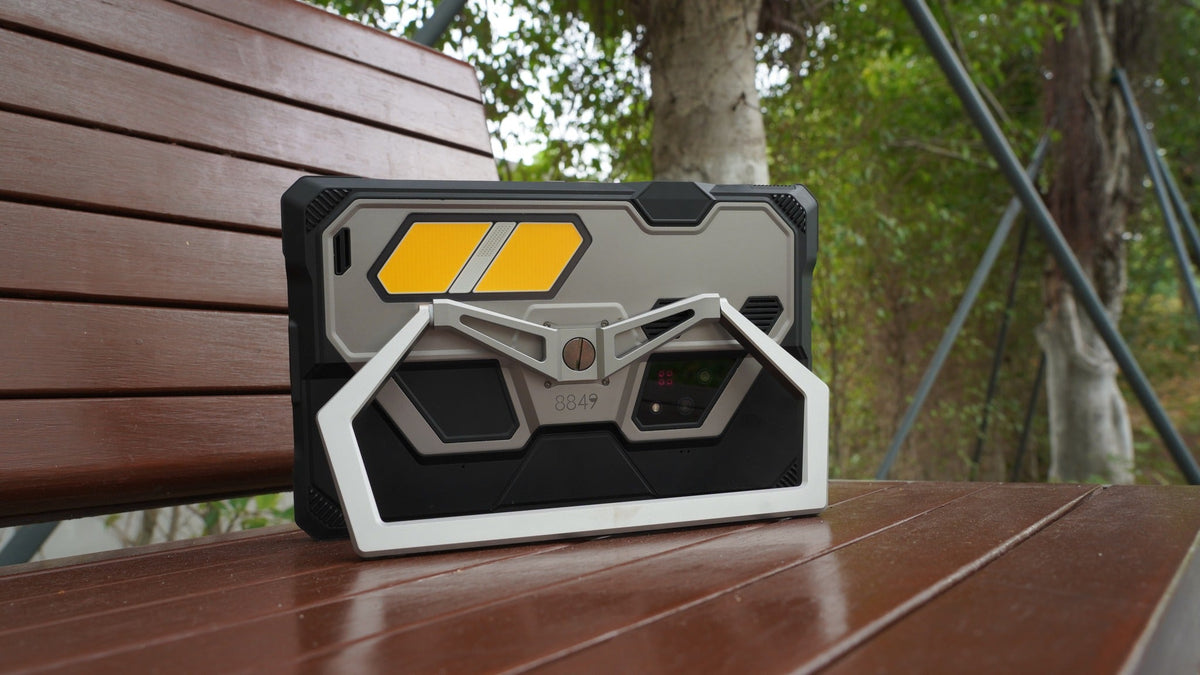
The rating comes with trade-offs worth knowing. At 715g, the Tank 5 Pro is a heavy-duty phone. Its thermal camera, projector, and 17,600mAh battery are what justify the extra size for people who work around water and dust.
Conclusion
IP69K means a phone has been tested against high-pressure, high-temperature water jets from close range, which is a different test from the immersion behind IP68. It is a strong sign of well-built seals, but it does not make a phone waterproof forever, drop-proof, or immune to saltwater and chemicals.
For most buyers, IP68 is enough. If your work involves mud, wash-down, or equipment cleaning, an IP68/IP69K phone is worth the extra weight, as long as you read the stated test conditions and keep up with seal care. A rating is a starting point, not a guarantee.
Share:
Is 256GB Enough for a Phone?