

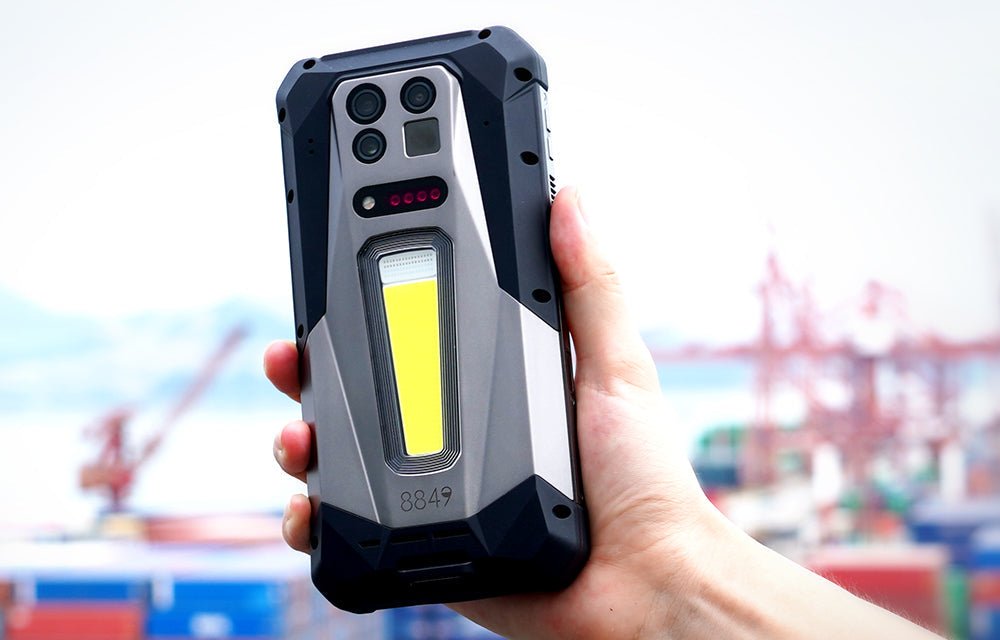
Vastupidavad telefonid on aastaid konkureerinud vastupidavuse ja aku kestvuse nimel. 8849 Tank 5 Pro konkureerib millegi muu poolest: 95° ülilai termopildikaamera, mille keskmes on FLIR® Lepton 3.1R sensor tundlikkusega kuni 0,05 °C, ning selline tipptasemel riistvara ja sisseehitatud 2K-projektor, mida vastupidavad telefonid harva lisavad.
See kombinatsioon asetab Tank 5 Pro kummalisse olukorda: osaliselt diagnostikaseade, osaliselt meelelahutusseade ja osaliselt igapäevane tipptelefon. Vaatame, kuidas see tegelikult vastu peab.
Vastupidav disain ja koostekvaliteet

Mõõtmetega 177,1 × 87 × 33,8 mm ja kaaluga 715 grammi ei kao Tank 5 Pro taskusse märkamatult. See on kompromiss 17 600 mAh aku, täismahus DLP-projektori ja nüüd ka eraldiseisva termilise sensori mahutamise eest tavalise kaamerasüsteemi kõrvale. Suurem paksus käib selle kategooriaga kaasas ning tõenäoliselt on kõik, kes sellist seadet ostavad, juba leppinud suuruse ohverdamisega võimaluste nimel.
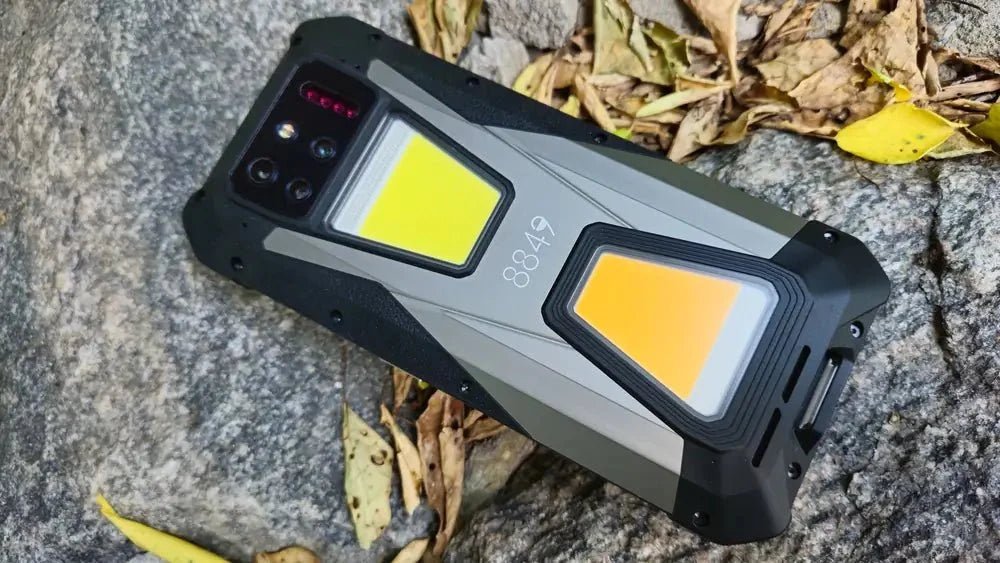
Koostekvaliteet mõjub pigem soliidse kui pelgalt praktilisena. Kaamerakorpus, küljel asuv sõrmejäljeandur ja kaks programmeeritavat PTT-klahvi on paigutatud läbimõeldult ning telefonil on IP68- ja IP69K-sertifikaat, mis tähendab, et see on kaitstud nii tolmu sissetungimise kui ka kõrgsurvevee eest, mitte ainult kerge pritsme eest.
Tank 5 Pro AMOLED-ekraan
Tank 5 Pro kasutab sama 6,73-tollist AMOLED-paneeli nagu tavaline Tank 5: eraldusvõime 1440×3200, värskendussagedus 120 Hz ja maksimaalne heledus kuni 3000 niti. Praktikas on see heleduspiir olulisem kui eraldusvõime suurendamine. Termopildi või projitseeritud kujutise lugemisel õues otsese päikesevalguse käes jäävad paljud telefonid hätta, kuid see ekraan peab raskusteta vastu.
Peamine omadus: 95° ülilai termopilt

See on põhjus, miks Pro-mudel olemas on, ja see täidab oma eesmärgi. Enamik soojuskaameraga telefone kasutab kitsast, ligikaudu 50–57° vaatevälja, mis sobib hästi ühele objektile suunamiseks, kuid on suurema ala skannimisel tüütu. Tank 5 Pro 95° vaateväli hõlmab ühe kaadriga peaaegu kaks korda suurema ala, nii et elektrikilpi, seina või maastikulõiku saab hinnata ühe pilguga, selle asemel et see võte võtte haaval kokku panna.
Andur ise on 160×120 eraldusvõimega FLIR Lepton 3.1R, mis tähendab rohkem kui 19 000 eraldi mõõdetud temperatuuripunkti kaadri kohta, mitte ligikaudset keskmist. Tundlikkus on alla 50 mK (alla 0,05 °C), mis on piisav silmale nähtamatute väikeste temperatuurierinevuste tuvastamiseks, ning see töötab kahes võimendusrežiimis: –10 °C kuni 140 °C igapäevasteks kontrolltöödeks ja –10 °C kuni 400 °C kõrgema temperatuuriga tööstus- või autotööstuse rakendusteks. FLIR-i MSX- ja Vivid-IR-töötlus lisab termopildile nähtava valguse servadetailid, muutes tulemused hõlpsamini tõlgendatavaks kui töötlemata termopildi.
Praktikas muudab see kombinatsioon Tank 5 Pro tõeliselt kasulikuks elektrikutele, kes kontrollivad elektrikilbis kuumenenud ühendust, koduinspektoritele, kes otsivad kipsplaadi tagant niiskusmustrit, või kõigile, kes püüavad leida soojusleket, rikkis komponenti või pimedas kehasoojuse jälge. See on märksa erinevam tööriist kui telefon, millele on lihtsalt reklaamitrikina külge monteeritud soojuskaamera.
2K-projektor on endiselt oluline omadus

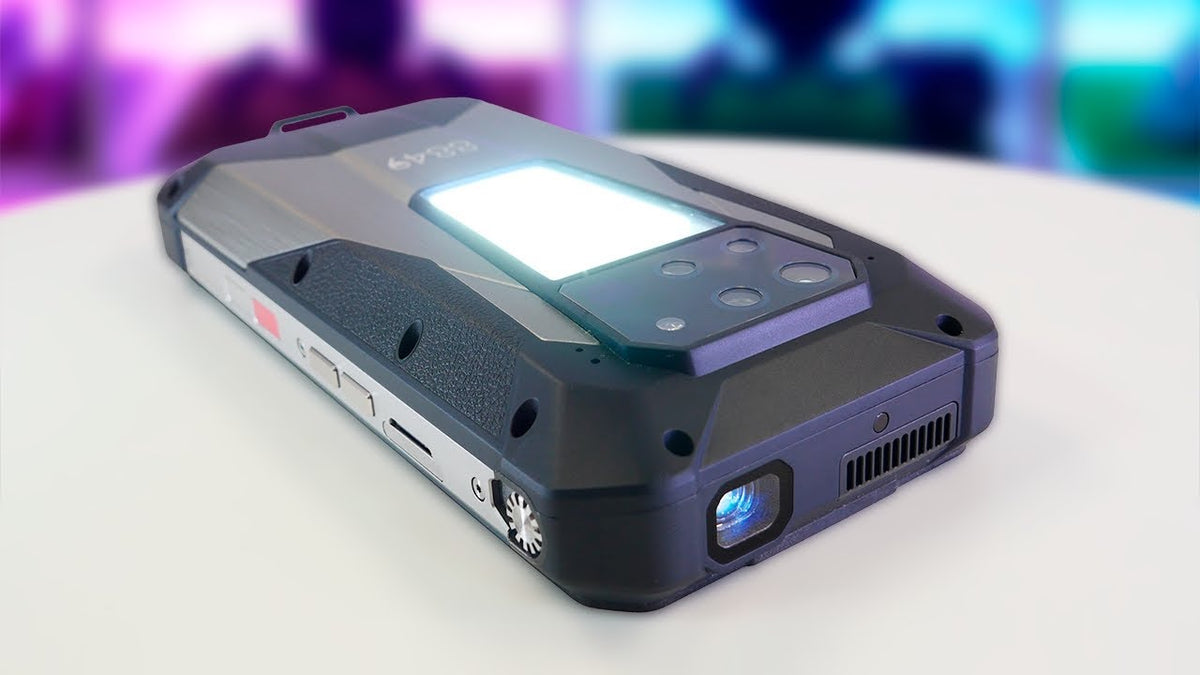
Soojuskaamera võiks ülejäänud telefoni kergesti varju jätta, kuid Tank 5 standardvarustusse kuuluv 2K DLP-projektor on muutusteta alles: eraldusvõime 2048×1080, heledus 220 luumenit, laseri autofookus 0,5–4,0 meetri ulatuses ja ±45° trapetsmoonutuse korrigeerimine. Projektsiooniaeg kestab tavarežiimis kuni 5 tundi ja öörežiimis 6 tundi. See on endiselt üks teravamaid telefonipõhiseid projektoreid turul ning sama lasermoodul, mis juhib autofookust, toimib ka 4-meetrise kaugusmõõtja ja taskulambina – omadused, mis võivad termopildistamisega võrreldes kergesti tähelepanuta jääda.
Tank 5 Pro jõudlus ja igapäevane kasutus
Tank 5 Pro kasutab sama MediaTek Dimensity 9400e kiipi nagu tavaline Tank 5 — 4 nm lipulaevakiipi, mis saavutab AnTuTu testis üle 2,3 miljoni punkti, edestades paljusid tänapäevaseid Androidi tipptelefone, mitte konkureerides vaid teiste vastupidavate seadmetega. Koos 18 GB RAM-i ja 512 GB salvestusruumiga (laiendatav kuni 2 TB-ni) ei tundu igapäevane jõudlus vastupidavuse nimel tehtud kompromissina. Rakendused avanevad kiiresti, rööprähklemine sujub ning telefon saab mängimise või videotöötlusega pingutuseta hakkama.
Ühenduvus hõlmab 5G-d, Wi-Fi 7-t, Bluetooth 6.0-t, NFC-d ja kahesageduslikku GPS-i võrkudes GPS, GLONASS, Galileo ja BeiDou, samuti eSIM-i tuge reisijatele, kes peavad operaatorit vahetama ilma füüsilist SIM-kaarti ümber tõstmata.
Tank 5 Pro aku kestvus ja laadimine
17 600 mAh aku on üks suuremaid tänapäeva nutitelefonide seas, olgu telefon vastupidav või mitte, ning just see muudab heleda projektori ja termokaamera kasutamise aku kestvuse pärast muretsemata praktiliseks. 120 W kiirlaadimine täidab tühja aku umbes 90 minutiga ning 25 W pöördlaadimine võimaldab laadida välitingimustes väiksemaid tarvikuid. Kõigile, kes kasutavad termokaamerat ja projektorit regulaarselt, annab see suur akumaht taustal olulise varu.
Tank 5 Pro kaamera jõudlus
Lisaks termosensorile on Tank 5 Pro-l Samsungi S5KGN1SP sensoril põhinev 50 MP põhikaamera, autofookuse ja kuni 20-kordse suumiga 50 MP teleobjektiiv ning 32 MP esikaamera. Eraldi 50 MP öövaatluse kaamera, mis ei ole termomooduliga seotud, kasutab täielikus pimeduses pildistamiseks nelja 940 nm infrapunavalgusdioodi kuni 15 meetri kaugusele. See on kasulik metsloomade vaatlemisel või pärast pimedat tehtaval välitööl, kui sul pole vaja termopilti, vaid lihtsalt nähtavat kujutist pimeduses.
Tank 5 Pro vs Tank 5: mis on erinevus?
Mõlemal telefonil on peaaegu identne riistvara, välja arvatud üks lisandus.
| Funktsioon | Tank 5 | Tank 5 Pro |
|---|---|---|
| Termokaamera | Ei kuulu komplekti | FLIR Lepton 3.1R, 95° vaateväli, tundlikkus 0,05 °C |
| Protsessor | Dimensity 9400e | Dimensity 9400e |
| Projektor | 2K DLP, 220 luumenit | 2K DLP, 220 luumenit |
| Ekraan | 6,73-tolline 3K AMOLED | 6,73-tolline 3K AMOLED |
| Aku | 17 600 mAh, 120 W | 17 600 mAh, 120 W |
| Kaamerad | 50 MP põhikaamera, 50 MP telekaamera, 50 MP öövaatluse kaamera, 32 MP esikaamera | Sama kaamerasüsteem, lisaks termokaamera |
| Vastupidavus | IP68 / IP69K | IP68 / IP69K |
| Hind | $999.99 | 1199,00 $ |
200 dollari eest rohkem lisab Pro võimaluse, mida standardsel Tank 5-l lihtsalt ei ole. Kui sa termopildistamist ei kasutaks, ei anna lisakulu midagi, sest kõik muud tehnilised näitajad on identsed. Kui aga kasutaksid, pole sellel platvormil praegu muud võimalust seda saada.
Kes peaks Tank 5 Pro-d kaaluma?
Selle ostuotsuse peaks määrama termokaamera, mitte ülejäänud tehniliste andmete loend, sest kõik muu on saadaval odavamal standardmudelil Tank 5.
- Elektrikud ja HVAC-tehnikud, kes peavad tavapärase töö käigus kontrollima paneele, juhtmestikku ja seadmeid ebatavaliste kuumakohtade suhtes
- Kodu- ja ehitusinspektorid, kes kontrollivad isolatsioonivahesid, õhulekkeid või niiskuse tungimist ilma eraldi termoseadmeid kaasas kandmata
- Otsingu- ja päästevabatahtlikud või õues liikujad, kes peavad halva nähtavuse korral tuvastama soojussignaale või kiiresti suuremat ala skannima
- Välitööde insenerid ja tehnikud, kes soovivad niigi vastupidavat telefoni ning kasutaksid kohapeal päriselt diagnostikakaamerat
- Autotehnikud, kes otsivad mootoriruumist ülekuumenevaid komponente või jahutussüsteemi probleeme
Kui ükski neist põhjustest sinu puhul ei kehti ning soovid peamiselt projektorit, akut ja vastupidavat konstruktsiooni, pakub standardne Tank 5 sama kasutuskogemust 200 dollari võrra odavamalt. Pro on spetsialisti täiendus, mitte universaalne valik.
Lõplik otsus: kas 8849 Tank 5 Pro tasub osta?
Tank 5 Pro ei leiuta uuesti seda, mis tegi Tank 5-st hea telefoni; see lisab ühe funktsiooni, mis muudab seda, kellele telefon tegelikult mõeldud on. Välitööde spetsialistidel, elektrikutel, koduinspektoritel ja kõigil, kes peavad leidma soojusallika, lekke või rikke ilma eraldi termokaamerat kaasas kandmata, on nüüd tõeline põhjus valida Pro standardmudeli asemel. Kõigile teistele, kes soovivad projektorit, akut ja vastupidavat konstruktsiooni, kuid ei taha maksta anduri eest, mida nad ei kasuta, sobib baasmudel Tank 5 endiselt suurepäraselt.
👉Tutvu 8849 Tank 5 Pro-iga siin
👉Tutvu 8849 Tank 5-iga siin
Igal juhul on see üks võimekamaid vastupidavaid telefone, mille 8849 on välja andnud, ja esimene, mis käsitleb termopildistamist tõelise tööriistana, mitte lihtsalt uudse kaamerarežiimina.

Jaga:
Soojuskuvamine vs. öönägemine: mis on nende erinevus?
Kuidas projektoriga telefon töötab?