

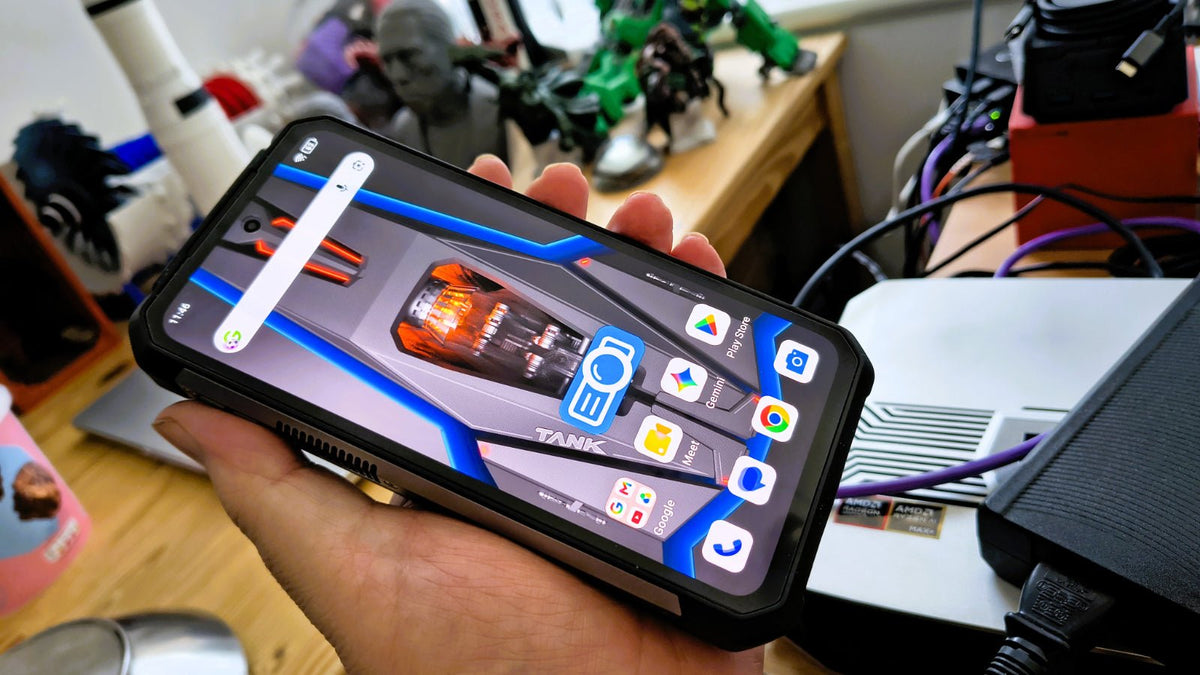
Your phone may look like one small computer, but many smaller systems are working inside it to handle specific tasks. These are often called embedded systems, and they help control functions such as sensors, cameras, power management, and wireless communication.
You may not notice them during everyday use, but embedded systems are an important part of how a modern smartphone works. So, what exactly is an embedded system, and what does it do inside your phone?
What Is an Embedded System?
An embedded system is a combination of hardware and software designed to perform a specific function within a larger device. Unlike a computer that can run many different kinds of programs, an embedded system usually has a more focused job.
For smartphones, three characteristics are especially important:
- Dedicated function — It is built to handle a particular task, such as monitoring battery power, reading a sensor, or processing camera data.
- Hardware and software together — The physical components and the software controlling them work as one system to perform that task.
- Fast and reliable operation — It is designed to respond to its assigned task consistently, often without requiring the user to interact with it directly.
This does not mean an embedded system is always a separate chip or a small computer that you can physically identify inside the phone. Modern smartphones combine many functions into a small amount of hardware, and some dedicated systems are built directly into larger chips. What matters is that a specific part of the phone is designed to handle a specific job.
Where Are Embedded Systems Used in a Phone?
Embedded systems are involved in many of the functions you use every day, even though you rarely interact with them directly. In a smartphone, they are commonly used to manage or support specific hardware functions rather than general tasks such as browsing the web or running an app.
Cameras and Image Processing
When you take a photo, several processes happen beyond simply capturing light with the camera sensor. Dedicated hardware and software can help control the camera, process the captured image, and handle tasks such as autofocus and image enhancement. These specialized systems allow camera functions to work efficiently without putting every task on the phone's main processor.
Sensors
Your phone contains sensors that detect things such as movement, orientation, light, and proximity. Dedicated sensor hardware and low-power processing can collect and interpret this information, allowing the phone to respond when you rotate the screen, move the device, or bring it close to your face during a call. These functions can continue operating without requiring the main processor to handle every sensor reading itself.
Battery and Power Management
Power management is another important area for embedded systems. A phone needs to monitor its battery, charging process, temperature, and power delivery to keep the device operating safely and efficiently. Dedicated power-management hardware can handle these tasks continuously while the phone is running, charging, or even largely inactive.
Cellular and Wireless Communication
Phones also rely on specialized systems to handle communication with cellular networks and other wireless technologies. These systems manage tasks such as sending and receiving radio signals and processing communication data. Because wireless communication has its own timing and technical requirements, it is handled by dedicated hardware and software rather than being treated like an ordinary app running on the phone.
Fingerprint and Other Hardware Controls
Features such as fingerprint sensors, touch input, and other hardware controls also depend on specialized processing. For example, a fingerprint system needs to capture information from the sensor and determine whether it matches an enrolled fingerprint before the phone grants access. Handling these focused tasks through dedicated hardware and embedded software can provide a more efficient and responsive experience.
Together, these examples show why a smartphone is more than a single processor running an operating system. Different specialized systems work alongside the phone's main computing hardware, each handling particular jobs that help the device function as a whole.
How Does an Embedded System Work Inside a Smartphone?
An embedded system works by combining dedicated hardware with software designed for a particular job. The hardware collects information or controls a specific function, while the software tells it how to respond. It can then send information to other parts of the phone or receive instructions from them. In this way, different specialized systems can handle their own tasks while the phone's main processor focuses on running the operating system, apps, and other general computing work.
For example, when you rotate your phone, the motion sensors detect a change in orientation and provide that information to the phone's system. Specialized sensor processing can handle this information with very little power, and the main system can then use it to rotate the screen. You do not need to manually activate this process—the different parts communicate automatically in the background.
Embedded Systems vs. Your Phone's Main Processor
It is easy to think of the phone's main processor as the part responsible for everything the device does. In reality, it works together with many specialized systems. The main processor handles general computing tasks, while embedded systems are designed to handle more specific functions.
| Feature | Embedded Systems | Phone's Main Processor (SoC) |
|---|---|---|
| Main purpose | Handles a specific function or a small group of related functions | Handles many different computing tasks |
| Typical tasks | Monitoring sensors, managing power, controlling specialized hardware | Running apps, the operating system, games, and other general tasks |
| Flexibility | Usually more specialized and limited to its intended function | Highly flexible and can run many types of software |
| Power use | Can perform focused tasks with relatively low power | Designed to handle demanding and varied workloads |
| User interaction | Often works in the background without direct user interaction | Directly supports most of the functions users interact with |
The two are not competitors, though. They work together to make the phone function efficiently. Also, modern smartphones do not always have a separate physical chip for every embedded function. Some specialized processing is integrated into the phone's larger chips, including the main SoC. In other words, an embedded system is best understood by what it is designed to do, not simply by whether it is a separate piece of hardware.
Why Do Phones Need Embedded Systems?
Embedded systems allow a phone to handle many specialized tasks without relying on its main processor for every operation. This can make the device more efficient, responsive, and reliable in everyday use.
- They can reduce unnecessary power consumption.
- They can respond quickly to specific tasks.
- They can keep important functions running in the background.
- They can reduce the workload on the main processor.
- They can provide reliable control of specialized hardware.
- They can help different phone functions work independently.
Together, these advantages allow a smartphone to handle many things at once while keeping its main computing resources available for more demanding tasks.
Do Rugged Phones Use Embedded Systems Differently?

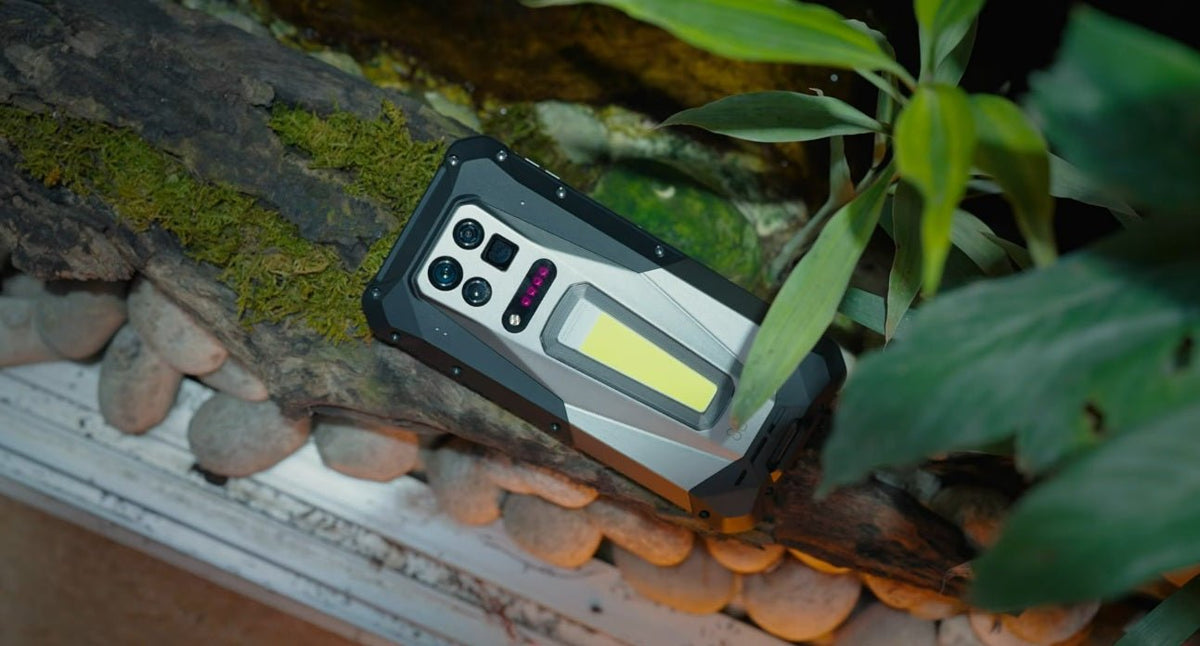
Image: 8849 Tank 5 Pro Rugged Phone
Rugged phones use embedded systems for many of the same reasons as regular smartphones, but they may also have more specialized hardware to control. Features such as thermal imaging, night vision, environmental sensors, and high-powered lights can rely on dedicated processing and embedded software to collect information, control hardware, or process data. This allows these functions to work alongside the phone's main computing system without requiring it to handle every detail on its own.
A built-in projector works in a similar way. The projector itself is a specialized hardware system that needs to receive image data, control the projection hardware, and manage its operation. It may rely on embedded controllers or dedicated processing as part of that process, while the phone's main processor handles the apps and content being projected. So, rugged phones do not necessarily use a completely different type of embedded system; they simply may have more specialized functions for the hardware they are designed to support.
Conclusion
Embedded systems are a hidden but important part of modern smartphones. They handle many specialized functions in the background, working alongside the phone's main processor to keep everything running efficiently. This is also relevant to rugged phones such as 8849 devices, where specialized features can require additional hardware and dedicated processing to support functions such as thermal imaging, night vision, and projection.
FAQ
Are embedded systems in C or C++?
Both C and C++ are widely used in embedded systems, but they are not the only programming languages used. C is particularly common because it provides low-level control and can run efficiently on resource-constrained hardware. C++ is also widely used when developers need features such as object-oriented programming. The choice depends on the hardware, software requirements, and development environment.
Is embedded systems an IT job?
Embedded systems can be considered part of the broader technology industry, but embedded development is usually closer to computer engineering, electrical engineering, and software engineering than traditional IT support. Embedded engineers may work with hardware, firmware, programming, debugging, and communication between physical components and software.
Which is better, VLSI or embedded?
Neither is universally better because they focus on different areas. VLSI is more focused on designing and developing integrated circuits, while embedded systems focus on building software and hardware systems that perform specific functions in devices. The better choice depends on whether you are more interested in chip design and semiconductor technology or in programming and developing systems that interact with hardware.

Share:
What is a 5G Standalone Network: A Complete Guide
Choosing the 4 Best Rugged Devices in 2026