

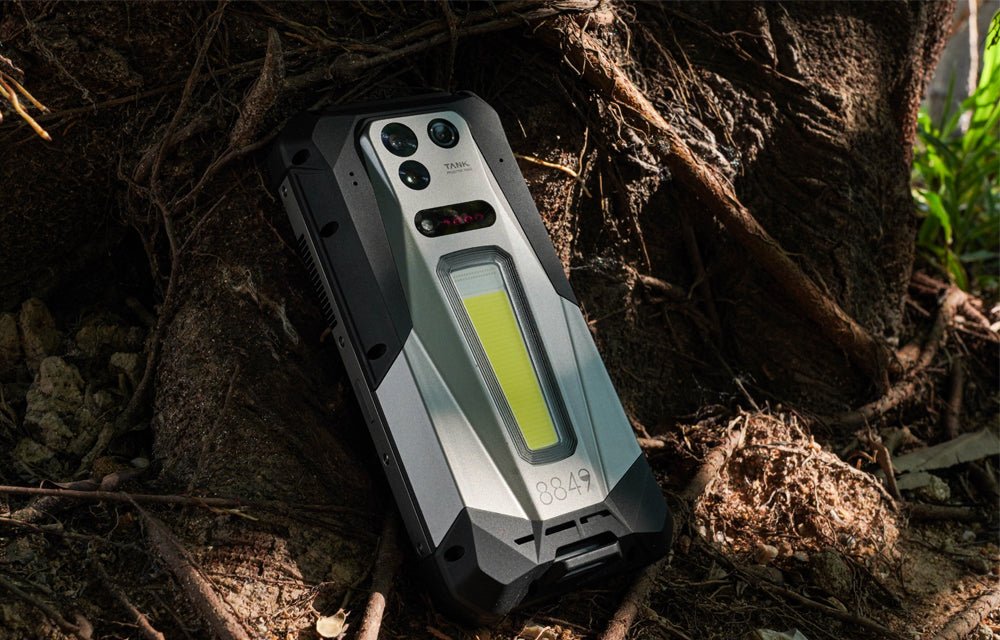
Matkapuhelinteknologian kehittyessä yhä useammat älypuhelimet tarjoavat eSIM-tuen perinteisten fyysisten SIM-korttien rinnalla. Vaikka molemmat vaihtoehdot palvelevat samaa tarkoitusta – laitteen yhdistämistä matkapuhelinverkkoon – ne eroavat asennustavassa, hallinnassa ja käytössä.
Tässä oppaassa vertailemme eSIM- ja fyysisiä SIM-kortteja, tutkimme niiden etuja ja rajoituksia sekä autamme sinua päättämään, kumpi vaihtoehto sopii parhaiten tarpeisiisi.
Mikä on eSIM?
eSIM, eli upotettu SIM, on digitaalinen versio perinteisestä SIM-kortista, joka löytyy monista nykyaikaisista älypuhelimista, tableteista, älykelloista ja muista yhdistetyistä laitteista. Fyysisen muovikortin asettamisen sijaan eSIM on rakennettu suoraan laitteiston sisään ja operaattori voi ohjelmoida sen etänä. Kun se on aktivoitu, se toimii samalla tavalla kuin fyysinen SIM, mahdollistaen laitteen yhdistämisen matkapuhelinverkkoon puheluita, tekstiviestejä ja mobiilidataa varten.

Kuva: SIM-kortin eri kokoja
Yksi eSIM-teknologian suurimmista eduista on kätevyys. Käyttäjät voivat aktivoida matkapuhelinliittymän skannaamalla QR-koodin, käyttämällä operaattorin sovellusta tai seuraamalla yksinkertaista asennusprosessia ilman, että heidän tarvitsee odottaa fyysisen kortin saapumista. Monet laitteet sallivat myös useiden eSIM-profiilien tallentamisen, mikä helpottaa operaattorin vaihtamista, henkilökohtaisten ja työpuhelinnumeroiden hallintaa tai paikallisten dataliittymien käyttöä kansainvälisillä matkoilla.
Mikä on fyysinen SIM?
Fyysinen SIM (Subscriber Identity Module) on pieni irrotettava kortti, joka tallentaa tiedot laitteen tunnistamiseksi matkapuhelinverkossa. Se on ollut standardimenetelmä puhelinten yhdistämiseen matkapuhelinverkkoihin vuosikymmenten ajan, ja operaattorit sekä laitteet ympäri maailmaa tukevat sitä laajasti.
Matkapuhelinliittymän aktivoimiseksi käyttäjät yksinkertaisesti asettavat SIM-kortin laitteen SIM-korttipaikkaan. Vaikka fyysiset SIM-kortit ovat luotettavia ja yhteensopivia kaikkialla, operaattorin tai puhelinnumeron vaihtaminen vaatii usein kortin manuaalista poistamista ja vaihtamista.
Keskeiset erot eSIMin ja fyysisen SIM-kortin välillä
Vaikka sekä eSIMit että fyysiset SIM-kortit yhdistävät laitteesi matkapuhelinverkkoon, ne eroavat useilla tärkeillä tavoilla. Aktivoinnista ja laiteyhteensopivuudesta turvallisuuteen ja matkailun kätevyyteen, jokainen vaihtoehto tarjoaa ainutlaatuisia etuja riippuen siitä, miten käytät puhelintasi. Alla oleva taulukko tarjoaa nopean yleiskatsauksen keskeisistä eroista ennen kuin tarkastelemme kutakin tekijää tarkemmin.
| Ominaisuus | eSIM | Fyysinen SIM |
|---|---|---|
| Asennus | Sisäänrakennettu laitteeseen ja aktivoidaan digitaalisesti | Vaatii irrotettavan SIM-kortin asettamisen |
| Aktivointiprosessi | Tyypillisesti aktivoidaan QR-koodin, operaattorisovelluksen tai verkkopohjaisen asennuksen kautta | Aktivoidaan asettamalla operaattorin toimittama SIM-kortti |
| Operaattorin vaihto | Usein voidaan tehdä etänä ilman laitteiston vaihtoa | Yleensä vaatii SIM-kortin vaihtamisen |
| Matkailun kätevyys | Helppo lisätä paikallisia tai kansainvälisiä liittymiä digitaalisesti | Voi vaatia SIM-korttien ostamista ja vaihtamista |
| Useat profiilit | Voidaan tallentaa useita operaattoriprofiileja tuetuissa laitteissa | Rajoittuu fyysisten SIM-paikkojen määrään |
| Laitteiden yhteensopivuus | Tuettu pääasiassa uusissa älypuhelimissa ja laitteissa | Tuettu lähes kaikissa matkapuhelimissa |
| Turvallisuus | Vaikeampi poistaa, jos laite katoaa tai varastetaan | Voidaan poistaa ja siirtää toiseen laitteeseen |
| Vahingoittumisen tai katoamisen riski | Ei voi vahingoittua fyysisesti tai kadota | Voi kadota, vahingoittua tai asettua väärin |
| Asennusnopeus | Usein valmis minuuteissa verkossa | Voi vaatia odottamista SIM-kortin toimitukseen tai ostamiseen |
| Kustannukset | Yleensä sisältyy operaattorin aktivointiin; fyysistä korttia ei tarvita | Jotkut operaattorit voivat veloittaa korvaavista SIM-korteista |
| Puhelimen vaihto | Vaatii eSIM-profiilin siirtämisen tai uudelleenaktivoinnin | Siirrä SIM-kortti vain toiseen yhteensopivaan puhelimeen |
| Verkon suorituskyky | Verkon suorituskyky samanlainen kuin fyysisellä SIMillä | Verkon suorituskyky samanlainen kuin eSIMillä |
Kuten taulukko osoittaa, kumpikaan vaihtoehto ei ole yleisesti parempi kuin toinen. eSIMit erottuvat kätevyydellään, joustavuudellaan ja matkailuystävällisillä ominaisuuksillaan, kun taas fyysiset SIM-kortit ovat edelleen erittäin yhteensopivia, helposti siirrettävissä laitteiden välillä ja useimmille käyttäjille tuttuja. Paras valinta riippuu lopulta laitteestasi, operaattorin tuesta ja henkilökohtaisista mieltymyksistäsi.
Asennus ja aktivointi
Yksi suurimmista eroista eSIM- ja fyysisen SIM-teknologian välillä on niiden aktivointitapa.
Fyysinen SIM vaatii käyttäjiä asettamaan SIM-kortin laitteeseensa, kun taas eSIM voidaan tyypillisesti aktivoida digitaalisesti QR-koodin, operaattorisovelluksen tai verkkopohjaisen asennusprosessin kautta.
Tämä tekee eSIM-aktivoinnista monille käyttäjille kätevämpää, erityisesti operaattorin vaihdon tai uuden laitteen käyttöönoton yhteydessä. Tarkka aktivointiprosessi voi kuitenkin vaihdella operaattorin ja laitteen mukaan.
Joustavuus ja mukavuus
eSIM tarjoaa enemmän joustavuutta, koska käyttäjät voivat tallentaa useita operaattoriprofiileja yhdelle laitteelle ja vaihtaa niiden välillä ilman SIM-kortin vaihtoa. Tämä on erityisen hyödyllistä usein matkustaville, etätyöntekijöille ja henkilöille, joilla on erilliset henkilökohtaiset ja työpuhelinnumerot.
Fyysiset SIM-kortit ovat käteviä käyttäjille, jotka siirtävät mobiilipalveluaan usein laitteesta toiseen, sillä kortin voi yksinkertaisesti poistaa ja asettaa toiseen yhteensopivaan puhelimeen.
Laitteiden yhteensopivuus
Fyysisillä SIM-korteilla on lähes universaali yhteensopivuus, sillä lähes kaikki matkapuhelimet ja operaattorit maailmassa tukevat niitä. eSIM-tuki, vaikka yleistyykin, on yleensä rajoitettu uudempiin älypuhelimiin, tabletteihin, älykelloihin ja valikoituihin kestäviin puhelimiin. Ennen eSIM:n valitsemista on tärkeää varmistaa, että sekä laitteesi että matkapuhelinoperaattorisi tukevat tätä teknologiaa.
Turvallisuus ja luotettavuus
Koska eSIM on upotettu suoraan laitteeseen, sitä ei voi fyysisesti poistaa, jos puhelin katoaa tai varastetaan, mikä voi tarjota lisäturvaa. Fyysiset SIM-kortit sen sijaan voidaan poistaa ja siirtää toiseen laitteeseen, mikä tekee niistä alttiimpia luvattomalle käytölle, jos asianmukaisia turvatoimia ei ole. Verkon suorituskyvyn ja luotettavuuden osalta sekä eSIM että fyysiset SIM-kortit tarjoavat samanlaisen yhteyden, kun niitä käytetään samalla operaattoriverkolla.
eSIM:n ja fyysisen SIM-kortin edut ja haitat
Sekä eSIM:illä että fyysisillä SIM-korteilla on omat vahvuutensa ja rajoituksensa. Vaikka eSIM-teknologia tarjoaa enemmän joustavuutta ja mukavuutta nykyaikaisille älypuhelinten käyttäjille, fyysiset SIM-kortit tarjoavat edelleen laajan yhteensopivuuden ja tutun käyttökokemuksen. Kunkin vaihtoehdon etujen ja haittojen ymmärtäminen auttaa sinua valitsemaan tarpeisiisi parhaiten sopivan ratkaisun.
| Ominaisuus | eSIM | Fyysinen SIM |
|---|---|---|
| Plussat | • Nopea digitaalinen aktivointi ilman kortin asettamista • Helppo vaihtaa operaattoria tuetuilla verkoilla • Voi tallentaa useita operaattoriprofiileja yhdelle laitteelle • Ihanteellinen kansainväliseen matkustamiseen ja väliaikaisiin datapaketteihin • Ei voi kadota tai vahingoittua fyysisesti |
• Yhteensopiva lähes kaikkien puhelinten ja operaattoreiden kanssa • Helppo siirtyä yhteensopivien laitteiden välillä • Ei tarvitse tukeutua operaattorikohtaiseen eSIM-tukeen • Useimmille käyttäjille tuttu asennusprosessi • Kätevä käyttäjille, jotka vaihtavat puhelimia usein |
| Haitat | • Kaikki laitteet tai operaattorit eivät tue sitä • eSIM:n siirtäminen uuteen puhelimeen voi vaatia lisäasetuksia • Jotkut käyttäjät saattavat kokea digitaalisen aktivoinnin vähemmän suoraviivaisena |
• Voi kadota, vahingoittua tai asentua väärin • Operaattorin vaihtaminen vaatii usein uuden SIM-kortin hankkimisen • Vähemmän kätevä useiden suunnitelmien tai matkadatapakettien hallintaan |
eSIM:t sopivat yleensä paremmin käyttäjille, jotka arvostavat mukavuutta, joustavuutta ja matkustajaystävällisiä ominaisuuksia, kun taas fyysiset SIM-kortit ovat käytännöllinen valinta niille, jotka priorisoivat yhteensopivuutta, yksinkertaisuutta ja helppoa laitteiden vaihtoa.
Kumpi sinun tulisi valita?
Oikea valinta riippuu siitä, miten käytät puhelintasi, matkustustottumuksistasi sekä siitä, tukeeko laitteesi ja operaattorisi eSIM-teknologiaa. Molemmat vaihtoehdot tarjoavat luotettavan mobiiliyhteyden, mutta tietyt käyttäjät voivat hyötyä enemmän toisesta ratkaisusta.
Paras valinta matkustajille
eSIM on usein parempi valinta usein matkustaville, koska se mahdollistaa paikallisten tai kansainvälisten datapakettien aktivoinnin ilman fyysisten SIM-korttien ostamista ja vaihtamista. Tämä helpottaa yhteydenpitoa maasta toiseen siirryttäessä ja välttää useiden SIM-korttien kantamisen vaivan.
Paras valinta yrityskäyttäjille
Yrityskäyttäjät, jotka hallinnoivat erillisiä työ- ja henkilökohtaisia numeroita, voivat hyötyä erityisesti eSIM-teknologiasta. Monet eSIM-yhteensopivat laitteet voivat tallentaa useita profiileja, mikä helpottaa suunnitelmien vaihtamista ja eri numeroiden järjestämistä yhdellä puhelimella.
Paras valinta tavallisille käyttäjille
Useimmille tavallisille älypuhelinten käyttäjille kumpikin vaihtoehto toimii hyvin. Jos laitteesi tukee eSIM:iä ja operaattorisi tarjoaa helpon aktivoinnin, lisämukavuus voi olla sen arvoista. Fyysinen SIM-kortti on kuitenkin edelleen luotettava ja tuttu valinta, jota tuetaan laajasti.
Paras valinta kestävien puhelinten käyttäjille
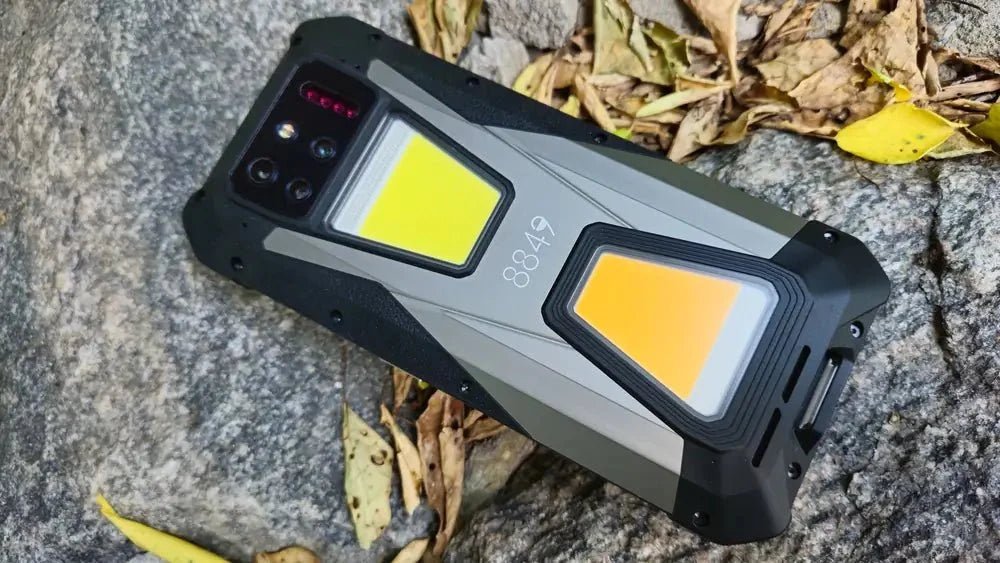
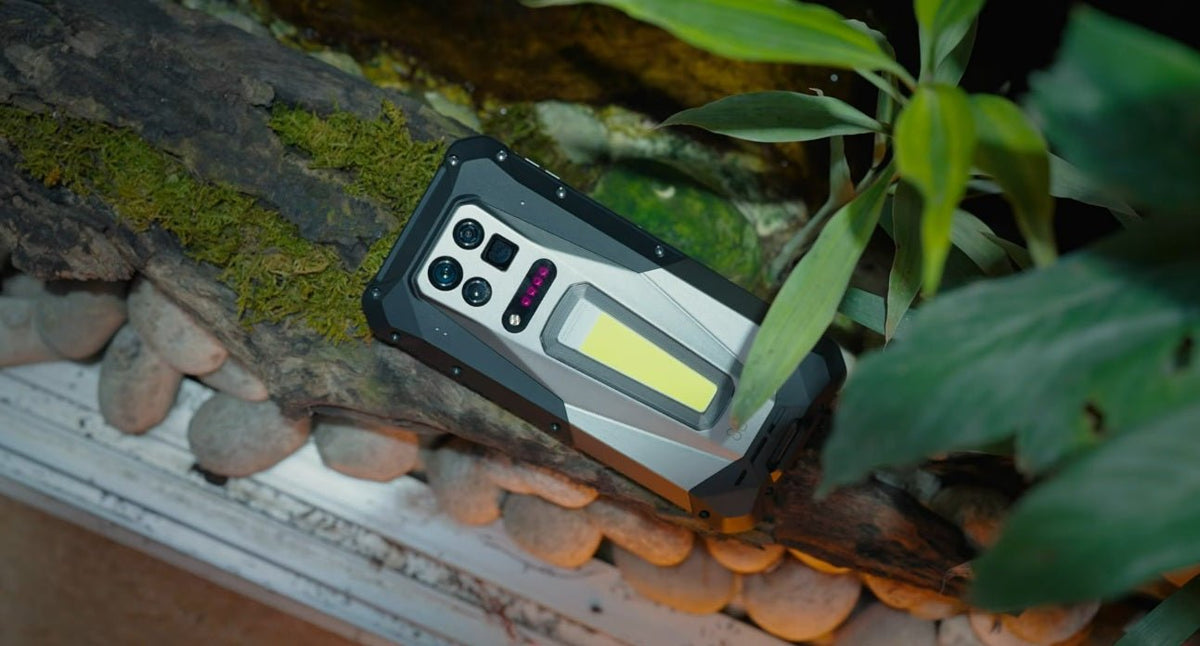
Kestävien puhelinten käyttäjät arvostavat usein luotettavuutta, joustavuutta ja yhteydenpitoa työskennellessään ulkona tai matkustaessaan syrjäisiin paikkoihin. Laitteet kuten 8849 Tank 5, jotka tukevat sekä eSIM- että fyysisiä SIM-kortteja, tarjoavat molempien maailmojen parhaat puolet, jolloin käyttäjät voivat hyödyntää digitaalista aktivointia säilyttäen samalla perinteisen SIM-kortin joustavuuden tarvittaessa.
8849 Tank 5: Kaksikorttinen kestävä puhelin 2K-projektorilla

Jos etsit kestävää älypuhelinta, joka yhdistää eSIM-teknologian joustavuuden perinteisen SIM-kortin luotettavuuteen, 8849 Tank 5 on harkitsemisen arvoinen. Se on suunniteltu matkailijoille, ulkoilmaihmisille ja ammattilaisille, jotka tarvitsevat luotettavaa yhteyttä, ja tukee eSIM-toiminnallisuutta tarjoten samalla kestävyyden, jota odotetaan kestävältä laitteelta.
Yhteysvaihtoehtojensa lisäksi Tank 5 sisältää suuren akun pitkään käyttöön, sisäänrakennetun 2K-projektorin viihdettä ja esityksiä varten sekä kestävän suojan vaativiin ympäristöihin. Käyttäjille, jotka haluavat eSIMin mukavuuden tinkimättä kestävän puhelimen monipuolisuudesta, se tarjoaa käytännöllisen tasapainon modernien ominaisuuksien ja kestävyyden välillä.
Yhteenveto
Sekä eSIMit että fyysiset SIM-kortit tarjoavat luotettavia tapoja yhdistää laitteesi mobiiliverkkoon, mutta ne eroavat mukavuudessa, joustavuudessa ja yhteensopivuudessa. eSIM-teknologia tarjoaa modernin, matkailijaystävällisen kokemuksen digitaalisen aktivoinnin ja useiden profiilien tuen avulla, kun taas fyysiset SIM-kortit ovat edelleen laajalti yhteensopivia ja helppoja siirtää laitteiden välillä. Paras valinta riippuu laitteestasi, operaattorin tuesta ja siitä, miten aiot käyttää puhelintasi.
Usein kysytyt kysymykset
Onko eSIM parempi kuin fyysinen SIM?
Kumpikaan vaihtoehto ei ole yleisesti parempi. eSIMit tarjoavat enemmän mukavuutta, helpomman operaattorin vaihdon ja tuen useille profiileille, mikä tekee niistä ihanteellisia matkailijoille ja käyttäjille, joilla on useita puhelinliittymiä. Fyysiset SIM-kortit puolestaan tarjoavat laajemman yhteensopivuuden ja ne voi nopeasti siirtää laitteesta toiseen ilman lisäasetuksia.
Onko eSIMillä parempi signaali kuin fyysisellä SIMillä?
Ei. eSIMit ja fyysiset SIM-kortit käyttävät samoja operaattoriverkkoja, joten signaalin vahvuus, puhelun laatu ja datan suorituskyky ovat yleensä samat, kun yhteys on samaan verkkoon. Verkon peittoalue ja operaattorin laatu vaikuttavat suorituskykyyn paljon enemmän kuin käytettävän SIM-kortin tyyppi.
Voinko muuntaa fyysisen SIM-korttini eSIMiksi?
Monissa tapauksissa kyllä. Monet mobiiliverkon operaattorit sallivat asiakkaiden siirtää olemassa olevan puhelinnumeron fyysisestä SIM-kortista eSIMiin sovelluksensa, verkkosivustonsa tai asiakaspalvelunsa kautta. Saatavuus kuitenkin riippuu operaattoristasi, alueestasi ja siitä, tukeeko laitteesi eSIM-teknologiaa.
Jaa:
Mikä on eSIM-kortti: Täydellinen opas
AMOLED vs IPS -näyttö: Mikä on ero?