

Smartphones have become an essential part of modern life, supporting everything from communication and navigation to entertainment and productivity. As technology evolves, different types of smartphones are designed to meet different needs. Some prioritize sleek design and high-end features, while others focus on durability and reliability in challenging environments.
This is where the distinction between rugged phones and regular smartphones becomes increasingly relevant. Whether you work in demanding outdoor conditions, travel frequently, or simply want a device that can withstand everyday accidents, understanding these differences can help you make a more informed choice.
In this article, we will break down the key differences between rugged phones and smartphones, compare their features, and help you decide which type best fits your needs.
Rugged Phone vs Smartphone Overview
When comparing rugged phones and regular smartphones, the key difference is not whether one is “smarter” than the other; both are smartphones, but how they are designed and what they are optimized for. Rugged phones focus on durability, reliability, and long-term use in harsh environments, while regular smartphones prioritize design, performance, and everyday convenience. The table below highlights the main differences at a glance:
| Feature | Rugged Phone | Regular Smartphone |
|---|---|---|
| Durability | High (drop-proof, shock-resistant, reinforced) | Low to moderate (requires case for protection) |
| Water & Dust Resistance | Strong (often IP68/IP69K rated) | Moderate (usually IP67/IP68) |
| Design | Thick, rugged, industrial look | Slim, sleek, premium design |
| Battery Life | Very long (6000mAh–20000mAh common), up to 23800 mAh | Medium (3000mAh–5000mAh typical) |
| Performance | Moderate to high (optimized for stability) | High (latest processors, smoother UI) |
| Camera | Functional, sometimes specialized | Advanced (high-end photography features) |
| Weight | Heavy | Lightweight |
| Price Range | Mid-range to premium | Wide range (budget to flagship) |
| Typical Users | Outdoor workers, engineers, adventurers | General consumers, professionals |
This comparison provides a general overview, but the real differences become clearer when we look deeper into how each type of device is designed and used in everyday scenarios.
What Is a Rugged Phone?
A rugged phone is essentially a type of smartphone that is specifically engineered to operate reliably in harsh or unpredictable environments. Unlike mainstream devices that emphasize slimness and aesthetics, rugged phones are built with reinforced materials, sealed components, and structural protections that allow them to withstand drops, water exposure, dust, and extreme temperatures.

In practical terms, this means features such as shock-absorbing frames, higher ingress protection (IP) ratings, and significantly larger batteries. Many rugged phones are also designed with functional additions, such as built-in projectors, glove-friendly screens, or even thermal imaging, making them especially useful in industries like construction, logistics, and outdoor fieldwork.
Rather than replacing the concept of a smartphone, rugged phones represent a more specialized branch of it. They still run the same operating systems, support the same apps, and perform the same core functions, but with a stronger emphasis on reliability over refinement.
What Is a Regular Smartphone?
A regular smartphone refers to the mainstream devices most people use daily, such as those from Apple, Samsung, or Xiaomi. These phones are designed to deliver a balanced experience centered around performance, design, and user convenience.

Compared to rugged phones, regular smartphones typically focus more on slim profiles, high-resolution displays, advanced camera systems, and seamless integration with digital ecosystems. They are optimized for everyday environments - offices, homes, and urban settings - where extreme durability is less critical.
However, the distinction is not absolute. Many modern smartphones include some level of water and dust resistance, and with protective cases, they can handle occasional drops or exposure. The key difference lies in design priorities: while regular smartphones aim to maximize user experience and aesthetics, rugged phones are purpose-built to ensure consistent performance in conditions where standard devices might fail.
Seen together, rugged phones and regular smartphones are not fundamentally different categories, but rather different approaches to solving the same problem, delivering mobile technology tailored to specific user needs and environments.
Key Differences Between Rugged Phones and Smartphones
While both rugged phones and regular smartphones share the same core functions, their differences become much clearer when we look at specific design priorities and real-world usage scenarios. These distinctions are not about which one is better overall, but how each is optimized for different needs.
Durability vs Aesthetics
Rugged phones are built to survive harsh conditions, featuring reinforced corners, thick casings, and shock-resistant structures. In contrast, regular smartphones prioritize slim profiles, lightweight materials, and premium finishes such as glass and metal. This makes them more visually appealing and comfortable to carry, but also more vulnerable to drops and impacts without additional protection.
Battery Life vs Portability
One of the most noticeable differences is battery capacity. Rugged phones often include significantly larger batteries, designed to last multiple days or support extended outdoor use. However, this comes at the cost of increased size and weight. Regular smartphones, on the other hand, aim for a balance between battery life and portability, resulting in thinner devices that are easier to handle but may require daily charging.
Reliability vs Performance Optimization
Rugged phones are typically optimized for stability and consistent performance in demanding environments, such as extreme temperatures or dusty conditions. Regular smartphones focus more on peak performance, often featuring the latest processors and smoother user experiences for gaming, multitasking, and media consumption. In everyday conditions, they may feel faster and more responsive.
Specialized Features vs Mainstream Features
Many rugged phones include specialized tools like programmable buttons, night vision, thermal imaging, or enhanced GPS capabilities. These features are designed for specific professional or outdoor use cases. Regular smartphones, by contrast, prioritize features that appeal to a broader audience, such as advanced camera systems, high-refresh-rate displays, and seamless integration with apps and ecosystems.
Weight and Handling
Due to their reinforced build and larger batteries, rugged phones are generally heavier and bulkier. This can make one-handed use less convenient over long periods. Regular smartphones are designed for comfort and ease of use, with lighter bodies and ergonomic shapes that better suit daily handling and prolonged use.
Usage Environment
Ultimately, the biggest difference lies in where and how the device is used. Rugged phones are designed for unpredictable, high-risk environments—construction sites, outdoor adventures, or industrial settings—where durability is essential. Regular smartphones are optimized for controlled, everyday environments, where design, performance, and user experience take priority.
Pros and Cons of Rugged Phones vs Regular Smartphones
After understanding their key differences, it becomes easier to evaluate the practical advantages and limitations of each type. Rather than viewing one as superior, it is more useful to consider how their strengths and weaknesses align with different usage scenarios. The table below summarizes the main pros and cons of rugged phones and regular smartphones:
| Category | Rugged Phones | Regular Smartphones |
|---|---|---|
| Pros | Extremely durable and drop-resistant | Sleek, modern, and lightweight design |
| Long battery life for extended use | High performance with latest processors | |
| Reliable in harsh environments | Advanced cameras and display quality | |
| Often includes specialized features | Strong app ecosystem and user experience | |
| Lower risk of damage over time | Comfortable for daily use | |
| Cons | Bulkier and heavier to carry | More fragile without protection |
| Less refined design and display | Shorter battery life in most cases | |
| Cameras are usually less advanced | Not suitable for extreme environments | |
| Performance may not match flagship devices | Higher repair risk and cost | |
| Limited appeal for everyday users | May require cases or extra protection |
This comparison highlights a clear trade-off: rugged phones prioritize durability and endurance, while regular smartphones focus on performance, design, and overall user experience.
Which One Should You Choose?
Choosing between a rugged phone and a regular smartphone ultimately comes down to how and where you use your device. Since both are capable smartphones, the right choice depends less on features alone and more on your daily environment, usage habits, and priorities.
Choose a rugged phone if you:
- Work in demanding environments such as construction sites, factories, or outdoor fields
- Frequently travel, hike, camp, or engage in outdoor activities
- Need a device that can survive drops, water exposure, and extreme conditions
- Prefer longer battery life over slim design
- Want a reliable phone with a lower risk of damage over time
Choose a regular smartphone if you:
- Primarily use your phone in everyday environments like home, office, or urban settings
- Value a slim, lightweight, and stylish design
- Care about high-end cameras, display quality, and smooth performance
- Rely on a strong app ecosystem and frequent software updates
- Prefer a device that is easy to carry and comfortable for long-term daily use
In essence, rugged phones are designed for resilience and reliability, while regular smartphones are built for convenience and experience. The best choice is the one that fits seamlessly into your lifestyle.
Choosing a High-Quality 8849 Rugged Phone

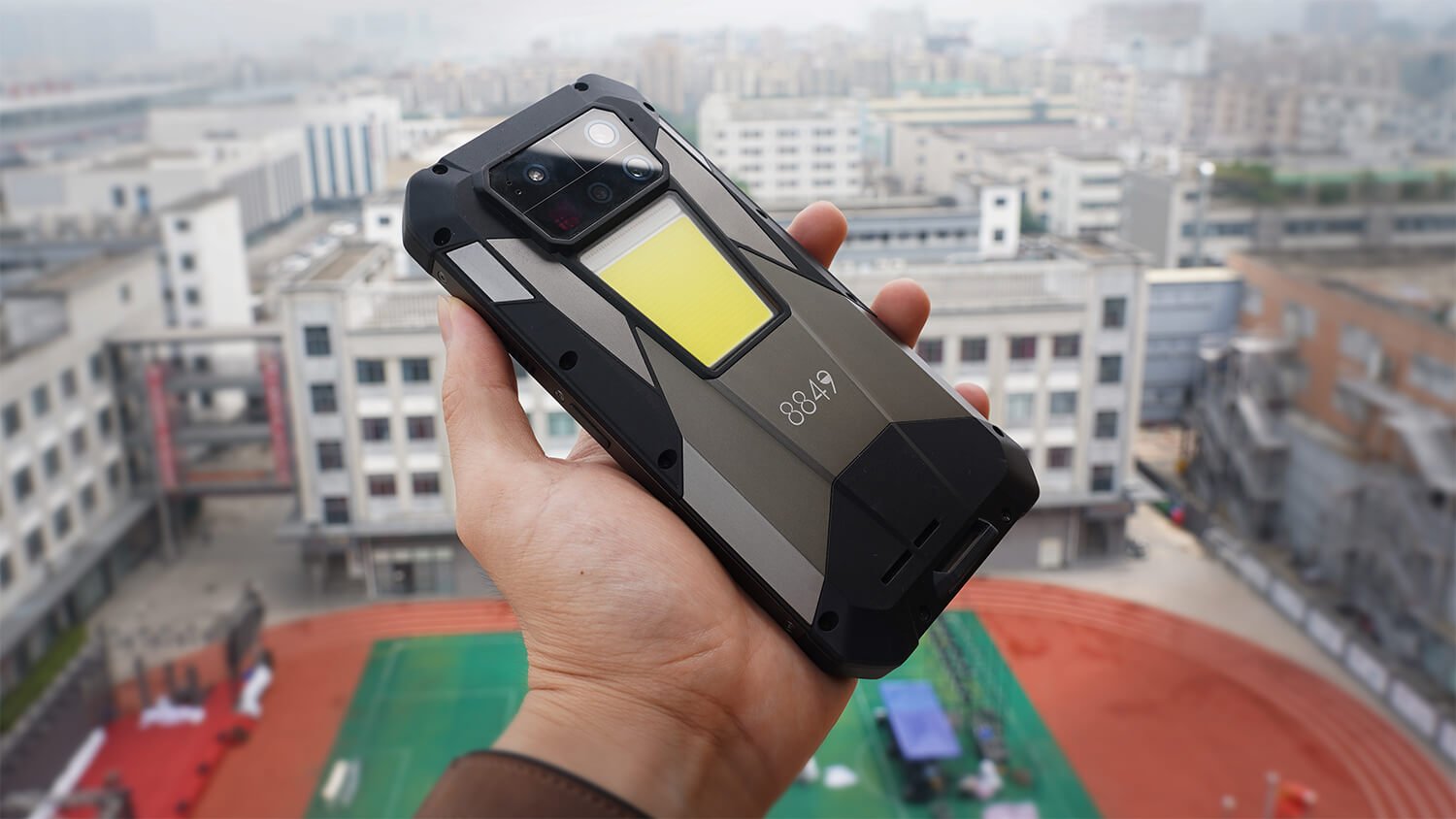
If you are looking for a rugged phone that goes beyond basic durability, the 8849 TANK X Rugged Projector Phone stands out as a highly innovative option. Unlike traditional smartphones, it combines extreme ruggedness with unique, practical features designed for outdoor use, travel, and professional scenarios, making it more than just a communication device, but a multi-functional tool.
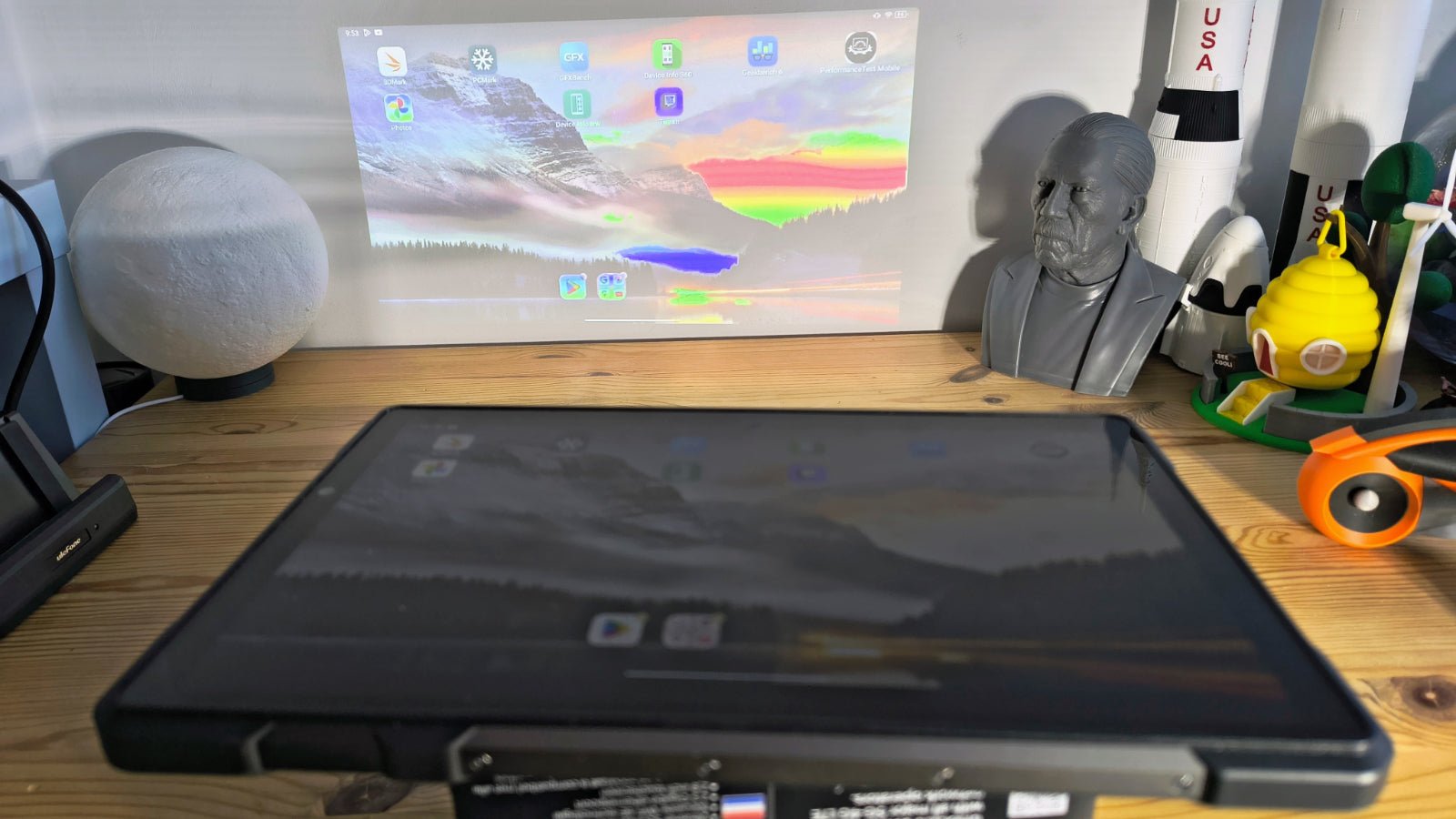
- Built-in 1080P projector for presentations, movies, and outdoor entertainment
- High-lumen projection with autofocus and keystone correction for clear visuals
- Large-capacity battery designed for extended use in the field
- Camping light for outdoor illumination and night activities
- Emergency light for signaling and safety in critical situations
- Night vision camera for low-light or zero-light environments
- Reinforced rugged design with strong water, dust, and drop resistance
This combination of durability and versatility makes it particularly suitable for users who need reliability in extreme conditions while still benefiting from advanced smartphone capabilities.
Conclusion
Rugged phones and regular smartphones are not fundamentally different categories, but rather different approaches to meeting user needs. While regular smartphones focus on design, performance, and everyday convenience, rugged phones prioritize durability, reliability, and extended battery life in challenging environments.
If your daily activities involve risk, outdoor work, or travel, a rugged device can be a more practical long-term investment. For users seeking a balance of toughness and advanced functionality, brands like 8849 offer rugged phones that go beyond traditional expectations, combining durability with innovative features.
FAQs
1. Are rugged phones as powerful as regular smartphones?
Rugged phones can be powerful, but they are usually optimized for stability and reliability rather than peak performance. While some models offer strong processors and smooth performance, flagship regular smartphones still tend to lead in raw speed and advanced hardware.
2. Can a rugged phone replace a normal smartphone?
Yes, a rugged phone can fully replace a regular smartphone for most users. It supports the same apps, operating systems, and daily functions, but adds extra durability and battery life, making it suitable for both work and everyday use.
3. Why are rugged phones so bulky?
Rugged phones are bulkier because they include reinforced frames, protective materials, and larger batteries. These design choices are necessary to ensure resistance to drops, water, dust, and extreme conditions.
4. Are rugged phones worth it for everyday use?
It depends on your needs. If you frequently drop your phone or want longer battery life and durability, a rugged phone can be a worthwhile investment. However, if you prioritize slim design, lightweight feel, and high-end camera features, a regular smartphone may be a better fit.

Share:
Portable Mini Projector: Definition, Benefits & Uses
IP68 Phones: Definition, Benefits & Uses